Esta página ainda não foi traduzida para português; mostra-se o texto original em inglês.
Fiesta de la Tradición
Foto: AnselmoesMaciel, CC BY-SA 4.0, via Wikimedia Commons
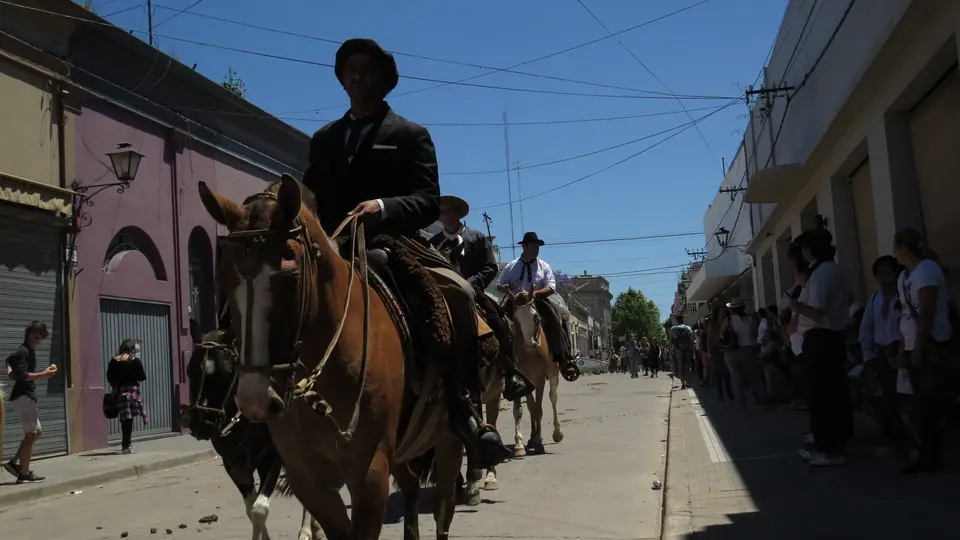
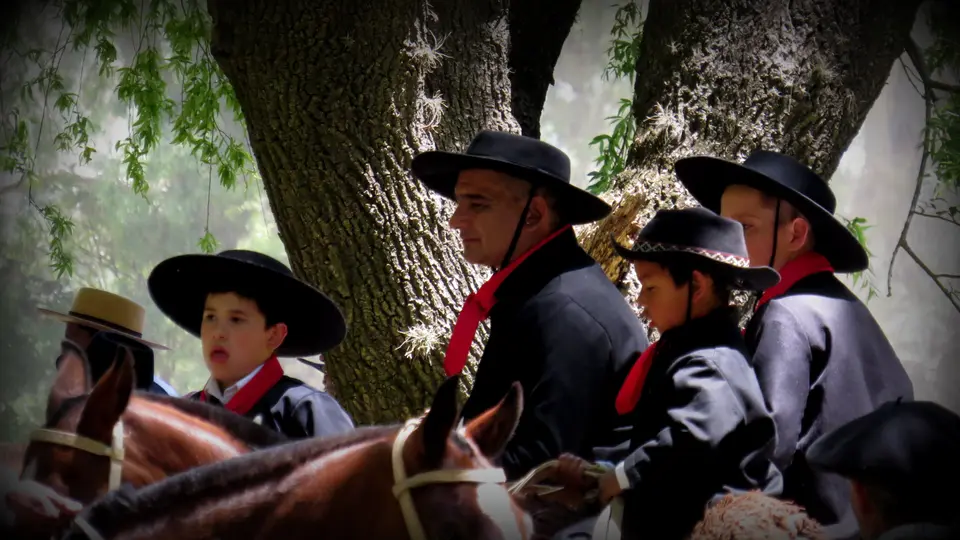
On the weekend nearest 10 November, Argentina’s Day of Tradition, San Antonio de Areco — the national capital of tradition — honours the gaucho with campfire music, ring races and roping contests, and a parade of some 2,000 riders and 60 herds of horses through the town.
The gaucho and Martín Fierro
Argentina’s Day of Tradition falls on 10 November, the birthday of the poet José Hernández (1834–1886), author of the narrative poem El gaucho Martín Fierro and its sequel, which describe the life of a gaucho. The idea came from the poet Francisco Timpone in 1937; the province of Buenos Aires declared the day by law in 1939, and a national law extended it to the whole country in 1975.
Areco, founded in 1730, is one of the oldest towns in the province. Its writer Ricardo Güiraldes turned three centuries of local history into the novel Don Segundo Sombra in 1926, and in 1939 a group of residents and paisanos, country people, organised the first Fiesta de la Tradición as a tribute to the man of the countryside and his customs. The town was later named the permanent provincial seat of tradition, and in 2015 the national capital of tradition.
A weekend on horseback
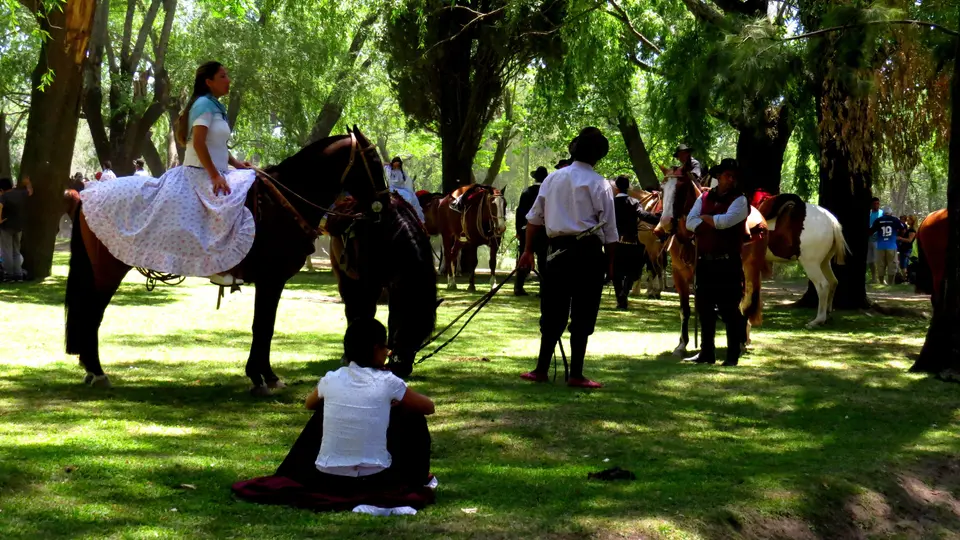
On Saturday the Parque Criollo fills with the first asados and gatherings. In the afternoon the skills ground hosts roping of mares, corridas de sortija — ring races — and carreras cuadreras, horse races, and at dusk campfires are lit for a night of music, songs and traditional dances.
On Sunday the streets of the town centre are decorated for the festival. Dancers from the municipal dance school perform in front of the town hall, and the celebrations open with the band of the Mounted Grenadiers Regiment. Flag-bearers on horseback receive the national and provincial flags from the authorities, and the parade begins: about 2,000 paisanos and some 60 tropillas, herds of horses, move through several streets to the courtyard of the La Blanqueada general store for the lunch. In the afternoon the riders return to the skills ground for the mixing of the herds and more contests of country skills until sunset.
Quando acontece
The main events are held on the weekend nearest 10 November, the Day of Tradition, with other events in the weeks before.
- 7 – 8 de novembro de 2026Estimada
- 13 – 14 de novembro de 2027Estimada
- 11 – 12 de novembro de 2028Estimada
- 10 – 11 de novembro de 2029Estimada
Comida e bebida
Asado
The first asados are served in the Parque Criollo at midday on Saturday, and on Sunday the parade ends with a large criollo lunch with music and traditional dances.
Fontes
Esta entrada foi escrita a partir das fontes seguintes.
- San Antonio de ArecoWikipedia (Spanish) · consultado em 17 de setembro de 2026
- Día de la TradiciónWikipedia (Spanish) · consultado em 17 de setembro de 2026
- Argentina travel advice: safety and securityUK Foreign, Commonwealth & Development Office · consultado em 17 de setembro de 2026
Festas relacionadas
Calgary Stampede
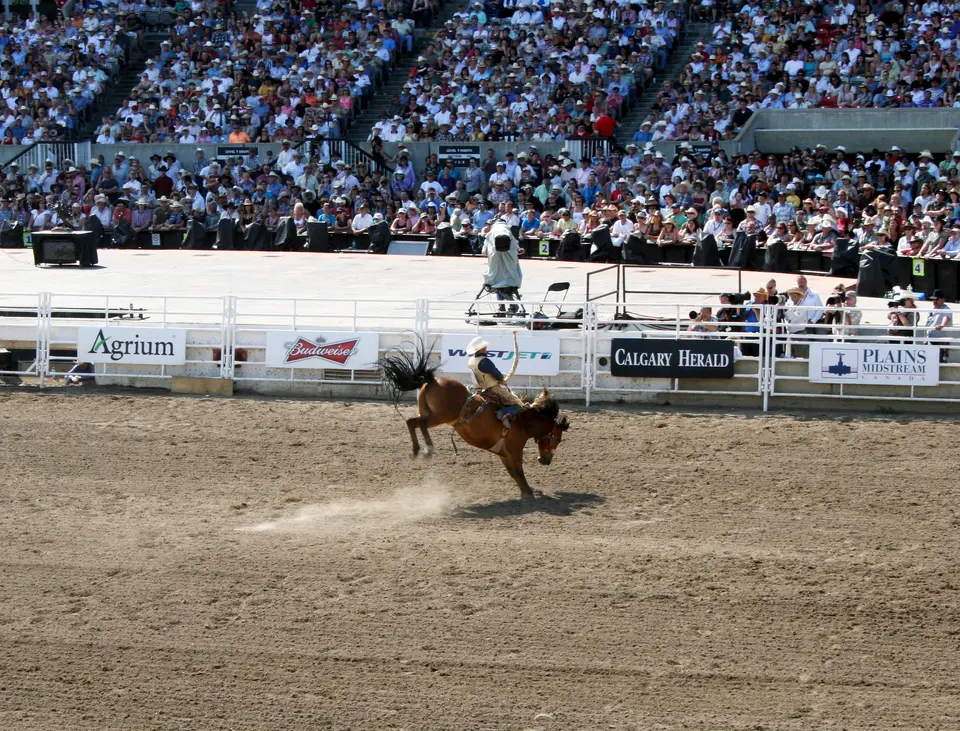
Every July, Calgary dresses in western wear for “The Greatest Outdoor Show on Earth” — ten days of rodeo and chuckwagon racing, a parade, midway rides and pancake breakfasts, with more than a million visitors.
9 – 18 de julho de 2027Anunciada oficialmente
Naadam
Наадам
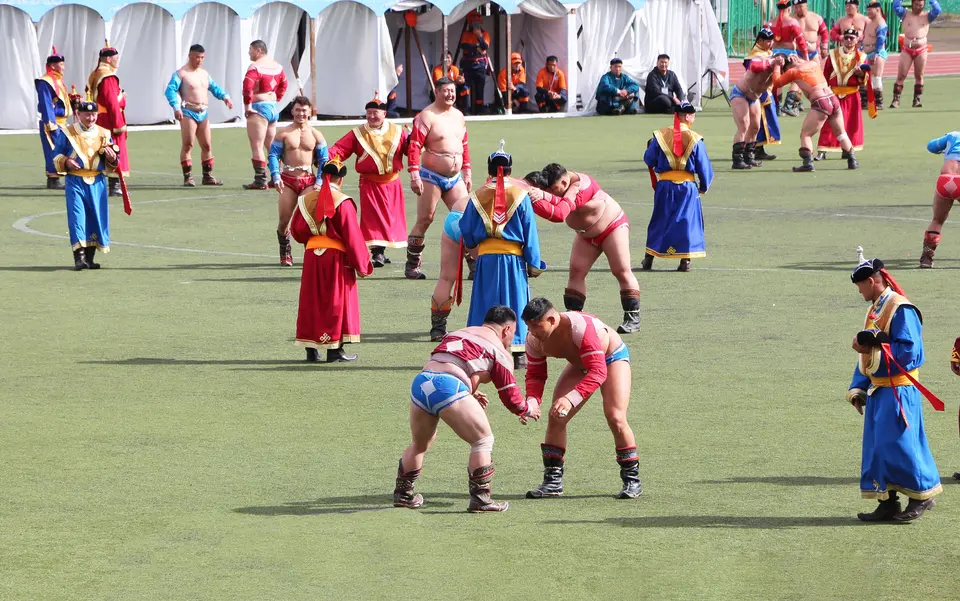
Every July Mongolia stops for the “three games of men” — wrestling, cross-country horse racing ridden by children, and archery — opened in Ulaanbaatar’s stadium with parades of riders, dancers and the nine horse-tail banners of Genghis Khan.
11 – 13 de julho de 2027Calculada
Fiestas Patrias
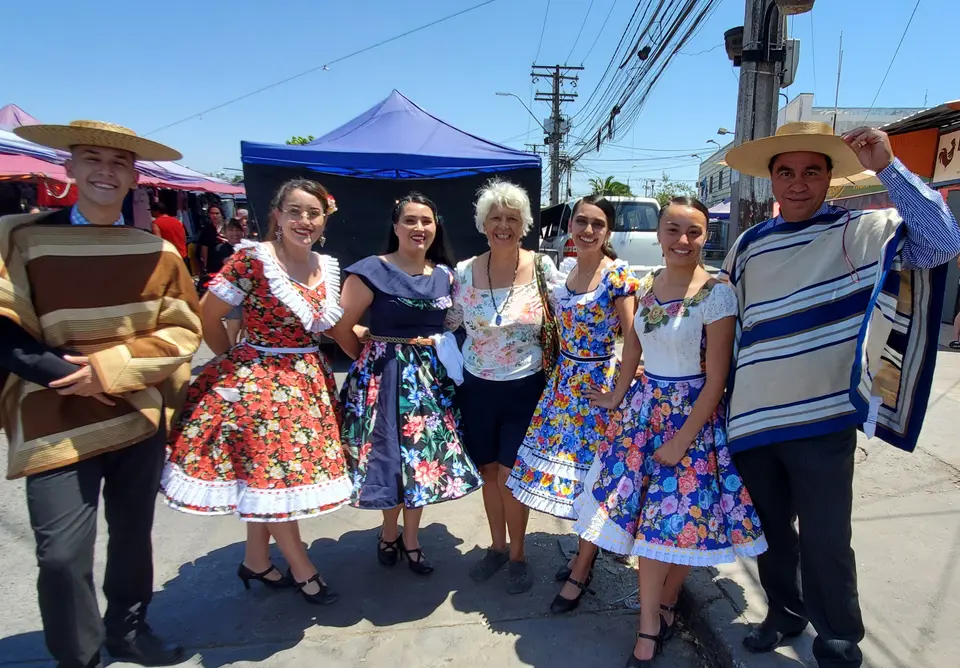
On 18 and 19 September Chile celebrates its national holidays — the Dieciocho — with flags on every building, cueca dancing and barbecues in the fondas, a Te Deum in Santiago and a great military parade, in what can stretch into a week of celebration.
18 – 19 de setembro de 2026Calculada