لم تُترجم هذه الصفحة إلى العربية بعد، ويُعرض نصها الأصلي بالإنجليزية.
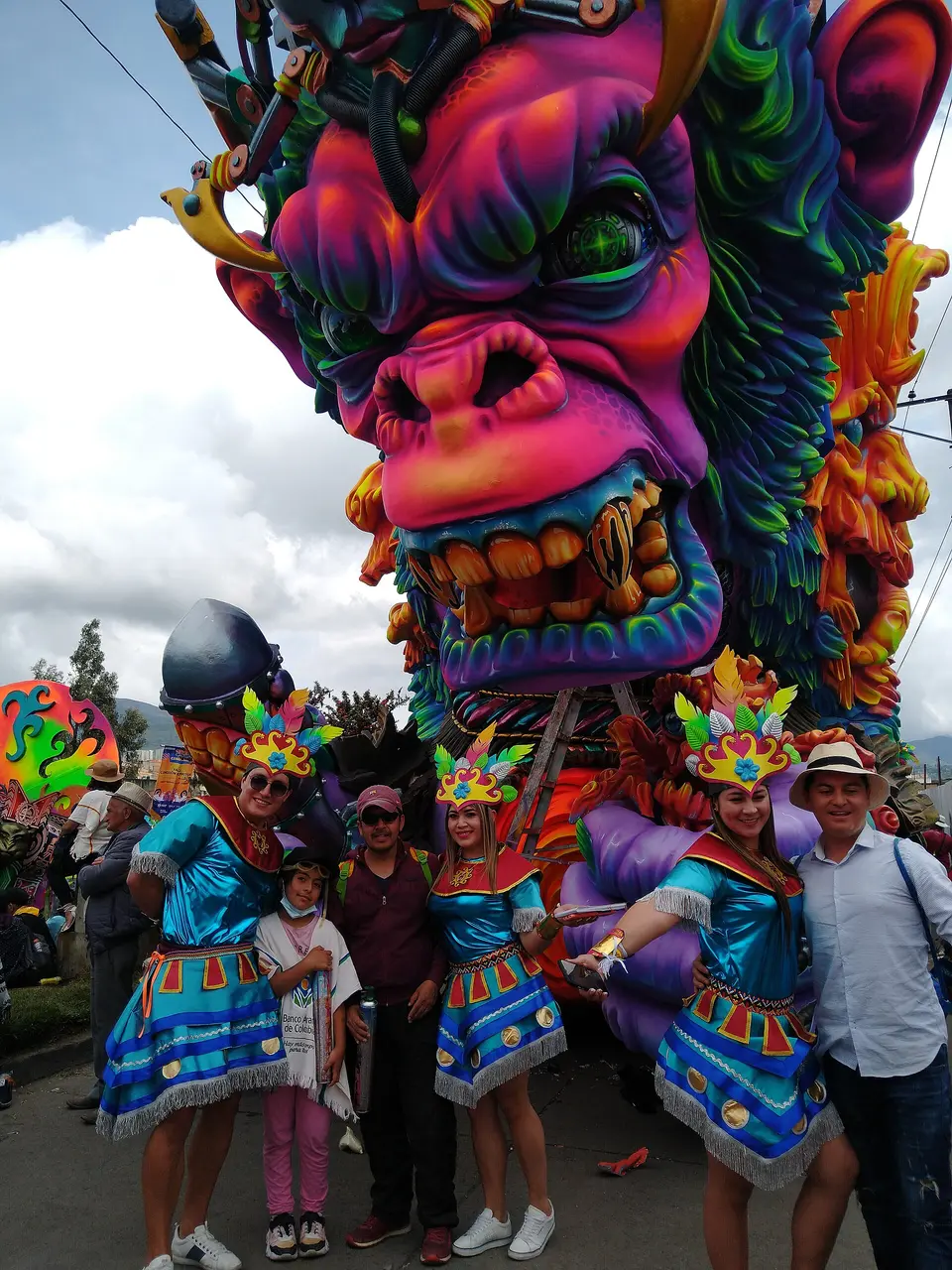
Blacks and Whites’ Carnival
Carnaval de Negros y Blancos
مُدرج في قائمة اليونسكو للتراث الثقافي غير المادي للبشرية
الصورة: Hanksol، CC BY-SA 4.0، عبر ويكيميديا كومنز
In the Andean city of Pasto, the first week of January turns into a festival of equality — everyone is painted black on one day and powdered white the next, before a grand parade of towering handmade floats.
Black, then white
The Carnaval de Negros y Blancos grew out of Andean and Hispanic traditions in San Juan de Pasto, in south-western Colombia, and has spread to other towns of Nariño. Its dates coincide with ancient moon celebrations of the Pastos and Quillacinga peoples, farming cultures who danced for the moon and prayed to the sun to protect their crops.
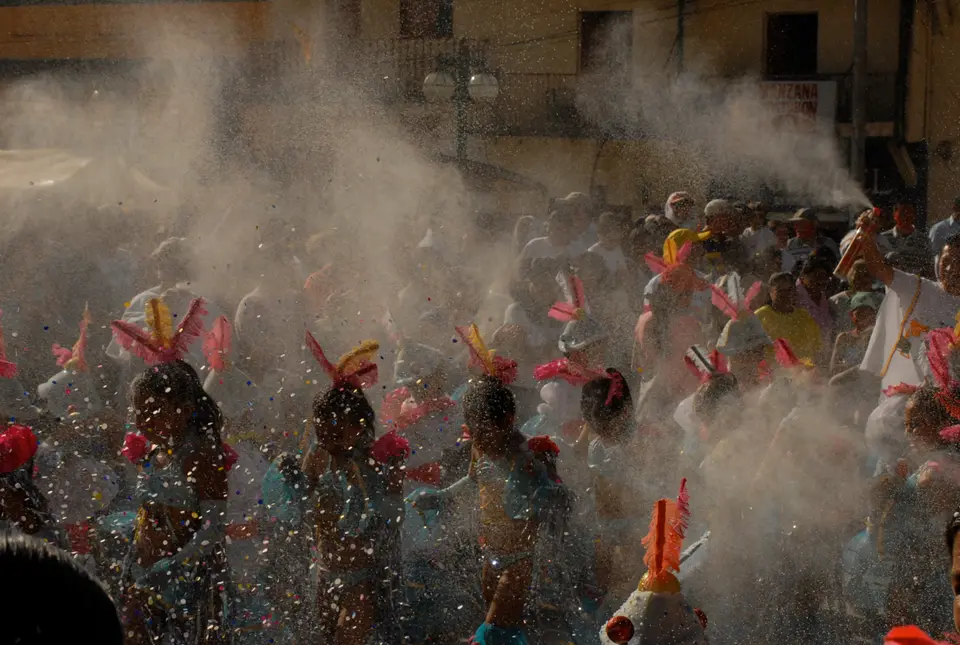
Blacks’ Day goes back to the colonial period. After a slave rebellion in 1607, enslaved Black people in Popayán asked for a day on which they could be truly free, and the Spanish Crown granted them 5 January; the custom of playing with black paint spread south to Pasto, where it was played by the 1850s. Whites’ Day was born in 1912, when a group of tailors began throwing face powder at each other on the morning of Three Kings’ Day, shouting “Long live the whites!”. UNESCO describes how people paint one another with black cosmetics and then white talc, a gesture that symbolises equality and brings all citizens together.
Floats and the Castañeda family
In 1929 a family of settlers arriving from the Putumayo with their mules, parrots and pigs were swept into a carnival parade and cheered through the streets as “the Castañeda family”; they are remembered every year on 4 January. From the 1930s local artisans began building monumental floats of paper sculpture, and in the 1950s, led by the master artisan Alfonso Zambrano, the figures began to move. The carnival was declared national cultural heritage in 2001 and inscribed by UNESCO in 2009. In the weeks before, many homes become workshops where neighbours build costumes and floats together.
متى يُقام
The carnival season runs from 28 December to 6 January, with the main days from 2 January. The Castañeda family parade is on 4 January, Blacks’ Day on 5 January, and Whites’ Day, with the great parade, on 6 January.
- 5–6 يناير 2027محسوب
- 5–6 يناير 2028محسوب
- 5–6 يناير 2029محسوب
- 5–6 يناير 2030محسوب
زيارة باحترام
السلامة
- Crowds are dense and paint, talc and foam fly everywhere. Wear clothes you don’t mind ruining and protect your eyes, phone and camera.
- Criminals in Colombia have used drugs to subdue and rob visitors. Do not accept food or drinks from strangers.
المصادر
كُتب هذا المدخل استنادًا إلى المصادر التالية.
- Carnaval de Negros y BlancosUNESCO Intangible Cultural Heritage · اطُّلع عليه في 17 سبتمبر 2026
- Blacks and Whites’ CarnivalWikipedia · اطُّلع عليه في 17 سبتمبر 2026
- Colombia travel advice: safety and securityUK Foreign, Commonwealth & Development Office · اطُّلع عليه في 17 سبتمبر 2026
مهرجانات ذات صلة
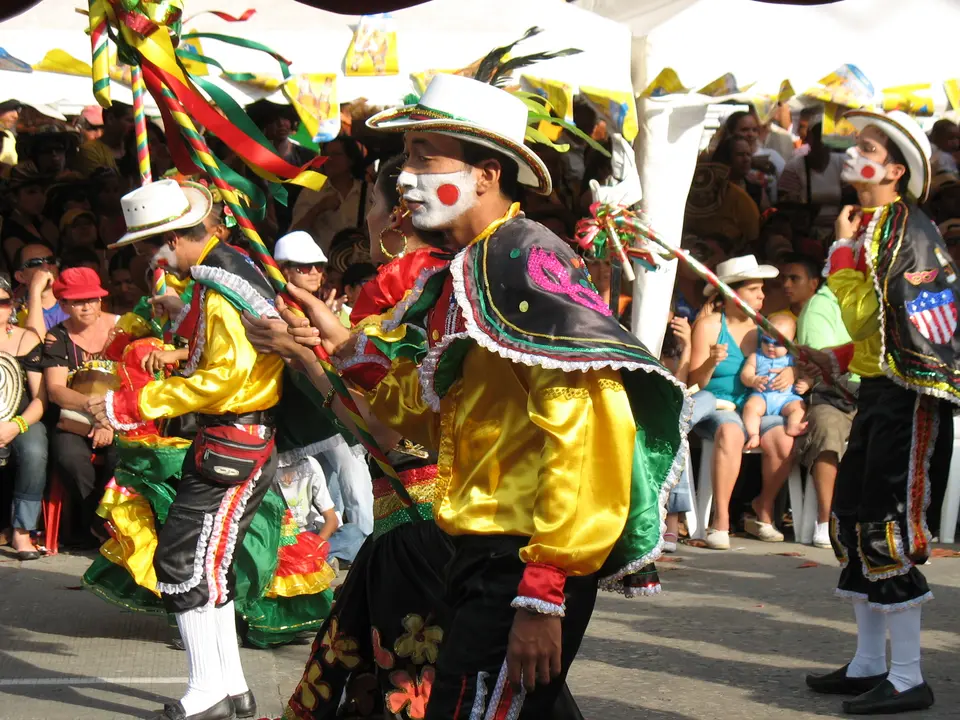
Barranquilla Carnival
Carnaval de Barranquilla
For the four days before Lent, Colombia’s Caribbean port sets work aside for one of the world’s largest carnivals — a Battle of Flowers, a Great Parade of cumbia, congo and garabato dancers, an orchestra contest, and the burial of Joselito Carnaval.
6–9 فبراير 2027محسوب
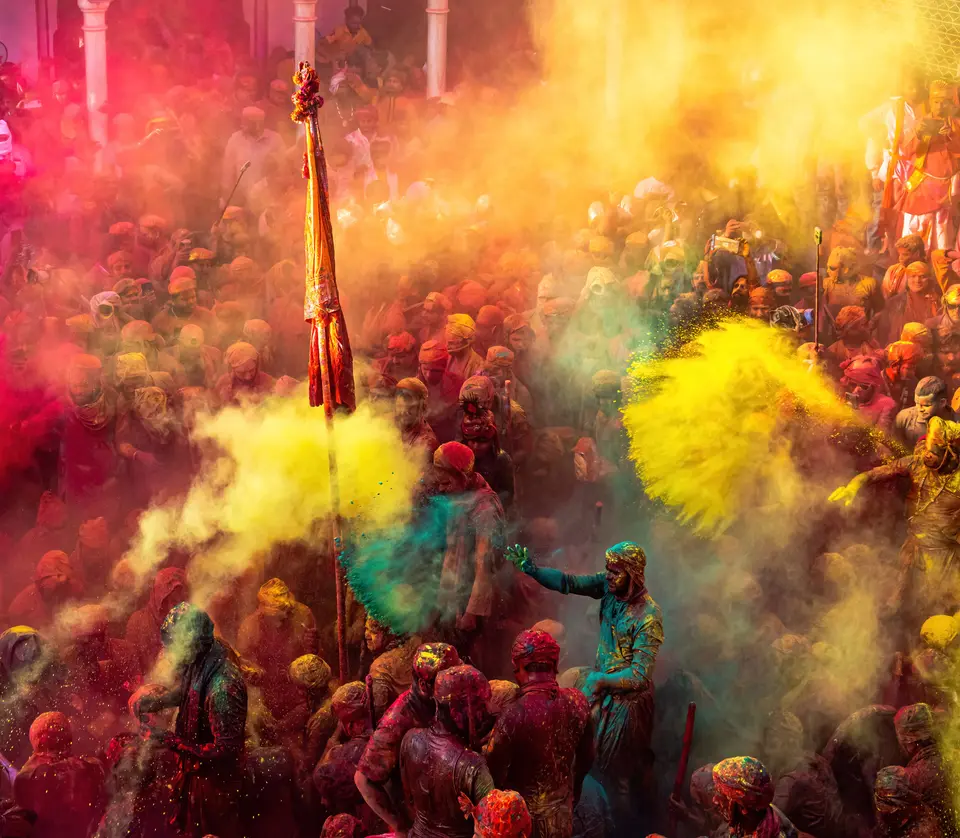
Holi
होली
The festival of colours, love and spring. On the night of the full moon bonfires burn for Holika; the next day friends and strangers throw coloured powder and water at each other, sing, dance and share sweets — nowhere more exuberantly than in the towns of Krishna’s Braj.
23 مارس 2027معلن رسميًا
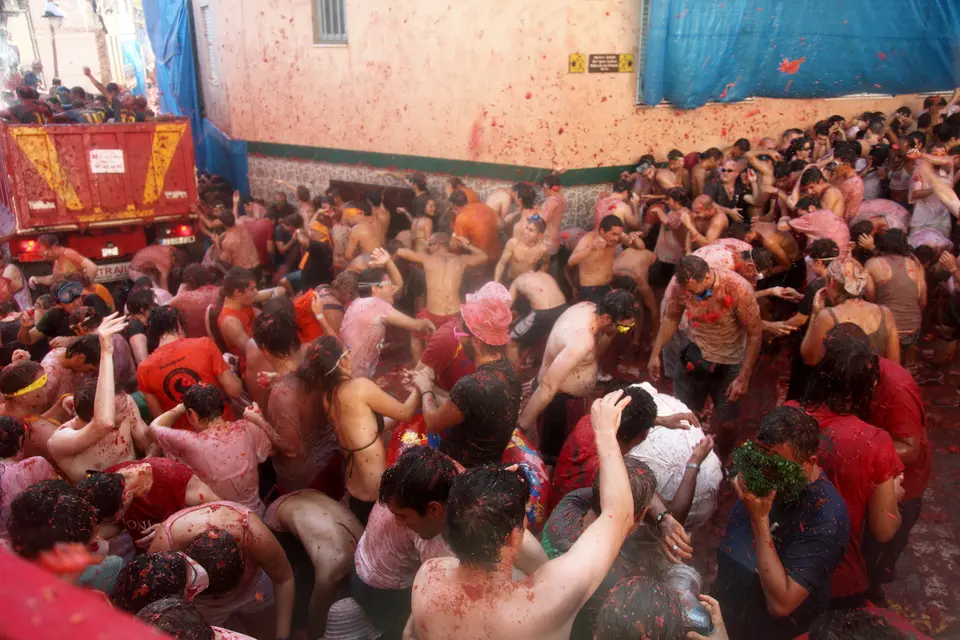
La Tomatina
On the last Wednesday of August, the small town of Buñol near Valencia hosts what is said to be the world’s biggest food fight — an hour in which thousands of ticket-holders pelt each other with tomatoes until the streets run red.
25 أغسطس 2027محسوب