لم تُترجم هذه الصفحة إلى العربية بعد، ويُعرض نصها الأصلي بالإنجليزية.
Carnival of Binche
Carnaval de Binche
مُدرج في قائمة اليونسكو للتراث الثقافي غير المادي للبشرية
الصورة: Henri Picot، CC BY-SA 4.0، عبر ويكيميديا كومنز
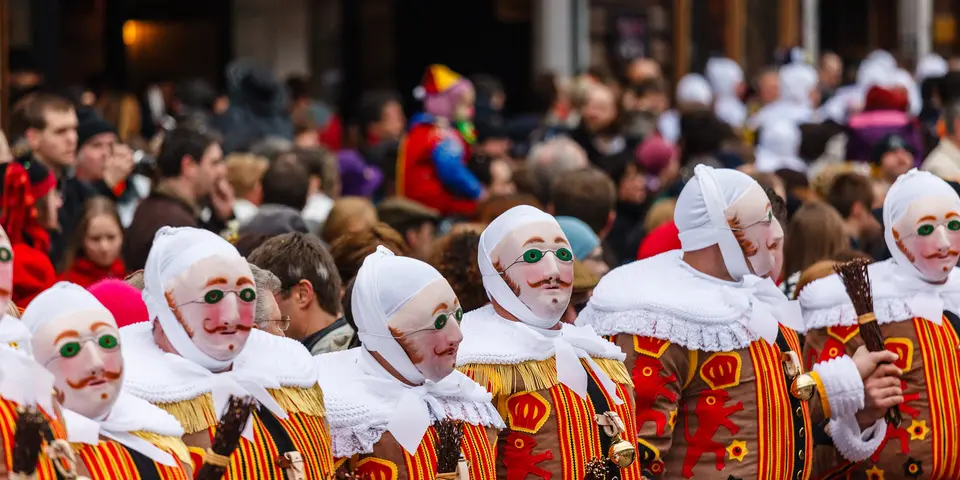
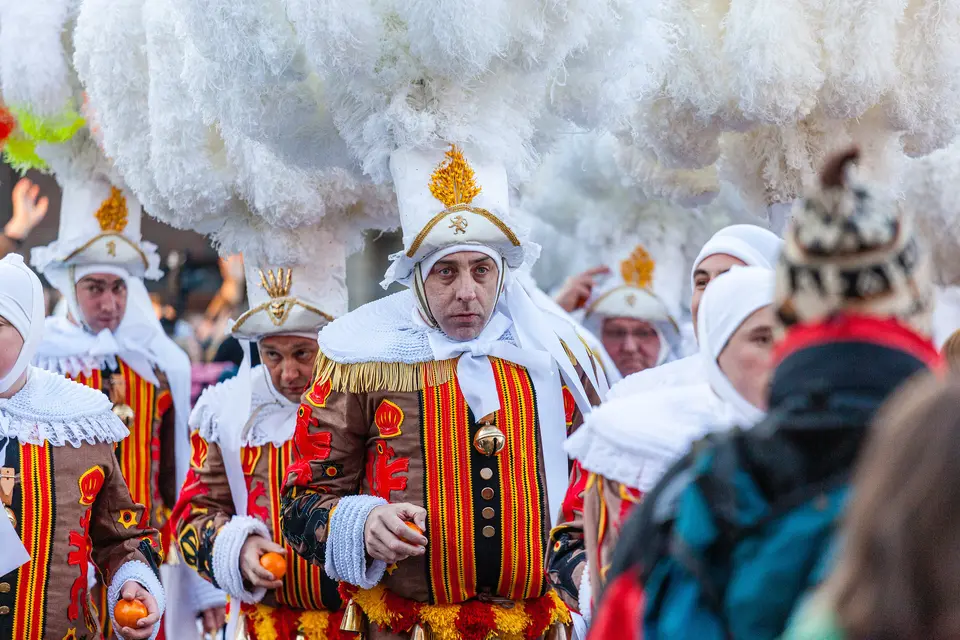
For the three days before Lent, the small Walloon town of Binche belongs to its Gilles — up to a thousand men in wax masks and wooden clogs who dance from dawn to drive away evil spirits and, crowned with ostrich plumes, throw oranges to the crowd.
The Gilles
Binche lies south of Brussels in the province of Hainaut. Each year, during the three days before Lent, carnival takes over its historic centre and draws crowds of visitors; it is the best known of several carnivals held at the same time across Wallonia. Its first written records date from 1394, and UNESCO proclaimed it a Masterpiece of the Oral and Intangible Heritage of Humanity in 2003.
At its heart are the Gilles, performers who first appear in written sources in 1795 as masked characters in revolt, at a time when masks had been forbidden under the Napoleonic regime. Up to a thousand of them take part, customarily men, aged from three to sixty, and being a Gille is an honour local men aspire to. They wear costumes in red, black and yellow, wax masks and wooden clogs.
Dawn, feathers and oranges
On Shrove Tuesday the Gilles gather in the centre of Binche from dawn, dancing to drums and warding off evil spirits with bundles of sticks. Later in the day they put on tall hats of ostrich feathers and march through the town with baskets of oranges, which they throw to — and sometimes at — the crowd. The oranges are considered lucky, as a gift from the Gilles. On the Sunday before, many of Binche’s inhabitants spend the whole day in costume.
متى يُقام
The carnival’s main days are the Sunday, Monday and Tuesday before Ash Wednesday, in February or early March; preparations and street performances begin up to seven weeks earlier. The Gilles appear above all on Shrove Tuesday.
- 7–9 فبراير 2027محسوب
- 27–29 فبراير 2028محسوب
- 11–13 فبراير 2029محسوب
- 3–5 مارس 2030محسوب
زيارة باحترام
من المفيد أن تعرف
- An orange from a Gille is a gift and brings good luck — never throw it back, which is considered an insult.
السلامة
- Oranges fly hard and fast on Shrove Tuesday; some residents seal their windows. Protect your camera and watch out.
- Pickpocketing is common in crowded places in Belgium. Keep valuables secure.
المصادر
كُتب هذا المدخل استنادًا إلى المصادر التالية.
- Carnival of BincheUNESCO Intangible Cultural Heritage · اطُّلع عليه في 17 سبتمبر 2026
- Carnival of BincheWikipedia · اطُّلع عليه في 17 سبتمبر 2026
- Belgium travel advice: safety and securityUK Foreign, Commonwealth & Development Office · اطُّلع عليه في 17 سبتمبر 2026
مهرجانات ذات صلة
Ducasse de Mons (Doudou)
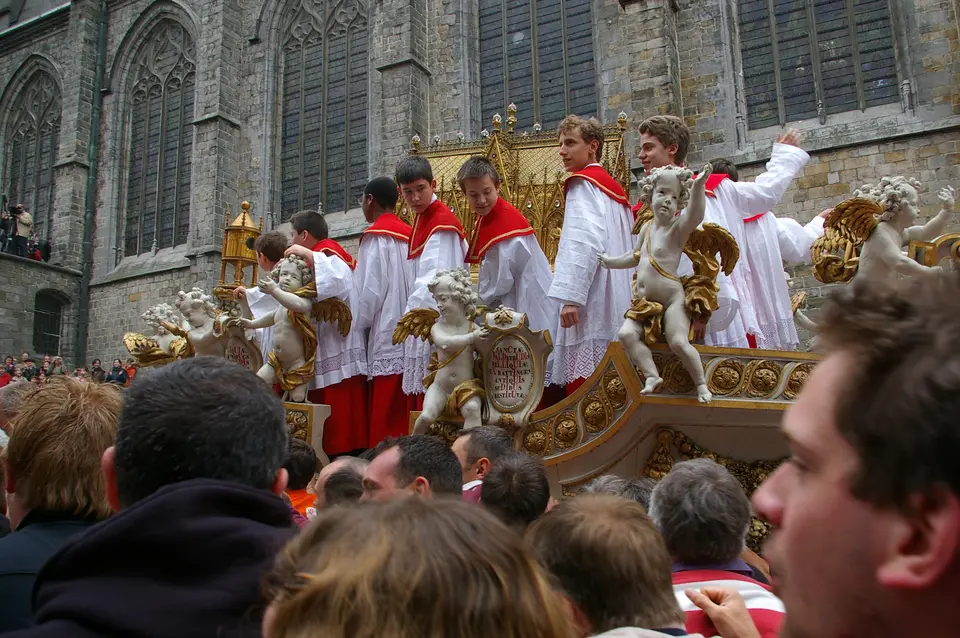
On Trinity Sunday, Mons carries the shrine of its patron saint through town on a golden chariot that the crowd must push up a steep cobbled slope in one go — and then, on the Grand-Place, St George fights the dragon in the frantic half-hour combat called the Lumeçon.
22–23 مايو 2027محسوب
Carnival of Venice
Carnevale di Venezia
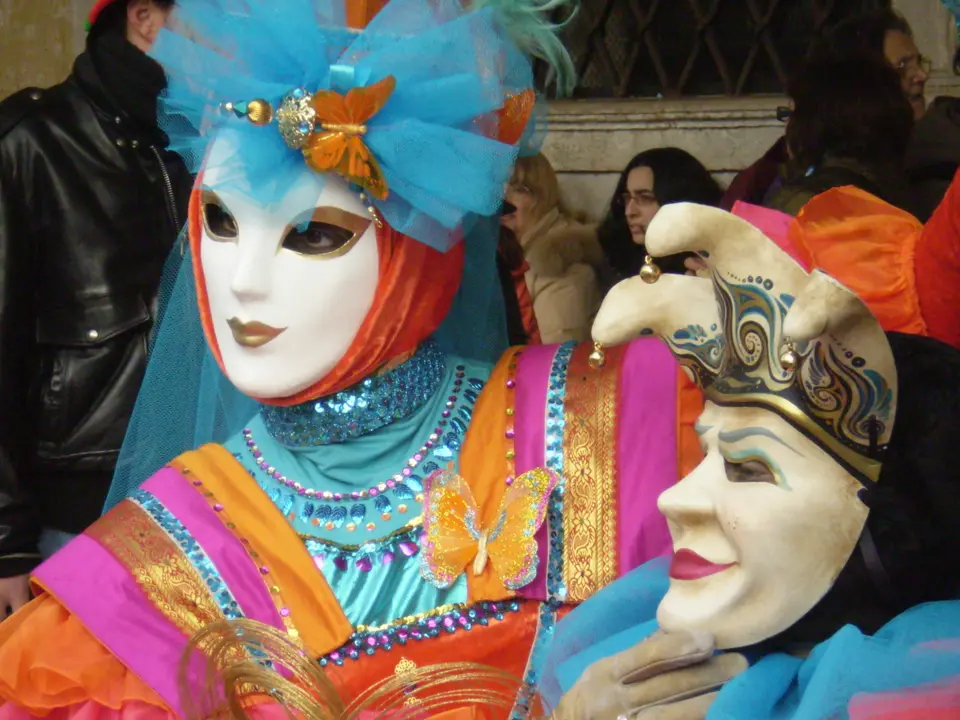
For two and a half weeks before Lent, Venice returns to the masks and costumes that made its carnival famous across Europe — banned for almost two centuries, revived in 1979, and now drawing millions of visitors to the city’s squares and canals.
23 يناير – 9 فبراير 2027معلن رسميًا
Patras Carnival
Πατρινό Καρναβάλι
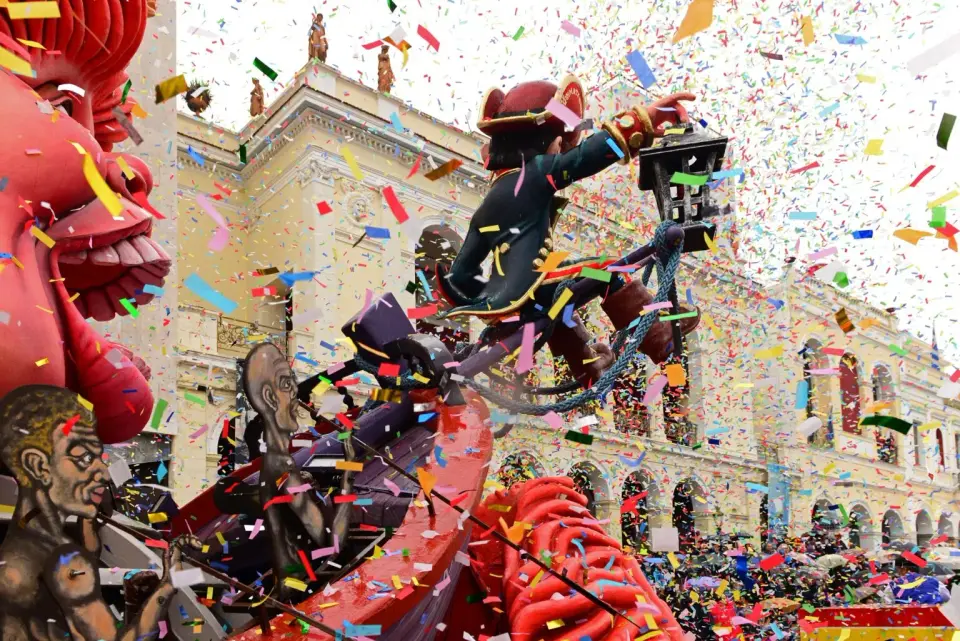
Greece’s largest carnival opens on St Anthony’s Day and builds for weeks — balls, a city-wide treasure hunt, a night parade — to a Sunday procession of satirical floats and tens of thousands of costumed revellers, ending with the burning of the Carnival King in the harbour.
17 يناير 2027محسوب