لم تُترجم هذه الصفحة إلى العربية بعد، ويُعرض نصها الأصلي بالإنجليزية.
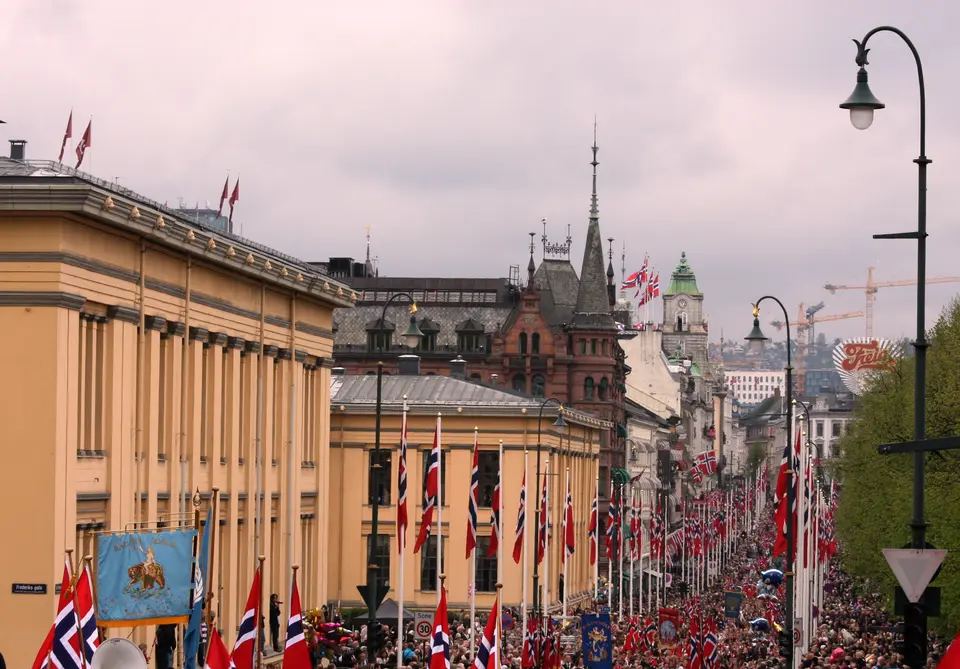
Syttende mai
الصورة: Bjoertvedt، CC BY-SA 3.0 no، عبر ويكيميديا كومنز
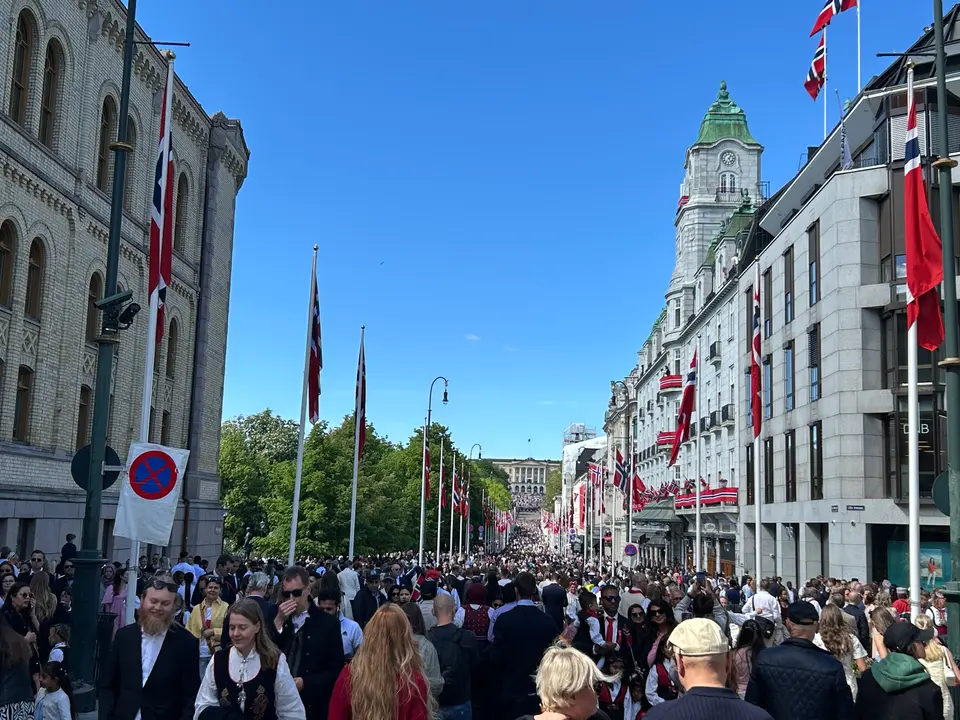
On 17 May, Norway’s National Day, children’s parades with flags, banners and marching bands wind through every community, people in the traditional bunad shout “Hurra!”, and in Oslo the royal family waves from the palace balcony — followed by ice cream and hot dogs.
A day without soldiers
Norway’s constitution was signed at Eidsvoll on 17 May 1814, and it is the third-oldest written constitution still in use. Celebrations began spontaneously among students soon afterwards, but while Norway was in union with Sweden the king was reluctant to allow them, and in the 1820s they were banned for a few years. In 1833 the poet Henrik Wergeland gave one of the first public addresses. The first children’s parade in Christiania, now Oslo, was launched in 1864 at the initiative of the writer Bjørnstjerne Bjørnson; at first only boys took part, and girls were allowed to join in 1899. During the German occupation in the Second World War, celebrating 17 May was strictly forbidden.
What makes the day unusual is its non-military character. All over Norway, each school district holds its own children’s parade, with the school banner and flags at the front, the marching band and the children behind with hand-held flags. Parades often stop at nursing homes and war memorials and end with the national anthem, “Ja, vi elsker dette landet”. People wear red, white and blue ribbons, and more and more wear the bunad, the traditional costume; the children shout “Hurra!”, sing, blow whistles and shake rattles.
Oslo and beyond
In Oslo some 100,000 people come into the city centre for the main parade of around 100 schools and their bands, which passes the Royal Palace, where the royal family greets the crowds from the balcony; the parade is broadcast on television. There are also citizens’ parades, borgertog, which anyone can join, speeches, wreaths at memorials in the morning and, in many places, a salute at noon. Graduating upper secondary students, the russ, celebrate in their own way, staying up all night and holding their own parades later in the day.
متى يُقام
Constitution Day is on 17 May every year and is an official public holiday.
- 17 مايو 2027محسوب
- 17 مايو 2028محسوب
- 17 مايو 2029محسوب
- 17 مايو 2030محسوب
الطعام والشراب
Ice cream and hot dogs
After the parades, children play games and people eat ice cream, hot dogs, waffles and sweets.
المصادر
كُتب هذا المدخل استنادًا إلى المصادر التالية.
- Constitution Day (Norway)Wikipedia · اطُّلع عليه في 17 سبتمبر 2026
- Norway travel advice: safety and securityUK Foreign, Commonwealth & Development Office · اطُّلع عليه في 17 سبتمبر 2026
مهرجانات ذات صلة
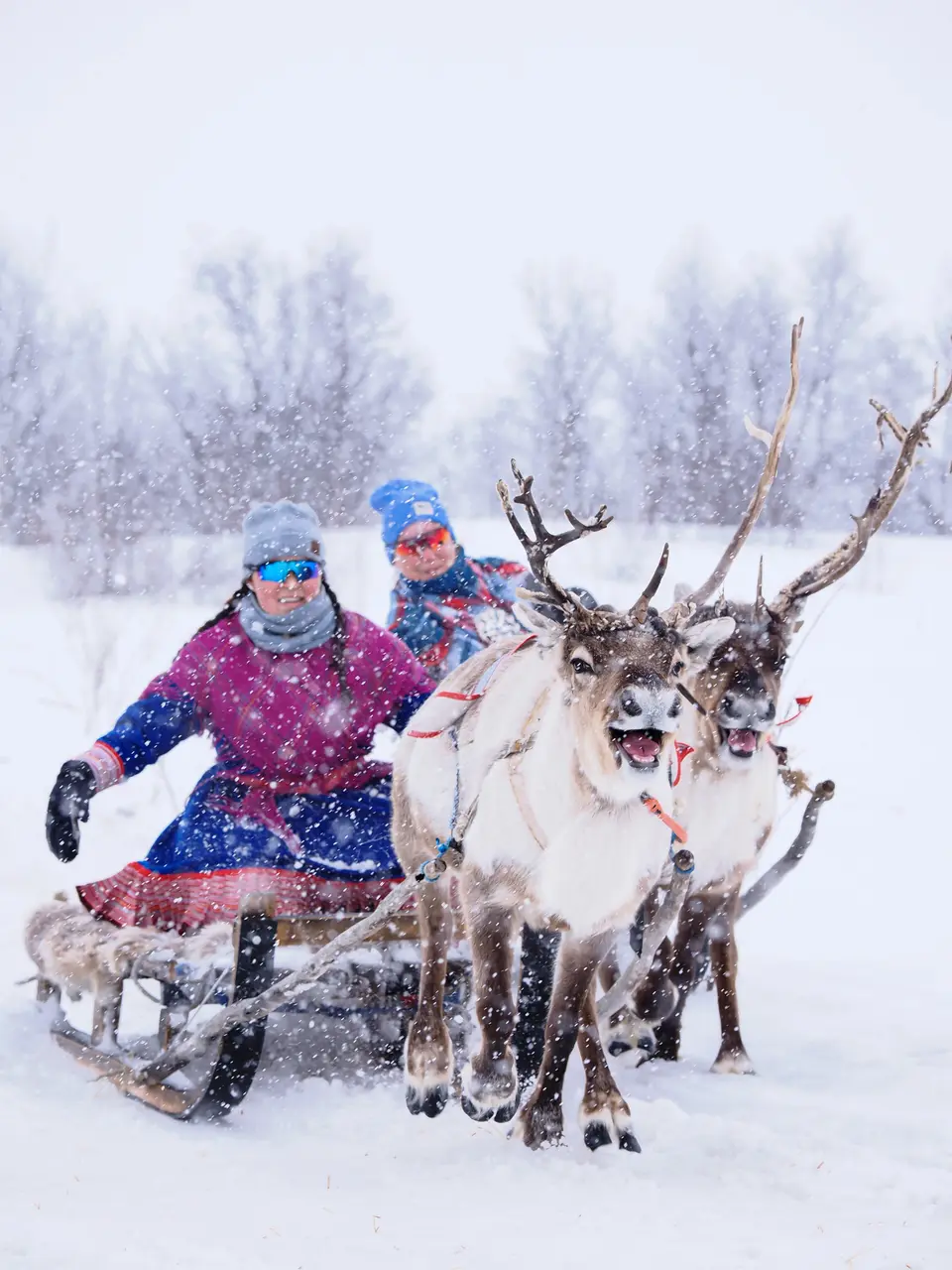
Sámi Easter Festival
Sámi beassášmárkanat
At Easter the Sámi village of Kautokeino in Finnmark fills with reindeer races, duodji handicraft markets, theatre and concerts, crowned by the Sámi Grand Prix of joik and song — continuing the old tradition of gathering before the reindeer move to the coast.
20–29 مارس 2027معلن رسميًا
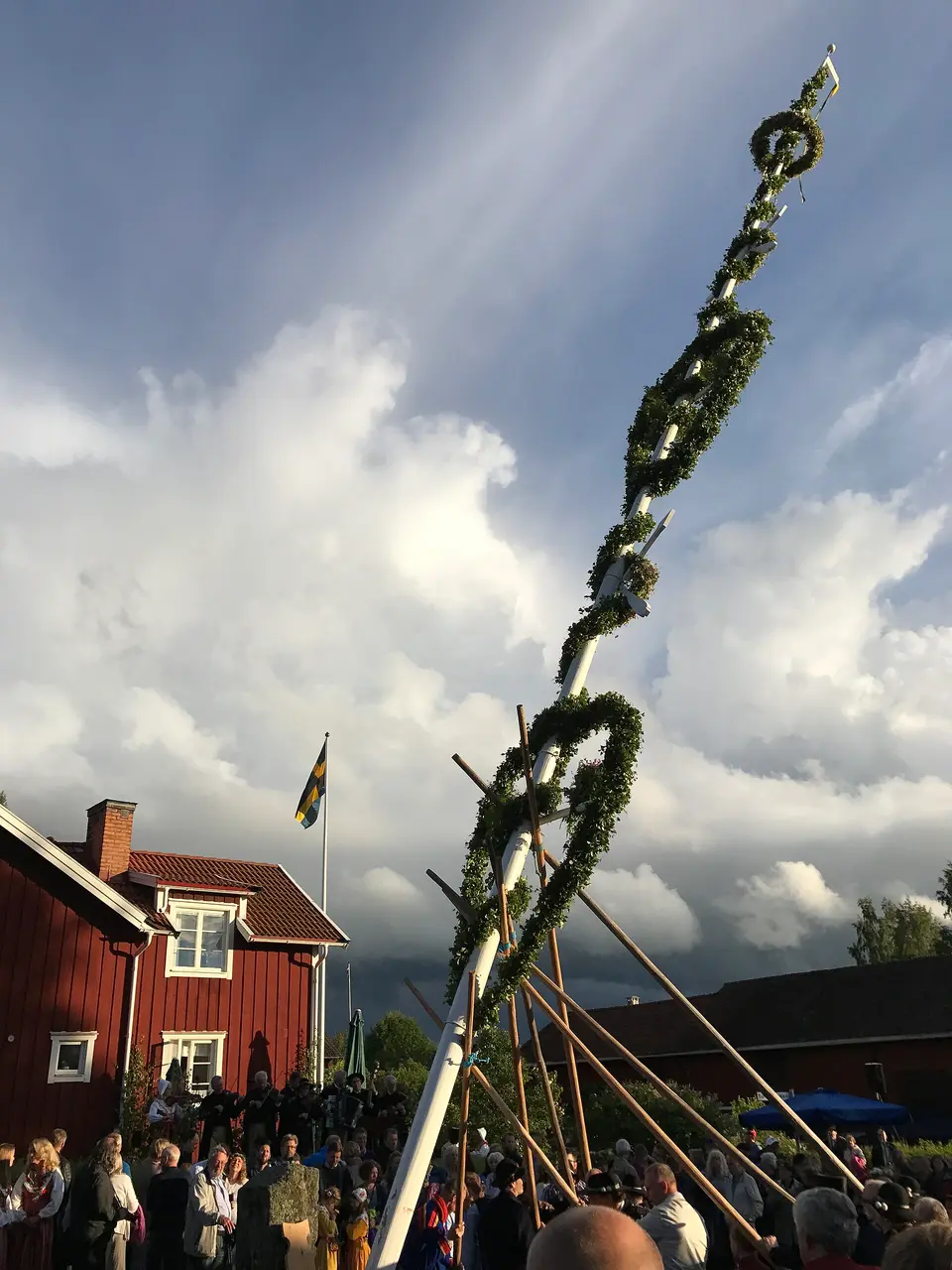
Midsummer
Midsommar
On a Friday in late June, Swedes leave the cities for the countryside, pick flowers for wreaths, raise a pole clad in leaves and dance around it — then sit down to herring, new potatoes and strawberry cake as the light lingers late into the night.
25–26 يونيو 2027محسوب
Fiestas Patrias
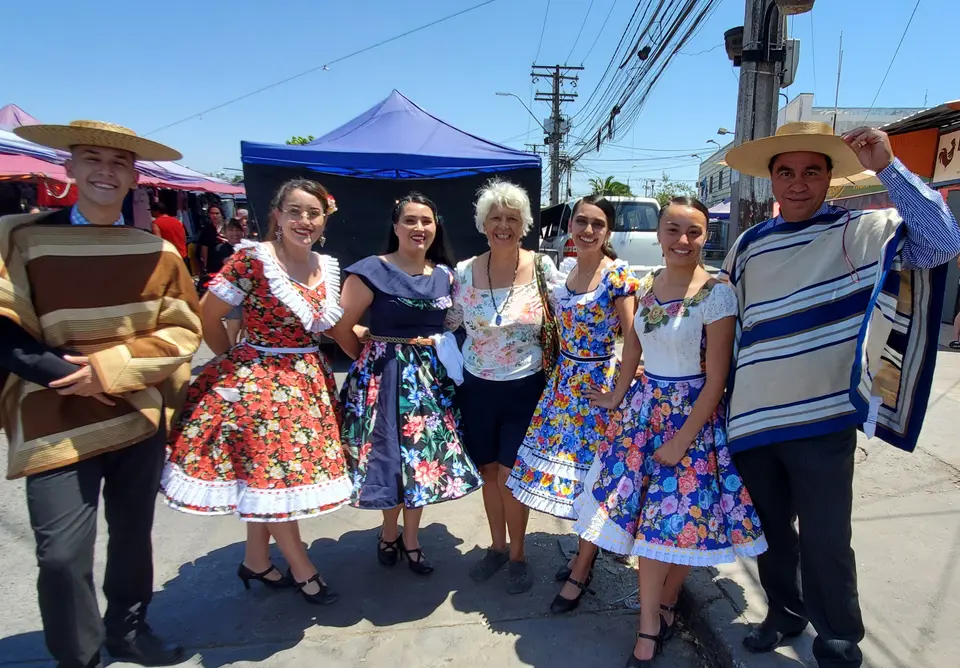
On 18 and 19 September Chile celebrates its national holidays — the Dieciocho — with flags on every building, cueca dancing and barbecues in the fondas, a Te Deum in Santiago and a great military parade, in what can stretch into a week of celebration.
18–19 سبتمبر 2026محسوب