Diese Seite ist noch nicht ins Deutsche übersetzt; der englische Originaltext wird angezeigt.
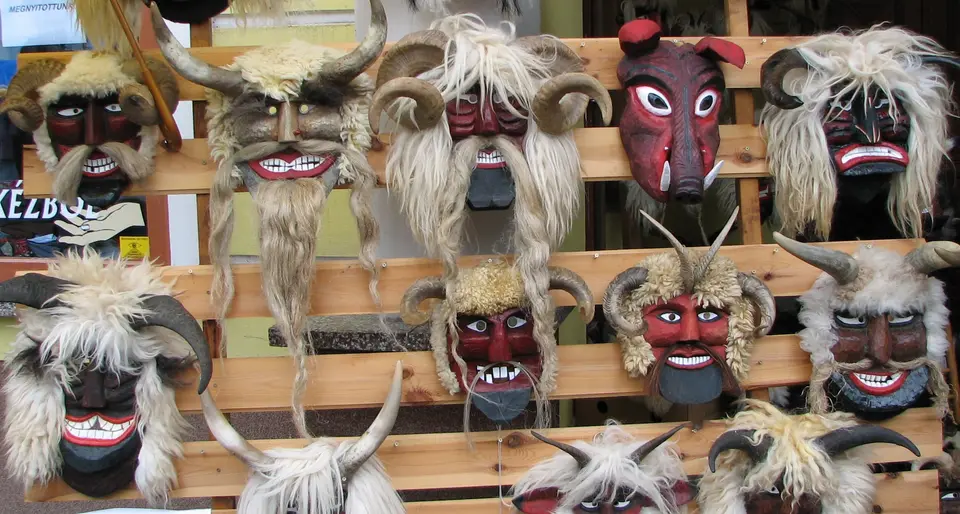
Busójárás
Auf der UNESCO-Liste des immateriellen Kulturerbes der Menschheit
Foto: User:Qji, CC BY-SA 3.0, über Wikimedia Commons
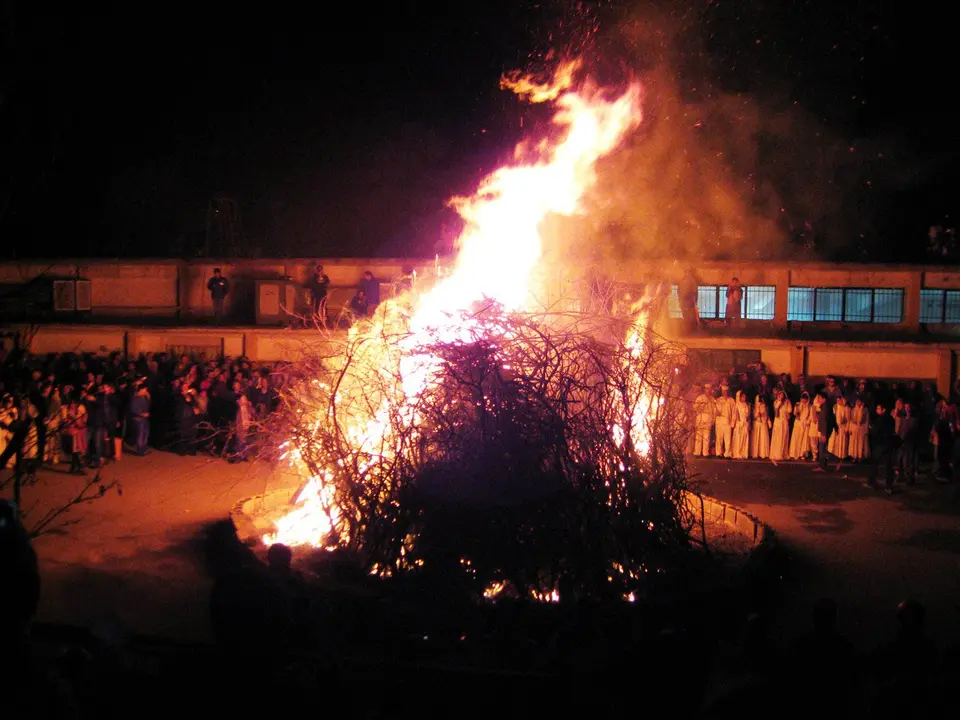
At the end of carnival, the Danube town of Mohács is overrun by busós — men in carved wooden masks and shaggy sheepskins who arrive by rowing boat, parade through the streets with noise and fire, and burn a coffin that stands for winter.
Masks against the Turks — or winter
The Busójárás, “busó-walking”, is the carnival of the Šokci, a Croatian community living in the town of Mohács in southern Hungary. The busós — traditionally men — wear frightening wooden masks and big woolly cloaks. UNESCO inscribed the festivities on its Representative List in 2009, noting that although the tradition began with the town’s Croatian minority, the busó has become an emblem of the whole city.
Locals tell two legends. In the more popular one, people who had fled Mohács during Ottoman rule were told by an old man to carve weapons and terrifying masks and wait for a masked knight; on a stormy night they returned to town making as much noise as they could, and the Turks, thinking demons were attacking, fled before sunrise. In the older story, the busós are chasing away not the Turks but winter itself.
Six days of carnival
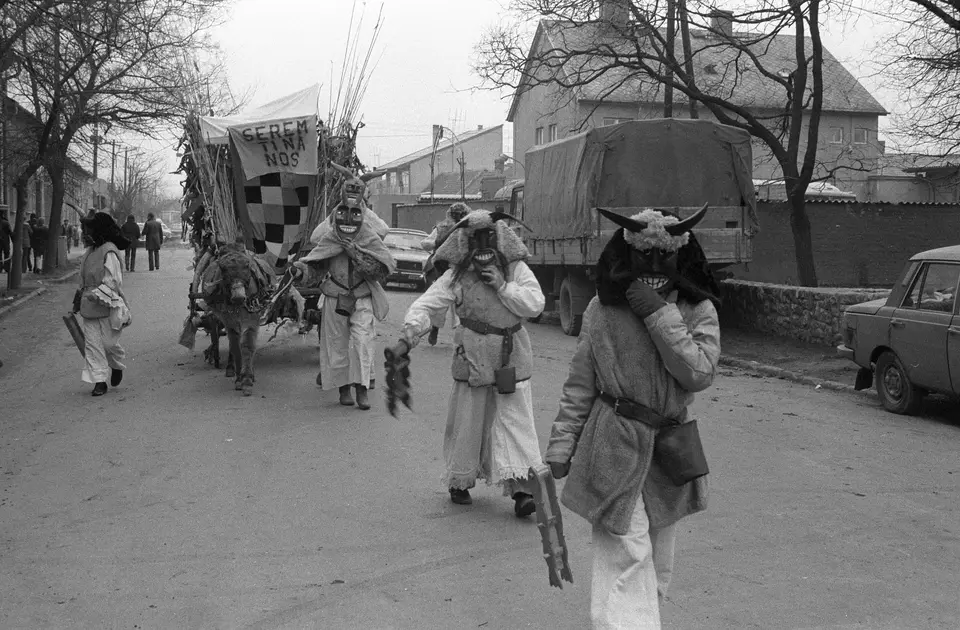
The festivities start on Thursday, followed by the Little Farsang on Friday and the great Farsang Sunday, and end on Shrove Tuesday with the burial of carnival. More than five hundred busós cross the Danube in rowing boats and march through the city beside horse-drawn and motorised fantasy vehicles; a coffin symbolising winter is burned on a bonfire in the main square. There is also a children’s costume contest, a display of mask carvers and other craftspeople, and music and feasting throughout the town, with guest busó groups from neighbouring countries.
Wann es stattfindet
The festivities last six days, from the Thursday before Ash Wednesday to Shrove Tuesday, in February or early March. The biggest celebration is Farsang Sunday; the season ends on Tuesday with the burial of carnival.
- 4.–9. Februar 2027Berechnet
- 24.–29. Februar 2028Berechnet
- 8.–13. Februar 2029Berechnet
- 28. Februar – 5. März 2030Berechnet
Respektvoll besuchen
Sicherheit
- Bag-snatching and pickpocketing are common in Hungarian cities, and crowds in Mohács are dense on the Sunday. Keep valuables secure.
Quellen
Dieser Eintrag beruht auf den folgenden Quellen.
- Busó festivities at Mohács: masked end-of-winter carnival customUNESCO Intangible Cultural Heritage · abgerufen am 17. September 2026
- BusójárásWikipedia · abgerufen am 17. September 2026
- Hungary travel advice: safety and securityUK Foreign, Commonwealth & Development Office · abgerufen am 17. September 2026
Verwandte Feste
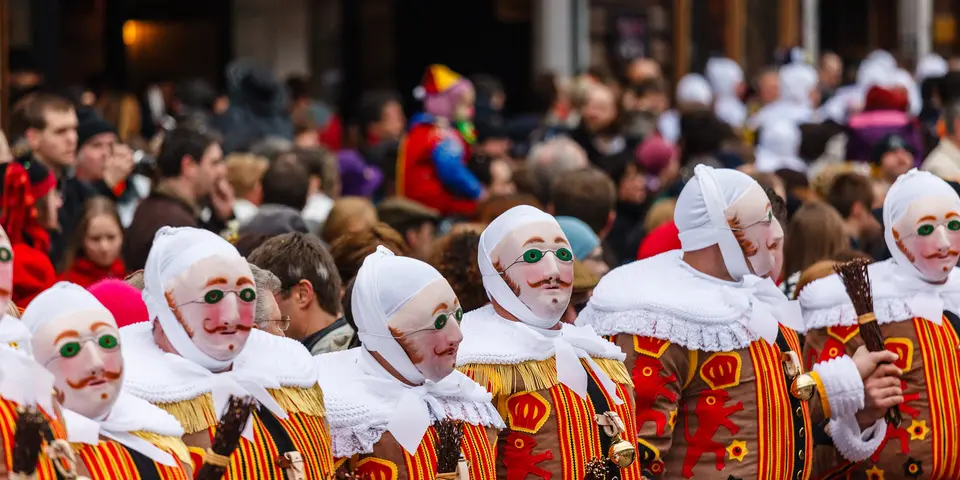
Carnival of Binche
Carnaval de Binche
For the three days before Lent, the small Walloon town of Binche belongs to its Gilles — up to a thousand men in wax masks and wooden clogs who dance from dawn to drive away evil spirits and, crowned with ostrich plumes, throw oranges to the crowd.
7.–9. Februar 2027Berechnet
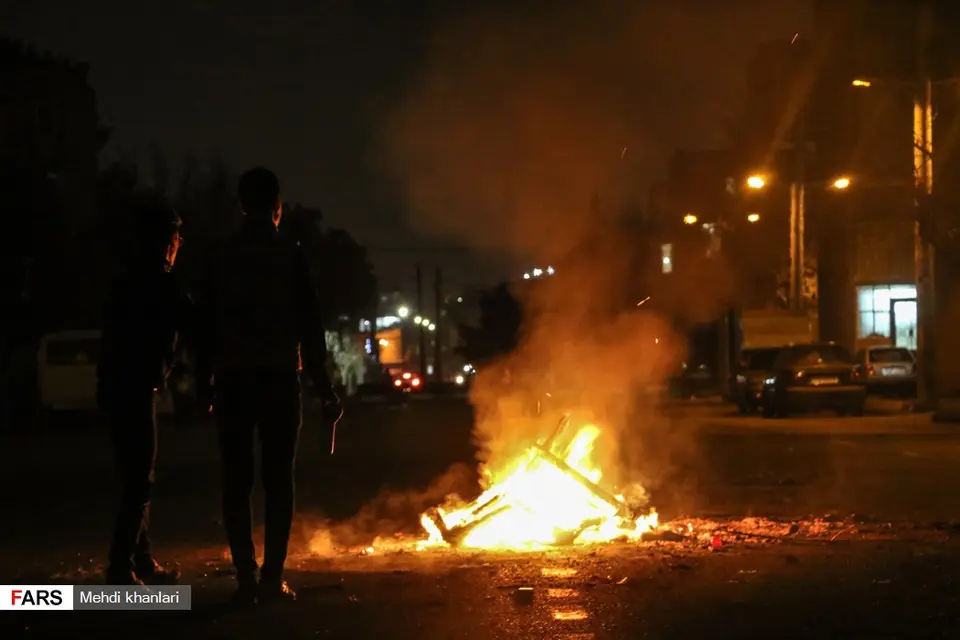
Chaharshanbe Suri
چهارشنبهسوری
On the eve of the last Wednesday of the Iranian year, bonfires are lit in yards, streets and on rooftops, and people leap over the flames, asking the fire to take away their pallor and give them its red glow for the year ahead.
16. März 2027Berechnet
Jashn-e Sadeh
جشن سده
In the depth of winter, fifty days before spring, a great bonfire is lit at sunset. People gather around it to sing, dance and pray, offer blessings and fruit, and celebrate the passing of the coldest days.
30. Januar 2027Berechnet