Diese Seite ist noch nicht ins Deutsche übersetzt; der englische Originaltext wird angezeigt.
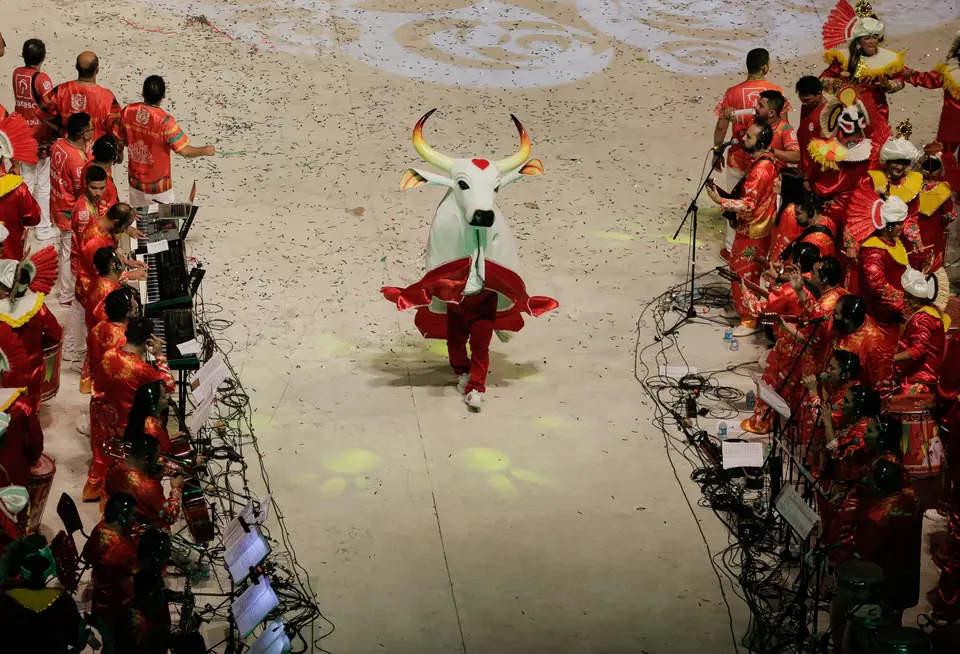
Parintins Folklore Festival
Festival Folclórico de Parintins
Foto: Ministério da Cultura, CC BY 2.0, über Wikimedia Commons
In a town in the Brazilian Amazon, two rival ox associations — blue Caprichoso and red Garantido — turn the story of the bumba-meu-boi into three nights of arena spectacle, with giant sets, drums, Amazonian legends and a whole town divided by colour.
Blue against red
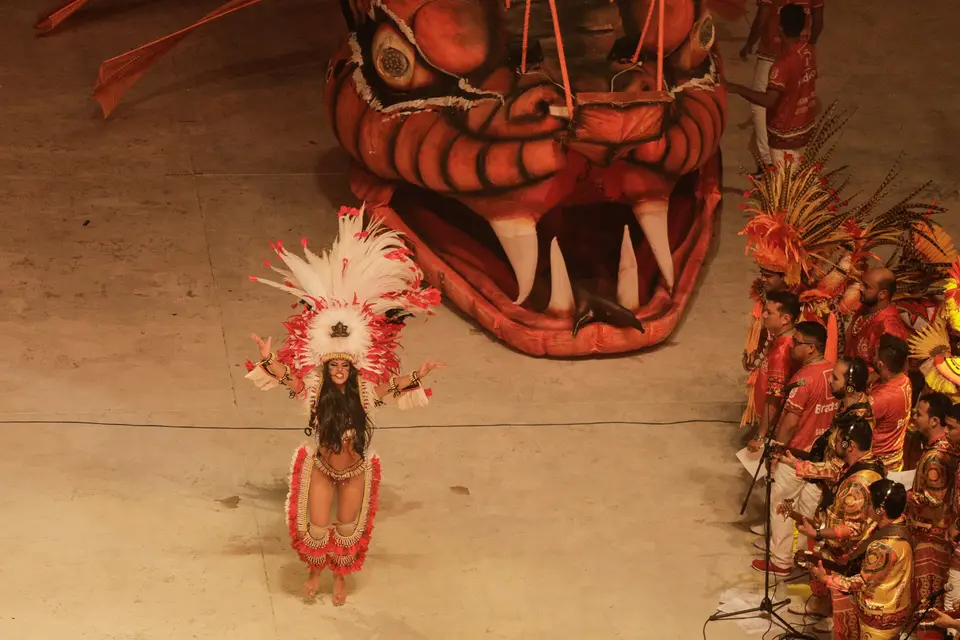
The Festival Folclórico de Parintins centres on a contest between two boi-bumbá associations: Boi Caprichoso, whose colours are blue and white, and Boi Garantido, red and white. Each takes the bumba-meu-boi story of the death and resurrection of an ox and turns it into a themed production of toadas (songs), percussion, dance, theatre, costumes and scenery, drawing on Amazonian legends and references to Indigenous cultures. They perform in the Parintins Cultural Centre, known as the Bumbódromo, and are judged on individual and collective items under the festival’s rules.
The rivalry reaches into everyday life. During the festival, shops and even national brands adapt their colours to the two sides — blue for Caprichoso, red for Garantido — and Coca-Cola’s branding appears in blue in parts of town associated with Caprichoso.
From a church fundraiser to a national spectacle
Ox groups had performed forms of bumba-meu-boi in Parintins since the early twentieth century. The first festival was held in 1965, organised by young Catholics to raise money for the cathedral of Our Lady of Mount Carmel, the town’s patron saint; Garantido and Caprichoso joined in 1966. Their first head-to-head contest came on 24 June 1967, decided by applause, and in 1970 a judging panel was introduced. The festival became known across Brazil in the 1990s, helped by the 1996 hit Tic, Tic Tac, and the boi-bumbá cultural complex of the Middle Amazon and Parintins was recognised as Brazilian cultural heritage in 2018.
Wann es stattfindet
The festival is usually held over three nights on the last weekend of June, from Friday to Sunday. The exact dates are set each year by the organisers; confirm them before booking travel to Parintins.
- 25.–27. Juni 2027Geschätzt
- 30. Juni – 2. Juli 2028Geschätzt
- 29. Juni – 1. Juli 2029Geschätzt
- 28.–30. Juni 2030Geschätzt
Quellen
Dieser Eintrag beruht auf den folgenden Quellen.
- Parintins Folklore FestivalWikipedia · abgerufen am 17. September 2026
- Bumba Meu BoiWikipedia · abgerufen am 17. September 2026
Verwandte Feste
Bumba-meu-boi of Maranhão
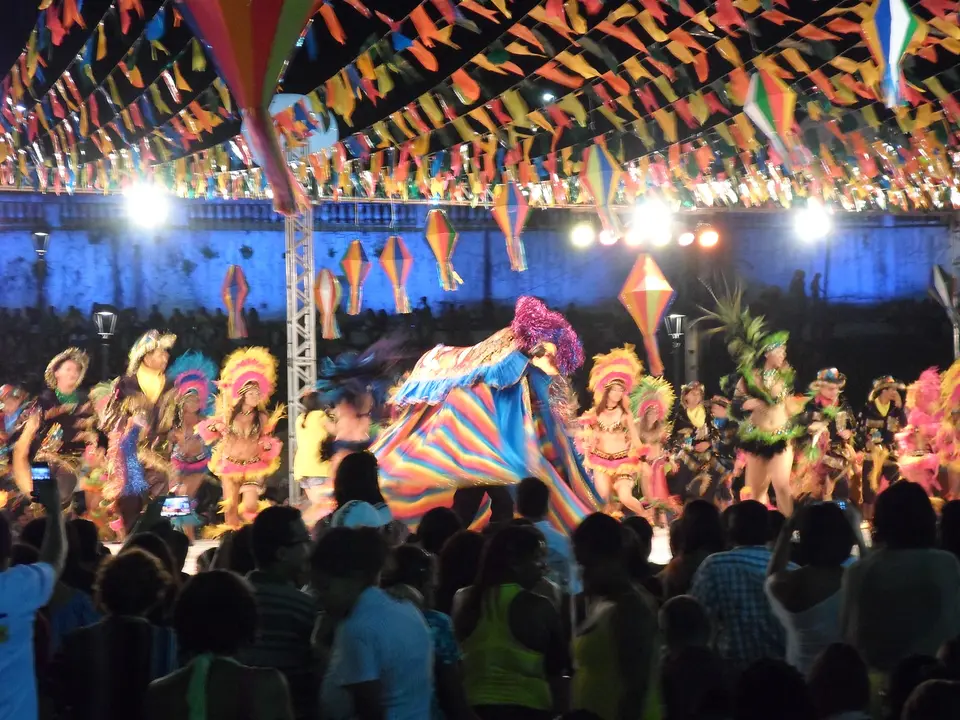
Bumba-meu-boi
Through June the arraiais of São Luís fill with embroidered oxen, drums and wooden clappers as almost a hundred bumba-meu-boi groups act out, in song and dance, the death and resurrection of an ox — a folk play born among the poor of colonial Brazil.
13.–30. Juni 2027Berechnet
Rio Carnival
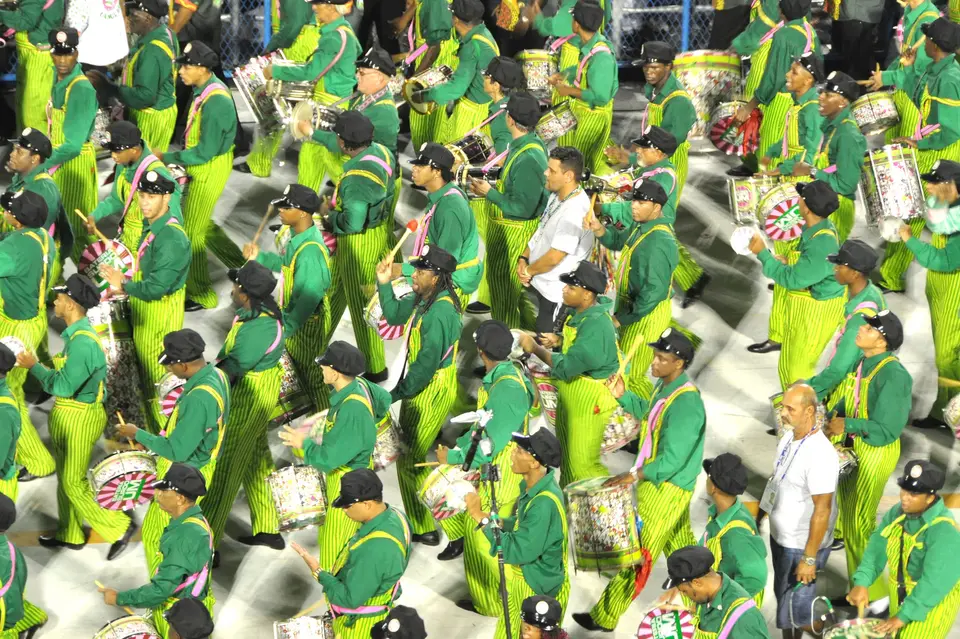
Carnaval do Rio de Janeiro
In the days before Lent, Rio de Janeiro holds what is considered the world’s largest carnival — two million people a day on the streets, and a contest of samba schools that parade through the Sambadrome with floats, drummers and thousands of dancers.
5.–9. Februar 2027Berechnet
Guelaguetza
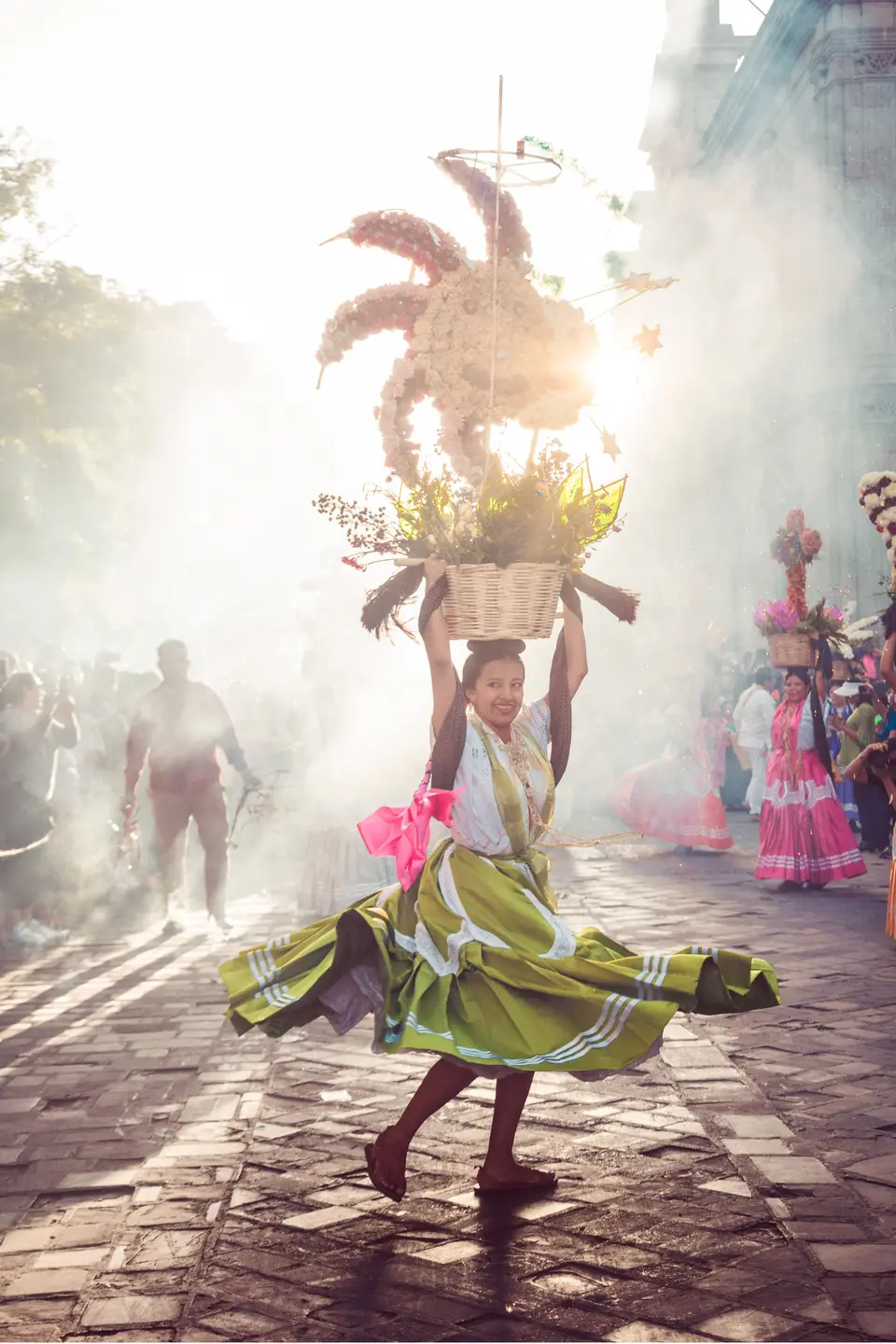
On two Mondays each July, delegations from the eight regions of Oaxaca climb the Cerro del Fortín to present their dances, music and costumes — the best-known indigenous gathering of its kind in Mexico, with a month of food, mezcal and craft fairs around it.
19. Juli 2027Geschätzt