Esta página aún no está traducida al español; se muestra el texto original en inglés.
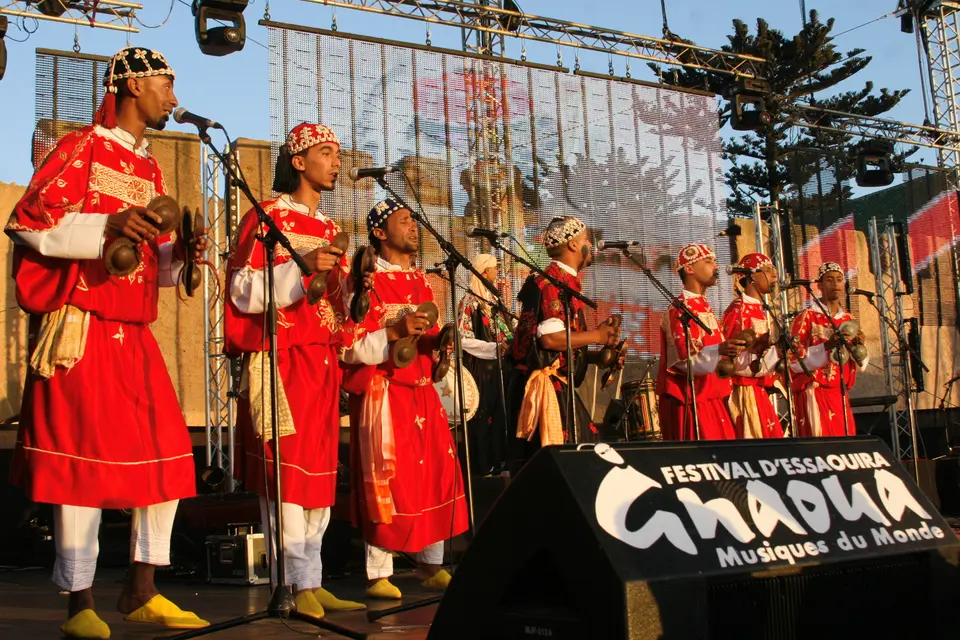
Gnaoua and World Music Festival
Festival Gnaoua et Musiques du Monde
En la Lista del Patrimonio Cultural Inmaterial de la Humanidad de la UNESCO
Foto: Magharebia, CC BY 2.0, vía Wikimedia Commons
Every June the Atlantic port of Essaouira fills with the rhythms of Gnawa — the trance music of a Sufi brotherhood — as master Gnaoua musicians share stages with artists from around the world.
The music of the Gnawa
Gnawa is a set of musical events, performances, fraternal practices and healing rituals that mix the sacred and the secular. It is above all the music of a Sufi brotherhood, with lyrics of mostly religious content that invoke ancestors and spirits. The practice goes back at least to the sixteenth century, to people brought to Morocco through slavery and the slave trade, and is today recognised as part of Morocco’s many-sided culture and identity.
In the cities, Gnawa groups hold all-night rituals of rhythm and trance that combine ancestral African practices, Arab-Muslim influences and Amazigh performance. In the countryside they offer communal meals to marabout saints. Urban musicians play a stringed instrument and castanets in colourful embroidered costumes; rural groups use large drums and castanets and dress in white. Gnawa was inscribed on UNESCO’s Representative List in 2019.
A festival on the Atlantic
The Gnaoua and World Music Festival brings this tradition to the stages of Essaouira, a port city founded in the eighteenth century at the crossing of trade, spiritual and human routes. Its maâlems, master Gnaoua musicians, perform alongside artists from across Africa and the world, and the festival is known for fusions in which the languages of different musics meet.
Around the concerts, the festival holds a human rights forum and, with Berklee College of Music, a programme that brings together young musicians from Morocco, Africa and beyond. In 2026 it reached its 27th edition.
Cuándo se celebra
The festival is held over three days in June. The 28th edition runs from 24 to 26 June 2027; the 27th was held from 25 to 27 June 2026.
- 24–26 de junio de 2027Anunciada oficialmente
Visitar con respeto
Conviene saber
- Gnawa is a spiritual and healing practice as well as music. Some performances have a sacred character; follow the lead of the musicians and the local audience.
- Ask before photographing people outside the concert stages.
- Essaouira fills up during the festival. Book accommodation early.
Fuentes
Esta entrada se escribió a partir de las siguientes fuentes.
- Festival Gnaoua et Musiques du Monde d’EssaouiraFestival Gnaoua (official website) · consultado el 16 de septiembre de 2026
- Édito 2026Festival Gnaoua (official website) · consultado el 16 de septiembre de 2026
- GnawaUNESCO Intangible Cultural Heritage · consultado el 16 de septiembre de 2026
Fiestas relacionadas
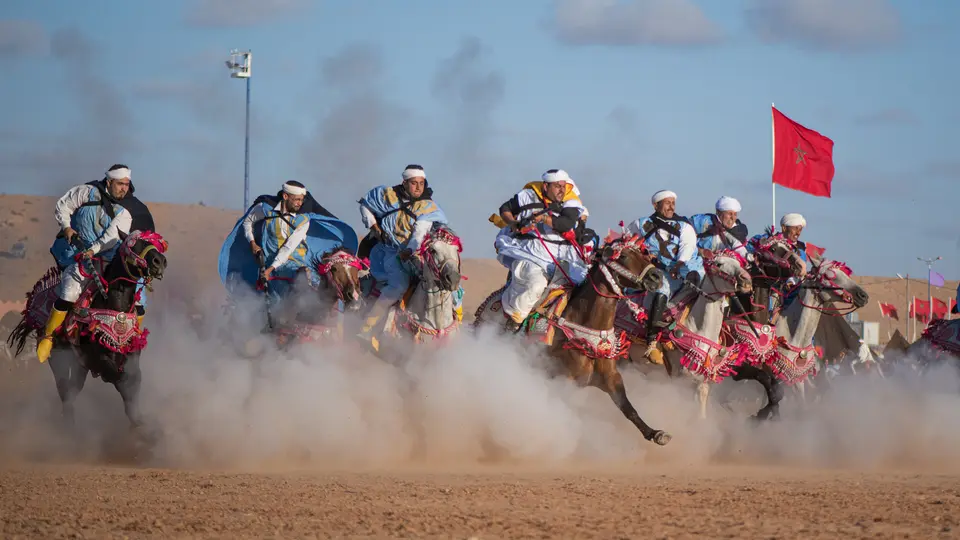
Moussem of Tan-Tan
موسم طانطان
At the edge of the Sahara, nomadic peoples from more than thirty tribes gather for a great annual fair of camels and horses, tents and trade, Hassani poetry and song — revived after a quarter of a century in which it could not be held.
3–7 de octubre de 2026Anunciada oficialmente
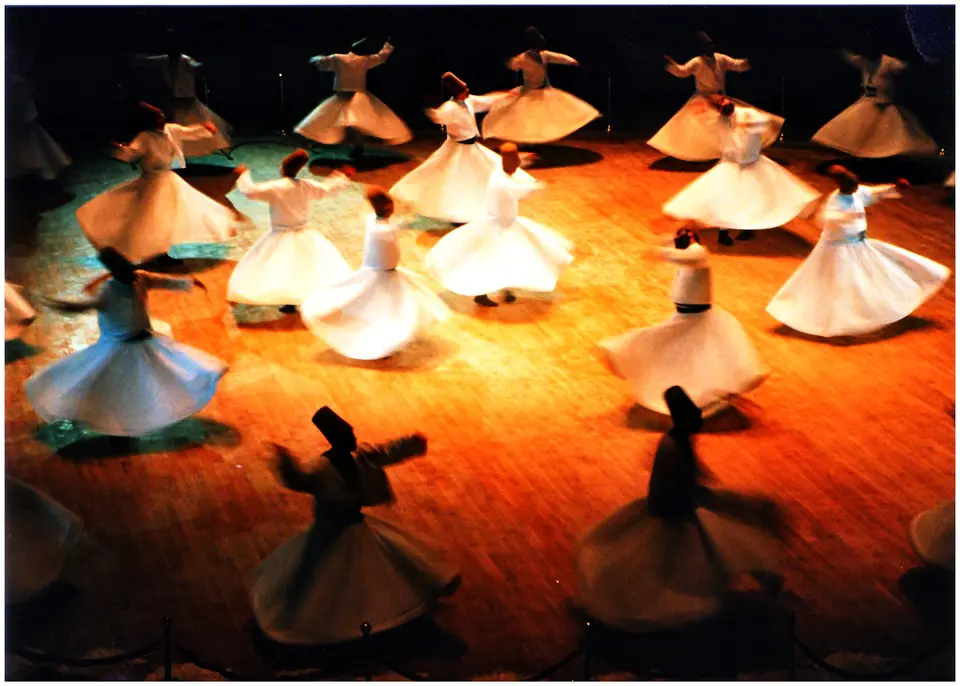
Şeb-i Arus
Şeb-i Arûs
Every December, Konya remembers the death of Mevlana Jalaluddin Rumi, which he himself called his wedding night. For eleven days the city holds sema ceremonies of the whirling Mevlevi, concerts, poetry and exhibitions, ending on the night of 17 December.
7–17 de diciembre de 2026Calculada