Halaman ini belum diterjemahkan ke bahasa Indonesia; teks asli bahasa Inggris ditampilkan.
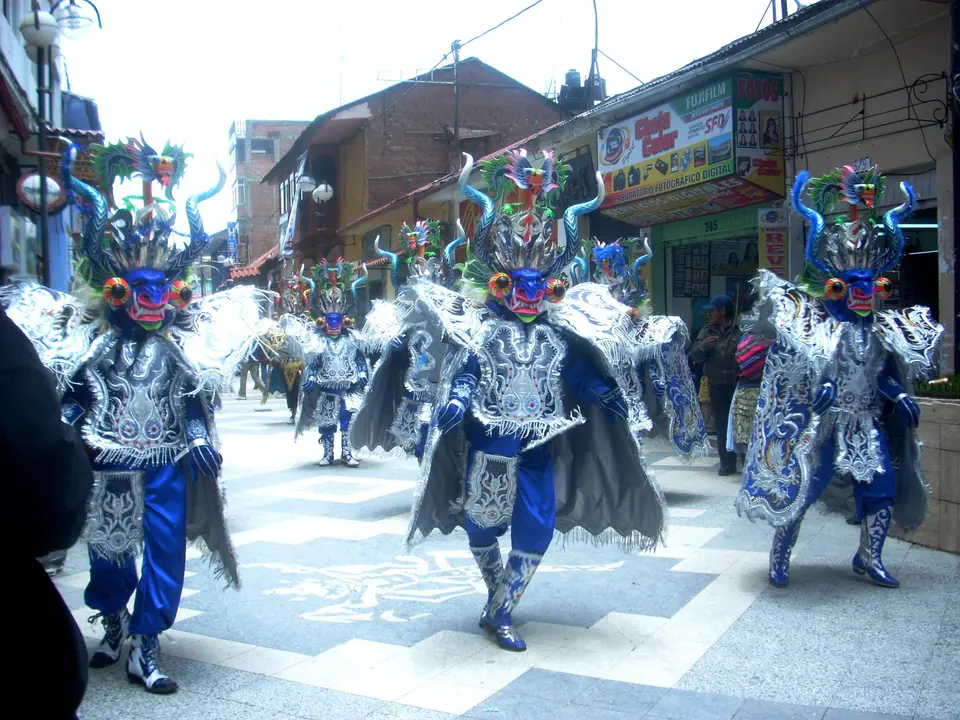
Festival of the Virgen de la Candelaria
Festividad de la Virgen de la Candelaria
Tercantum dalam Daftar Warisan Budaya Takbenda Kemanusiaan UNESCO
Foto: De los Ordoño, Ortega, Mendoza, Cahuana, Gomez, Holguin de PLATERIA, CC0, melalui Wikimedia Commons
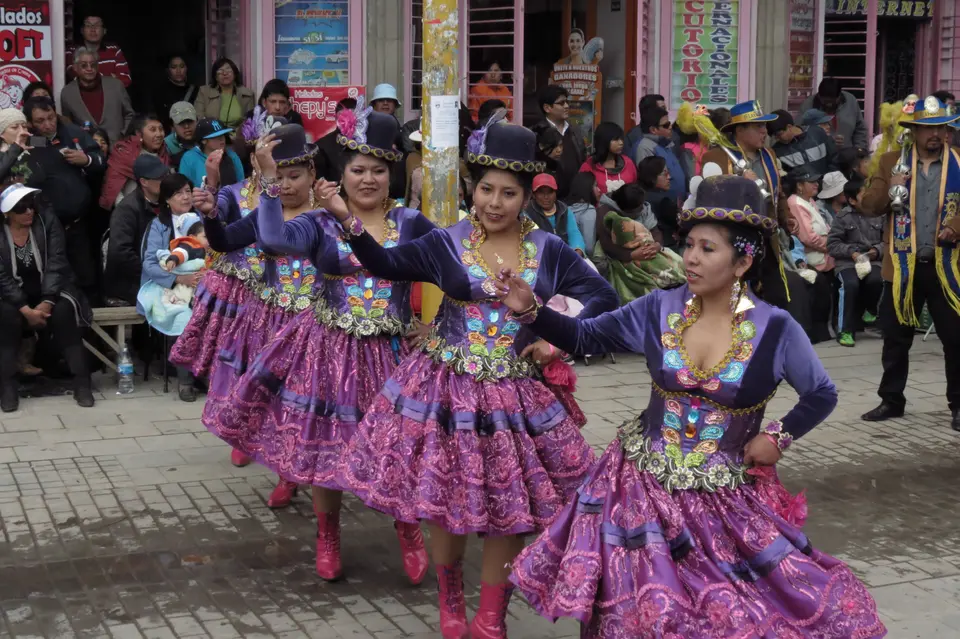
Each February, Puno on the shore of Lake Titicaca honours its patron saint with Peru’s largest festival of music and dance — about a hundred thousand dancers and ten thousand musicians, most of them Quechua and Aymara, and weeks of masses, processions and contests.
A patron saint and her city
The Virgen de la Candelaria is the patron saint of Puno. Her feast combines Catholic traditions with symbols of the Andean worldview, and its main practitioners are the rural and urban Quechua and Aymara people of the region. Many emigrants from Puno return each year to take part. UNESCO inscribed the festival on its Representative List in 2014.
Local tradition links the devotion to 1781, when Puno was besieged during the rebellion that followed Túpac Amaru II. On the night of the last attack, the townspeople carried the image of the Virgin in procession, and the besiegers withdrew — an event remembered in Puno as a miracle.
Masses, a procession and two contests
The festival opens at the beginning of February with a mass at daybreak, followed by an ancient purification ceremony. The next morning, after the liturgy, the image of the Virgin is carried through the streets in procession, accompanied by music and dancing. The celebration moves through many stages — rehearsals, novenas, the albas at dawn, the entrances of candles and of k’apos, the eve, the feast itself, the octava and a farewell called the cacharpari.
The heart of the festival is two contests. More than 180 groups take part, among them traditional dances from the rural communities of Puno and the danzas con trajes de luces, dances “in costumes of light”, organised by the city’s neighbourhoods. Around them work some thirty-five thousand more people: sponsors, embroiderers, and craftspeople who make the masks, boots, shoes and bells.
Three regional federations organise the festival together. Dance, music and mask-making are passed on to younger generations in rehearsals and workshops. The festival closes with a ceremony for the Virgin, a parade and farewell masses.
Kapan berlangsung
The festival fills the first half of February. The feast day of the Virgin is 2 February, and the dance contests and parades follow over the next two weeks; their exact dates are announced each year.
- 1–15 Februari 2027Perkiraan
- 1–15 Februari 2028Perkiraan
- 1–15 Februari 2029Perkiraan
- 1–15 Februari 2030Perkiraan
Berkunjung dengan hormat
Tetap aman
- Puno is at very high altitude, and altitude sickness is a serious risk. Take the first days slowly.
- Petty crime such as pickpocketing and bag-snatching is common in Peru. Keep valuables close in crowds.
Sumber
Entri ini ditulis berdasarkan sumber-sumber berikut.
- Festivity of Virgen de la Candelaria of PunoUNESCO Intangible Cultural Heritage · diakses 16 September 2026
- Fiesta de la Candelaria (Puno)Wikipedia (Spanish) · diakses 16 September 2026
- PunoWikipedia · diakses 16 September 2026
- Peru travel advice: healthUK Foreign, Commonwealth & Development Office · diakses 16 September 2026
Festival terkait
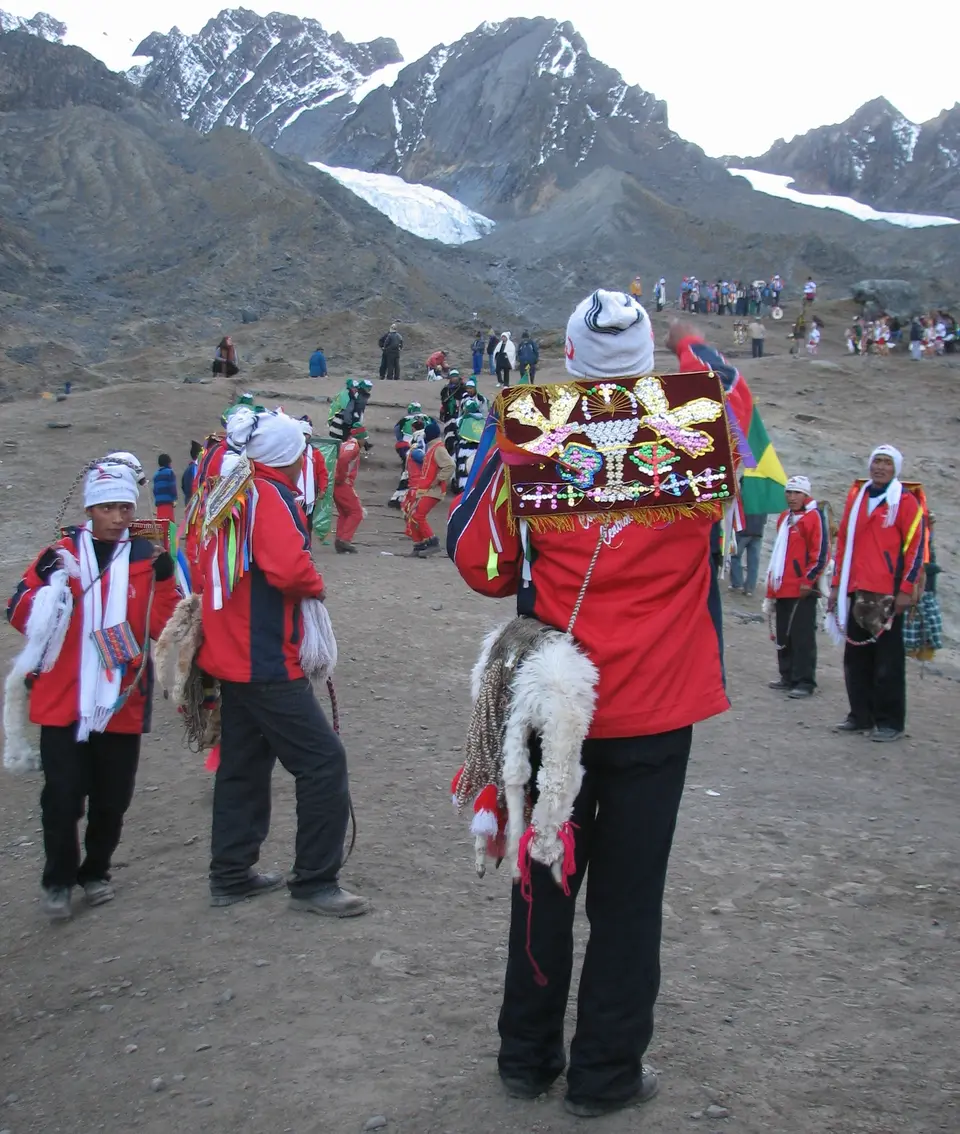
Qoyllur Rit'i
Quyllurit'i
In a high valley below the glaciers of the Cusco region, tens of thousands of pilgrims gather each year for the Lord of Qoyllur Rit'i — a feast that joins Catholic devotion to older Andean beliefs about nature and the stars, with a hundred dances and a day-and-night procession to greet the sunrise.
25 Mei 2027Perkiraan
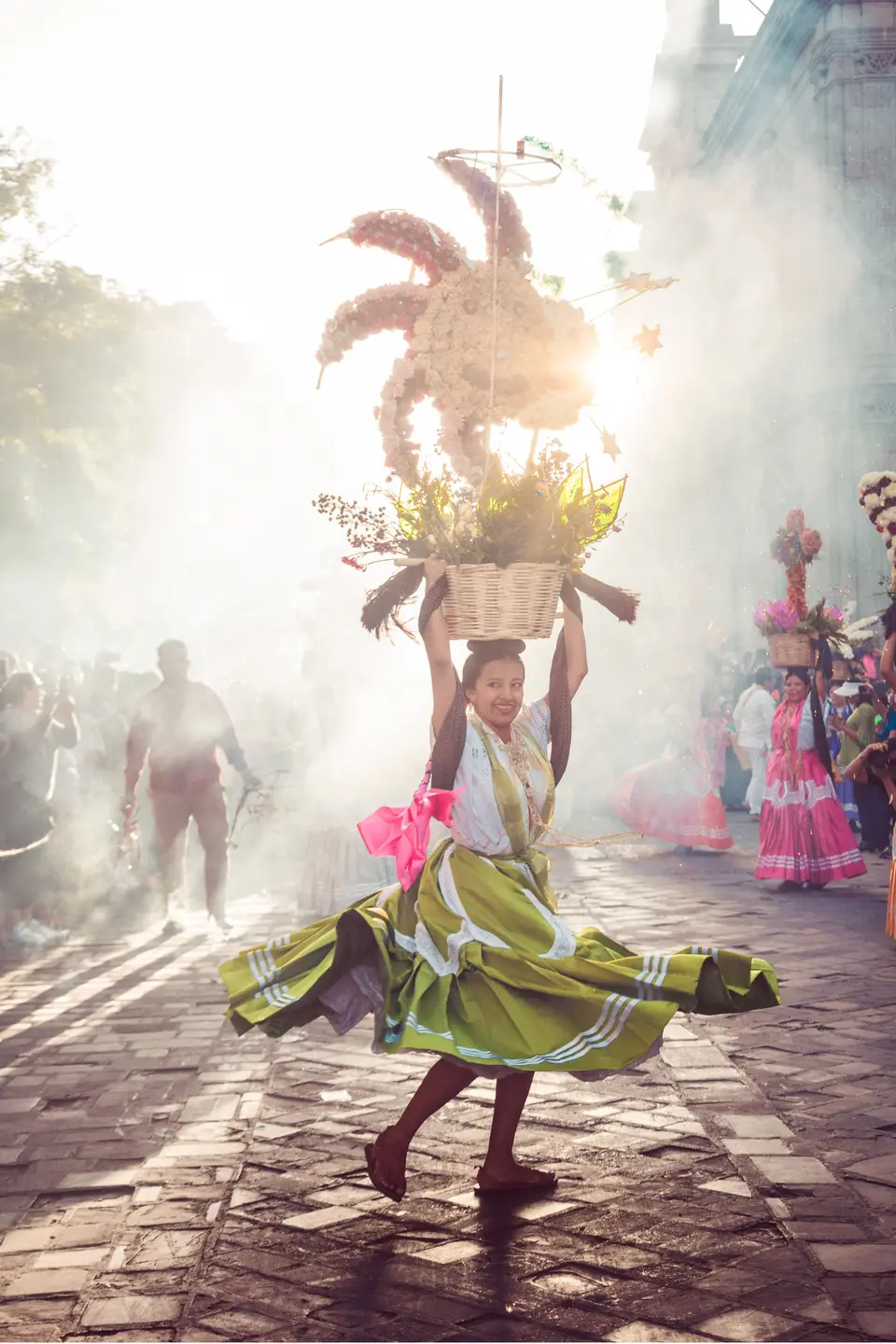
Guelaguetza
On two Mondays each July, delegations from the eight regions of Oaxaca climb the Cerro del Fortín to present their dances, music and costumes — the best-known indigenous gathering of its kind in Mexico, with a month of food, mezcal and craft fairs around it.
19 Juli 2027Perkiraan
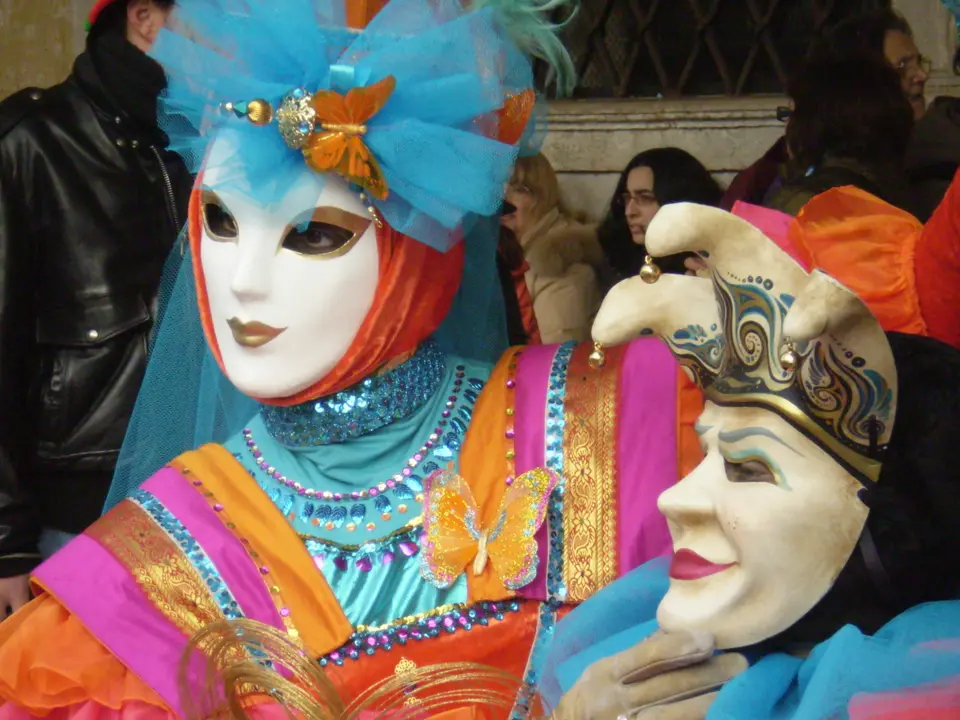
Carnival of Venice
Carnevale di Venezia
For two and a half weeks before Lent, Venice returns to the masks and costumes that made its carnival famous across Europe — banned for almost two centuries, revived in 1979, and now drawing millions of visitors to the city’s squares and canals.
23 Januari – 9 Februari 2027Diumumkan resmi