このページはまだ日本語に翻訳されていません。英語の原文を表示しています。
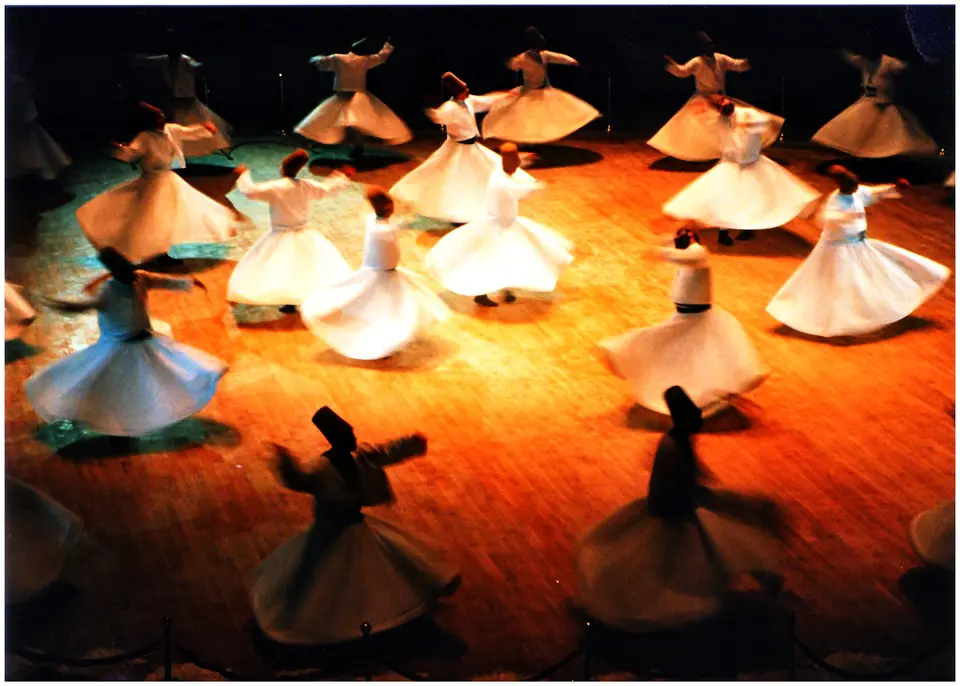
Every December, Konya remembers the death of Mevlana Jalaluddin Rumi, which he himself called his wedding night. For eleven days the city holds sema ceremonies of the whirling Mevlevi, concerts, poetry and exhibitions, ending on the night of 17 December.
A wedding night
Mevlana Jalaluddin Rumi, the Sufi poet whose words are still read around the world, was born in Balkh — in present-day Afghanistan — on 30 September 1207, and died in Konya on 17 December 1273. Because he saw death as the moment of reunion with God, the beloved, he called that night Şeb-i Arus, the “wedding night”.
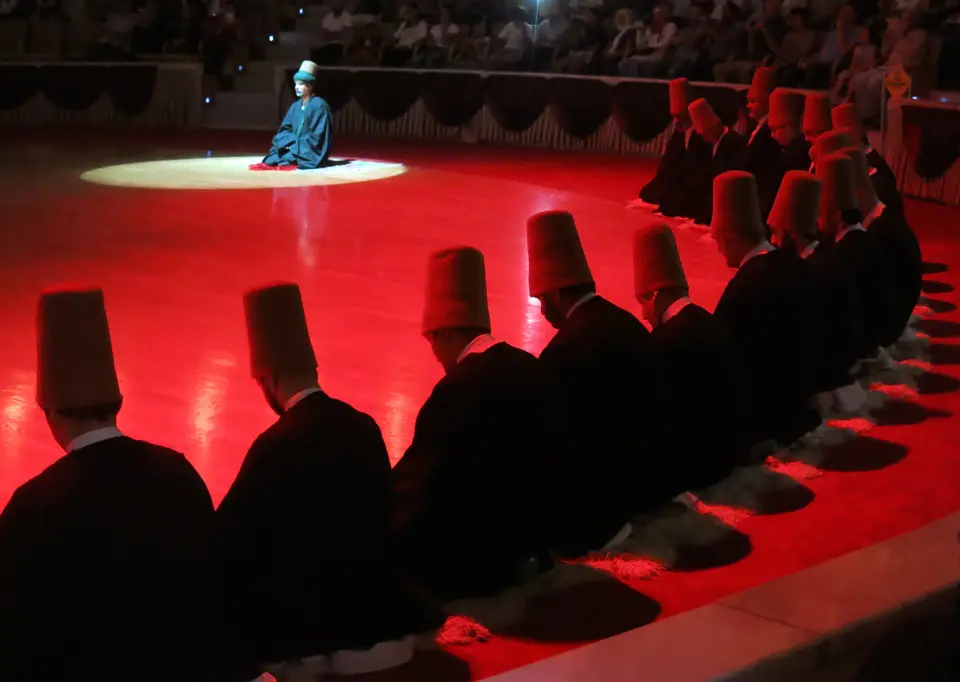
Konya has held commemoration ceremonies every year from 7 to 17 December since 1937. Sema ceremonies, exhibitions, plays, poetry recitals, panels and conferences fill the eleven days, which close on 17 December with the Şeb-i Arus ceremony itself.
The sema
The Mevlevi order was founded in Konya in 1273 and spread across the Ottoman world. Its members are known for their whirling. In the sema ceremony, the semazen turn on the left foot in short twists, driving the body around with the right, their eyes open but unfocused so that the world blurs and flows. The music, called ayin, is played by at least a singer, a ney flute player, a kettledrummer and a cymbal player.
In the past, dervishes trained for 1,001 days in seclusion in a mevlevihane, learning ethics, conduct and belief through prayer, religious music, poetry and dance, before returning to their families and work as members of the order.
Closed, and reopened
All mevlevihane in Türkiye were closed in 1925. Public performances were allowed again in the 1950s, and restrictions were eased in the 1990s. UNESCO notes that many sema ceremonies today are staged for tourist audiences in shortened form, while some groups are working to restore the ceremony’s original spiritual character. The Mevlevi Sema ceremony is inscribed on UNESCO’s Representative List of the Intangible Cultural Heritage of Humanity.
開催時期
The commemoration ceremonies are held in Konya every year from 7 to 17 December, ending with the Şeb-i Arus ceremony on the night of 17 December, the anniversary of Rumi’s death.
- 2026/12/07~2026/12/17算出
- 2027/12/07~2027/12/17算出
- 2028/12/07~2028/12/17算出
- 2029/12/07~2029/12/17算出
敬意をもって訪れる
知っておきたいこと
- The sema is a spiritual ceremony, not a show. Watch quietly and follow the venue’s instructions on photography.
- Dress modestly when visiting the Mevlana Museum, mosques or other religious sites in Konya.
- Ask before photographing people outside the ceremonies.
避けること
- Do not photograph military or official installations.
出典
この項目は次の資料をもとに書かれています。
- Bir Konya Markası: Şeb-i ArûsGovernorship of Konya · 2026年9月16日 閲覧
- 7-17 Aralık Şeb-i Arus Törenleri, Etkinliklerle BaşladıGovernorship of Konya · 2026年9月16日 閲覧
- Mevlevi Sema ceremonyUNESCO Intangible Cultural Heritage · 2026年9月16日 閲覧
- Turkey travel advice: safety and securityUK Foreign, Commonwealth & Development Office · 2026年9月16日 閲覧
関連する祭り
Mesir Macunu Festival
Mesir Macunu Festivali
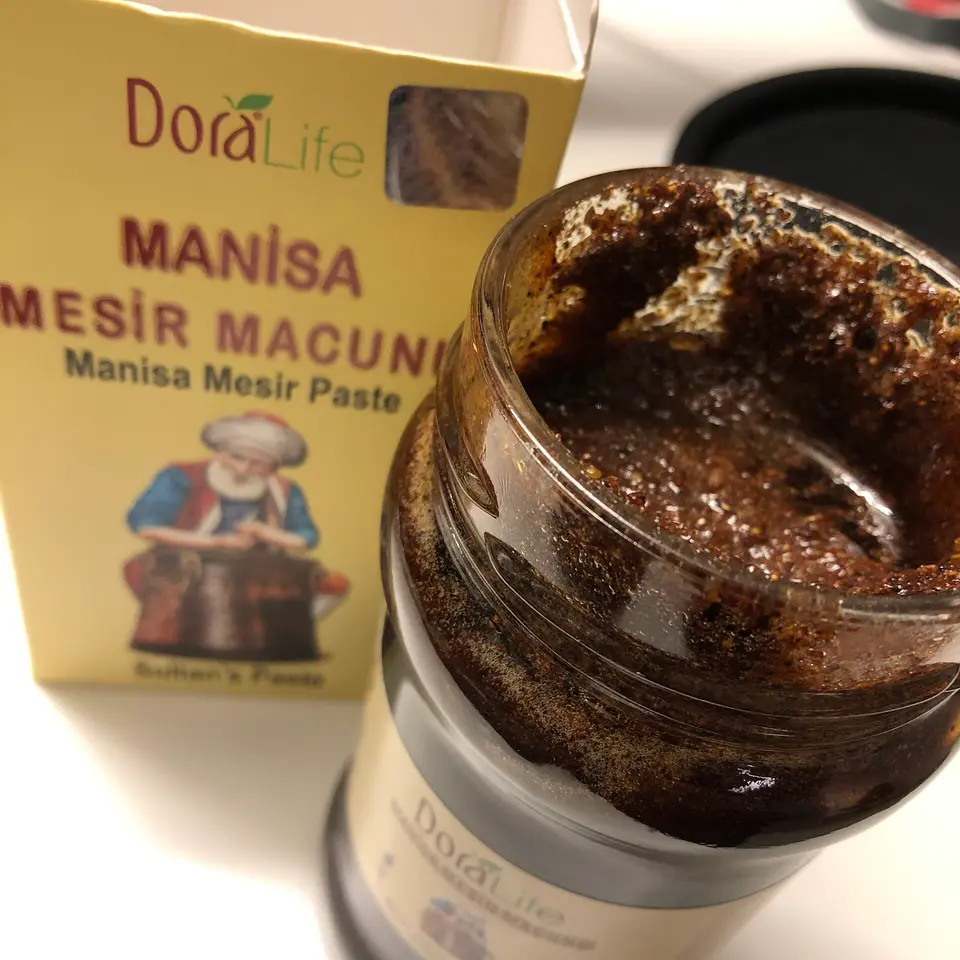
Each March in Manisa, a healing paste of forty-one spices and herbs is wrapped in thousands of small papers and thrown from the minaret and domes of the Sultan Mosque, while crowds below compete to catch a piece — a custom kept for some four hundred years.
2027/03/21~2027/03/24算出
Shab-e Yalda
شب یلدا
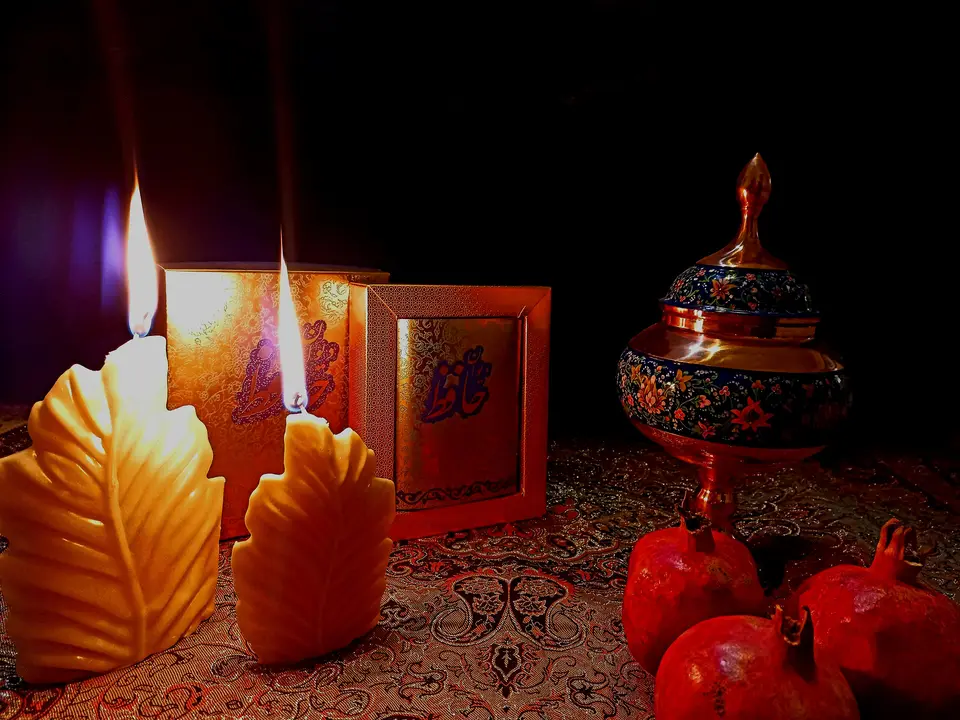
On the longest night of the year, families gather at the homes of their elders to stay up late around a table of pomegranates, watermelon, nuts and dried fruit, reading Hafez and telling stories until well after midnight.
2026年12月21日算出