Esta página ainda não foi traduzida para português; mostra-se o texto original em inglês.
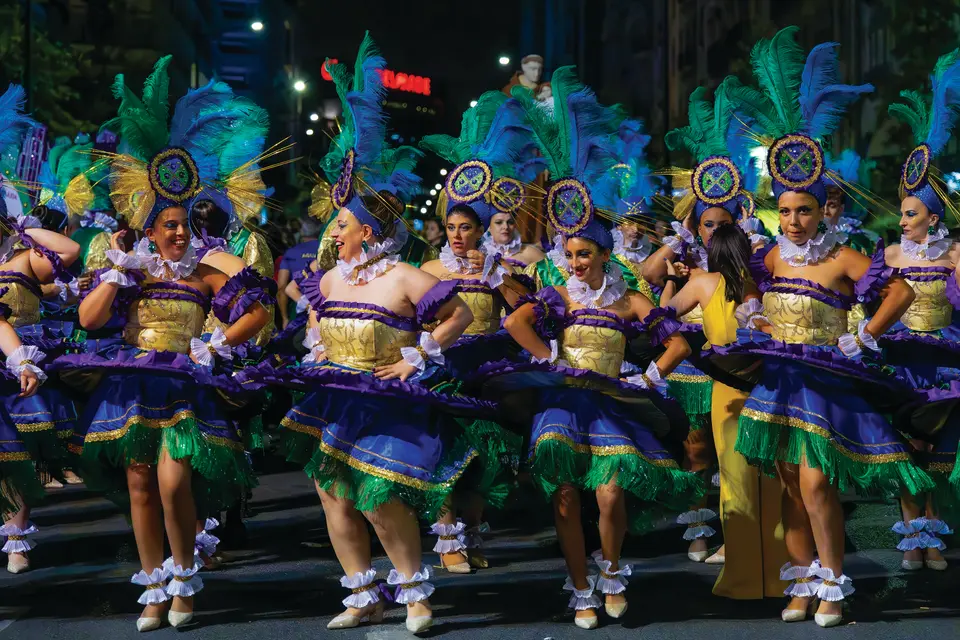
On the night of 12 June, Lisbon’s neighbourhoods parade down the Avenida da Liberdade in the Marchas Populares, while the old quarters, hung with garlands and coloured globes, fill with the smell of grilled sardines and sweet basil for Santo António.
The city’s saint
Santo António is Lisbon’s patron saint and is believed to help bring about marriages. In June, and especially on the night before his feast day, the city’s streets are decorated with coloured globes and garlands and invaded, in the words of Portugal’s tourism board, by the smell of roasted sardines and sweet basil, accompanied by paper carnations. The oldest neighbourhoods — Castelo, Mouraria, Graça, Alfama, Ajuda and Bairro Alto — celebrate with music and dancing to popular songs.
The Marchas Populares
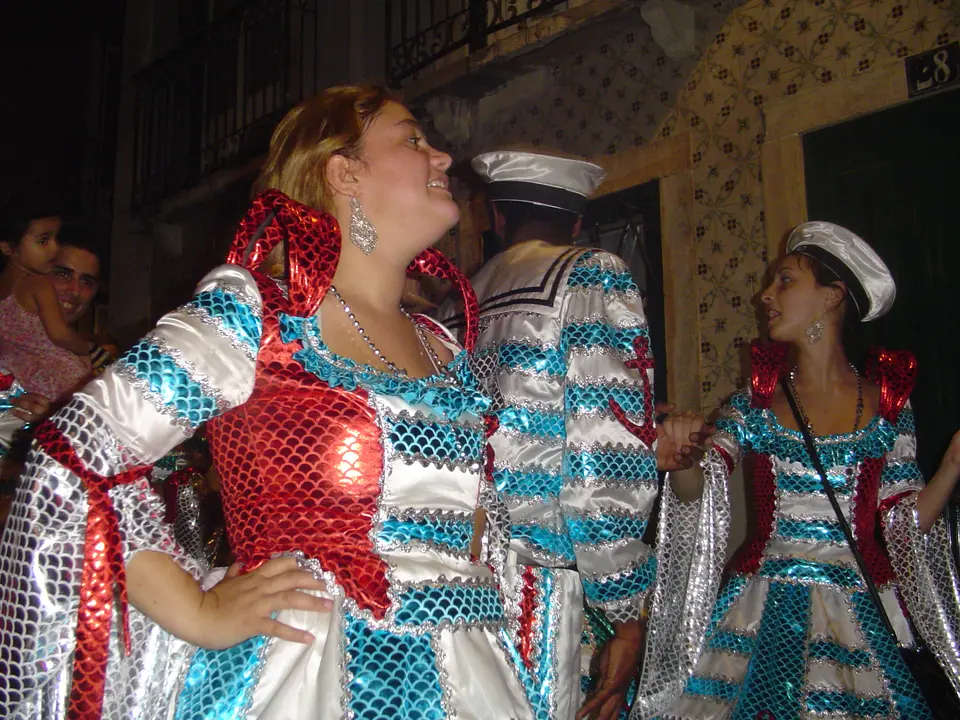
The highlight is the parade of the Marchas Populares, in which each neighbourhood sends a marching group in costume, with its own songs and choreography, to compete for the title of best in the city. Marches were held in Lisbon’s neighbourhoods as early as the eighteenth century, but the first competition was organised in 1932, when three marches paraded on the Avenida da Liberdade on the night of 12 June in front of an audience of 300,000. The city council took over their organisation in 1934, making them part of the Festas de Lisboa, and since 1958 the marches have been joined by the Santo António weddings. Today around twenty neighbourhoods take part, judged on their sets, choreography, costumes, lyrics and music.
Quando acontece
The festivities peak on the evening of 12 June with the parade of the popular marches along Avenida da Liberdade. On 13 June, the feast of Santo António, a procession in his honour winds through the streets around the cathedral. Events continue through June and into the summer.
- 12 – 13 de junho de 2027Calculada
- 12 – 13 de junho de 2028Calculada
- 12 – 13 de junho de 2029Calculada
- 12 – 13 de junho de 2030Calculada
Visitar com respeito
Segurança
- Street crime is a risk in crowds and on public transport. Look after your passport, money and belongings, and be wary of distraction techniques.
Comida e bebida
Grilled sardines
The smell of sardines roasting on grills fills the streets of the old neighbourhoods during the festivities.
Fontes
Esta entrada foi escrita a partir das fontes seguintes.
- Festas de LisboaTurismo de Portugal (Visit Portugal) · consultado em 17 de setembro de 2026
- Marchas Populares de LisboaWikipedia (Portuguese) · consultado em 17 de setembro de 2026
- Portugal travel advice: safety and securityUK Foreign, Commonwealth & Development Office · consultado em 17 de setembro de 2026
Festas relacionadas
Festa de São João do Porto
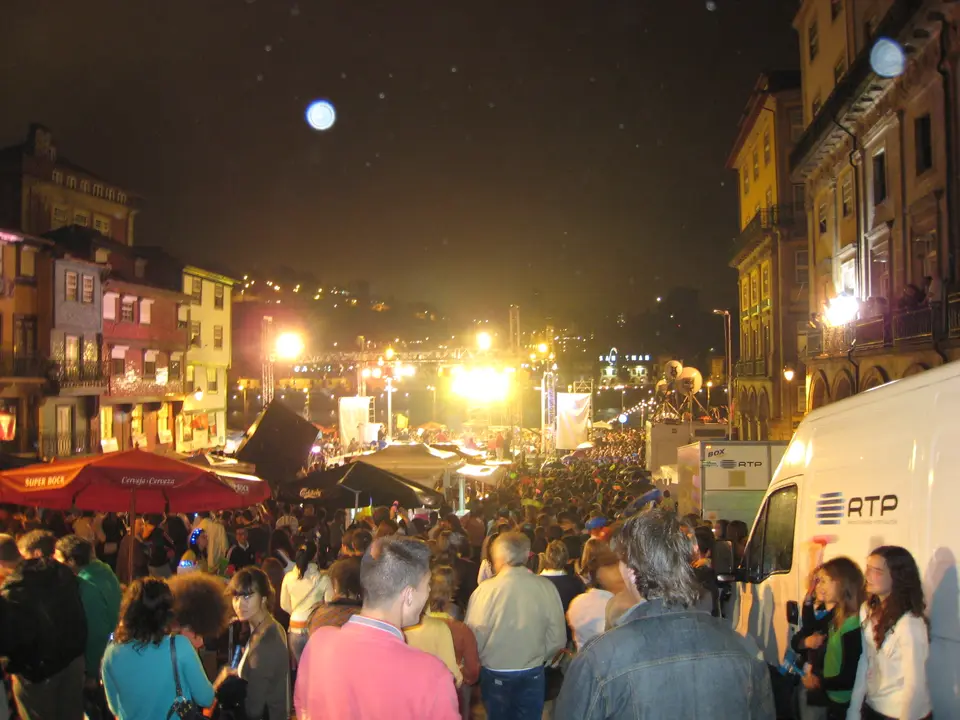
On the night of 23 June, Porto pours into its streets for its most beloved saint — dancing, grilled sardines, bonfires and a playful tap on the head with a plastic hammer — until fireworks light the sky at midnight and revellers walk to the sea to wait for sunrise.
23 – 24 de junho de 2027Calculada
Midsummer
Midsommar
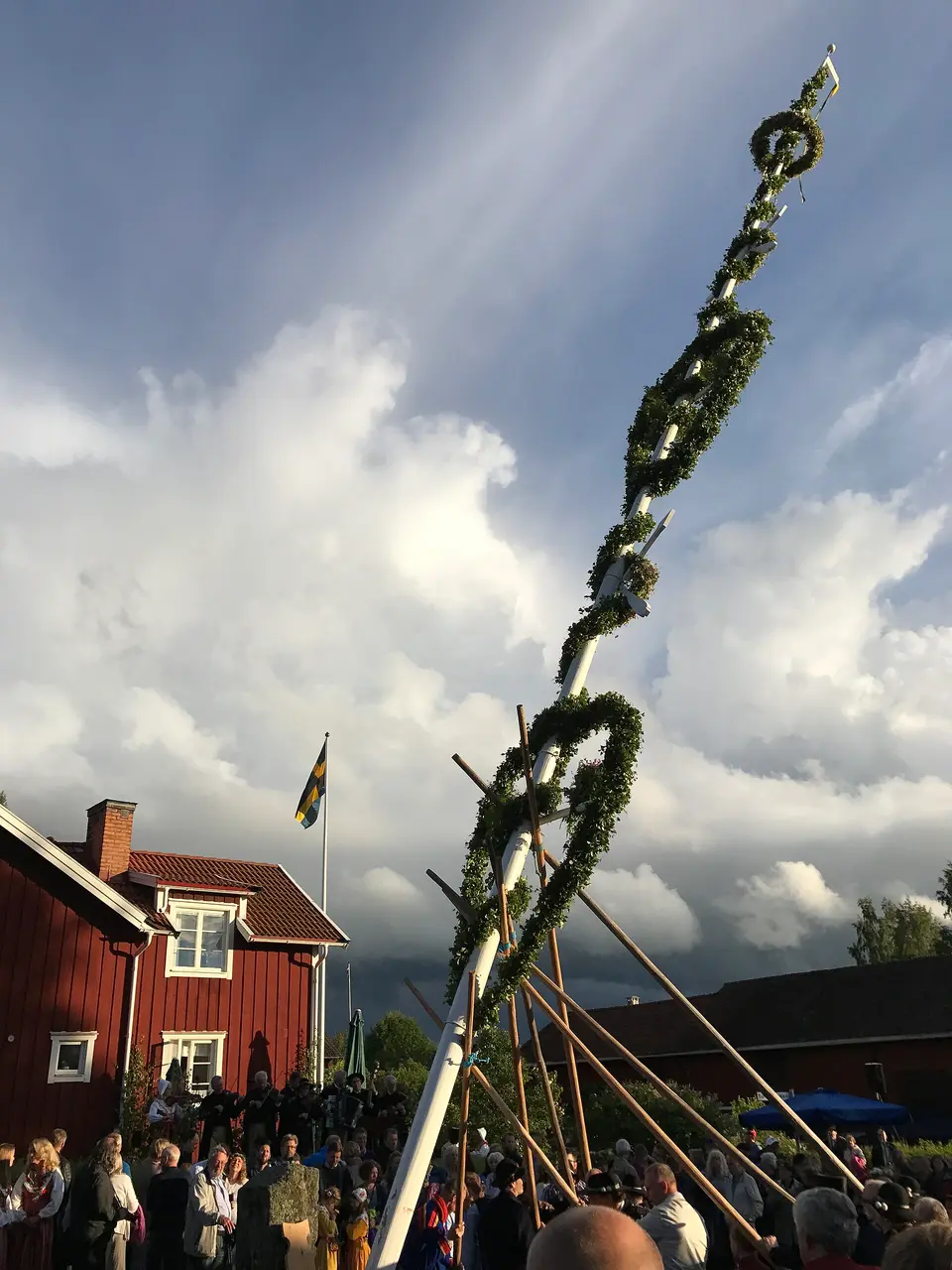
On a Friday in late June, Swedes leave the cities for the countryside, pick flowers for wreaths, raise a pole clad in leaves and dance around it — then sit down to herring, new potatoes and strawberry cake as the light lingers late into the night.
25 – 26 de junho de 2027Calculada

St Patrick’s Day
Lá Fhéile Pádraig
On 17 March Ireland honours its patron saint with parades, traditional music and a sea of green and shamrocks — led by the national parade through Dublin, and echoed in Irish communities and green-lit landmarks around the world.
17 de março de 2027Calculada