Esta página ainda não foi traduzida para português; mostra-se o texto original em inglês.
Ichapekene Piesta
Na Lista do Património Cultural Imaterial da Humanidade da UNESCO
Foto: Gabvia, CC BY-SA 4.0, via Wikimedia Commons
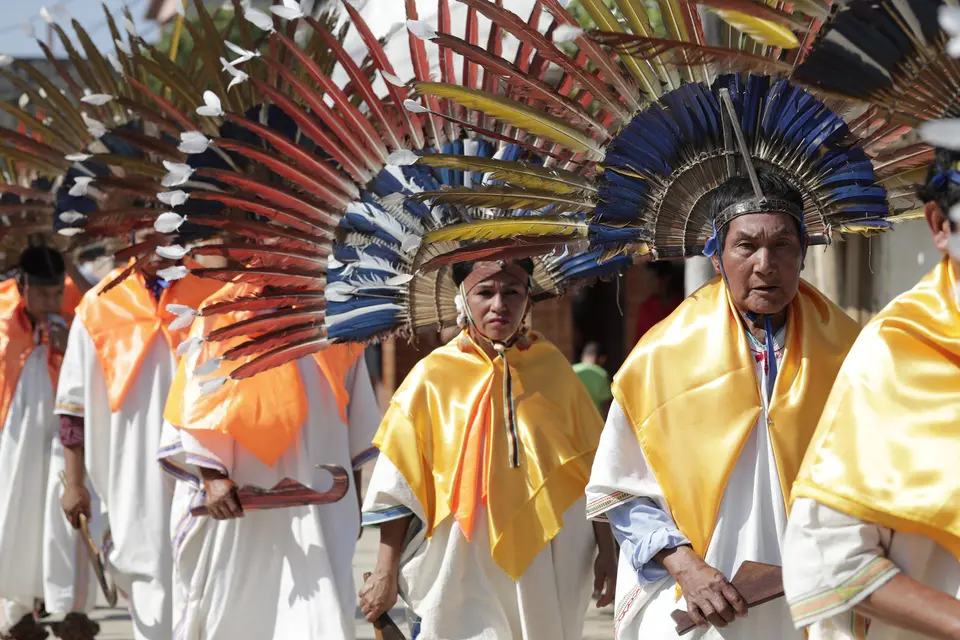
In a former Jesuit mission town in Bolivia’s Beni department, the Mojeño people honour St Ignatius with weeks of novenas, dances and fireworks — culminating in the dance of the macheteros, sun warriors crowned with great fans of feathers.
The biggest festival of Moxos
Ichapekene Piesta is the largest celebration of San Ignacio de Moxos, in the Bolivian department of Beni, held in honour of the town’s patron, St Ignatius of Loyola. It is a syncretic festival: it retells the Mojeño founding myth of the Jesuit victory of Ignatius and blends it with Indigenous beliefs and traditions, a legacy of the Jesuit missions of Moxos. UNESCO inscribed it on its Representative List in 2012.
The programme is long and precise. From 22 July a novena for the patron saint is held, with a different dance each day — little angels and masks, achus and deer, bulls, sun and moon, tigers and little fish, bullfighters and more. On 30 July the bells ring at three in the morning and the dawn is greeted at four; on 31 July, after a mass led by the bishop, a procession circles the square and the macheteros and achus dance all morning.
Warriors of the sun
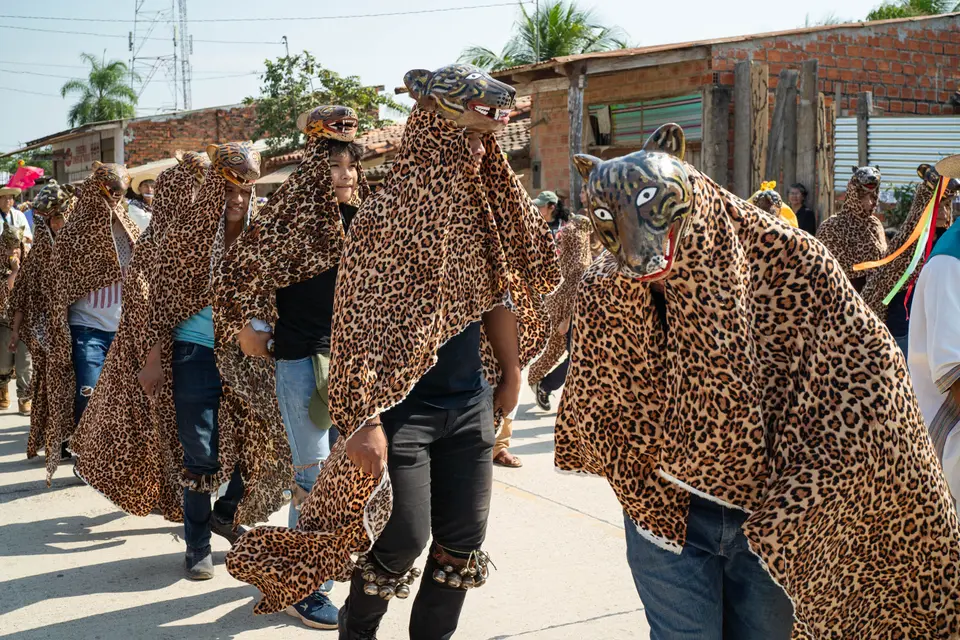
The most important dance is that of the macheteros — chipiperono in the Indigenous language — men wearing wide headdresses of feathers who dance with wooden machetes. Wearing the feathers is believed to invoke the soul of the bird, and so the sun, and the macheteros are often seen as warriors of the sun; some also read the feathers as a reference to Christ’s resurrection and ascension. The festival re-enacts the spiritual battle of the “Victory of St Ignatius”, in which twelve sun warriors fight the guardians of the sacred flag, the original owners of the forest and the water. Respect for nature runs through it all, including a procession of participants in animal masks.
Quando acontece
The official festival runs from 30 July to 2 August, with the feast of St Ignatius on 31 July. The wider celebrations begin in May with fireworks and songs of praise, and continue through July with daily and nightly celebrations.
- 30 de julho – 2 de agosto de 2027Calculada
- 30 de julho – 2 de agosto de 2028Calculada
- 30 de julho – 2 de agosto de 2029Calculada
- 30 de julho – 2 de agosto de 2030Calculada
Fontes
Esta entrada foi escrita a partir das fontes seguintes.
- Ichapekene Piesta, the biggest festival of San Ignacio de MoxosUNESCO Intangible Cultural Heritage · consultado em 17 de setembro de 2026
- Ichapekene PiestaWikipedia · consultado em 17 de setembro de 2026
- Ichapekene PiestaWikipedia (Spanish) · consultado em 17 de setembro de 2026
Festas relacionadas
Carnival of Oruro
Carnaval de Oruro
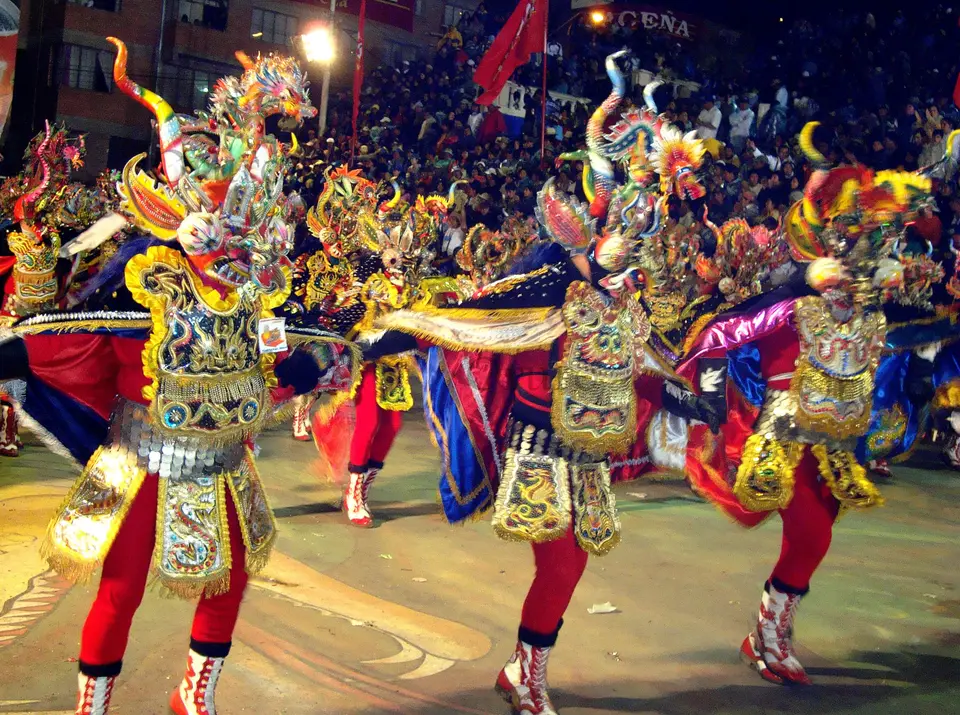
In the Bolivian highlands, some 28,000 dancers and 10,000 musicians dance their way along a four-kilometre route to the Sanctuary of the Virgin of the Mineshaft — devils, llama herders and caporales in a carnival where Andean gods and Catholic saints have long shared the stage.
6 – 8 de fevereiro de 2027Calculada
Parintins Folklore Festival
Festival Folclórico de Parintins
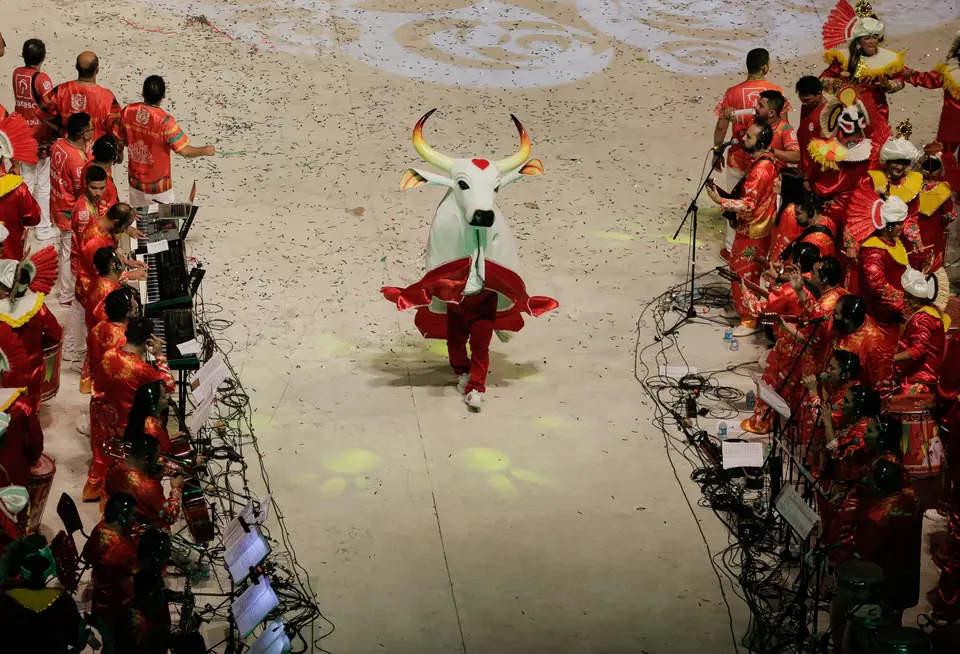
In a town in the Brazilian Amazon, two rival ox associations — blue Caprichoso and red Garantido — turn the story of the bumba-meu-boi into three nights of arena spectacle, with giant sets, drums, Amazonian legends and a whole town divided by colour.
25 – 27 de junho de 2027Estimada
Qoyllur Rit'i
Quyllurit'i
In a high valley below the glaciers of the Cusco region, tens of thousands of pilgrims gather each year for the Lord of Qoyllur Rit'i — a feast that joins Catholic devotion to older Andean beliefs about nature and the stars, with a hundred dances and a day-and-night procession to greet the sunrise.
25 de maio de 2027Estimada