Esta página ainda não foi traduzida para português; mostra-se o texto original em inglês.
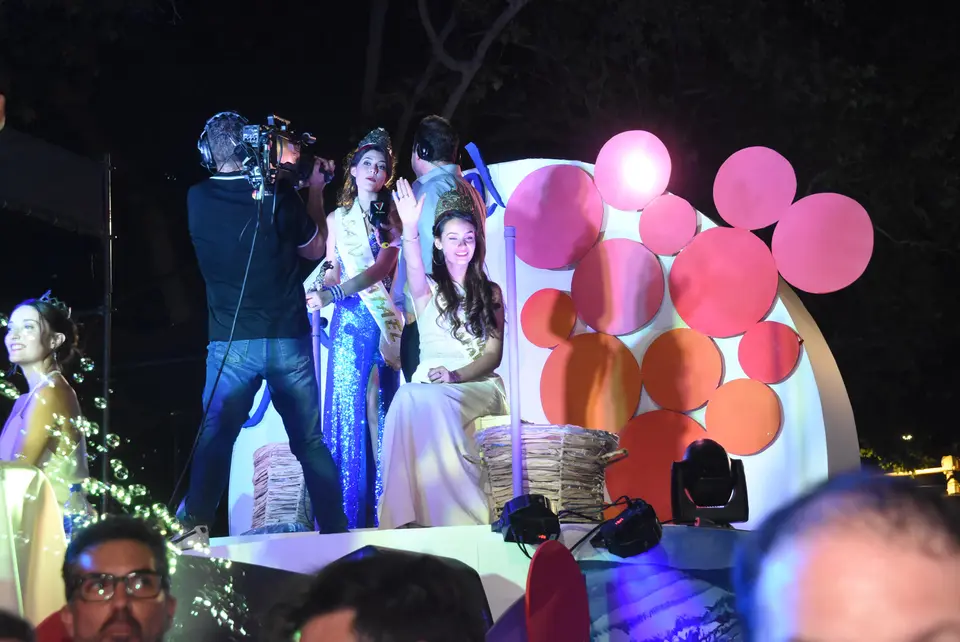
Fiesta Nacional de la Vendimia
Foto: Martín Quiroga Zani, CC BY-SA 4.0, via Wikimedia Commons
Every March Mendoza celebrates the grape harvest with a night parade of illuminated floats from which the harvest queens throw fruit to the crowd, a morning procession of ox carts and gauchos, and a spectacle of more than a thousand dancers in an open-air theatre that ends with the crowning of the national queen.
From chapel vineyards to a national festival
Mendoza began growing vines in the early 17th century to make wine for Catholic Mass, since importing it was very expensive, and each chapel had its own vineyard. At harvest time there were dances, songs and food, and the prettiest harvester was crowned with vine leaves and bunches of grapes. The first official Fiesta de la Vendimia was held in 1936, after Governor Guillermo G. Cano and his minister Frank Romero Day had seen a harvest festival in Friuli-Venezia Giulia in Italy. It consisted of a parade along Avenida San Martín, a feast in a winery and, at night, the first Acto Central before more than 25,000 people, where the first harvest queen was crowned. In 1972 it became the Fiesta Nacional de la Vendimia.
From December to February each of Mendoza’s departments holds its own harvest festival and elects a queen, who then competes for the national crown in March.
Three days in March
Before the main events, the archbishop leads the Blessing of the Fruits, a Catholic ceremony of thanks for the harvest, with the image of the Virgen de la Carrodilla, patron of the vineyards; it ends with the governor striking a plough blade, an old ritual calling the workers to rest. On the evening of the first Friday of March comes the Vía Blanca de las Reinas, a two-hour parade of illuminated floats carrying the outgoing and aspiring queens through the centre of Mendoza, watched by more than 300,000 people. The next morning the Carrusel passes through the city centre in daylight, with the queens’ floats, ox- and horse-drawn carts carrying gaucho groups, and dancers from other cultures of the Americas.
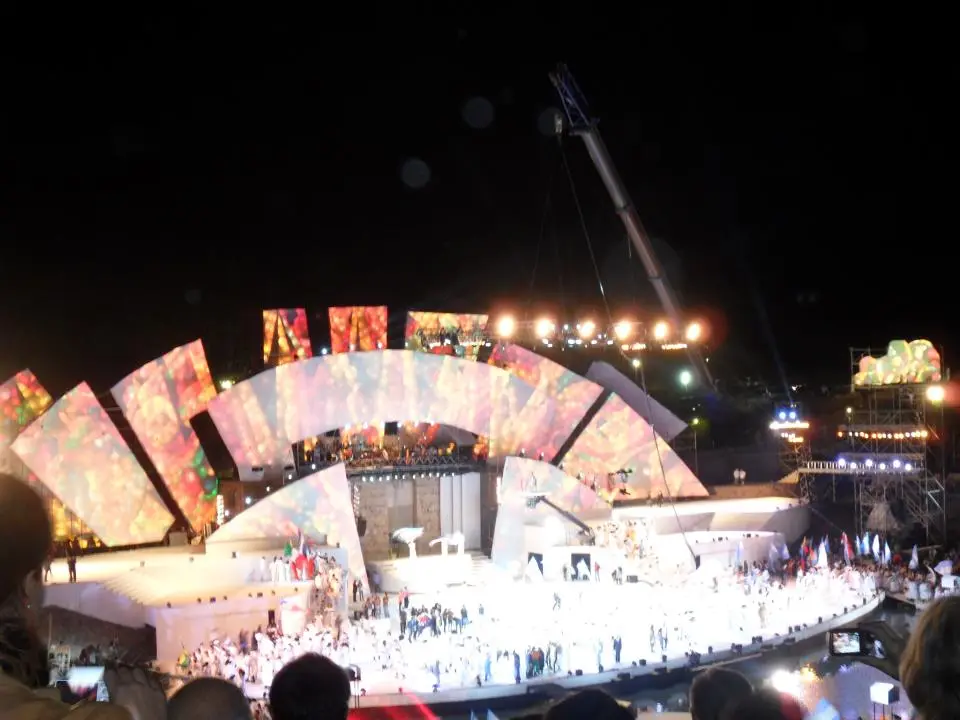
That night the Acto Central fills the Frank Romero Day Greek Theatre, set among the hills of Parque General San Martín, where it has been held since 1963. More than a thousand dancers tell a story that changes every year but usually follows Mendoza’s past and present through the work of its people and the making of wine, with giant grapes, the harvest and the winery. Then 300 votes are counted aloud to elect the national queen and vice-queen, who are crowned by their predecessors, and the night ends with fireworks. On the following night the show is repeated, without the election but with concerts by well-known musicians. Since the mid-2010s the election has been debated in Mendoza, with feminist groups arguing that it is a beauty contest that objectifies women.
Quando acontece
The Vía Blanca is held on the evening of the first Friday of March, and the Carrusel and the Acto Central on the first Saturday, with a repeat performance the following night. The dates can move — in 2026 a storm warning pushed the Acto Central back a day.
- 5 de março de 2027Vía Blanca paradeEstimada
- 6 – 7 de março de 2027Carrusel, Acto Central and repeat performanceEstimada
- 3 de março de 2028Vía Blanca paradeEstimada
- 4 – 5 de março de 2028Carrusel, Acto Central and repeat performanceEstimada
- 2 de março de 2029Vía Blanca paradeEstimada
- 3 – 4 de março de 2029Carrusel, Acto Central and repeat performanceEstimada
- 1 de março de 2030Vía Blanca paradeEstimada
- 2 – 3 de março de 2030Carrusel, Acto Central and repeat performanceEstimada
Visitar com respeito
Bom saber
- Along the parade route the queens and their courts throw fruit, bottles of wine and other products of their departments to the crowd as gifts.
Fontes
Esta entrada foi escrita a partir das fontes seguintes.
- Fiesta Nacional de la VendimiaWikipedia (Spanish) · consultado em 17 de setembro de 2026
- Fiesta Nacional de la VendimiaWikipedia · consultado em 17 de setembro de 2026
- Argentina travel advice: safety and securityUK Foreign, Commonwealth & Development Office · consultado em 17 de setembro de 2026
Festas relacionadas
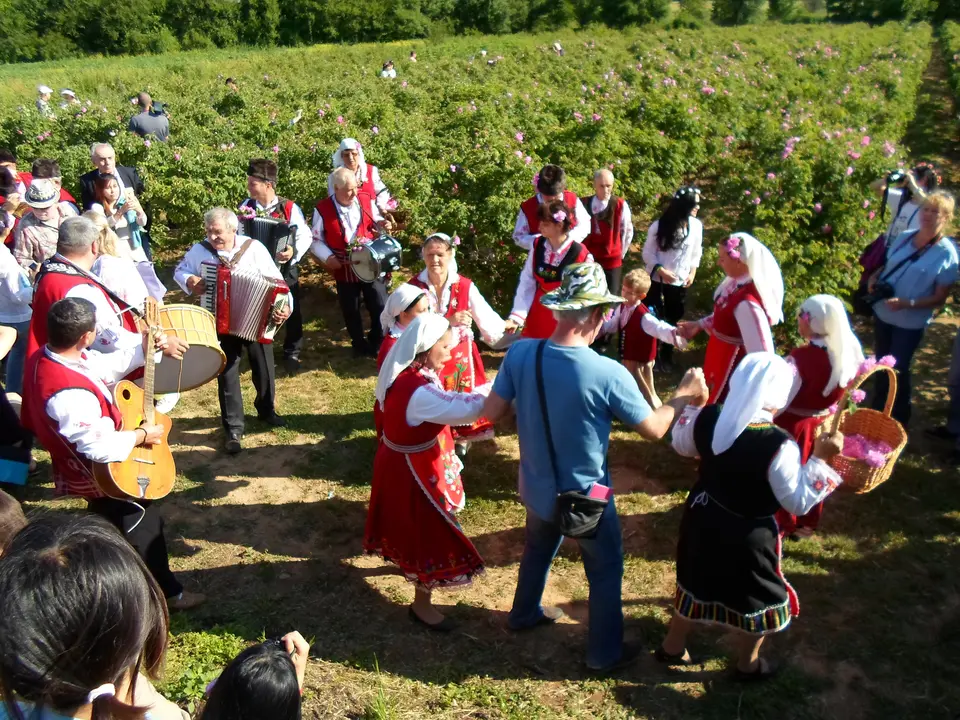
Kazanlak Rose Festival
Празник на розата
At the start of June, the Rose Valley around Kazanlak celebrates the Bulgarian oil rose — pickers in folk costume gather blossoms in the gardens, rose oil is distilled for guests, and a Rose Queen leads a carnival procession of thousands through town.
6 de junho de 2027Calculada
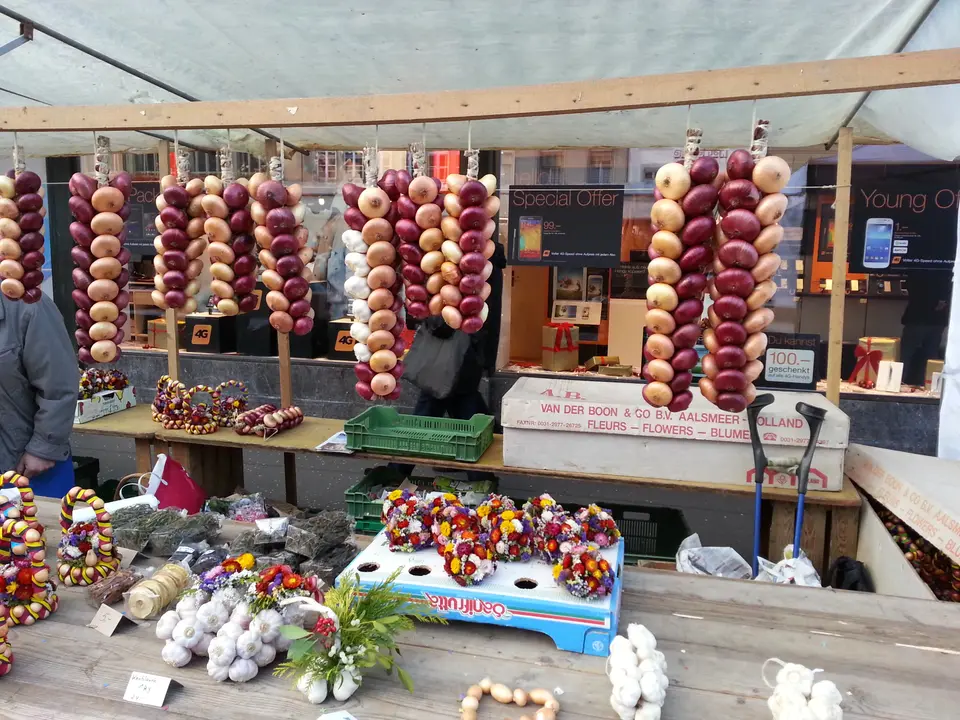
Zibelemärit
On the fourth Monday of November, farmers bring tonnes of braided onions and garlic into Bern, and the Swiss capital’s old town turns into a mix of farmers’ market and folk festival — from before dawn until a confetti battle in the afternoon.
23 de novembro de 2026Calculada
Fiesta de La Tirana
Every July, a desert village of about 800 people in northern Chile receives between 250,000 and 500,000 pilgrims, as religious dance societies — devils, Incas, miners and gypsies — dance day and night for the Virgen del Carmen of La Tirana.
15 – 16 de julho de 2027Calculada