لم تُترجم هذه الصفحة إلى العربية بعد، ويُعرض نصها الأصلي بالإنجليزية.
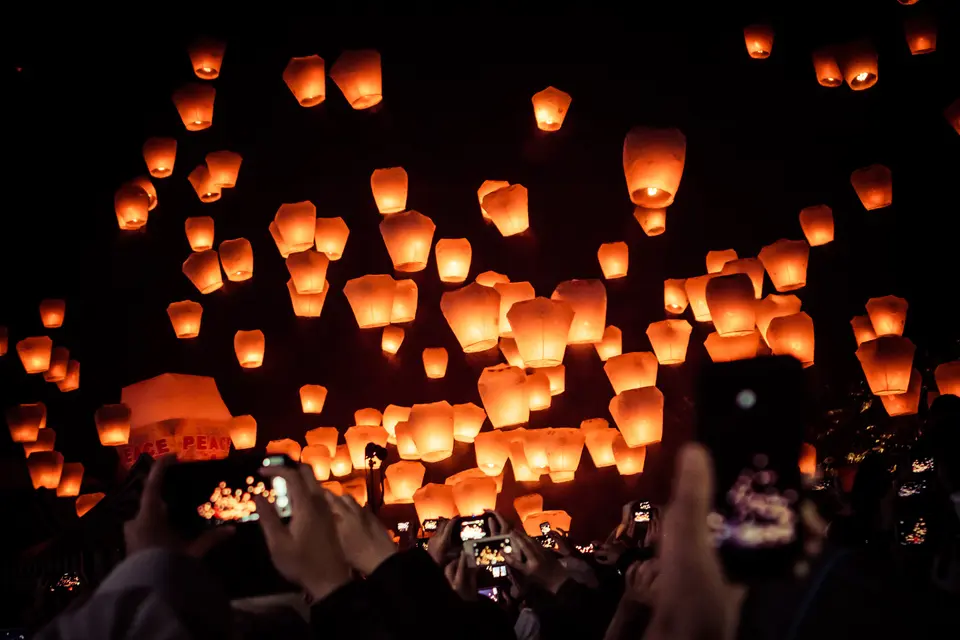
Around the Lantern Festival, thousands of paper lanterns inscribed with wishes rise into the night sky over the hill town of Pingxi — a custom that began as a signal to villagers hiding from bandits that it was safe to come home.
A signal of safety
Pingxi is a remote hill town in New Taipei City, and its sky lanterns grew out of local history. Settlers arrived from southern China in 1821. In the Qing dynasty the remote villages were hard for the government to protect, and after the winter harvest, when hungry bandits were most likely to strike, villagers sometimes hid in the mountains, leaving the able-bodied men to defend their homes. When the danger had passed, the men released lanterns to tell their families it was safe to return. Another story holds that the lanterns began as prayers released at the start of spring planting, when women wished for children and a plentiful harvest. Sky lanterns themselves, also called Kongming lanterns, are traditionally credited to Zhuge Liang, a chancellor of the Three Kingdoms period, who used them to send military messages.
At the end of the twentieth century the custom became an annual celebration of the Lantern Festival, and in 2008 New Taipei City recognised it as a municipal folk custom.
Writing a wish
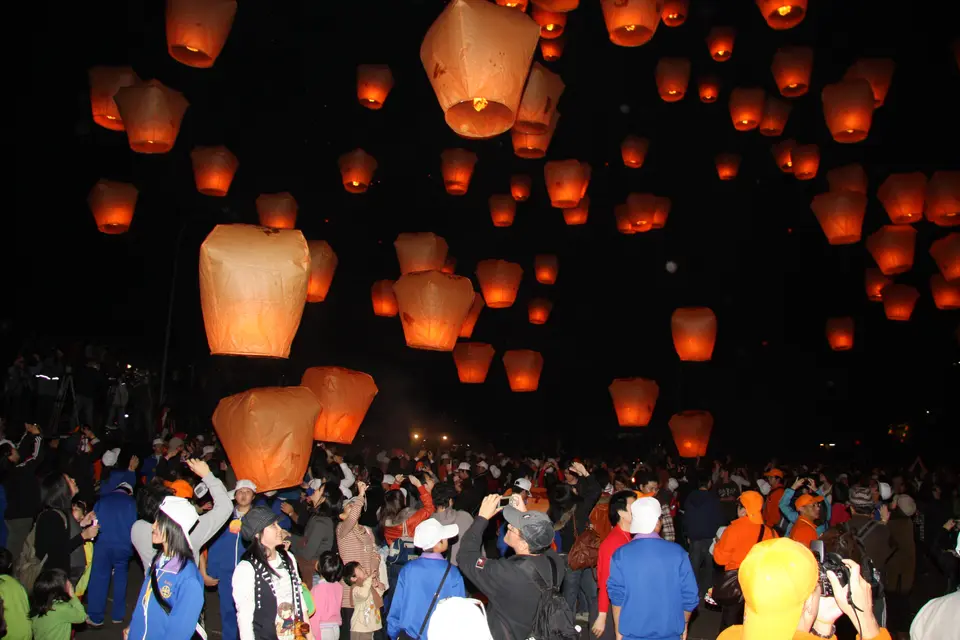
The festival is organised by the New Taipei City Government, and admission is free. Each day brings sessions at three venues — Jingtong Elementary School, Pingxi Junior High School and, last and most crowded, Shifen Sky Lantern Square — and thousands of free lanterns are handed out to visitors. On the day of the Lantern Festival itself, a huge main lantern is released at Shifen.
A lantern is made from strips of makino bamboo — guìzhú, a pun on the word for prosperity — and rice paper strengthened with hemp fibre, with four or five sides on which to write wishes. To release one, check the paper for tears, write your wish, hook a piece of oil-soaked joss paper to the wire at the bottom, open the lantern out while someone holds it steady, light the paper and let go once the hot air lifts it.
متى يُقام
The highlight, the release of a giant main lantern at Shifen Sky Lantern Square, takes place on the 15th day of the first lunar month. The festival runs for several days around it, with release sessions from 6 to 9 pm at approved sites.
- 20 فبراير 2027محسوب
- 9 فبراير 2028محسوب
- 27 فبراير 2029محسوب
- 17 فبراير 2030محسوب
زيارة باحترام
من المفيد أن تعرف
- Only release lanterns at the locations approved by the New Taipei City government, and follow the release times and rules posted there.
المصادر
كُتب هذا المدخل استنادًا إلى المصادر التالية.
- Pingxi Sky Lantern FestivalMinistry of the Interior, Taiwan Religious Culture Map · اطُّلع عليه في 17 سبتمبر 2026
- Traditional FestivalsTourism Administration, Republic of China (Taiwan) · اطُّلع عليه في 17 سبتمبر 2026
- Taiwan travel advice: safety and securityUK Foreign, Commonwealth & Development Office · اطُّلع عليه في 17 سبتمبر 2026
مهرجانات ذات صلة
Yanshui Beehive Fireworks Festival
鹽水蜂炮
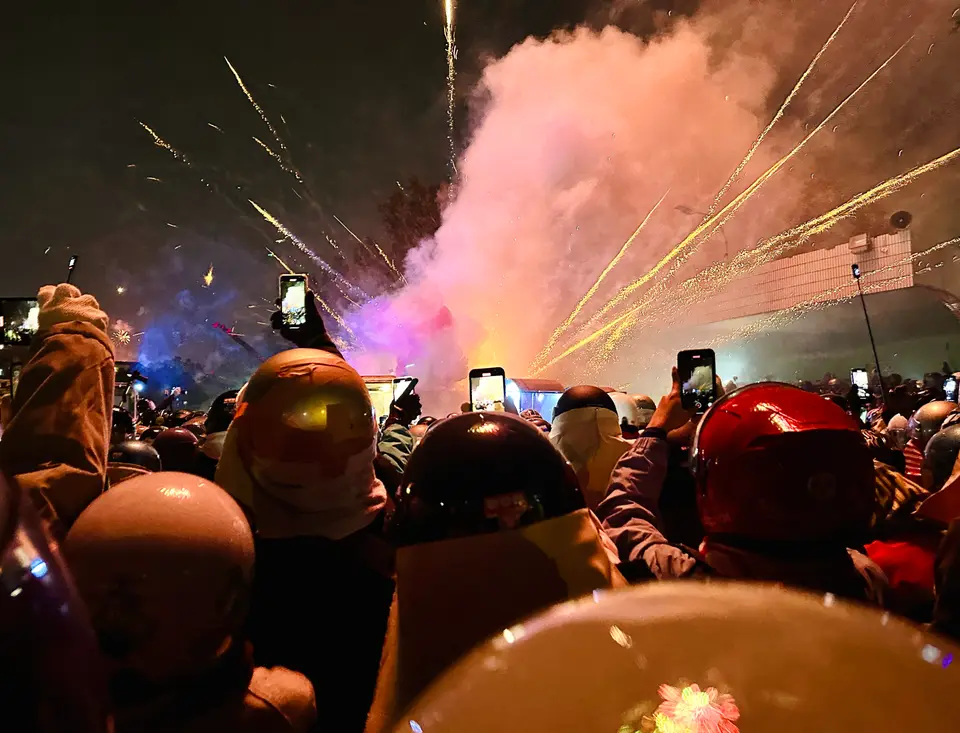
On the 14th and 15th nights of the first lunar month, the palanquin of Guan Di, the god of war, tours the streets of Yanshui, and from doorways along the way racks of bottle rockets are fired towards it — and into the crowd in helmets that follows.
19–20 فبراير 2027محسوب
Lantern Festival
元宵节
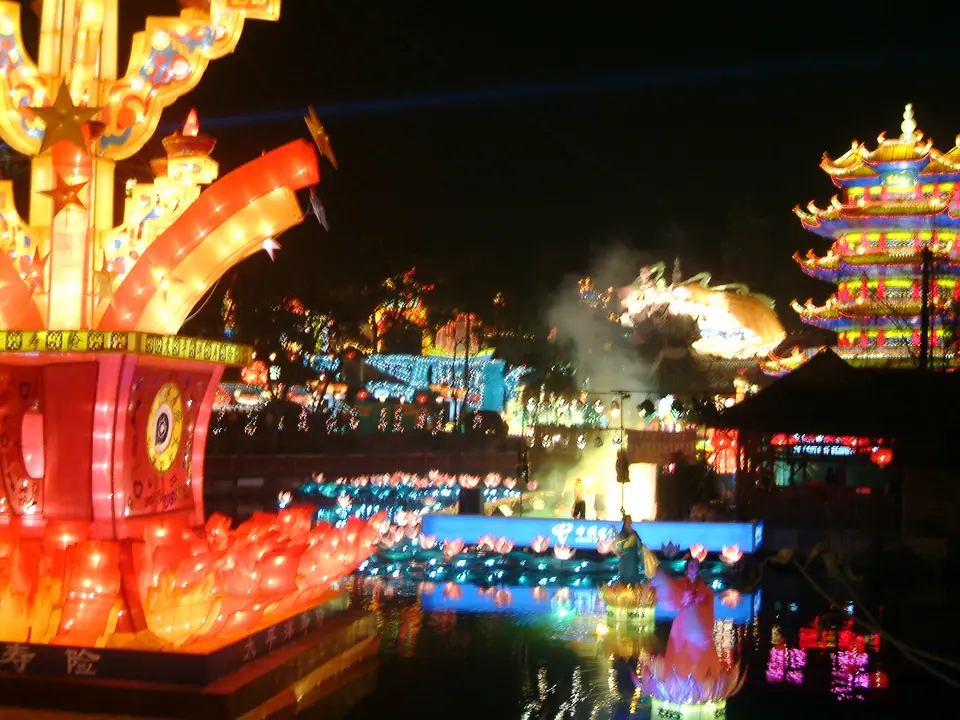
On the first full moon of the Chinese year, the New Year season ends in light — lantern riddles, sweet rice balls, and great lantern fairs such as those at Nanjing’s Confucius Temple and in Zigong, Sichuan, which run from the Spring Festival to this night.
20 فبراير 2027محسوب
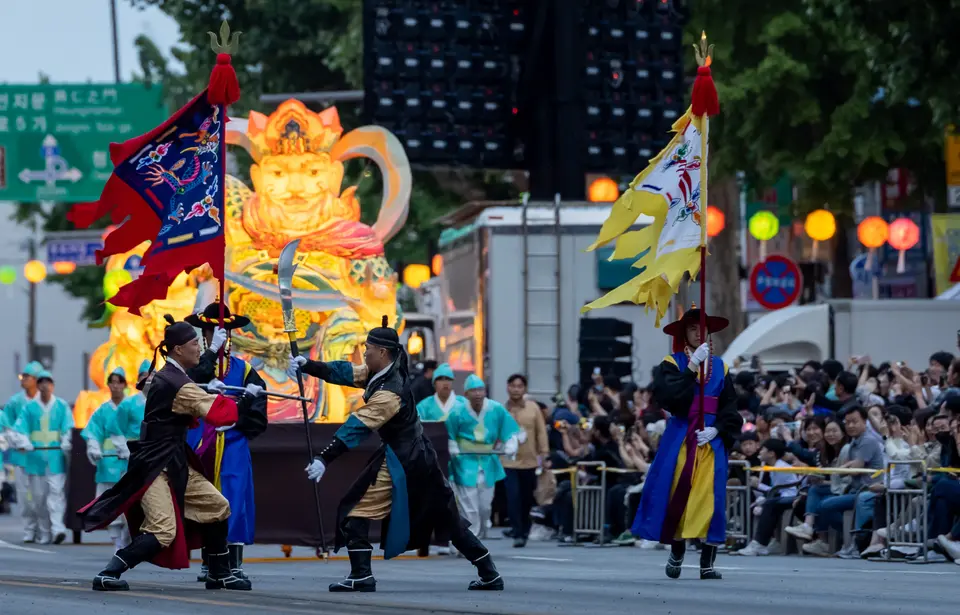
Yeondeunghoe (Lotus Lantern Festival)
연등회
As Buddha’s Birthday approaches, Korea lights up with lanterns — lotus lanterns strung over temple courtyards, a parade of giant glowing figures through the streets of Seoul, and a festival with more than a thousand years of history that UNESCO praises for dissolving social boundaries.
13 مايو 2027محسوب