Diese Seite ist noch nicht ins Deutsche übersetzt; der englische Originaltext wird angezeigt.
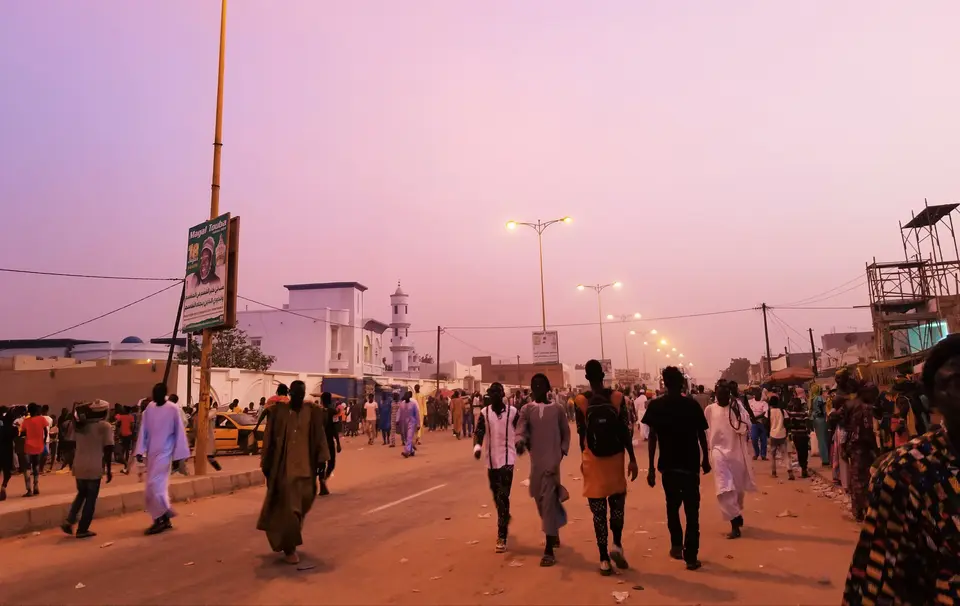
Grand Magal of Touba
Grand Magal de Touba
Foto: Kateryna Serdiuk, CC BY-SA 4.0, über Wikimedia Commons
On the 18th of Safar, millions of pilgrims of the Mouride brotherhood converge on the holy city of Touba to honour its founder, Sheikh Amadou Bamba, and the anniversary of his exile by the French — the largest celebration in Senegal and one of the most popular pilgrimages in the world.
The exile of Amadou Bamba
The Mouride Brotherhood was founded by Sheikh Amadou Bamba, and the Grand Magal commemorates his exile to Gabon by the French colonial government in 1895, a time Mourides see as a period of persecution and a test of his spiritual strength. Magal is a Wolof word meaning celebration or anniversary. Bamba asked his followers to mark the anniversary of his exile. After his death in 1927 his son and successor, Moustapha Mbacké, organised the first gathering in 1928 on the anniversary of his death, with around 70,000 people; in 1946 his successor, Falilou Mbacké, moved it to the anniversary of the exile, as Bamba had wished.
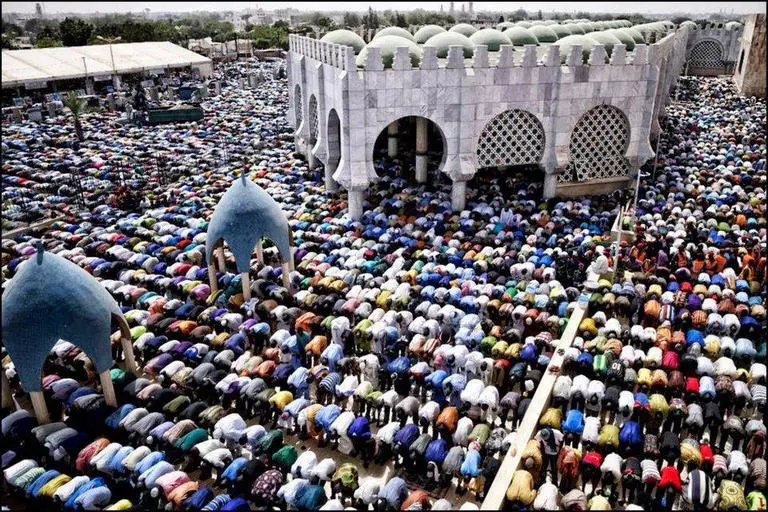
The pilgrimage has grown from hundreds of thousands of people in the late twentieth century to nearly two million in 2000 and more than three million in 2011. The organising committee cited a record of more than 6.5 million participants in 2025.
In the holy city
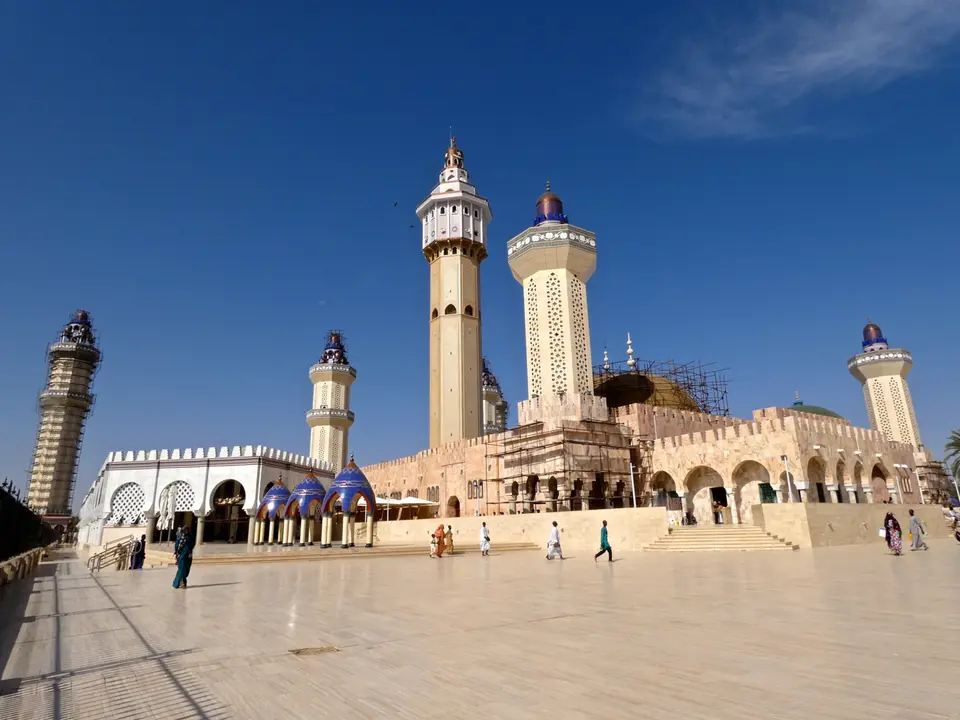
The rites have been compared with those of the Hajj. The two central moments are visits to the Great Mosque of Touba, with a partial circuit of the building, and to the mausoleum of Amadou Bamba, believed to hold his baraka, or spiritual power, where pilgrims pray with outstretched hands and touch the walls and doors. Some wait more than six hours for a few minutes of prayer. Pilgrims also visit the tombs of other Mouride leaders, the Well of Mercy, said to have been created by God for Bamba, and Touba’s central library of his writings, and they call on their own spiritual guides, the marabouts. At night they gather to sing the Arabic poems, or qasaid, written by Bamba.
The residents of Touba house and feed the visitors, local Mouride associations look after the pilgrimage sites, and members of the Baye Fall provide much of the labour. The Caliph General of the brotherhood also receives official government delegations, a custom that goes back to the colonial period. Mourides abroad — in dozens of cities in Europe and North America — celebrate the Magal at the same time, singing Bamba’s poetry and watching broadcasts from Touba.
Wann es stattfindet
The Grand Magal begins on 18 Safar, the second month of the Islamic lunar calendar, and lasts two days. Because the lunar year is about eleven days shorter than the solar year, it moves earlier each year. The date shown here is calculated from a tabular Islamic calendar and may differ by a day from the date announced in Senegal. Official preparations begin on 1 Safar.
- 22.–23. Juli 202718. Safar 1449 AHGeschätzt
- 11.–12. Juli 202818. Safar 1450 AHGeschätzt
- 30. Juni – 1. Juli 202918. Safar 1451 AHGeschätzt
- 20.–21. Juni 203018. Safar 1452 AHGeschätzt
Respektvoll besuchen
Sicherheit
- Traffic jams and road accidents are common as huge crowds travel to Touba; in 2016, 16 people were killed and 572 injured on the way to the pilgrimage. Plan your journey carefully.
Quellen
Dieser Eintrag beruht auf den folgenden Quellen.
- Grand Magal of ToubaWikipedia · abgerufen am 17. September 2026
- Senegal travel advice: safety and securityUK Foreign, Commonwealth & Development Office · abgerufen am 17. September 2026
Verwandte Feste
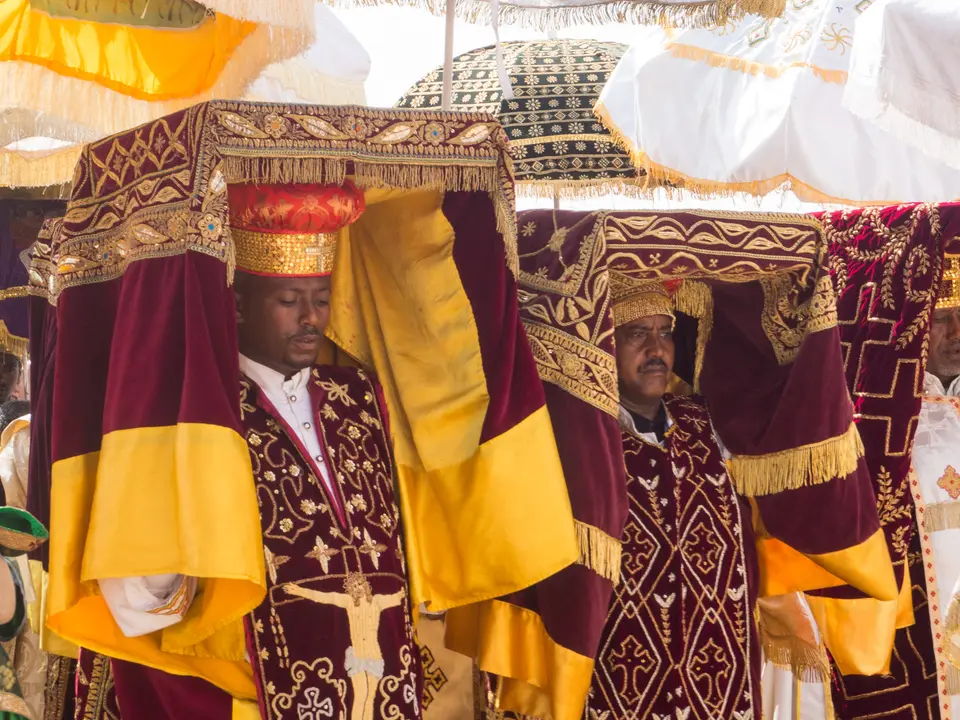
Timkat (Ethiopian Epiphany)
ጥምቀት
Ethiopia’s Orthodox Epiphany celebrates the baptism of Christ — on the eve, priests carry each church’s tabot, a replica of the Ark of the Covenant, to a river or pool; at dawn the water is blessed and sprinkled over hundreds of thousands, before the arks return home in dancing processions.
18.–19. Januar 2027Berechnet
Qoyllur Rit'i
Quyllurit'i
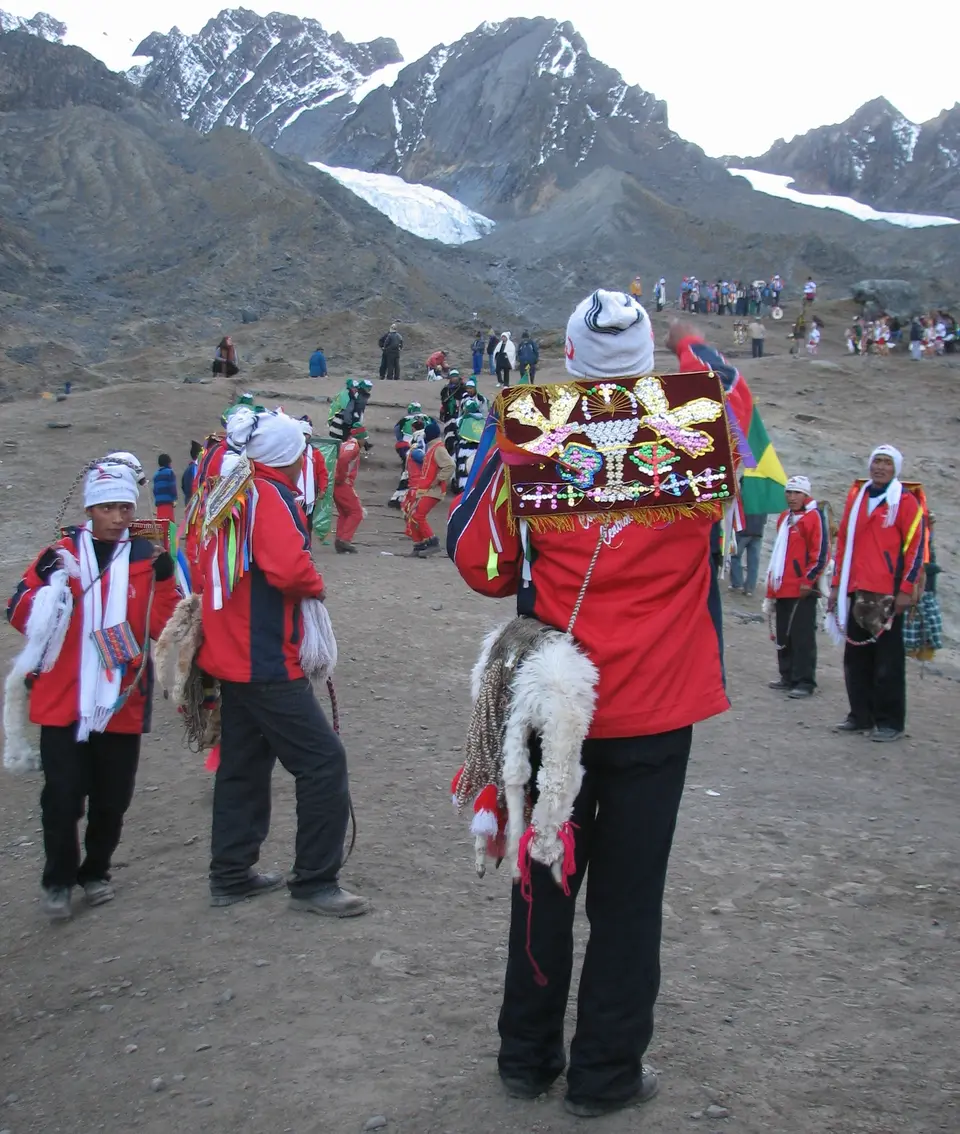
In a high valley below the glaciers of the Cusco region, tens of thousands of pilgrims gather each year for the Lord of Qoyllur Rit'i — a feast that joins Catholic devotion to older Andean beliefs about nature and the stars, with a hundred dances and a day-and-night procession to greet the sunrise.
25. Mai 2027Geschätzt
Círio de Nazaré
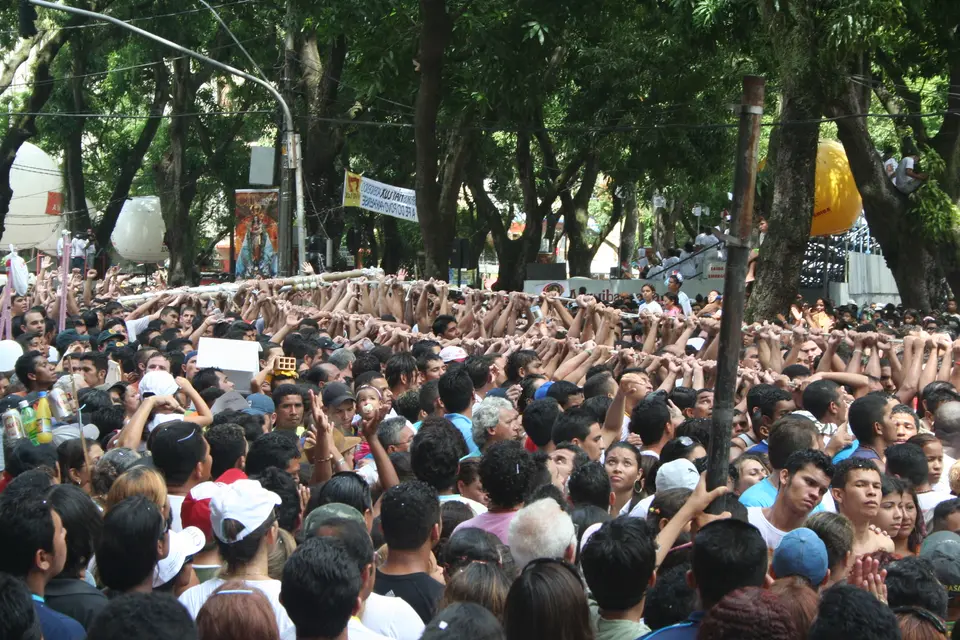
On the second Sunday of October about two million people fill the streets of Belém, in the state of Pará, to follow a small wooden image of Our Lady of Nazareth — thousands of them straining to hold a 400-metre rope — in the largest Catholic event in Brazil.
11. Oktober 2026Berechnet