Colombia

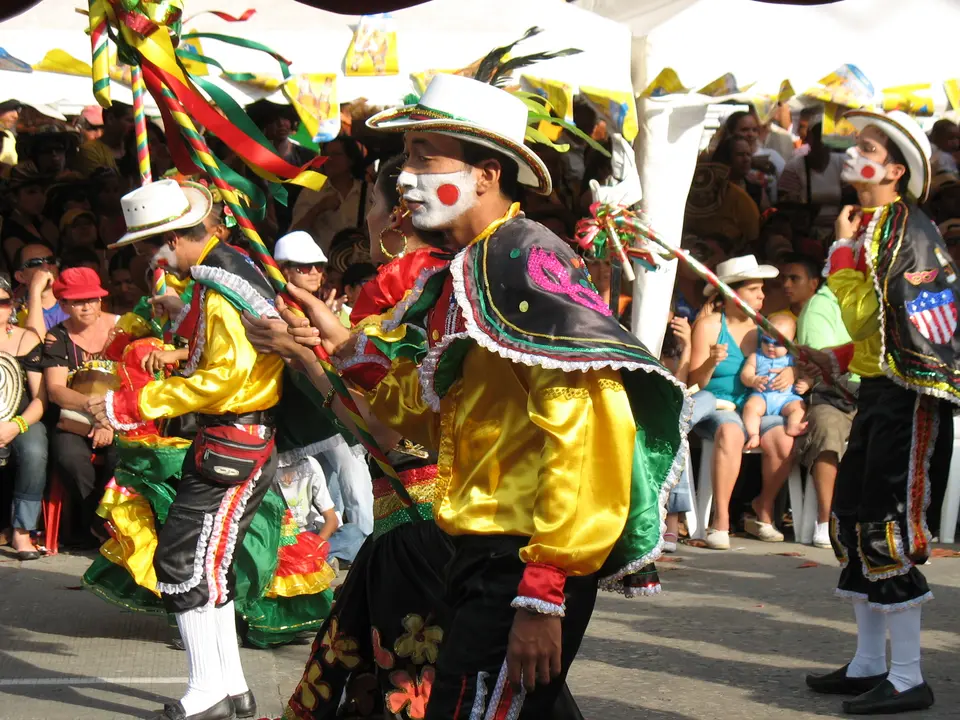
Colombia’s festivals mix European, African and Indigenous traditions — cumbia and satire in Barranquilla’s carnival, black paint and white talc in Pasto, and the solemn night processions of Holy Week in colonial Popayán.

Photo: Jdvillalobos, CC BY 3.0, via Wikimedia Commons

All three festivals in this atlas are on UNESCO’s Representative List of the Intangible Cultural Heritage of Humanity: the Carnival of Barranquilla, the Blacks and Whites’ Carnival of Pasto and the Holy Week processions of Popayán. Both carnivals have also been declared part of Colombia’s national cultural heritage.

The two carnivals show how the country’s cultures meet: Barranquilla’s dances come from Spanish, African and Indigenous roots, while Pasto’s carnival grew from Andean moon festivals, colonial holidays for enslaved people and a playful game of black paint and white powder that now stands for equality.

Festivals in Colombia

ColombiaPerformance

Blacks and Whites’ Carnival

Carnaval de Negros y Blancos

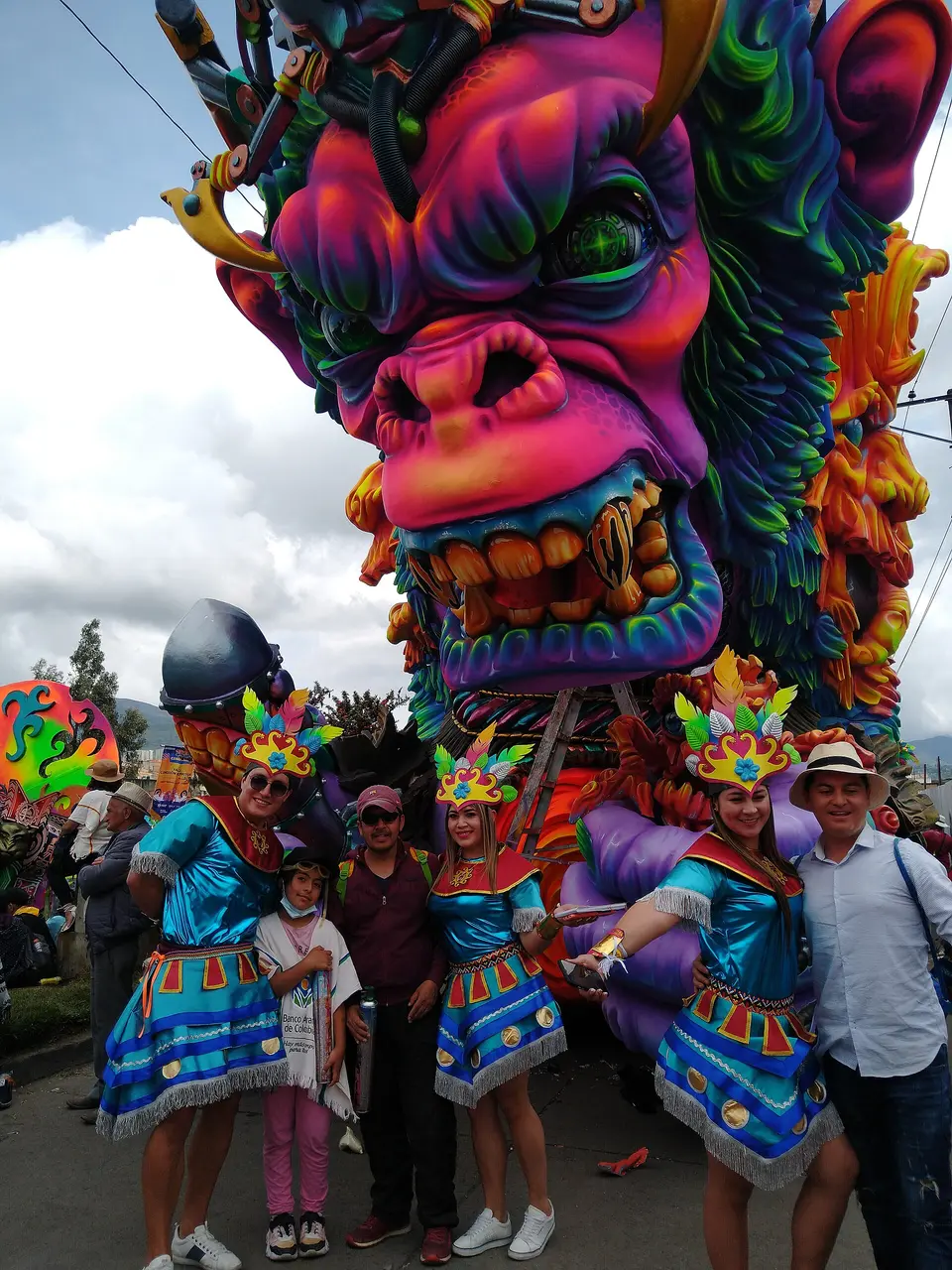
In the Andean city of Pasto, the first week of January turns into a festival of equality — everyone is painted black on one day and powdered white the next, before a grand parade of towering handmade floats.

January 5 – 6, 2027Calculated
ColombiaPerformance

Barranquilla Carnival

Carnaval de Barranquilla

For the four days before Lent, Colombia’s Caribbean port sets work aside for one of the world’s largest carnivals — a Battle of Flowers, a Great Parade of cumbia, congo and garabato dancers, an orchestra contest, and the burial of Joselito Carnaval.

February 6 – 9, 2027Calculated

ColombiaProcession

Holy Week in Popayán

Semana Santa de Popayán

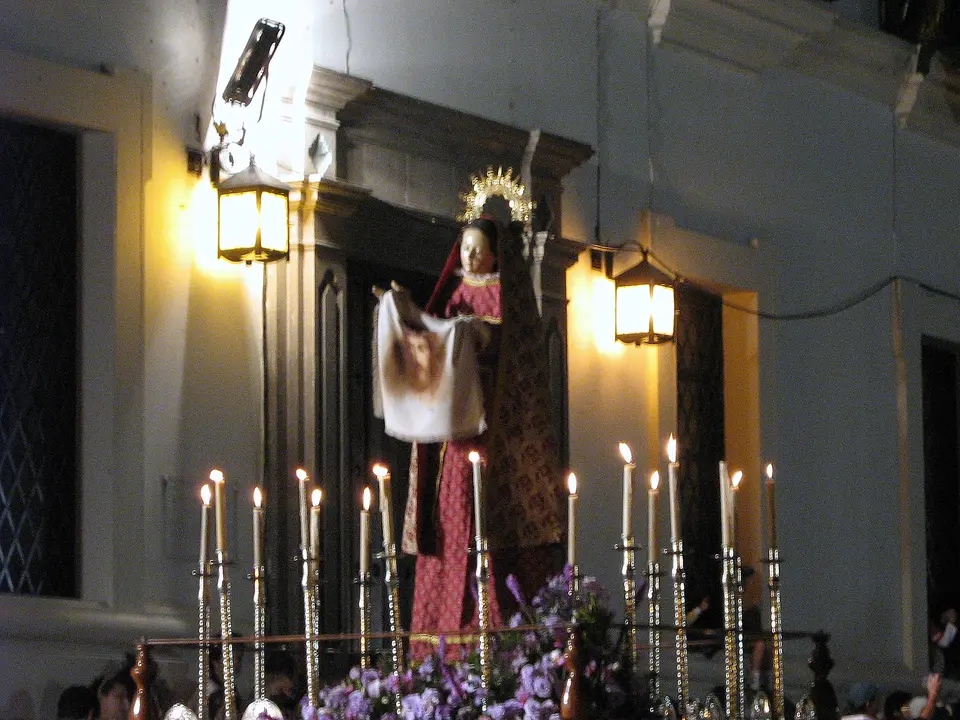
Every night from Tuesday to Holy Saturday, the white colonial city of Popayán follows floats of eighteenth-century saints carried on the shoulders of its cargueros — processions held here since the 1550s and prepared all year.

March 23 – 27, 2027Calculated

Sources for this page

  1. Colombia travel advice: safety and securityUK Foreign, Commonwealth & Development Office · read September 17, 2026
  2. Carnival of BarranquillaUNESCO Intangible Cultural Heritage · read September 17, 2026