Zundert flower parade
Bloemencorso Zundert
On UNESCO’s list of the Intangible Cultural Heritage of Humanity
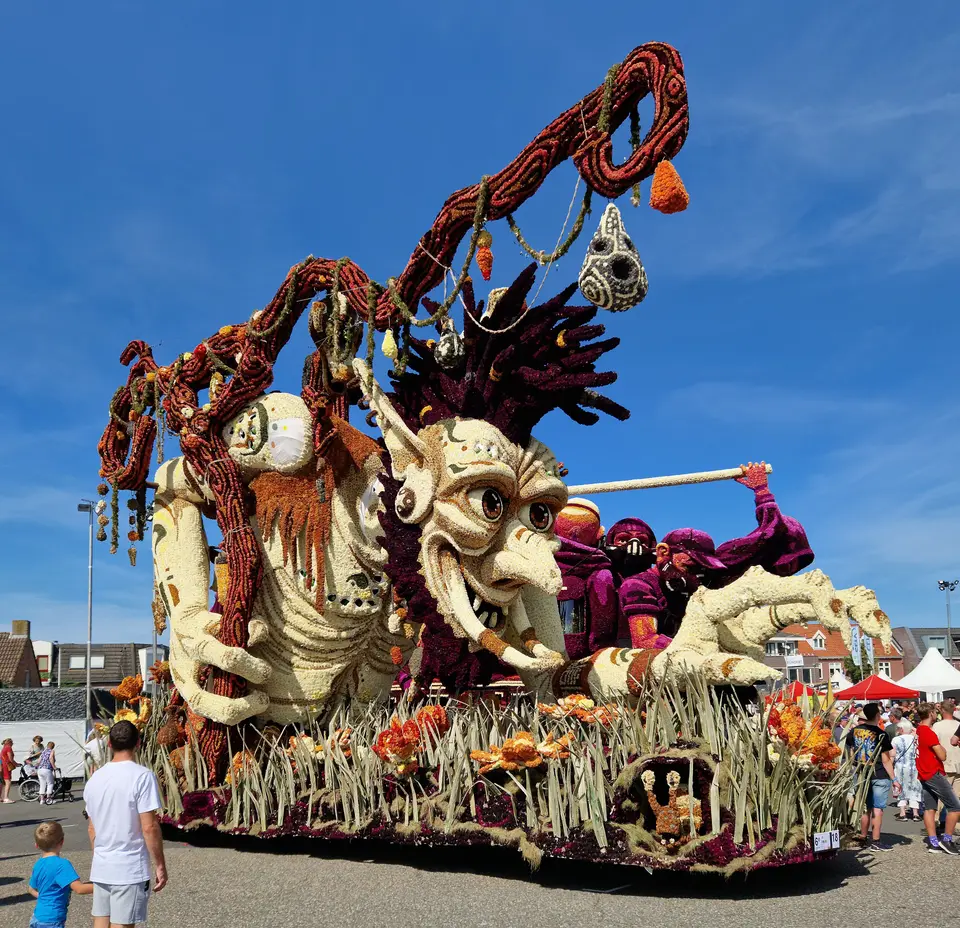
Photo: Renée Kools, CC BY-SA 4.0, via Wikimedia Commons
Twenty hamlets of one Brabant village spend a year building floats up to nine metres high and nineteen long, cover them in dahlias grown for the purpose, and push them through the streets by hand on the first Sunday of September. Around eight million flowers are used, and the hamlets are competing.
A village at war with itself, politely
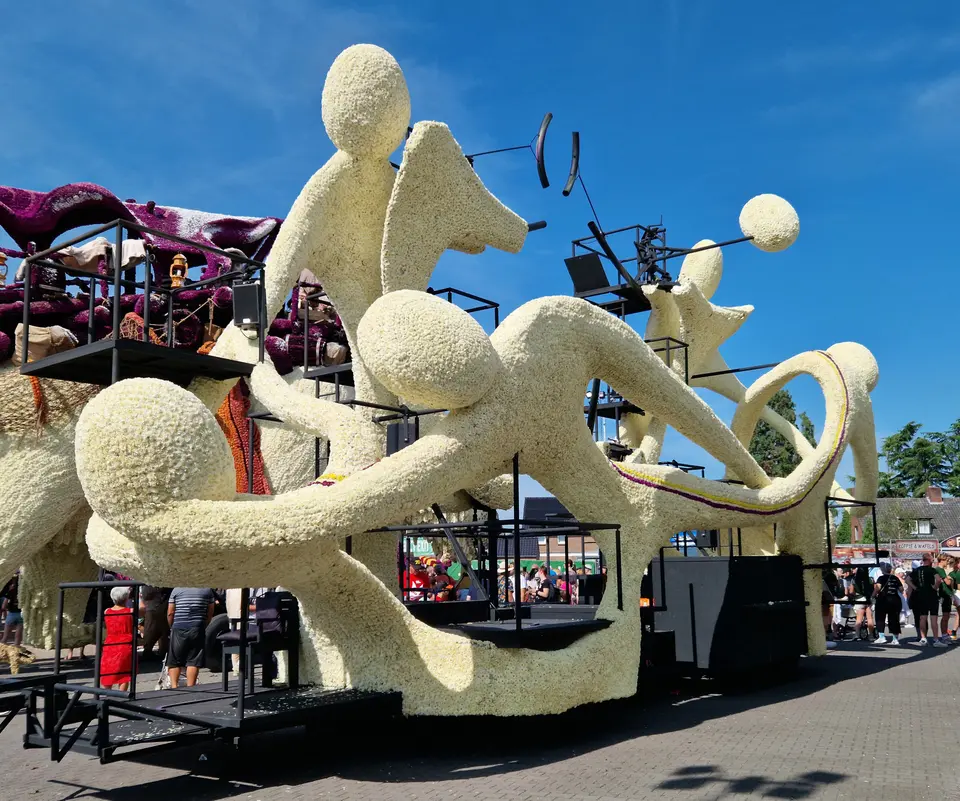
Zundert is a village in North Brabant, near the Belgian border, and it is divided into twenty hamlets. Each builds one float a year. Work begins in the autumn with a design, goes on through the winter as a steel and papier-mâché skeleton, and finishes in the last days of August when the flowers go on: dahlias, grown in fields by the hamlets themselves, pinned on one at a time. About eight million of them are used across the parade. The floats may be up to nine metres high and nineteen metres long — limits set in 1989, because the sizes were getting out of hand — and they are pushed and steered by hand, not driven.
The parade was founded in 1936 and is the largest dahlia corso in the world. The hamlets compete, and the result matters in Zundert for a year.
Corso culture
In 2021 UNESCO inscribed corso culture, the flower and fruit parades of the Netherlands, on the Representative List of the Intangible Cultural Heritage of Humanity. The file covers around thirty parades and some seventy-five thousand volunteers: the spring bulb corsos of the tulip country, the autumn dahlia corsos of the south, and the fruit corso of Tiel. Zundert is the biggest, not the only one.
When it happens
The parade runs on the first Sunday of September and again on the Monday, with the floats on show for several days afterwards. Zundert is about an hour from Rotterdam and half an hour from Breda; on the day itself, come by train and bus rather than by car.
When it happens
The parade is held on the first Sunday of September, with a second showing on the Monday. The floats can be seen standing still for several days afterwards.
- September 5 – 6, 2027Calculated
- September 3 – 4, 2028Calculated
- September 2 – 3, 2029Calculated
- September 1 – 2, 2030Calculated
Visiting with respect
Good to know
- The floats are pushed and steered by the people who built them, walking underneath and inside. Keep the road clear and let the crew work.
- Each float belongs to a hamlet that has worked on it since the previous autumn. If you talk to the builders, ask which hamlet they are from — it is the first thing they will want to say.
- Tickets are sold for the parade route. Buy one rather than looking for a gap in the fence.
Avoid
- Do not touch the flowers. Every dahlia is pinned on by hand in the last days before the parade, and a brushed surface shows.
- Do not stand in the gap between two floats. They are nineteen metres long and the people steering them cannot see past the front.
Stay safe
- The floats are moved by muscle, and they are heavy. Stand back from the wheels and keep small children in hand.
- It is a village of six thousand taking in tens of thousands of visitors. Expect slow roads and full car parks.
- Pickpocketing is common in Dutch crowds; keep valuables out of outer pockets.
Sources
This entry was written from the following sources.
- Corso Zundert — the biggest flower parade in the worldStichting Bloemencorso Zundert · read September 25, 2026
- Netherlands — intangible cultural heritage elementsUNESCO · read September 25, 2026
- Bloemencorso ZundertWikipedia · read September 25, 2026
- Netherlands travel advice: safety and securityUK Foreign, Commonwealth & Development Office · read September 25, 2026
Related festivals
Las Fallas
Falles
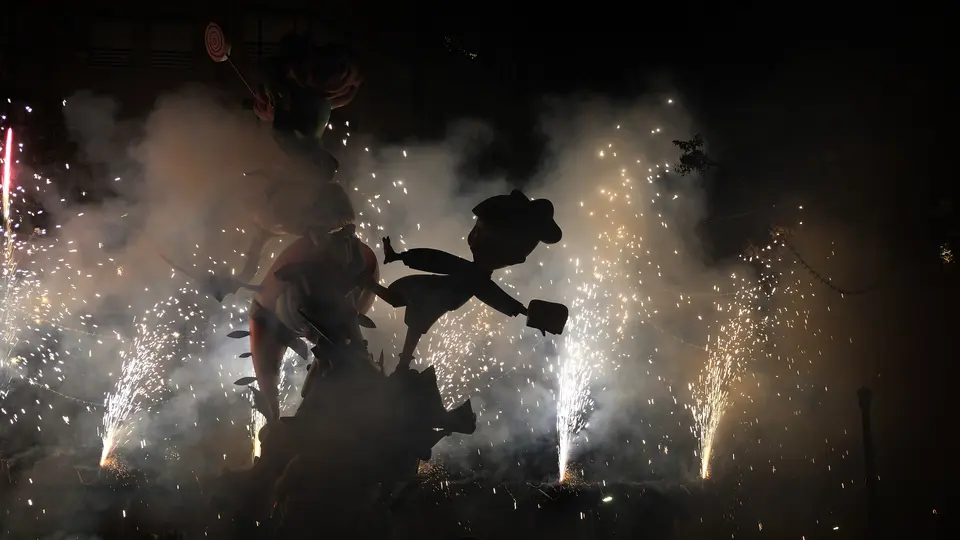
In March, Valencia fills its streets with giant satirical sculptures of cardboard and papier-mâché, shakes to the midday thunder of firecrackers, and then, on the night of 19 March, sets every one of the monuments on fire to welcome the spring.
March 15 – 19, 2027Calculated
Ommegang of Brussels
Ommegang
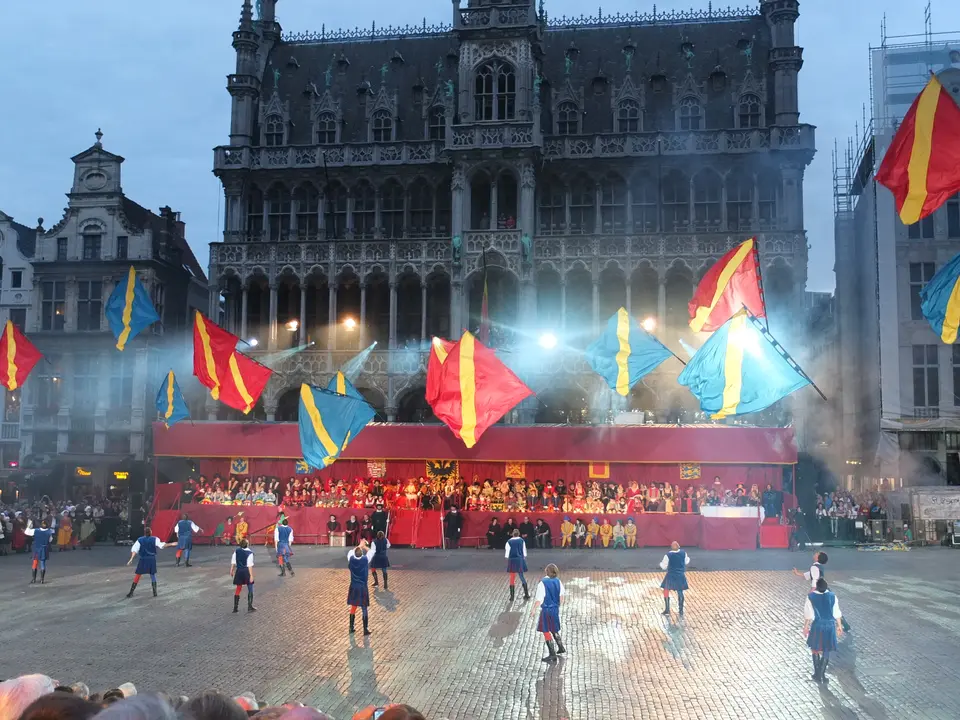
On two summer evenings, Brussels relives the day in 1549 when it dazzled Emperor Charles V — some 1,400 people in Renaissance dress, horsemen, crossbowmen, stilt walkers and giants parade from the Sablon to a grand spectacle on the Grand-Place, with real nobles playing their ancestors.
July 2027Approximate window
Parintins Folklore Festival
Festival Folclórico de Parintins
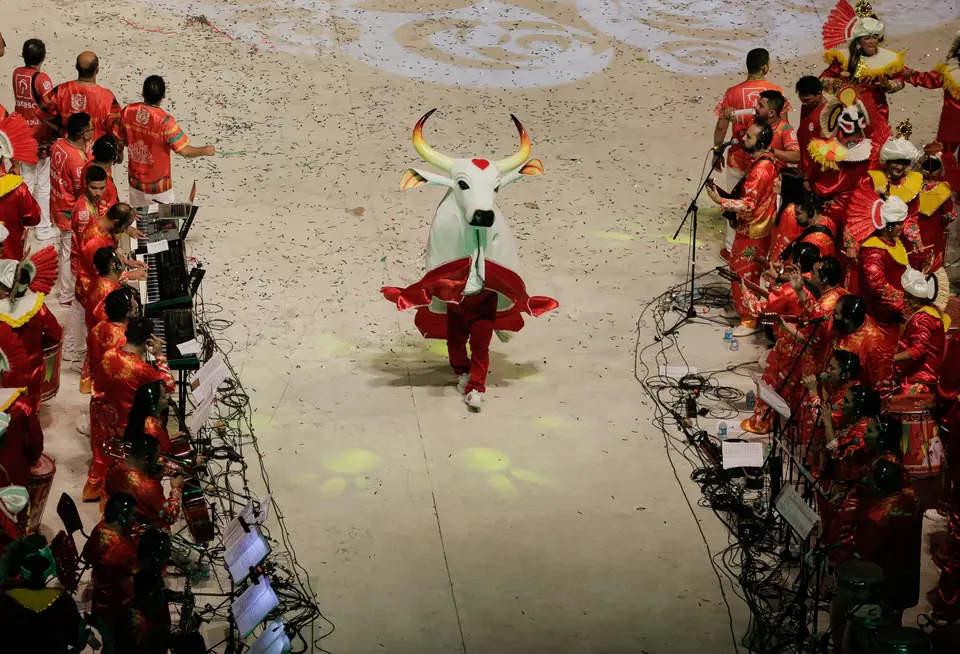
In a town in the Brazilian Amazon, two rival ox associations — blue Caprichoso and red Garantido — turn the story of the bumba-meu-boi into three nights of arena spectacle, with giant sets, drums, Amazonian legends and a whole town divided by colour.
June 25 – 27, 2027Estimated
Comments
Have you been there? Tell other readers what to expect.
No comments yet.
Comments are read by the site’s owner before they appear.