Mehregan
مهرگان
Mehregan (مهرگان) is a Zoroastrian and Iranian autumn festival. It is celebrated on the 16th day of Mehr in the Iranian calendar and honours Mithra.
What happens
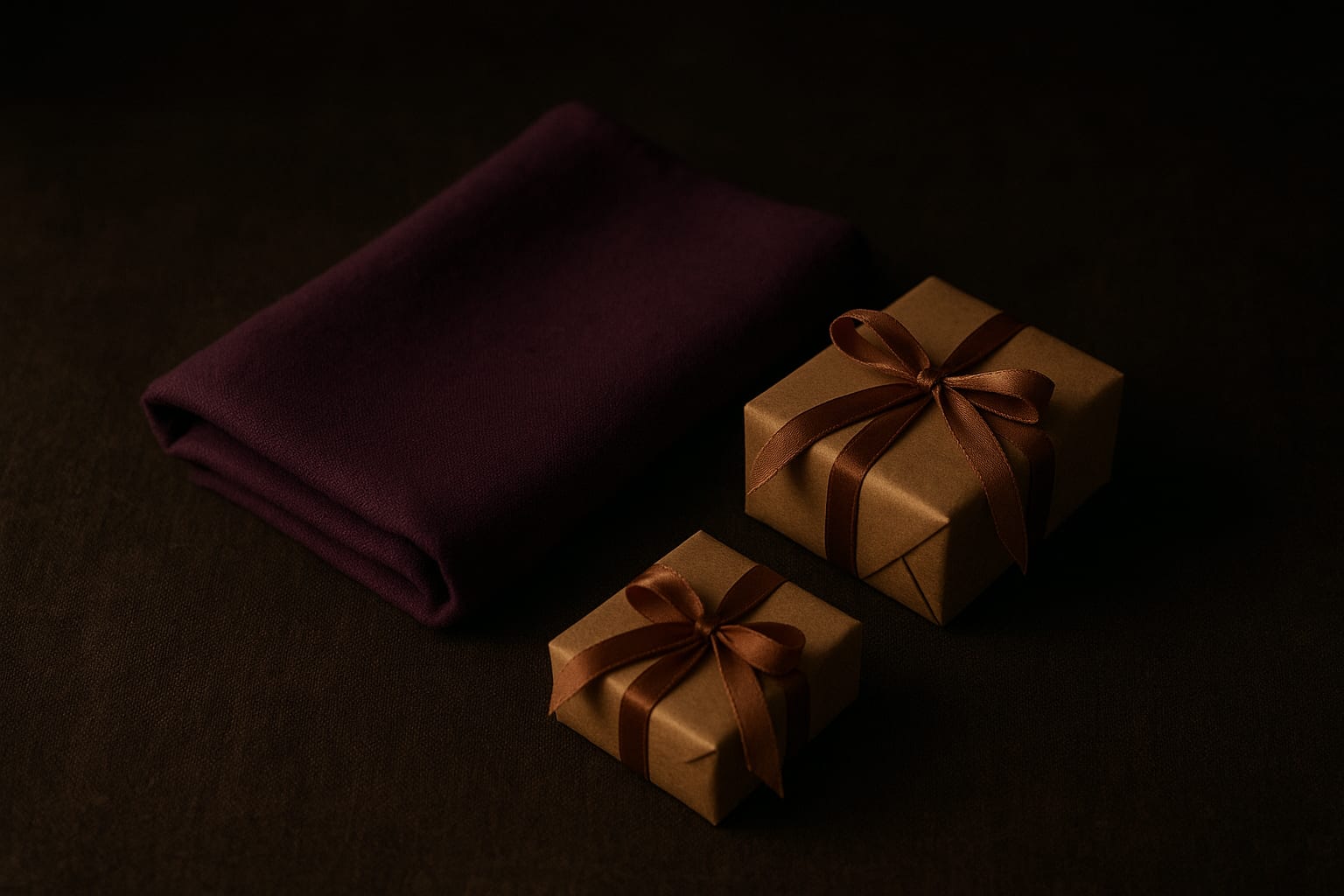
At Mehregan, a visitor would see people dressed in new clothes, with purple associated with the day. The gathering centres on a Mehregan table, laid with foods and symbolic items for the occasion.
Family and friends exchange gifts as part of the celebration. The day is also linked with the legend of Fereydun, who is said to have defeated the tyrant Zahhak on this day, and the festival is understood as marking that victory.
Why it matters
Mehregan matters as an autumn feast of friendship, affection and love. It honours Mithra, and its customs express that meaning through new clothes, a laid table, and gifts exchanged among family and friends. The festival is also read as the day Fereydun overcame the tyrant Zahhak, giving it the character of a victory as well as a harvest celebration. It is one of the oldest continuously observed Iranian festivals and is paired with Nowruz as one of the two great feasts of the Iranian year. The Ceremony of Mehregan was inscribed in 2024 on the UNESCO Representative List of the Intangible Cultural Heritage of Humanity.
When it happens
Caution
Estimated date
Estimated date
Estimated date
Estimated date
Estimated date
Estimated date
Before you go
Mehregan — visiting etiquette
Never
- Do not photograph military or government installations. Photography near them is strictly prohibited and foreign nationals have been detained and charged.
- Do not drink alcohol in public. There are no exceptions.
Photography
Photography near military and other government installations is strictly prohibited in Iran, and foreign nationals have been detained and charged under national security laws. These are Iranian laws that apply everywhere in public, not customs of this festival. They are recorded here because the observance happens outdoors, where they bind a visitor. Away from those sites, ask people before photographing them.
Dress
In public places women must cover their heads with a headscarf and wear trousers or a floor-length skirt with a long-sleeved tunic or coat reaching mid-thigh or knee; men should wear long trousers and long-sleeved shirts. These are Iranian laws that apply everywhere in public, not customs of this festival. They are recorded here because the observance happens outdoors, where they bind a visitor.
Where it happens
Only the surrounding area is published for this location.
Iran
General area only
Isfahan & Yazd
General area only
Tehran & Alborz
General area only
Sources
Short code
ir-6ks2p
A short, stable identifier for this entry, printed on cards and quotable anywhere.