Esta página aún no está traducida al español; se muestra el texto original en inglés.
Alasitas
Alasita
En la Lista del Patrimonio Cultural Inmaterial de la Humanidad de la UNESCO
Foto: PsamatheM, CC BY-SA 4.0, vía Wikimedia Commons
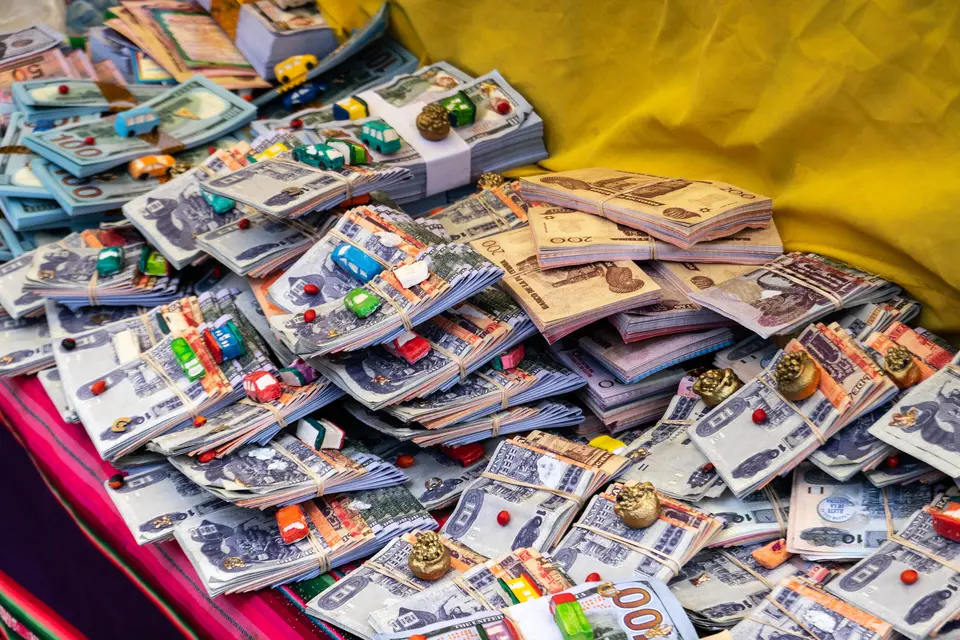
From 24 January, the streets of La Paz fill with stalls selling everything in miniature — houses, cars, diplomas, bundles of tiny banknotes — to be blessed and given away in the hope that the real thing will follow within the year, under the smiling eye of Ekeko, god of abundance.
Buy from me
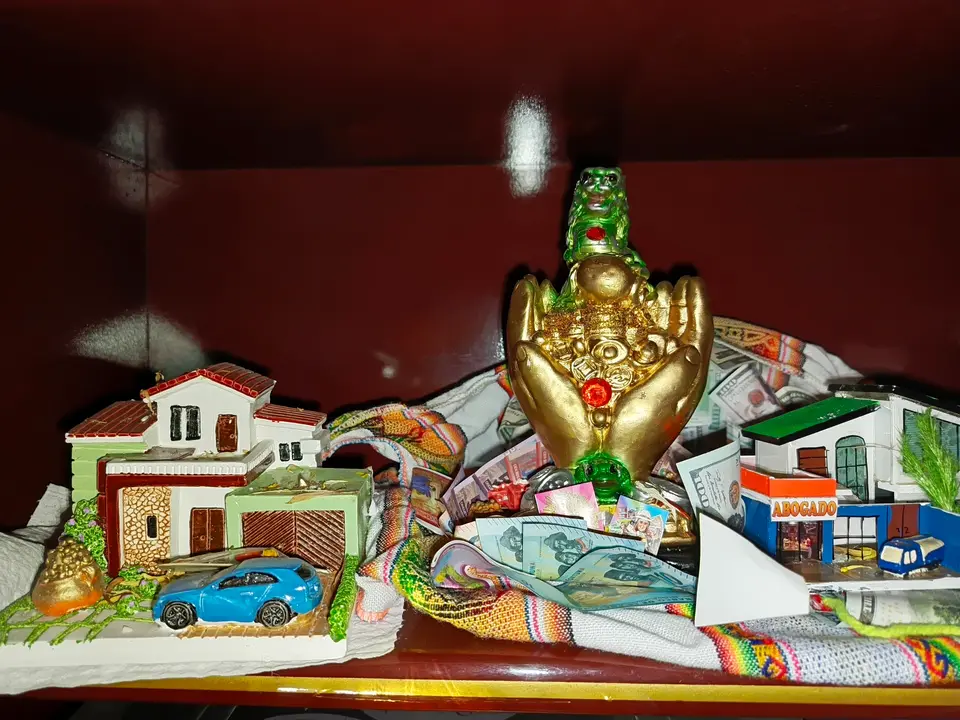
Alasita is Aymara for “buy from me”. The fair honours Ekeko, the Aymara god of abundance, and its heart is the miniature: people buy tiny versions of what they hope to have — household goods, food, computers, building materials, phones, houses, cars, university diplomas — and give them to others. It is believed that whoever receives a miniature will obtain the real thing in the course of the year. The miniatures can be blessed by ritual specialists, and at midday on 24 January the Catholic Church blesses them at the cathedral.
UNESCO, which inscribed the ritual journeys of Alasita in 2017, describes how people also exchange miniatures to settle debts symbolically, how the custom passes down within families, and how it brings together people of all social classes.
From stone coins to plaster gods
The fair’s roots are pre-Columbian: the Aymara held a celebration at which people prayed for good crops and exchanged goods, and Arthur Posnansky observed that in the Tiwanaku culture people offered miniatures of what they wished for. In the early years of La Paz, Indigenous people exchanged small stone figures and miniatures for stone coins. During the siege of La Paz in 1781, Sebastián Segurola moved the celebration from October to 24 January in thanks to Our Lady of Peace, for whom the city is named. Ekeko was first modelled in clay; today his figure is usually cast in plaster.
Cuándo se celebra
The fair opens on 24 January and lasts two to three weeks. At midday on the 24th the miniatures are blessed at the cathedral of La Paz, as well as by ritual specialists at the fair.
- 24 de enero de 2027Calculada
- 24 de enero de 2028Calculada
- 24 de enero de 2029Calculada
- 24 de enero de 2030Calculada
Visitar con respeto
Seguridad
- Petty crime is common in central La Paz and in crowded places. Keep your bag closed and in front of you.
- La Paz is at high altitude and altitude sickness is a risk. Take the first days slowly.
Fuentes
Esta entrada se escribió a partir de las siguientes fuentes.
- Ritual journeys in La Paz during AlasitaUNESCO Intangible Cultural Heritage · consultado el 17 de septiembre de 2026
- AlasitaWikipedia · consultado el 17 de septiembre de 2026
- Bolivia travel advice: safety and securityUK Foreign, Commonwealth & Development Office · consultado el 17 de septiembre de 2026
- Bolivia travel advice: healthUK Foreign, Commonwealth & Development Office · consultado el 17 de septiembre de 2026
Fiestas relacionadas
Carnival of Oruro
Carnaval de Oruro
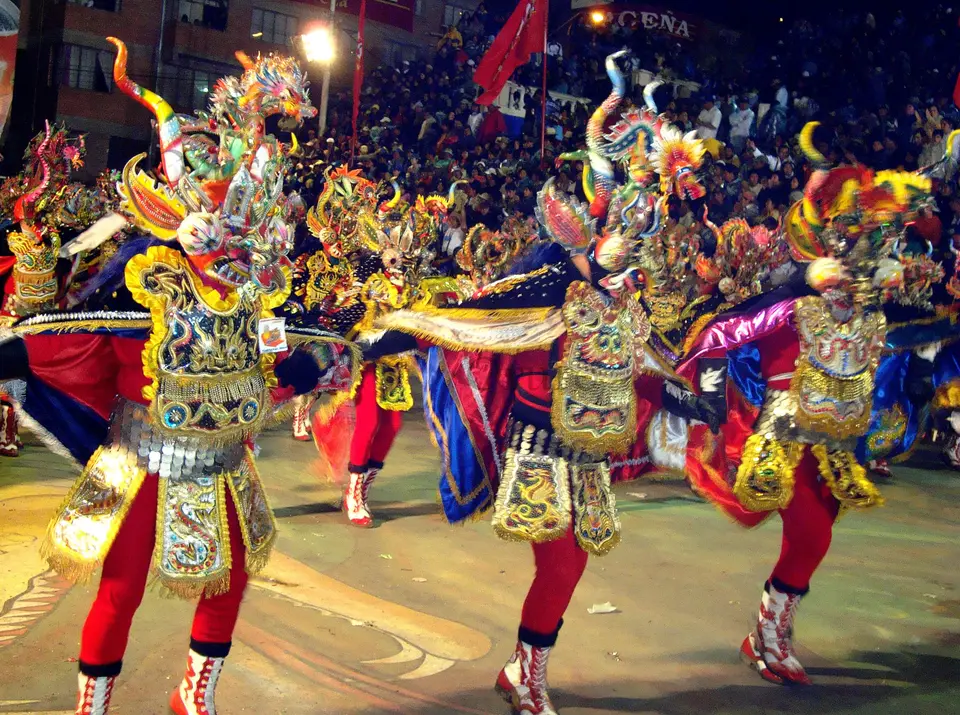
In the Bolivian highlands, some 28,000 dancers and 10,000 musicians dance their way along a four-kilometre route to the Sanctuary of the Virgin of the Mineshaft — devils, llama herders and caporales in a carnival where Andean gods and Catholic saints have long shared the stage.
6–8 de febrero de 2027Calculada
Sizdah Bedar
سیزدهبدر
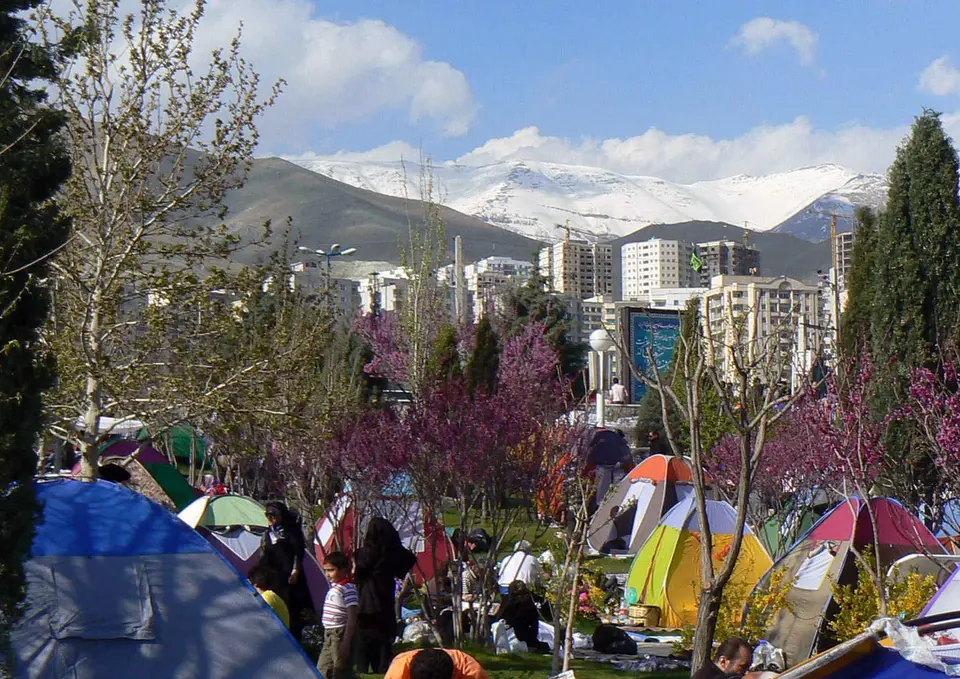
On the thirteenth day of the Iranian New Year, the whole country heads outdoors. Families picnic in parks and fields, and the sprouts grown for the Haft-sin table are thrown into running water, closing the Nowruz holidays.
2 de abril de 2027Calculada

Spring Festival (Chinese New Year)
春节
The first day of the Chinese lunisolar year is the most important holiday in Chinese culture — a season of homecoming, spring couplets on the door, a reunion dinner on New Year’s Eve and visits to relatives, which sets off one of the largest annual migrations in the world.
5–6 de febrero de 2027Calculada