یادداشت
Sizdah Bedar
سیزدهبدر
Sizdah Be-dar (سیزدهبدر, sīzdæh bedar) is an Iranian festival on the thirteenth day of Farvardin, in early April. Spent outdoors, it marks the end of the Nowruz holiday period.
چه روی میدهد
The day is spent outdoors. From the morning onwards, families picnic in parks, gardens and countryside, making this one of the most visible practices for a traveller to encounter.
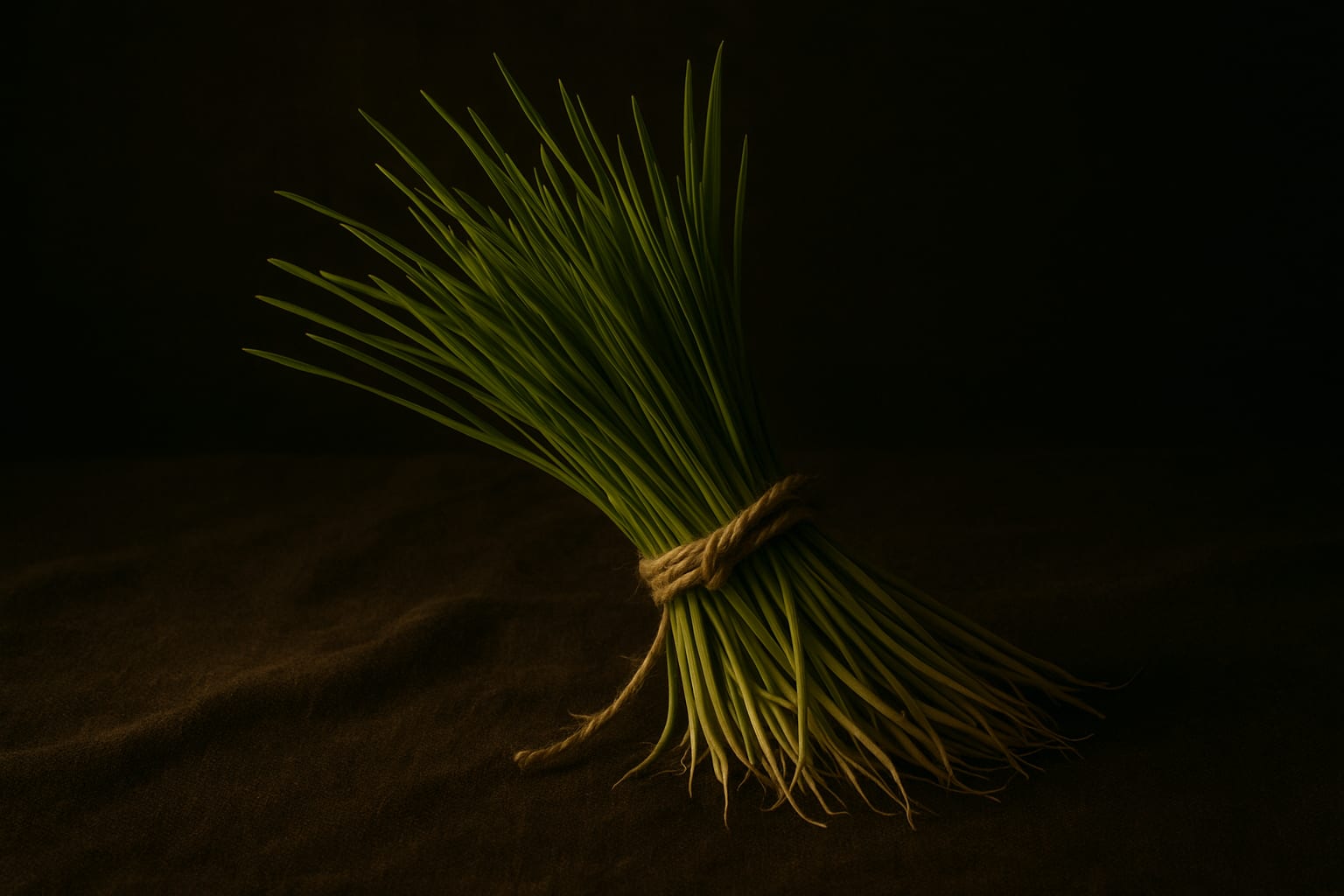
A characteristic custom is the disposal of the sabzeh (سبزه), the sprouted greens grown for the Haft-Seen display of Nowruz. Instead of keeping it or discarding it at home, people throw the sabzeh into moving water. Young unmarried people tie knots in the stems before returning the greens to the water.
Because the whole country is outdoors on the same day, public green spaces are heavily crowded, and roads out of cities are busy.
چرا اهمیت دارد
Sizdah Be-dar matters as the closing movement of the Nowruz period: on the thirteenth day of the year, the new-year observance is carried out of the house and into open ground. Returning the sabzeh grown for the Haft-Seen to moving water ends the household display by giving it away rather than simply putting it aside. The knots tied in the stems by unmarried people carry wishes, linking the act of leaving the house with hope for what is to come. It is not inscribed on any UNESCO list.
چه زمانی برگزار میشود
احتیاط
تاریخ تخمینی
تاریخ تخمینی
تاریخ تخمینی
تاریخ تخمینی
تاریخ تخمینی
پیش از رفتن
Sizdah Bedar — visiting etiquette
هرگز
- Do not photograph military or government installations. Photography near them is strictly prohibited and foreign nationals have been detained and charged.
- Do not drink alcohol in public. There are no exceptions.
عکاسی
Photography near military and other government installations is strictly prohibited in Iran, and foreign nationals have been detained and charged under national security laws. These are Iranian laws that apply everywhere in public, not customs of this festival. They are recorded here because the observance happens outdoors, where they bind a visitor. Away from those sites, ask people before photographing them.
پوشش
In public places women must cover their heads with a headscarf and wear trousers or a floor-length skirt with a long-sleeved tunic or coat reaching mid-thigh or knee; men should wear long trousers and long-sleeved shirts. These are Iranian laws that apply everywhere in public, not customs of this festival. They are recorded here because the observance happens outdoors, where they bind a visitor.
کجا برگزار میشود
Only the surrounding area is published for this location.
ایران
فقط محدودهٔ کلی
Tehran & Alborz
فقط محدودهٔ کلی
Isfahan & Yazd
فقط محدودهٔ کلی
Shiraz & Fars
فقط محدودهٔ کلی
منابع
کد کوتاه
ir-a1b33
شناسهای کوتاه و پایدار برای این مدخل؛ روی کارتها چاپ میشود و همهجا قابل ارجاع است.