Cette page n’est pas encore traduite en français ; le texte original anglais est affiché.
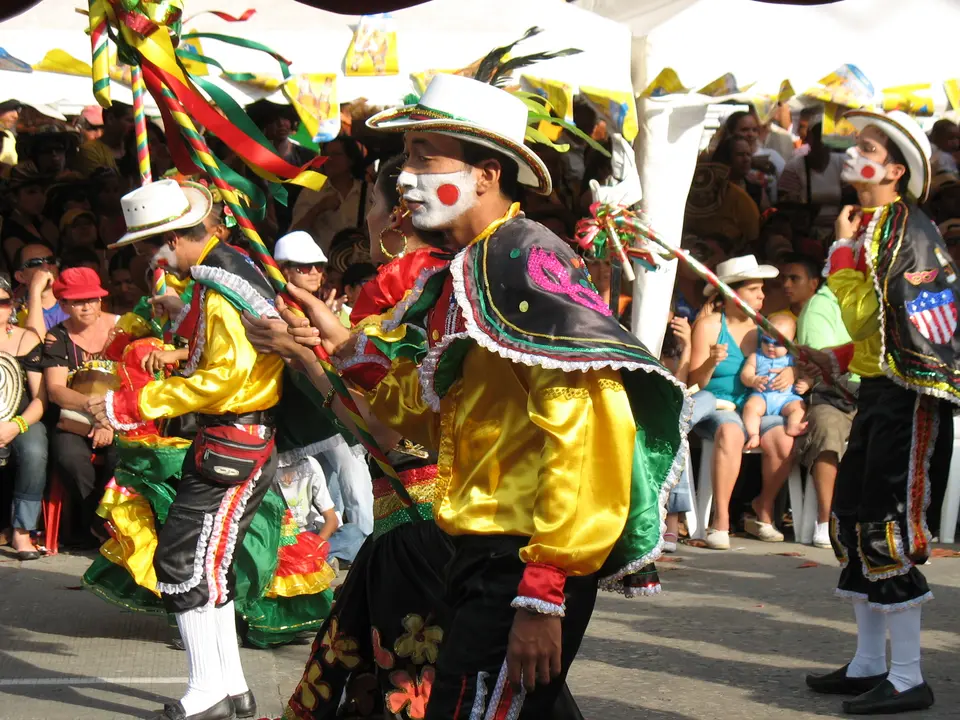
Barranquilla Carnival
Carnaval de Barranquilla
Inscrite sur la Liste du patrimoine culturel immatériel de l’humanité de l’UNESCO
Photo : Jdvillalobos, CC BY 3.0, via Wikimedia Commons
For the four days before Lent, Colombia’s Caribbean port sets work aside for one of the world’s largest carnivals — a Battle of Flowers, a Great Parade of cumbia, congo and garabato dancers, an orchestra contest, and the burial of Joselito Carnaval.
Four days before Lent
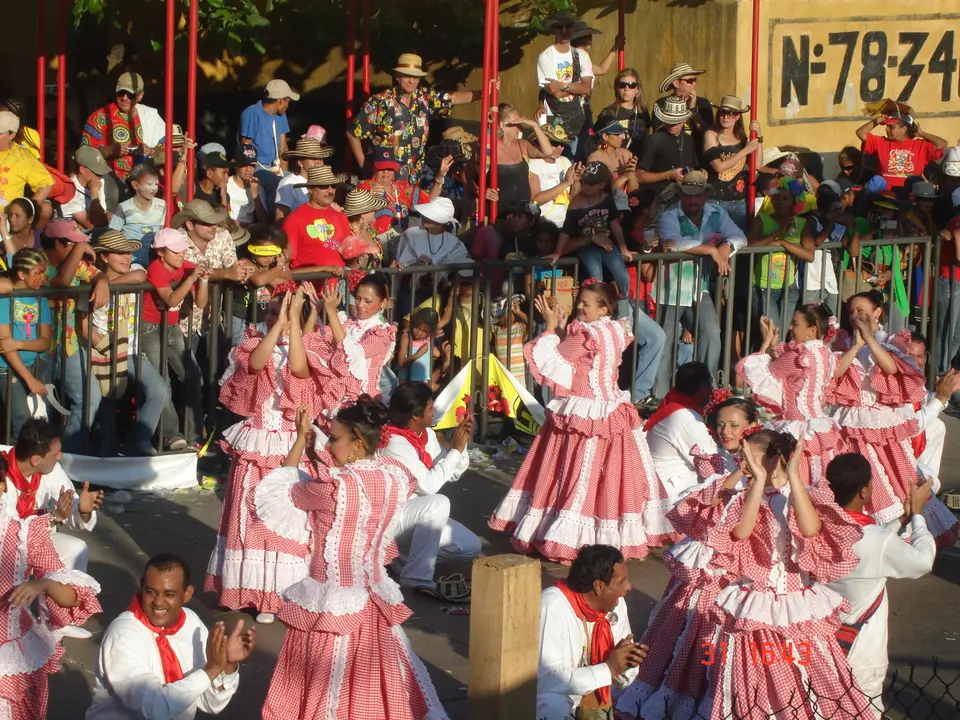
The Carnaval de Barranquilla offers a repertory of dances and music from many of Colombia’s regional cultures, blending European, African and Indigenous traditions. Among its dances are the Spanish paloteo, the African congo and the Indigenous mico y micas; its music is above all cumbia, played by drum and wind ensembles; and it is full of handmade floats, costumes and masks. Theatrical groups satirise politicians and the events of the day. The carnival was declared national cultural heritage in 2002 and proclaimed a Masterpiece of the Oral and Intangible Heritage of Humanity by UNESCO in 2003.
It opens on Saturday with the Battle of Flowers, first held in 1903 to celebrate the end of the Thousand Days’ War. On Sunday and Monday comes the Great Parade, introduced in 1967, along with the Orchestra Festival of Caribbean and Latin bands. On Tuesday the carnival ends with the burial of Joselito Carnaval, mourned by the whole city. Its motto is Quien lo vive es quien lo goza — those who live it are the ones who enjoy it.
Before the carnival
The celebrations start unofficially just after New Year. The pre-carnival officially begins with the reading of the Carnival Proclamation, when the mayor symbolically hands the keys of the city to the carnival queen, who reads a “decree” of what is allowed and forbidden. The queen is crowned on the Thursday before the Battle of Flowers, and on the Friday before the carnival comes La Guacherna, a night parade first held in 1974 and considered the most important pre-carnival event. King Momo has been one of the carnival’s main characters since 1888, and the first queen was chosen in 1918.
Quand a-t-elle lieu
The carnival runs for the four days before Ash Wednesday, from Saturday to Shrove Tuesday, in February or early March. Pre-carnival events begin soon after New Year, and the night parade of La Guacherna is held on the Friday before.
- 6–9 février 2027Calculée
- 26–29 février 2028Calculée
- 10–13 février 2029Calculée
- 2–5 mars 2030Calculée
Visiter avec respect
Sécurité
- Pickpocketing, mugging and armed robbery are a problem in Colombia’s major cities, including on the Caribbean coast. Carry little and keep valuables out of sight.
- Criminals have used drugs such as scopolamine in drinks, food and cigarettes to rob visitors. Do not leave drinks unattended or accept anything from strangers.
- Use pre-booked taxis; criminals posing as taxi drivers carry out “express kidnappings”.
Sources
Cette entrée a été rédigée à partir des sources suivantes.
- Carnival of BarranquillaUNESCO Intangible Cultural Heritage · consulté le 17 septembre 2026
- Barranquilla CarnivalWikipedia · consulté le 17 septembre 2026
- Colombia travel advice: safety and securityUK Foreign, Commonwealth & Development Office · consulté le 17 septembre 2026
Fêtes apparentées
Blacks and Whites’ Carnival
Carnaval de Negros y Blancos
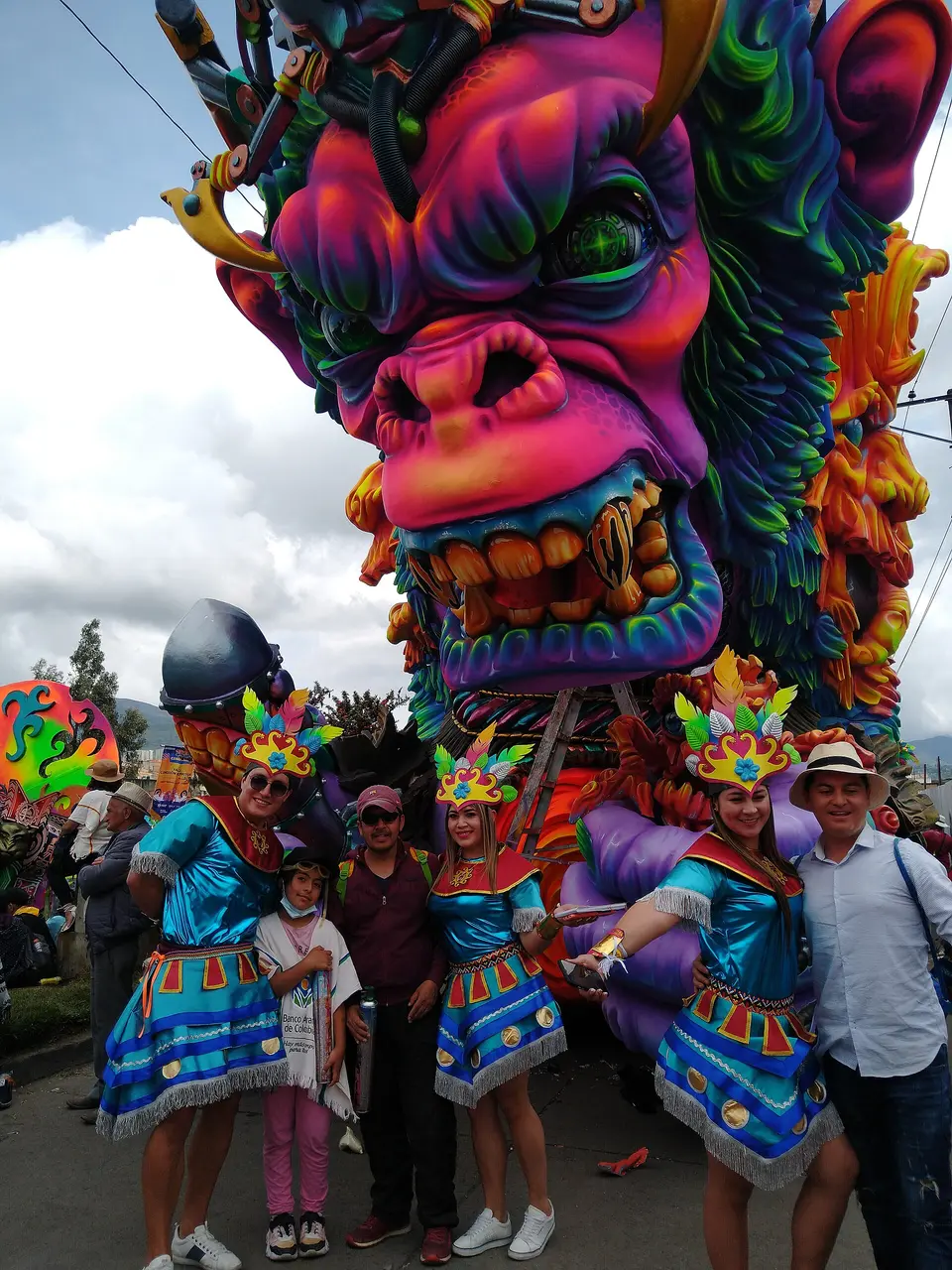
In the Andean city of Pasto, the first week of January turns into a festival of equality — everyone is painted black on one day and powdered white the next, before a grand parade of towering handmade floats.
5–6 janvier 2027Calculée
Rio Carnival
Carnaval do Rio de Janeiro
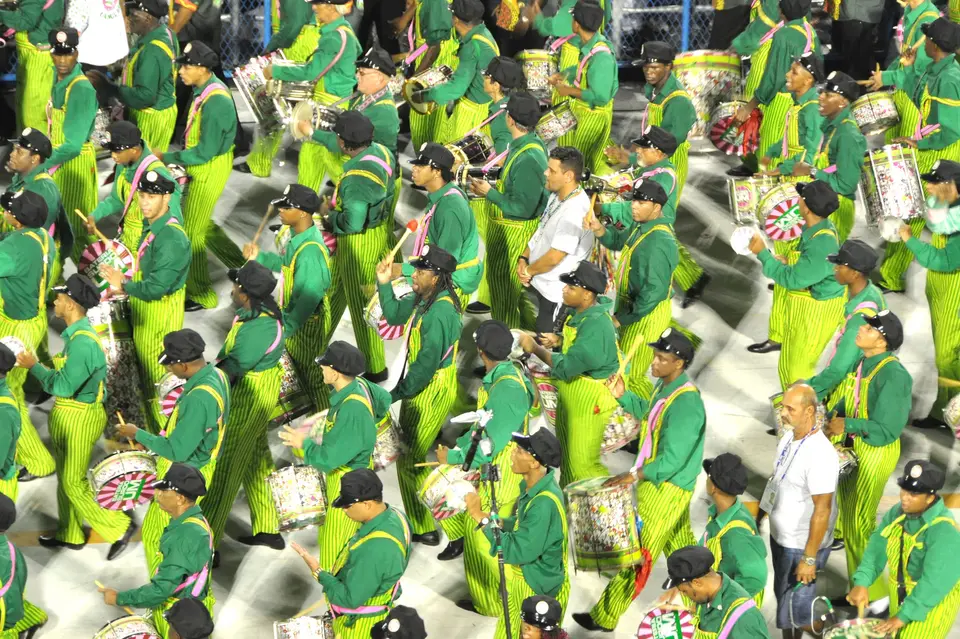
In the days before Lent, Rio de Janeiro holds what is considered the world’s largest carnival — two million people a day on the streets, and a contest of samba schools that parade through the Sambadrome with floats, drummers and thousands of dancers.
5–9 février 2027Calculée
Carnival of Venice
Carnevale di Venezia
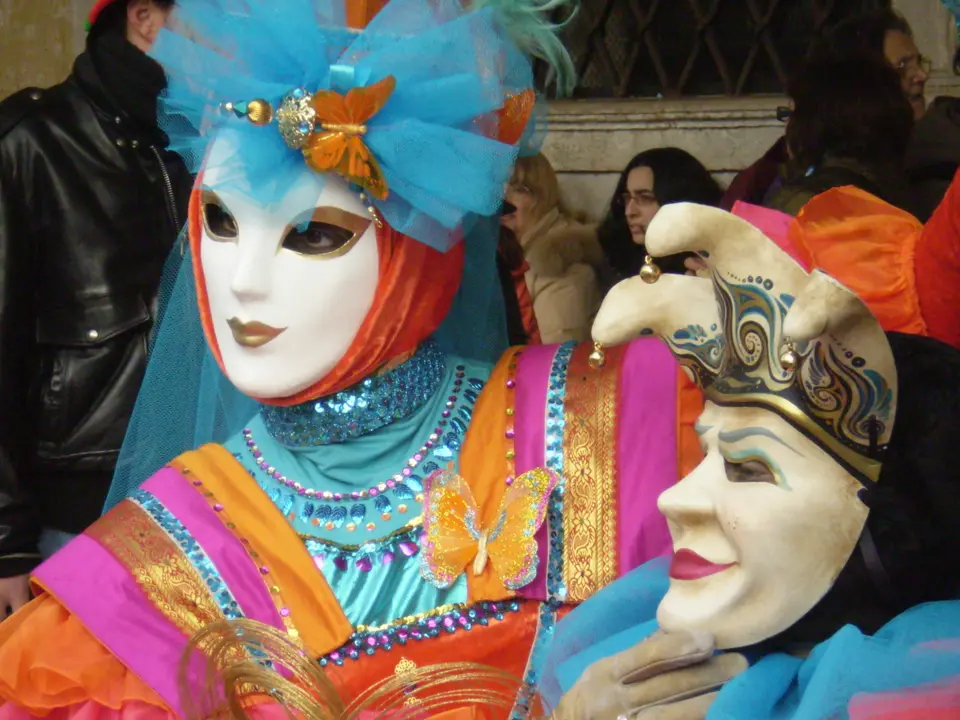
For two and a half weeks before Lent, Venice returns to the masks and costumes that made its carnival famous across Europe — banned for almost two centuries, revived in 1979, and now drawing millions of visitors to the city’s squares and canals.
23 janvier – 9 février 2027Annoncée officiellement