Cette page n’est pas encore traduite en français ; le texte original anglais est affiché.
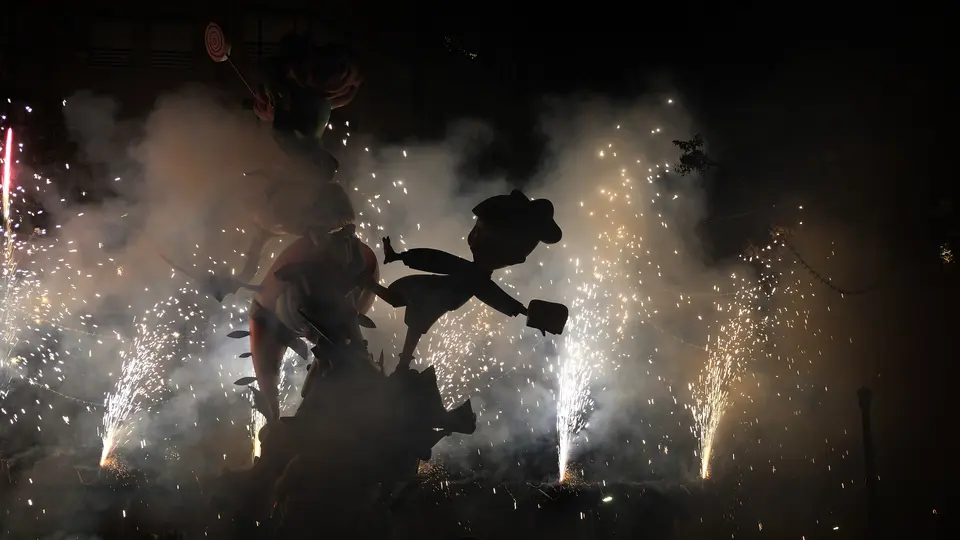
Las Fallas
Falles
Inscrite sur la Liste du patrimoine culturel immatériel de l’humanité de l’UNESCO
Photo : Rafa Esteve, CC BY-SA 4.0, via Wikimedia Commons
In March, Valencia fills its streets with giant satirical sculptures of cardboard and papier-mâché, shakes to the midday thunder of firecrackers, and then, on the night of 19 March, sets every one of the monuments on fire to welcome the spring.
Monuments made to burn
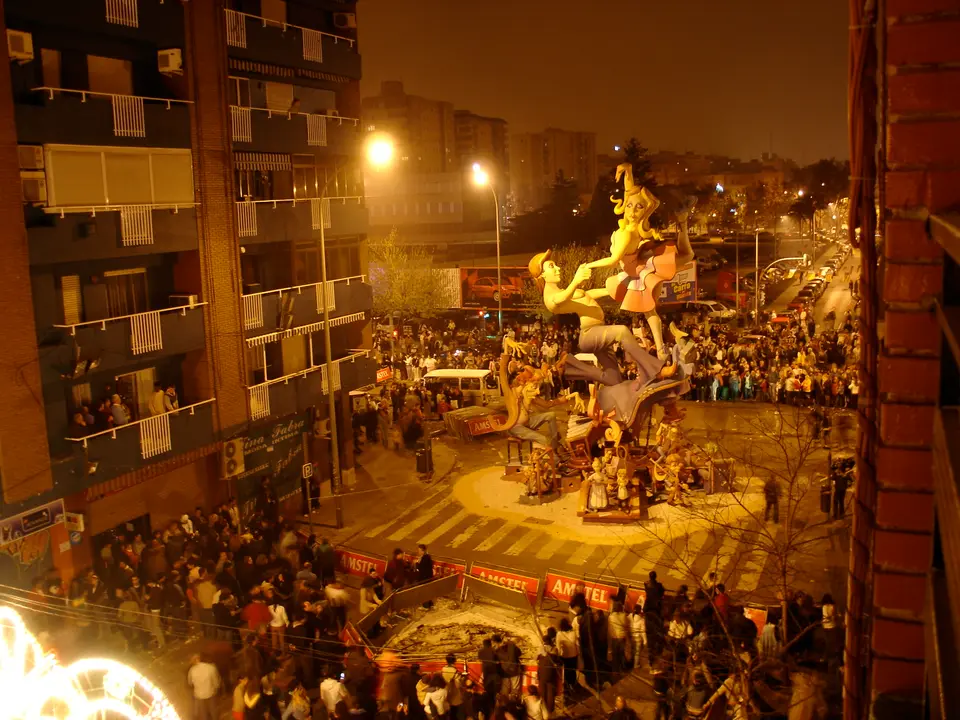
The heart of the Fallas is the falla: a giant monument built from caricature figures called ninots, created by local artists and craftspeople and set up in the squares and streets of Valencia’s neighbourhoods. Each falla is a commentary, often satirical, on the social and political issues of the day. The word Fallas means both the festival and the monuments.
UNESCO describes the festival as a celebration of the coming of spring. At its end the fallas are set alight — a symbol of purification and of the renewal of the community’s social life.
Days of noise and fire
From 1 to 19 March, a mascletà — a thunderous, rhythmic display of firecrackers — shakes the city every day. Marching bands parade through the streets, people eat together outdoors, and fireworks light the nights. Each year a Fallas Queen is chosen to represent the festival.
Since 1934, every falla has sent one figure to the Exposició del Ninot, where the public votes to spare one ninot from the flames. The winner, the ninot indultat, goes to the city’s Fallas Museum.
On the night of 19 March comes the Cremà, when the monuments burn across the city.
Made by the neighbourhoods
The knowledge of how to build the ninots is passed down within families and among the craft guilds of the participating communities. UNESCO notes that the Fallas are a source of shared creativity and community pride — and that in the past, when Valencian was prohibited, the festival helped keep the language alive. The Valencia Fallas festivity was inscribed on UNESCO’s Representative List in 2016.
Quand a-t-elle lieu
The five main days of Las Fallas are 15 to 19 March, ending with the Cremà, the burning of the monuments, on the night of 19 March. The mascletà, a midday display of firecrackers, takes place every day from 1 to 19 March.
- 15–19 mars 2027Calculée
- 15–19 mars 2028Calculée
- 15–19 mars 2029Calculée
- 15–19 mars 2030Calculée
Visiter avec respect
Bon à savoir
- The fallas belong to neighbourhood associations who spend the year building them. Admire them, but do not climb on or touch the monuments.
- Follow the instructions of the police and firefighters at the Cremà, and stay behind the barriers.
Sécurité
- The mascletà and the Cremà are extremely loud and draw dense crowds. Protect your hearing, especially children’s, and keep your group together.
- Firecrackers are set off in the streets throughout the festival. Keep your distance and watch where you step.
Sources
Cette entrée a été rédigée à partir des sources suivantes.
- Valencia Fallas festivityUNESCO Intangible Cultural Heritage · consulté le 16 septembre 2026
- FallesWikipedia (English) · consulté le 16 septembre 2026
- Spain travel advice: safety and securityUK Foreign, Commonwealth & Development Office · consulté le 16 septembre 2026
Fêtes apparentées
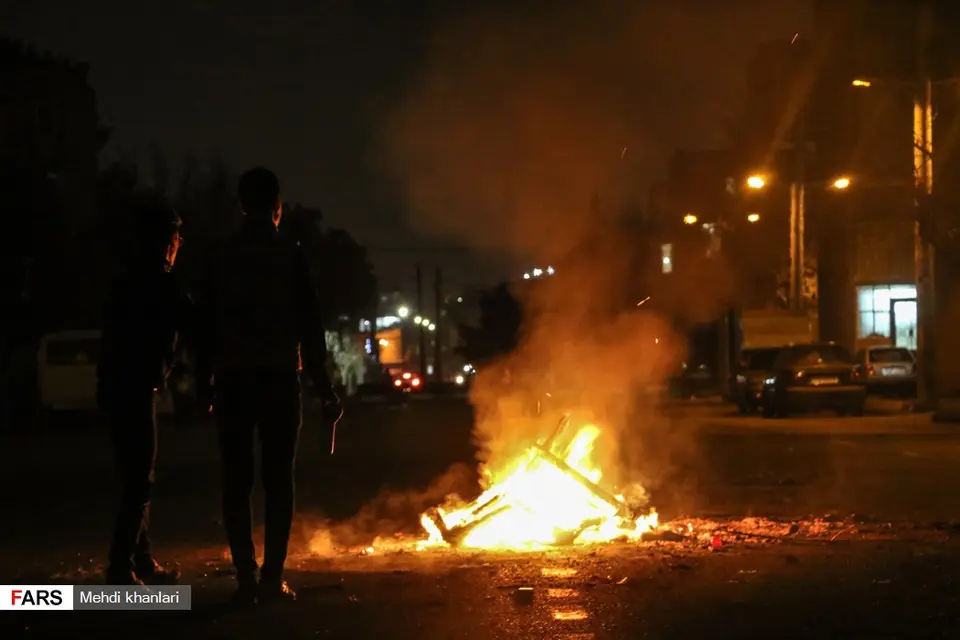
Chaharshanbe Suri
چهارشنبهسوری
On the eve of the last Wednesday of the Iranian year, bonfires are lit in yards, streets and on rooftops, and people leap over the flames, asking the fire to take away their pallor and give them its red glow for the year ahead.
16 mars 2027Calculée
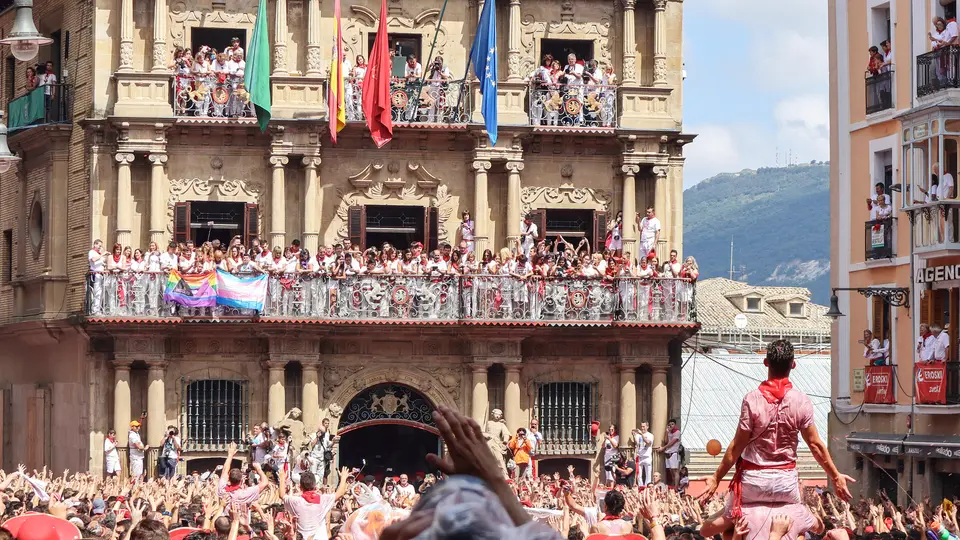
San Fermín
Sanfermines
From noon on 6 July to midnight on 14 July, Pamplona dresses in white and red for its patron saint. A rocket opens the fiesta, giants dance through the old town every morning, bulls run through the streets at eight — and on the last night the whole city sings “Pobre de mí”.
6–14 juillet 2027Calculée
La Tomatina
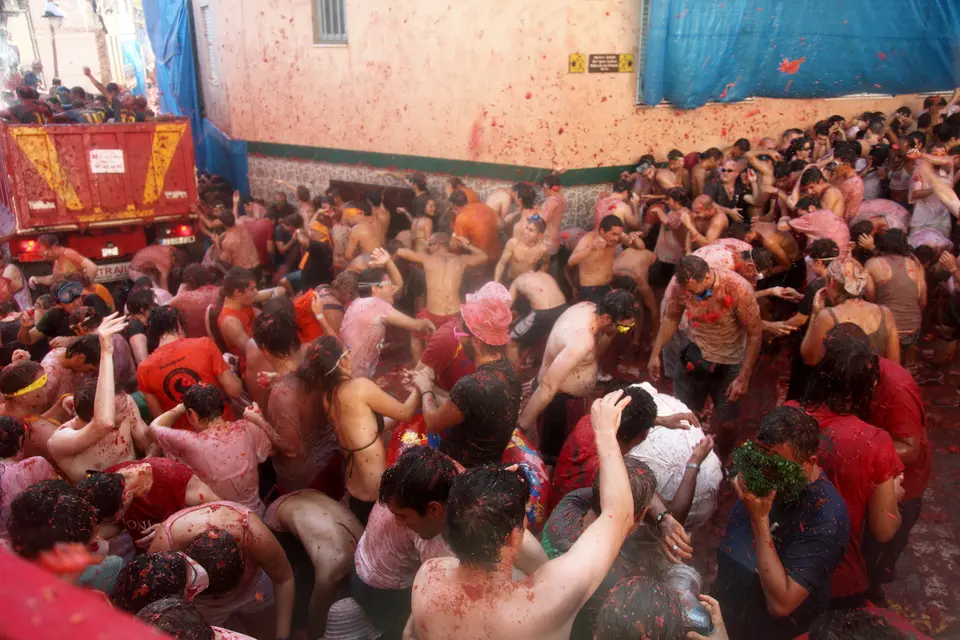
On the last Wednesday of August, the small town of Buñol near Valencia hosts what is said to be the world’s biggest food fight — an hour in which thousands of ticket-holders pelt each other with tomatoes until the streets run red.
25 août 2027Calculée