यह पृष्ठ अभी हिन्दी में अनूदित नहीं हुआ है; मूल अंग्रेज़ी पाठ दिखाया जा रहा है।
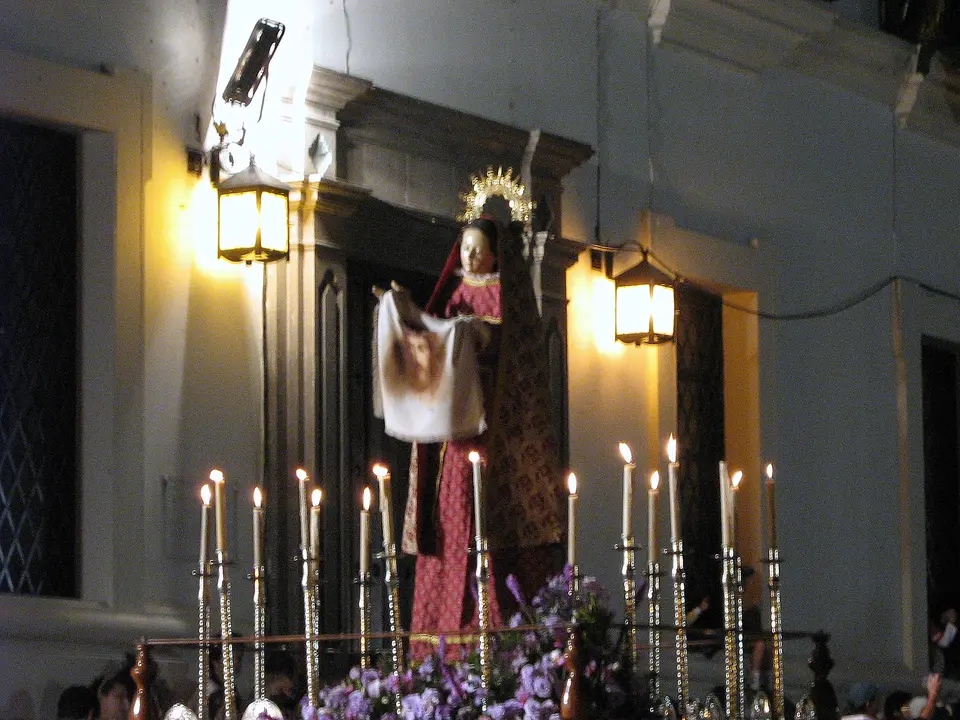
Holy Week in Popayán
Semana Santa de Popayán
यूनेस्को की मानवता की अमूर्त सांस्कृतिक विरासत की सूची में शामिल
फ़ोटो: Sonilortiz, CC BY 3.0, विकिमीडिया कॉमन्स से
Every night from Tuesday to Holy Saturday, the white colonial city of Popayán follows floats of eighteenth-century saints carried on the shoulders of its cargueros — processions held here since the 1550s and prepared all year.
Five nights of processions
Holy Week in Popayán, in the department of Cauca, is one of Colombia’s oldest traditions, and has been celebrated since the colonial period. From Tuesday to Saturday, five processions devoted to Mary, Jesus, the Cross, the Laying in the Tomb and the Resurrection follow a two-kilometre route through the centre of the “White City”, in a cross-shaped course laid out since the conquest and passing its main churches.
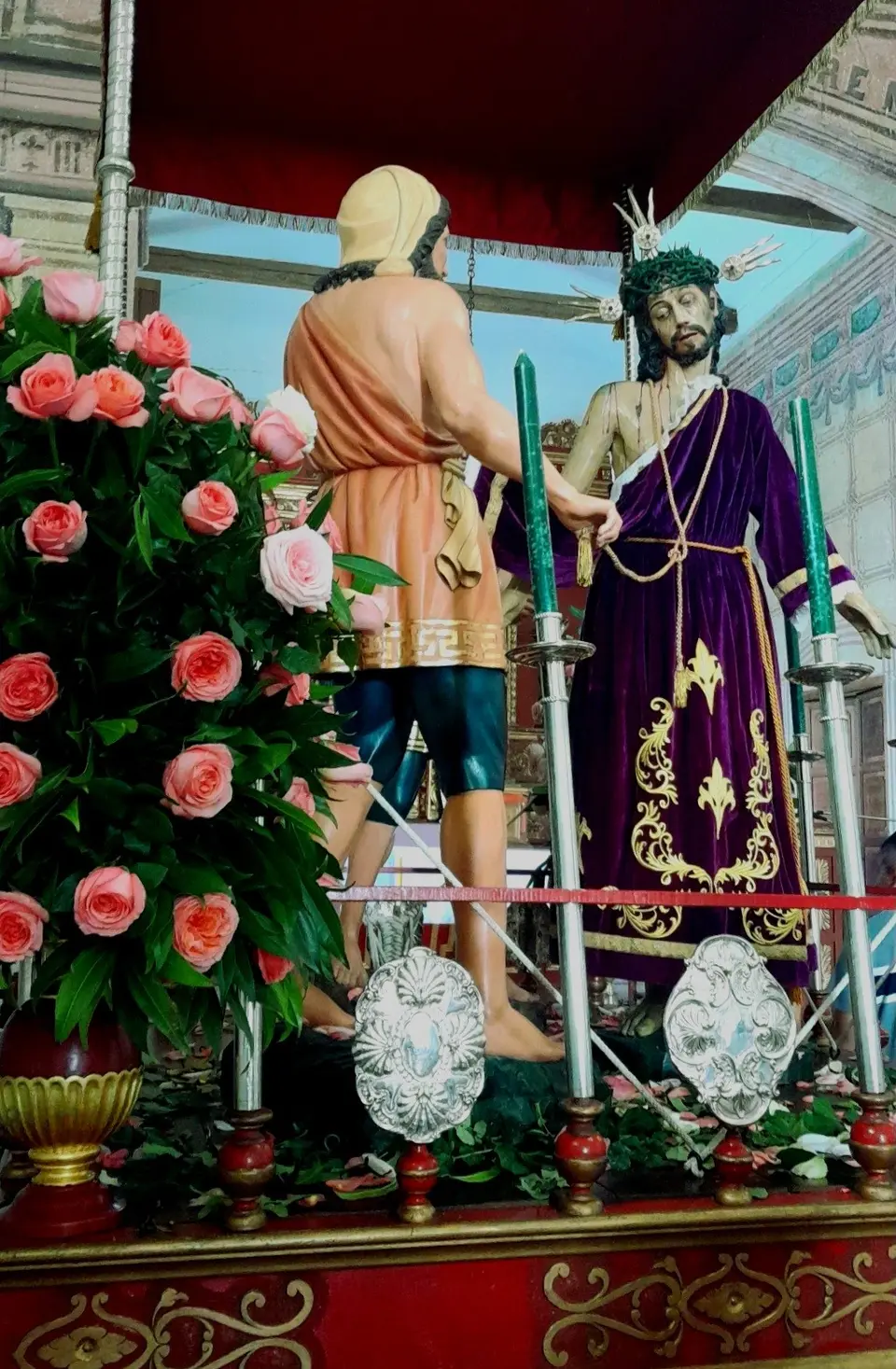
Each procession is built around pasos, wooden platforms carrying flower-decked statues that depict episodes of the Passion. Most of the images date from the late eighteenth century, and they come from Spanish, Andalusian, Quito, Italian and local workshops. The pasos rest on four bars at the front and four at the back and are carried on the shoulders of the cargueros. Each night opens with the high cross and acolytes, followed by a police band, the paso of St John the Evangelist and the other images.
A year of preparation
According to UNESCO, which inscribed the processions in 2009, preparations last a whole year and follow rules passed down from generation to generation, with children taking part from the age of five. The processions have their own vocabulary, and every role is precisely assigned.
Popayán’s first recorded processions date from 1556, and in 1558 King Philip II signed royal charters authorising them. A sixteenth-century chronicle tells how Indigenous rebels approaching the city at night saw an endless line of moving lights, took it for an army with torches and withdrew — it was the Holy Thursday procession of penitents. In the colonial era the city’s wealth adorned the images with gold, silver and emeralds; the processions grew less lavish during the wars of independence and the economic crises that followed.
कब होता है
The processions take place from the Tuesday to the Saturday before Easter, between about 8 and 11 in the evening, so their dates move with Easter, in March or April.
- 23–27 मार्च 2027गणना से
- 11–15 अप्रैल 2028गणना से
- 27–31 मार्च 2029गणना से
- 16–20 अप्रैल 2030गणना से
स्रोत
यह प्रविष्टि इन स्रोतों के आधार पर लिखी गई है।
- Holy Week processions in PopayánUNESCO Intangible Cultural Heritage · 17 सितंबर 2026 को देखा गया
- Holy Week in PopayánWikipedia · 17 सितंबर 2026 को देखा गया
- Colombia travel advice: safety and securityUK Foreign, Commonwealth & Development Office · 17 सितंबर 2026 को देखा गया
संबंधित त्योहार
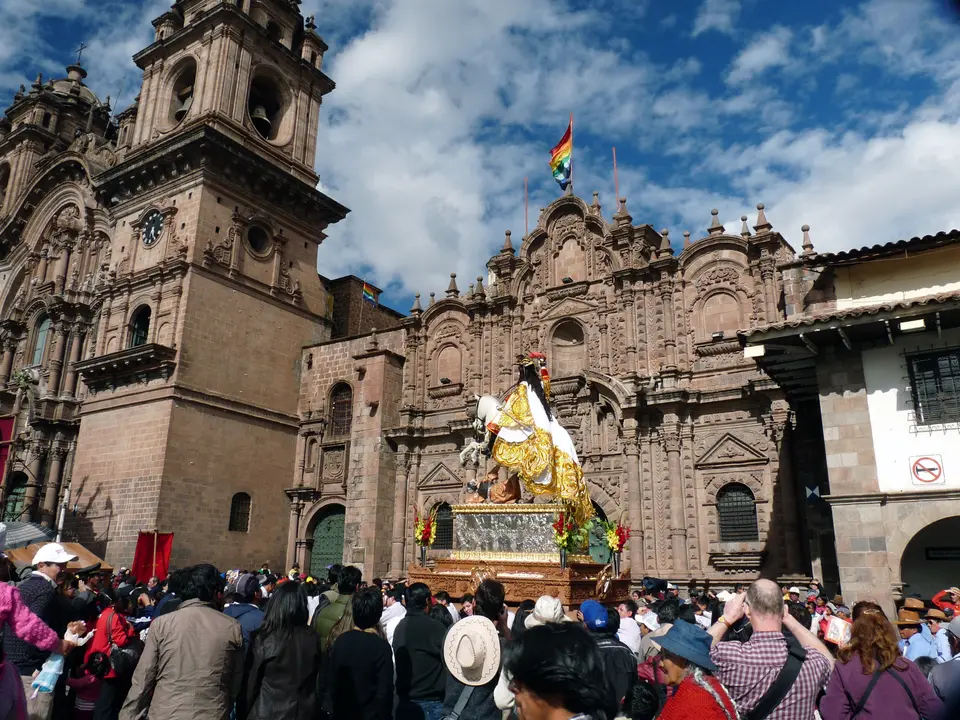
Corpus Christi in Cusco
Corpus Christi del Cusco
On the feast of Corpus Christi, the parishes of Cusco carry fifteen images of saints and virgins into the Plaza de Armas, where they process with the cathedral’s gold and silver monstrance and then stay in the cathedral for a week — a Catholic feast shaped by centuries of Andean devotion and rivalry.
26–27 मई 2027गणना से
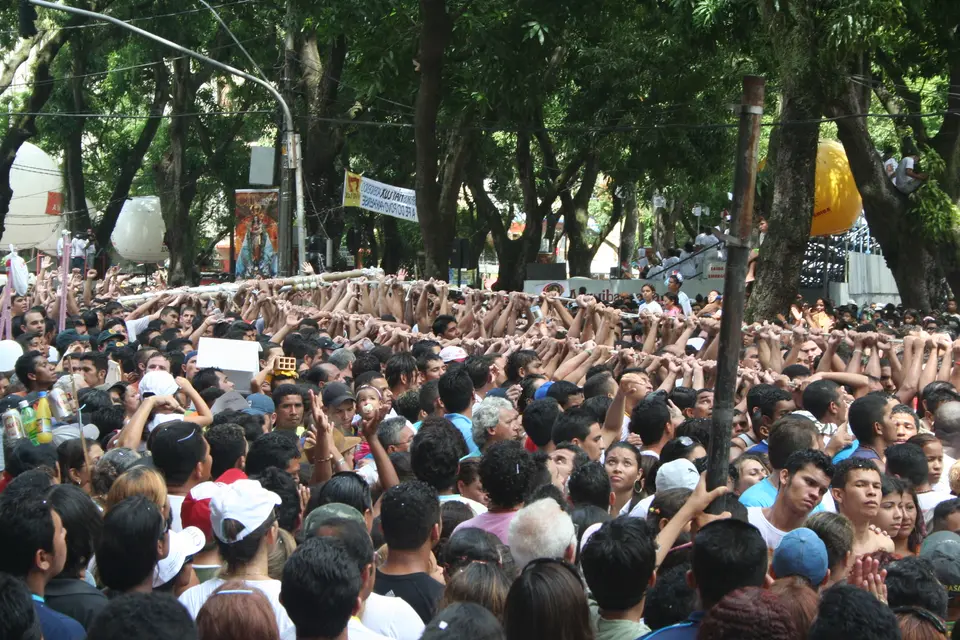
Círio de Nazaré
On the second Sunday of October about two million people fill the streets of Belém, in the state of Pará, to follow a small wooden image of Our Lady of Nazareth — thousands of them straining to hold a 400-metre rope — in the largest Catholic event in Brazil.
11 अक्टूबर 2026गणना से
Macchina di Santa Rosa
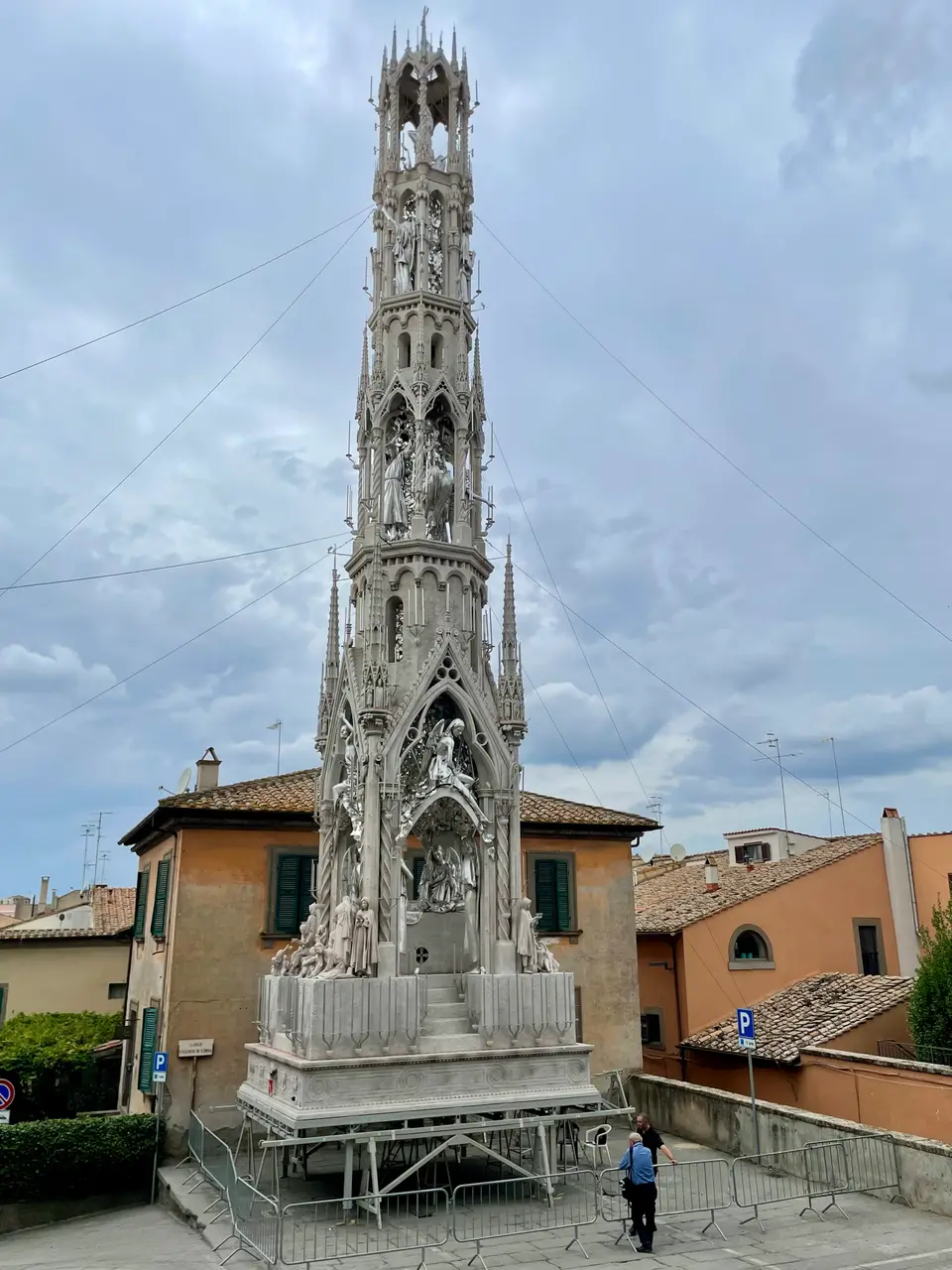
On the evening of 3 September, a hundred porters lift a tower some thirty metres tall and five tonnes in weight onto their shoulders and carry it through the medieval streets of Viterbo in honour of the city’s patron saint.
3 सितंबर 2027गणना से