यह पृष्ठ अभी हिन्दी में अनूदित नहीं हुआ है; मूल अंग्रेज़ी पाठ दिखाया जा रहा है।
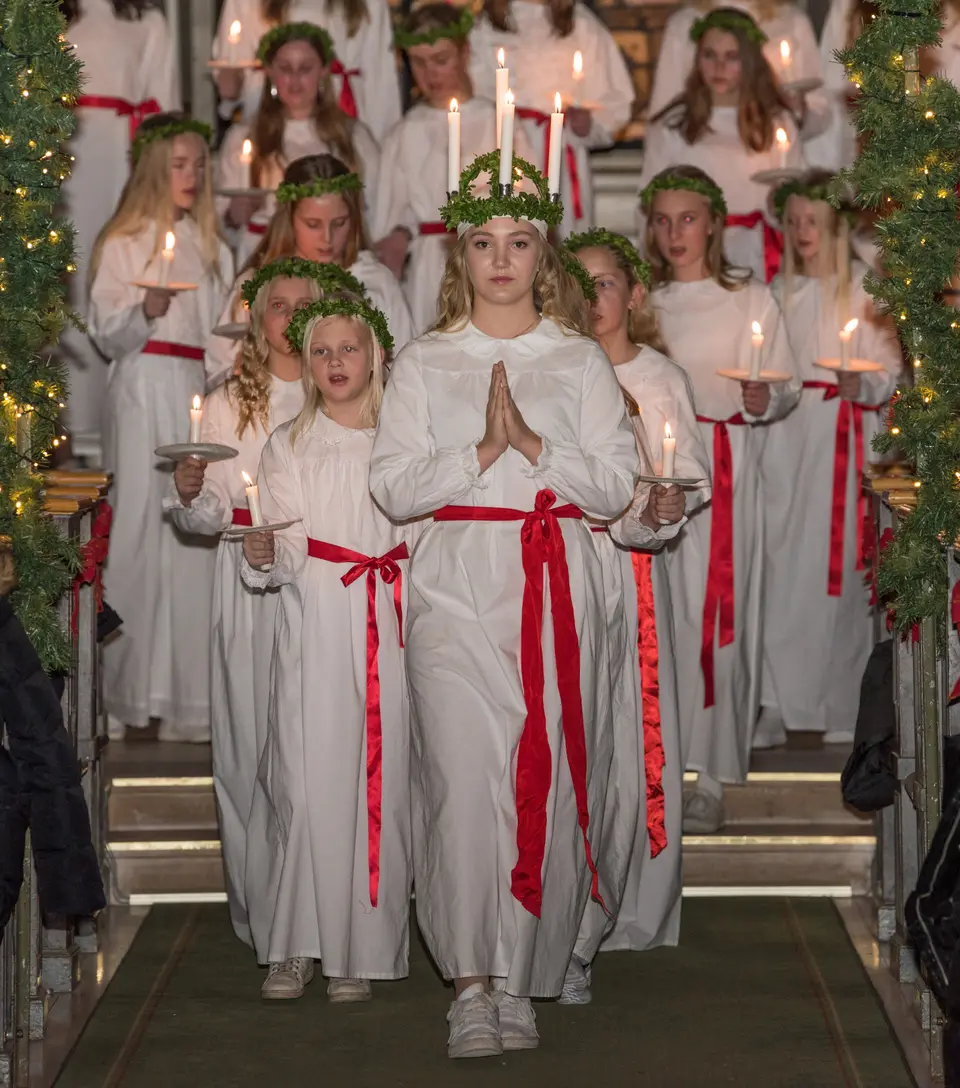
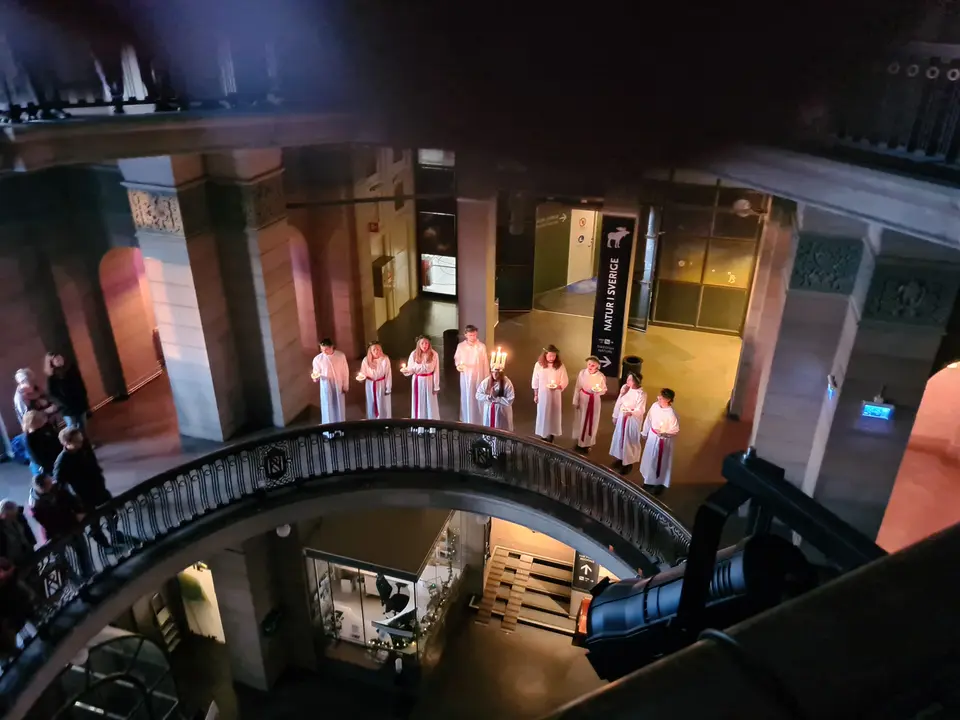
On 13 December, processions in white gowns walk into schools, churches and town squares across Sweden, led by a Lucia wearing a crown of candles and singing of light returning to the dark — followed by saffron buns and mulled wine.
The bearer of light
Across Sweden, Lucia processions are performed by children’s groups, youth choirs and adult choirs, from keen amateurs to professionals, all dressed in white full-length gowns. Tradition says that Lucia wears “light in her hair”, which today usually means a wreath with electric candles on her head, and each of her handmaidens carries a candle too. The star boys, also in white, carry stars on sticks and wear tall paper cones on their heads, and Christmas elves with small lanterns bring up the rear.
The songs share one theme: the triumph of light over darkness as Lucia appears. The best known, which almost every Swede knows by heart, usually accompanies the procession in and out, beginning with the night treading heavily around yards and dwellings until Saint Lucia comes bearing lighted candles.
Saint and folk belief
The Swedish Lucia custom appears to blend several traditions: the martyr Saint Lucia of Syracuse, who died in 304, and a Swedish legend of Lucia as Adam’s first wife. In the old almanac, Lucia Night was the longest of the year, a dangerous night when supernatural beings were abroad and animals could speak. People were urged to eat seven or nine hearty breakfasts, the last to rise was teased as “Lusse the Louse”, and in agrarian Sweden young people dressed up as Lucia figures and went from house to house singing and asking for food and schnapps.
The first recorded white-clad Lucia appeared in a country house in 1764, but the custom only became popular throughout Swedish society in the 1900s, when schools and local associations promoted it as a calmer celebration than the rowdy carousing of the past. Stockholm proclaimed its first Lucia in 1927.
कब होता है
Lucia is celebrated on 13 December every year. Processions take place in schools, preschools, churches, workplaces and at choral and community events.
- 13 दिसंबर 2026गणना से
- 13 दिसंबर 2027गणना से
- 13 दिसंबर 2028गणना से
- 13 दिसंबर 2029गणना से
खान-पान
Lussekatter
Sweet saffron buns shaped like curled-up cats with raisin eyes, eaten with gingerbread biscuits.
Glögg
Swedish mulled wine, which also comes in alcohol-free versions, served with the buns — or coffee or tea instead.
स्रोत
यह प्रविष्टि इन स्रोतों के आधार पर लिखी गई है।
- Lucia in SwedenSwedish Institute (sweden.se) · 17 सितंबर 2026 को देखा गया
- Saint Lucy's DayWikipedia · 17 सितंबर 2026 को देखा गया
- Sweden travel advice: safety and securityUK Foreign, Commonwealth & Development Office · 17 सितंबर 2026 को देखा गया
संबंधित त्योहार
Midsummer
Midsommar
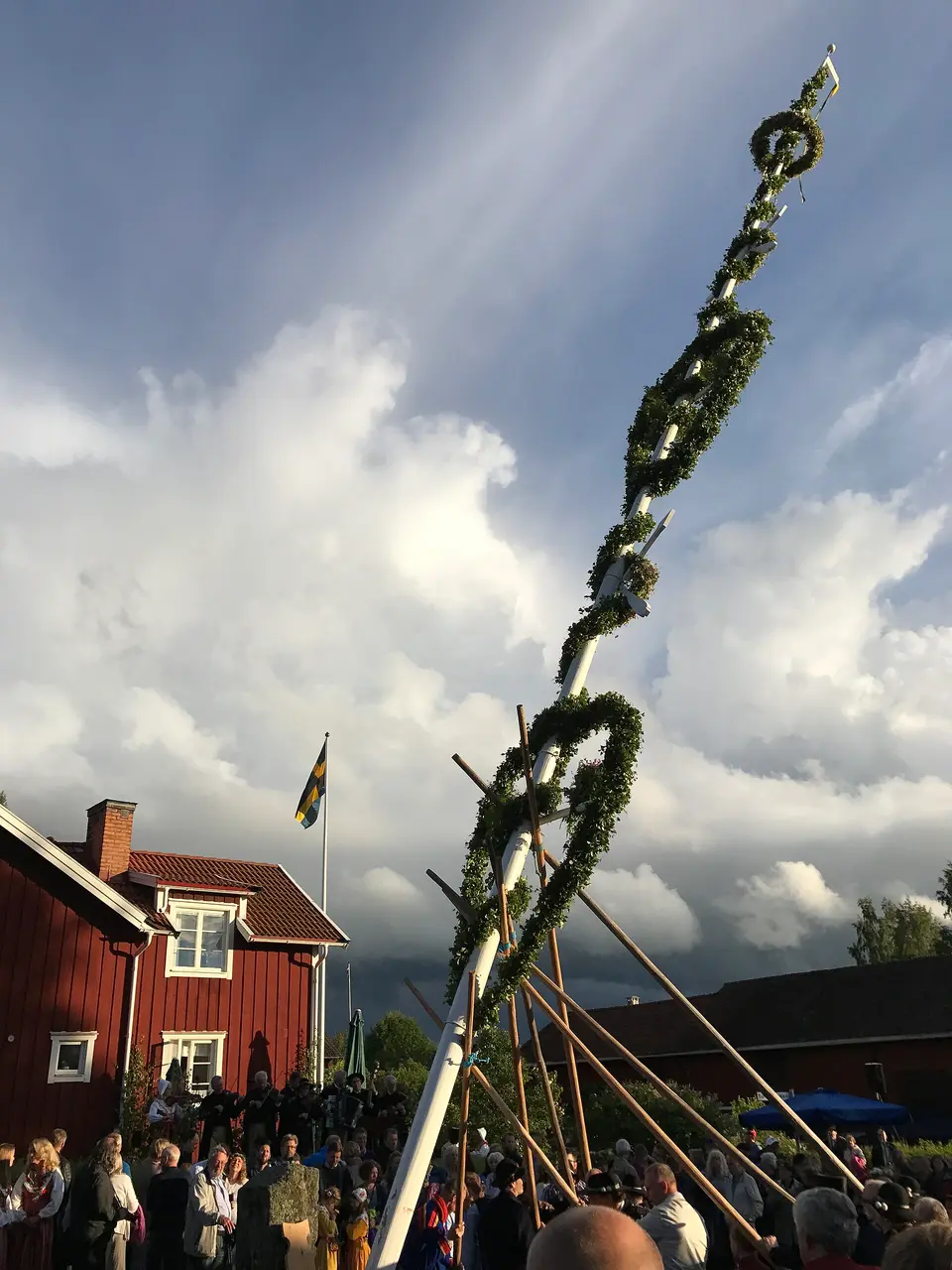
On a Friday in late June, Swedes leave the cities for the countryside, pick flowers for wreaths, raise a pole clad in leaves and dance around it — then sit down to herring, new potatoes and strawberry cake as the light lingers late into the night.
25–26 जून 2027गणना से
Nuremberg Christkindlesmarkt
Nürnberger Christkindlesmarkt
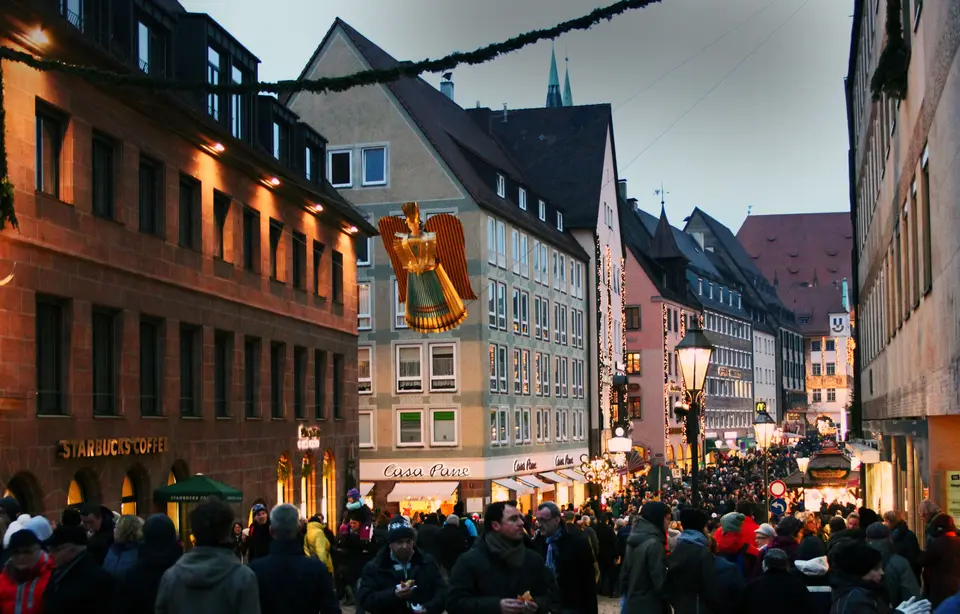
From the Friday before Advent until Christmas Eve, around 180 traders set up red-and-white wooden stalls on Nuremberg’s main square, selling gingerbread, gold-foil angels and nativity figures to more than two and a half million visitors.
27 नवंबर – 24 दिसंबर 2026गणना से
Diwali
दीपावली
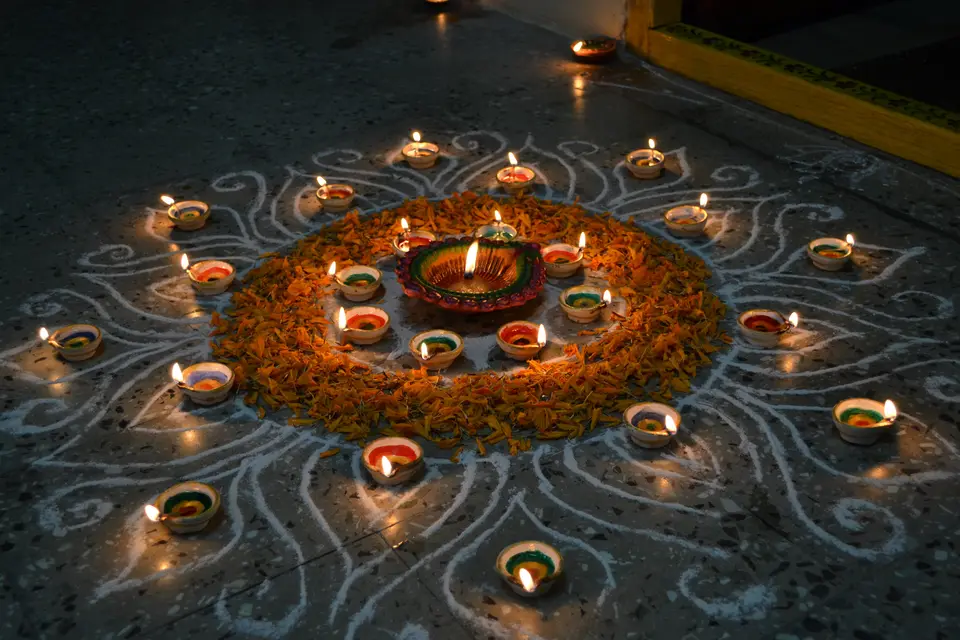
The festival of lights. Over five days around the new moon of autumn, homes, temples and streets glow with oil lamps and lanterns, doorsteps bloom with rangoli, families share sweets and gifts, and the darkest night of the month becomes the brightest of the year.
8 नवंबर 2026आधिकारिक घोषणा