Halaman ini belum diterjemahkan ke bahasa Indonesia; teks asli bahasa Inggris ditampilkan.
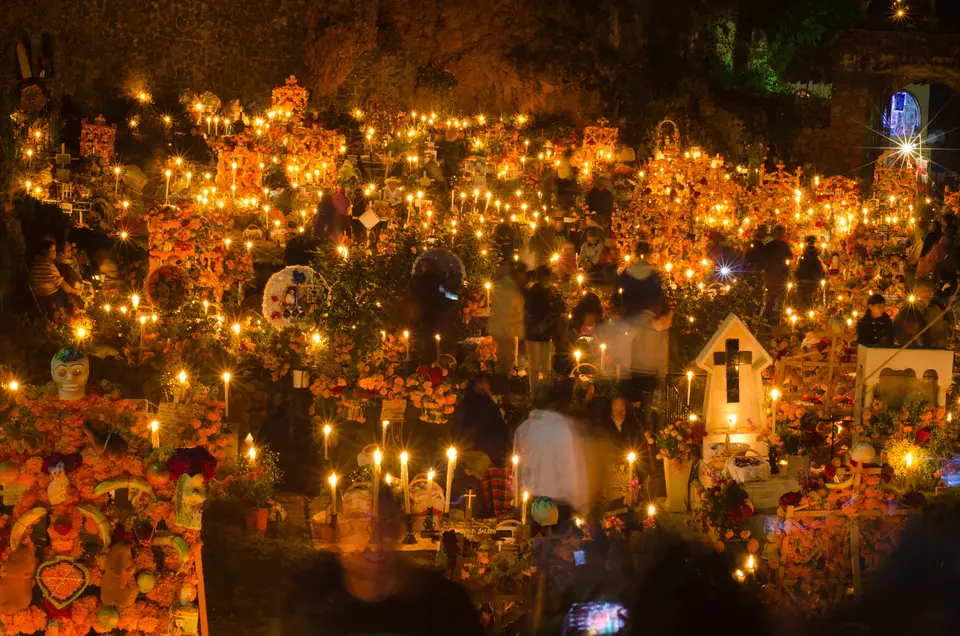
Day of the Dead
Día de Muertos
Tercantum dalam Daftar Warisan Budaya Takbenda Kemanusiaan UNESCO
Foto: Miguel Angel Mandujano Contreras, CC BY-SA 4.0, melalui Wikimedia Commons
At the turn of October and November, Mexican families welcome their dead home for a brief visit. They build altars with marigolds, candles and the departed’s favourite food, decorate graves, and in some towns keep vigil in the cemetery all night.
The return of the dead
As it is practised by Mexico’s indigenous communities, the Day of the Dead marks the brief return to earth of relatives and loved ones who have died. It falls at the end of October and the beginning of November — the time when the yearly cycle of maize, Mexico’s staple crop, comes to an end — and on the Christian days of All Saints and All Souls.
Families help the souls find their way by laying flower petals, candles and offerings along the path from the cemetery to the house. According to UNESCO, great care goes into the preparations, because the dead are believed able to bring prosperity or misfortune depending on how well they are received.
The ofrenda
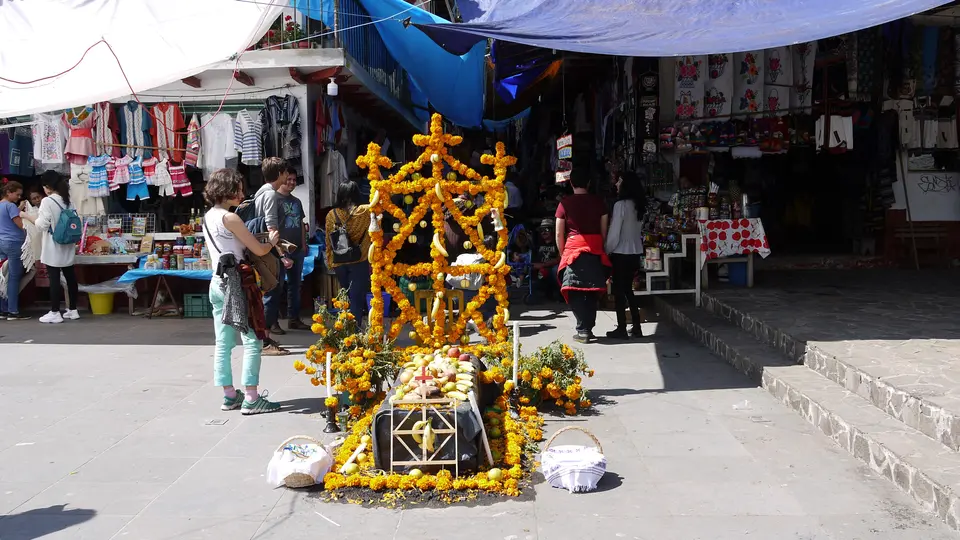
At the heart of the days is the ofrenda, an altar built at home, in a public space or beside the grave. It holds photographs of the departed, their favourite food and drink, candles, paper cut-outs and, above all, orange cempasúchil marigolds, whose colour and scent are believed to guide the souls home. Toys are left for children who have died — los angelitos, the little angels — and pulque, mezcal or atole for adults. Pillows and blankets may be set out so the dead can rest after their journey.
Families clean and decorate the graves, and many picnic in the cemetery. The mood is not only mournful: people tell funny stories about the dead, and write calaveras literarias, mocking little verse epitaphs for friends who are very much alive.
A night on the lake
Customs vary from town to town. In Mixquic, Pátzcuaro and on the island of Janitzio, people spend the whole night beside the graves of their relatives. On Lake Pátzcuaro in Michoacán, candles are lit at midnight at the start of 2 November and people cross by boat to the cemetery on Janitzio to honour the dead there.
Old roots, living debate
Historians disagree about the festival’s origins — whether it continues pre-Hispanic rites, grew out of the Catholic traditions brought from Spain, or is a blend of both. What is certain is that it has become a national symbol. In 2008 UNESCO inscribed the Indigenous festivity dedicated to the dead on its Representative List of the Intangible Cultural Heritage of Humanity.
Kapan berlangsung
The Day of the Dead is traditionally celebrated on 1 and 2 November. Depending on the place, 31 October or later days in November may be included, and in indigenous communities particular days are set aside for particular groups of the dead.
- 1–2 November 2026Dihitung
- 1–2 November 2027Dihitung
- 1–2 November 2028Dihitung
- 1–2 November 2029Dihitung
Berkunjung dengan hormat
Perlu diketahui
- Cemeteries on these nights are places of family remembrance. Keep your voice low, do not walk on graves, and stay out of the way of families tending them.
- Always ask before photographing people at graves or altars, and accept a refusal.
- Many towns also hold public altars, parades and events that visitors are welcome to see.
Hindari
- Do not touch or take anything from an ofrenda.
Tetap aman
- The UK government advises against all but essential travel to most of the state of Michoacán. It makes an exception for the town of Pátzcuaro, reached by federal toll roads 14D and 15 from Morelia, and boat trips to the islands on Lake Pátzcuaro. Check the current advice before travelling.
Makanan dan minuman
Pan de muerto
“Bread of the dead”, a sweet egg bread topped with sugar and decorated with pieces of dough shaped like bones.
Calaveras de azúcar
Sugar skulls, colourfully decorated and often inscribed with a name, given as gifts to both the living and the dead.
Tamales
One of the most common dishes of the days, cooked both for the family and as an offering.
Sumber
Entri ini ditulis berdasarkan sumber-sumber berikut.
- Indigenous festivity dedicated to the deadUNESCO Intangible Cultural Heritage · diakses 16 September 2026
- Day of the DeadWikipedia (English) · diakses 16 September 2026
- Mexico travel advice — State of MichoacánUK Foreign, Commonwealth & Development Office · diakses 16 September 2026
Festival terkait
Obon
お盆
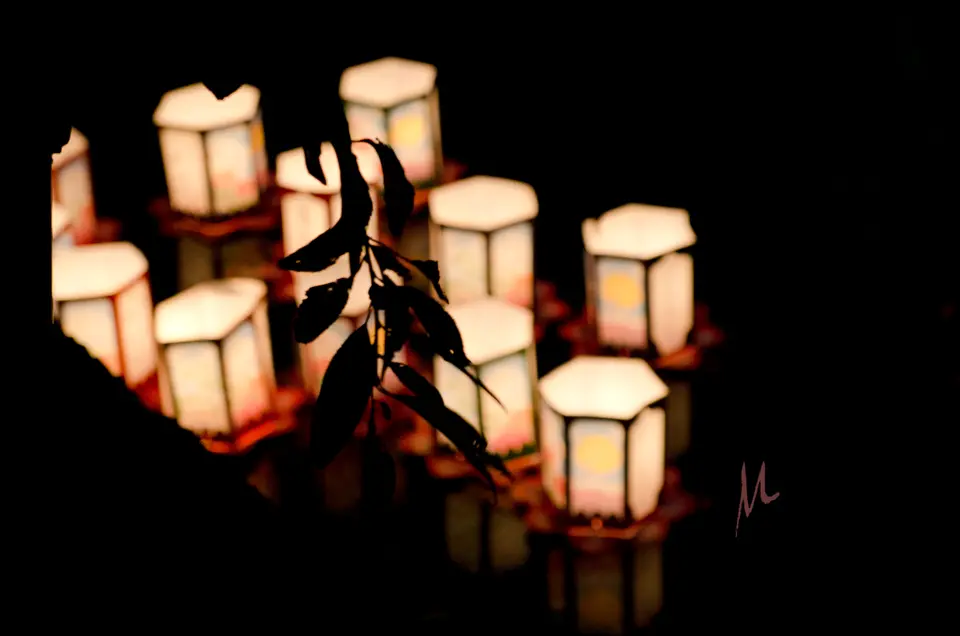
Japan’s summer days of the dead, when ancestors are said to come home for a few days. Families light lanterns to guide them, visit graves, and at the end set lanterns on the water to send them back. Mostly kept in August; in some places in July.
13–15 Juli 2027Dihitung
Guelaguetza
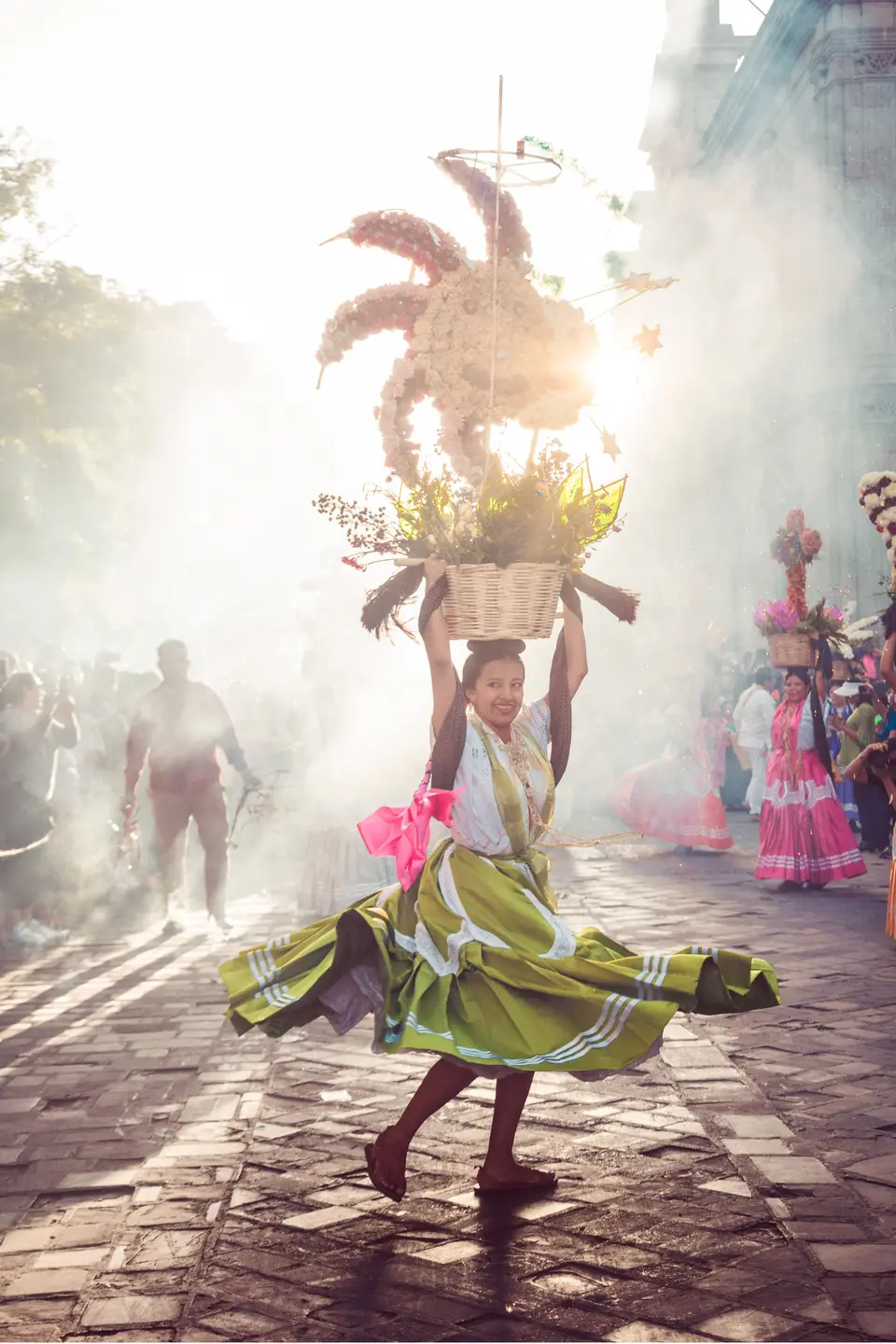
On two Mondays each July, delegations from the eight regions of Oaxaca climb the Cerro del Fortín to present their dances, music and costumes — the best-known indigenous gathering of its kind in Mexico, with a month of food, mezcal and craft fairs around it.
19 Juli 2027Perkiraan
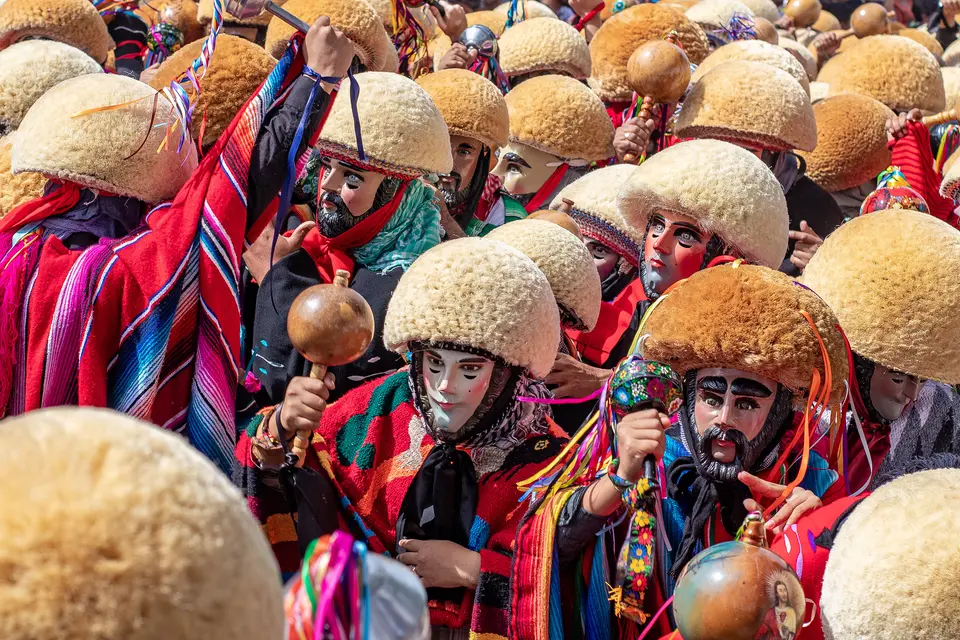
Parachicos of Chiapa de Corzo
Fiesta Grande de Enero — Parachicos
For almost three weeks every January, the dancers of Chiapa de Corzo put on carved wooden masks, shake their maracas and carry the images of their saints through the streets from morning to night, in the town’s Great Feast.
4–23 Januari 2027Dihitung