Halaman ini belum diterjemahkan ke bahasa Indonesia; teks asli bahasa Inggris ditampilkan.
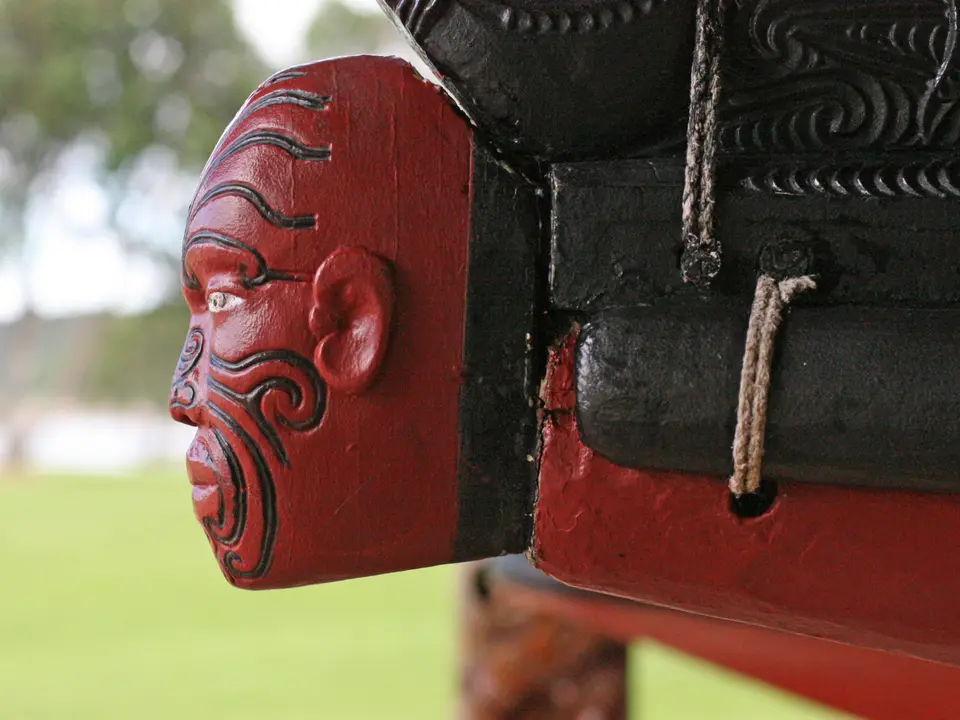
New Zealand’s national day marks the signing of the Treaty of Waitangi on 6 February 1840 between the British Crown and Māori chiefs — commemorated with a dawn service, speeches, kapa haka and waka on the harbour at the Treaty Grounds, and at times with protest and debate.
The treaty
On 6 February 1840 the Treaty of Waitangi — Te Tiriti o Waitangi — was first signed in the grounds of James Busby’s house at Waitangi, in the Bay of Islands, by representatives of the British Crown and about 45 Māori chiefs. Over the next seven months copies were taken around the country, and in the end around 540 chiefs signed. The treaty led to British sovereignty over New Zealand and is regarded by many as the nation’s founding document.
From 1934 to a national day
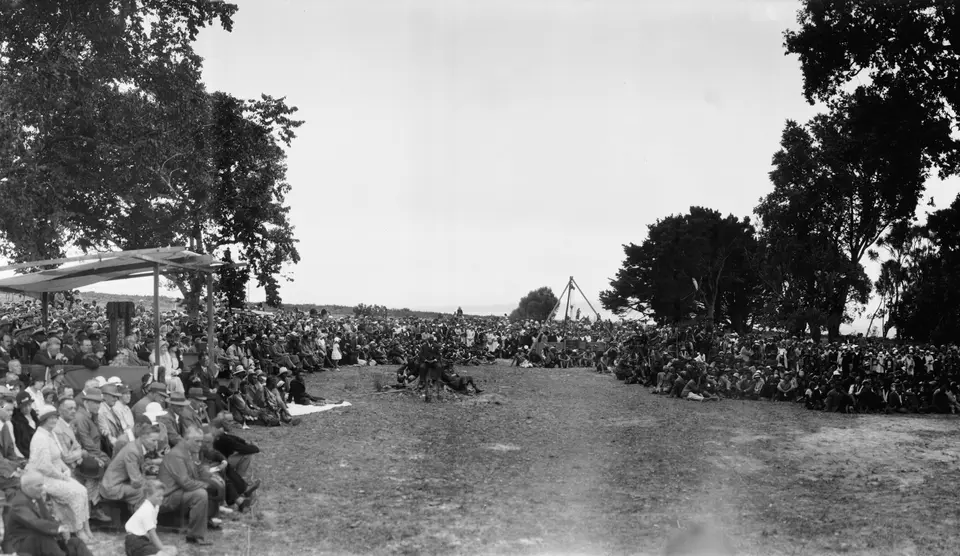
In 1932 the Governor-General, Lord Bledisloe, and his wife bought Busby’s run-down house, now known as the Treaty House, and gave it to the nation. The grounds were dedicated as a public reserve on 6 February 1934, an event considered the first Waitangi Day. Annual commemorations began in 1947 with a Royal New Zealand Navy ceremony at a flagpole in the grounds; a Māori speaker was added the next year, and a Māori cultural performance became usual from the mid-1950s. The day became a national holiday in 1974 under the name New Zealand Day, and was renamed Waitangi Day in 1976.
At the Treaty Grounds
In the days before, politicians are welcomed at the marae and hear speeches from the local iwi, which often deal with the issues of the day and lead to vigorous debate; the day has also long been a focus of protest by Māori activists. On 6 February itself the Waitangi National Trust holds a public service at dawn, attended by Māori elders, religious leaders, politicians, diplomats and the defence force, and since 2018 government ministers have served a barbecue breakfast to the public afterwards. Through the day there is kapa haka — Māori song and dance — on stages across the grounds, talks and entertainment, and waka, and sometimes a navy ship, take part in displays on the harbour. The day ends when the Navy lowers the flags.
Elsewhere in New Zealand the day is quieter, with no mass parades or fireworks. Some marae hold open days, and city councils, museums, libraries and galleries put on free events.
Kapan berlangsung
Waitangi Day is 6 February every year. When it falls on a Saturday or Sunday, the public holiday is observed on the following Monday. Commemorations at Waitangi usually begin two or three days earlier.
- 6 Februari 2027Dihitung
- 6 Februari 2028Dihitung
- 6 Februari 2029Dihitung
- 6 Februari 2030Dihitung
Sumber
Entri ini ditulis berdasarkan sumber-sumber berikut.
- Waitangi DayWikipedia · diakses 17 September 2026
- Public holidays and anniversary datesEmployment New Zealand · diakses 17 September 2026
- New Zealand travel advice: safety and securityUK Foreign, Commonwealth & Development Office · diakses 17 September 2026
Festival terkait
Matariki
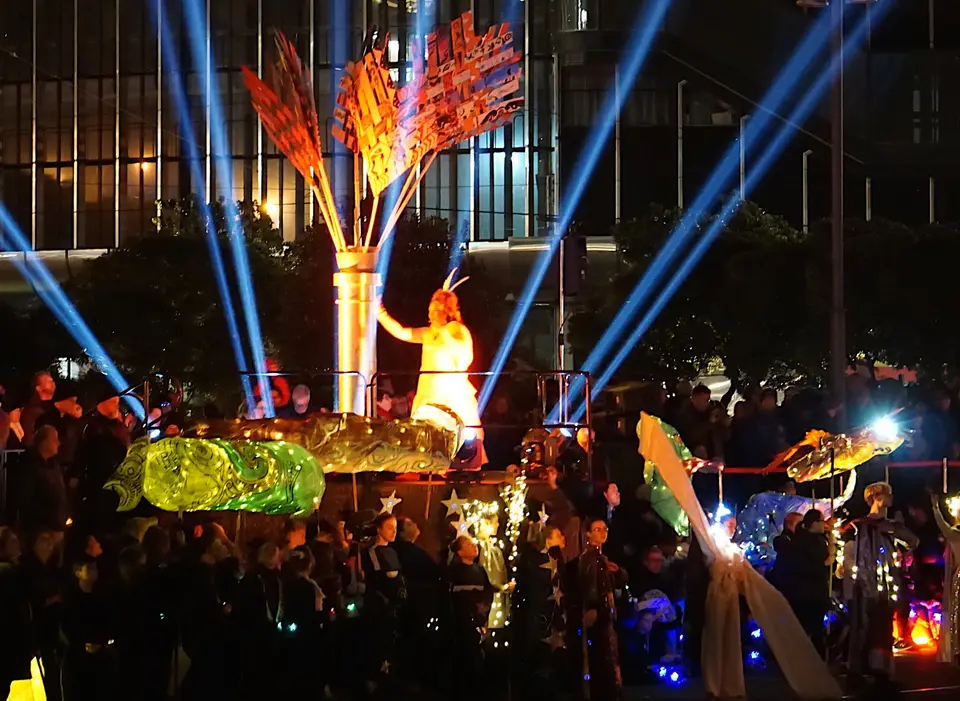
When the star cluster Matariki — the Pleiades — reappears in the pre-dawn sky of midwinter, Māori mark the beginning of a new year by remembering the dead, feeding the stars and looking ahead. Since 2022 it has been a public holiday in New Zealand.
25 Juni 2027Diumumkan resmi
Naadam
Наадам
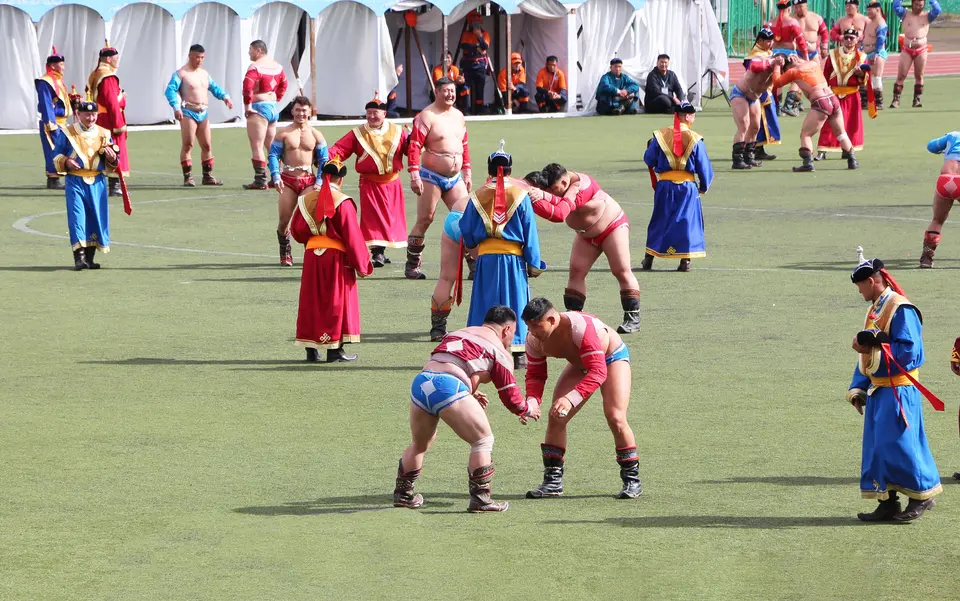
Every July Mongolia stops for the “three games of men” — wrestling, cross-country horse racing ridden by children, and archery — opened in Ulaanbaatar’s stadium with parades of riders, dancers and the nine horse-tail banners of Genghis Khan.
11–13 Juli 2027Dihitung
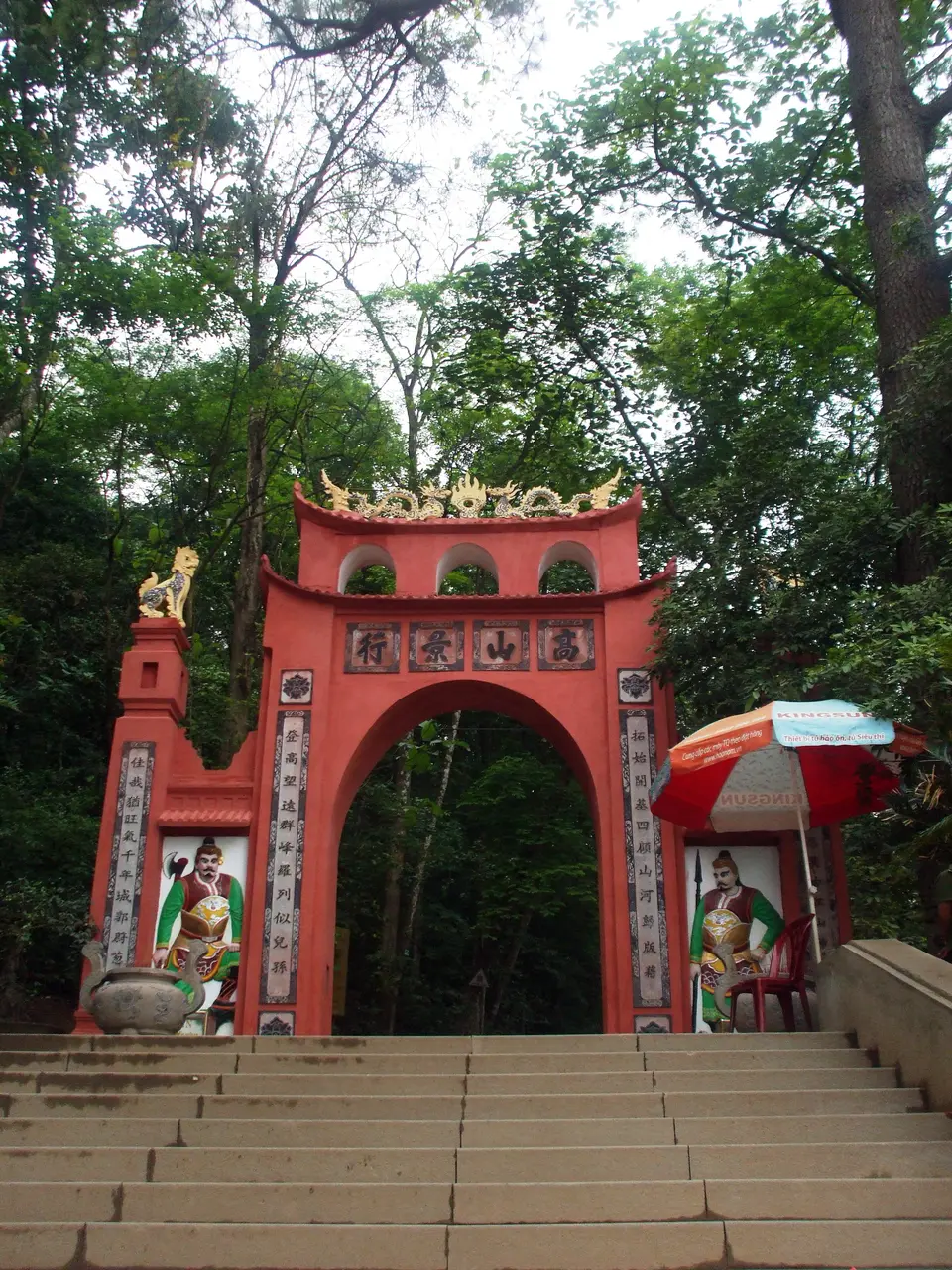
Hùng Kings’ Temple Festival
Giỗ Tổ Hùng Vương
Early in the third lunar month, millions of Vietnamese climb Nghĩa Lĩnh mountain in Phú Thọ to honour the Hùng Kings, legendary founders of the nation, with processions of palanquins, drums and gongs, offerings of rice cakes and Xoan singing.
16 April 2027Dihitung