韓国

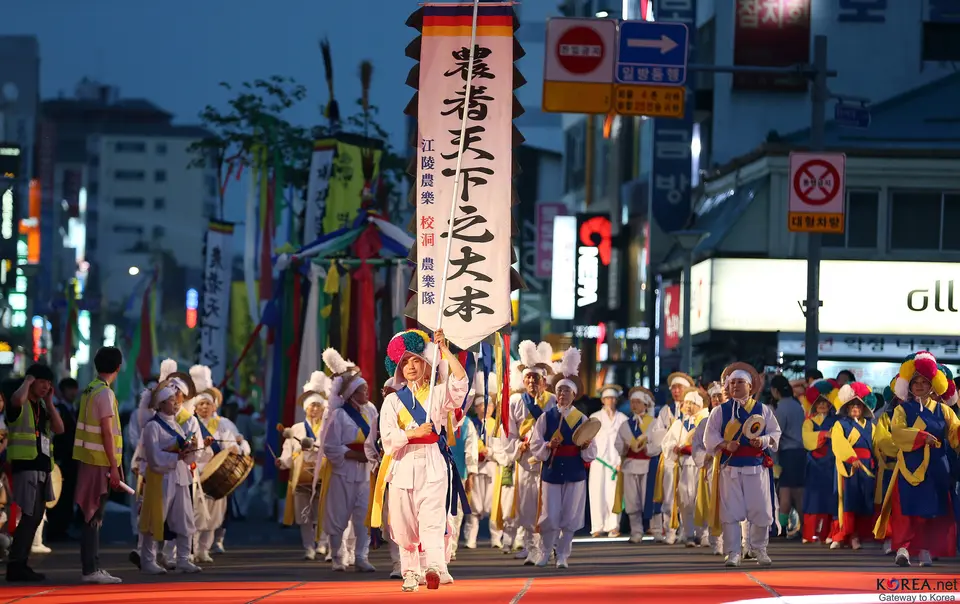
韓国の暦は家族と月を軸に回ります。ソルラルとチュソクには都市から人が減り、故郷と祖先の祭祀に向かいます。釈迦の誕生日には提灯がともり、江陵では神々のための祭りが何週間も続きます。

写真:Republic of Korea、CC BY-SA 2.0、ウィキメディア・コモンズより

韓国の伝統的な祭りは、韓国時間で計算される太陰太陽暦にしたがい、その日付は毎年、韓国天文研究院が公表します。韓国は中国より一時間早いため、祭りが中国の同じ祭りより一日遅くなる年があります。2027年のソルラルは2月7日で、中国の春節の翌日にあたります。

この地図に載る祭りのうち二つは、ユネスコの無形文化遺産の代表一覧表に記載されています。江陵端午祭と、提灯をともす燃燈会です。

韓国の祭り

韓国収穫

Chuseok

추석

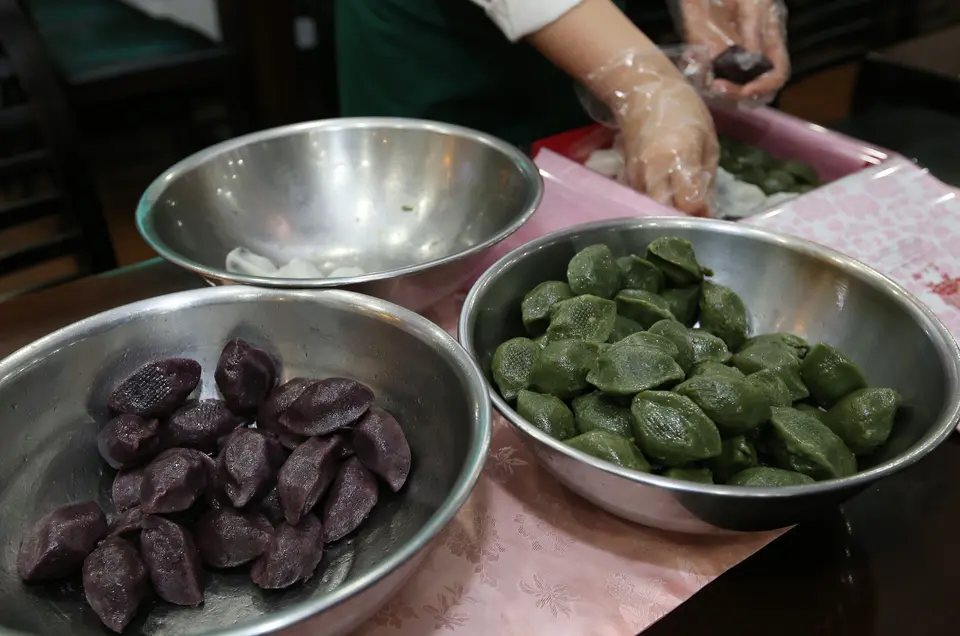
Korea’s harvest festival under the full moon of the eighth lunar month — three days when cities empty as families go home to honour their ancestors, tidy the family graves and make half-moon rice cakes steamed over pine needles.

2026/09/24~2026/09/26算出
韓国新年

Seollal

설날

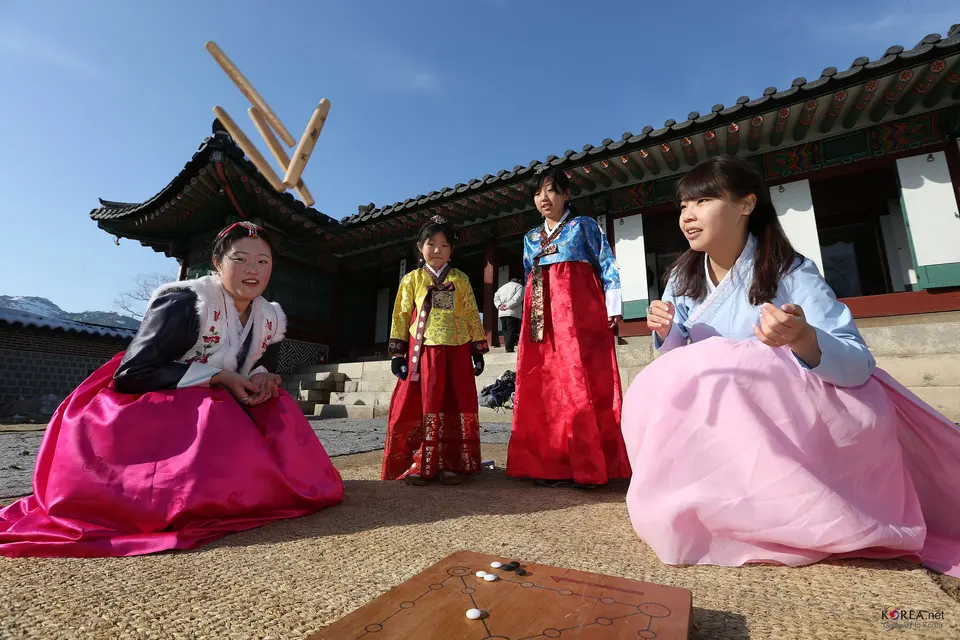
Korean Lunar New Year is a three-day family holiday — tens of millions travel home to perform the ancestral rite, bow deeply to their elders in hanbok, eat a bowl of rice-cake soup and, by old custom, grow a year older.

2027/02/06~2027/02/08算出

韓国宗教

Gangneung Danoje Festival

강릉단오제

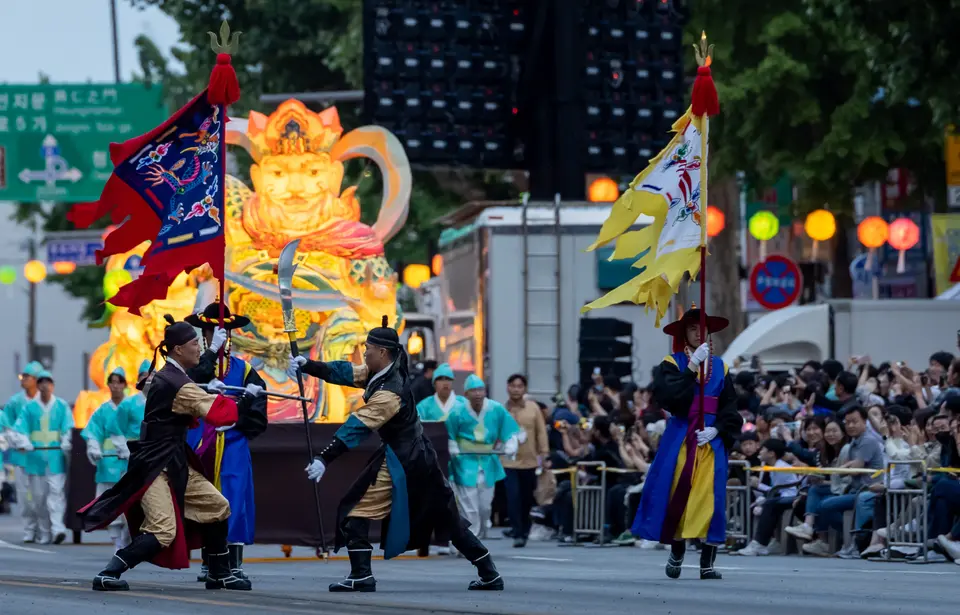
For weeks each spring, Gangneung on Korea’s east coast brews a sacred liquor, fetches its guardian god down from the mountain pass, marries him to a goddess, and then gives a week to shamanic rites, mask drama and the country’s largest open-air market.

2027年4月26日算出

韓国宗教

Yeondeunghoe (Lotus Lantern Festival)

연등회

As Buddha’s Birthday approaches, Korea lights up with lanterns — lotus lanterns strung over temple courtyards, a parade of giant glowing figures through the streets of Seoul, and a festival with more than a thousand years of history that UNESCO praises for dissolving social boundaries.

2027年5月13日算出

このページの出典

  1. South Korea travel advice: safety and securityUK Foreign, Commonwealth & Development Office · 2026年9月16日 閲覧
  2. 2027년 월력요항 (Korean almanac for 2027)Korea Astronomy and Space Science Institute · 2026年9月16日 閲覧
  3. SeollalWikipedia · 2026年9月16日 閲覧