このページはまだ日本語に翻訳されていません。英語の原文を表示しています。
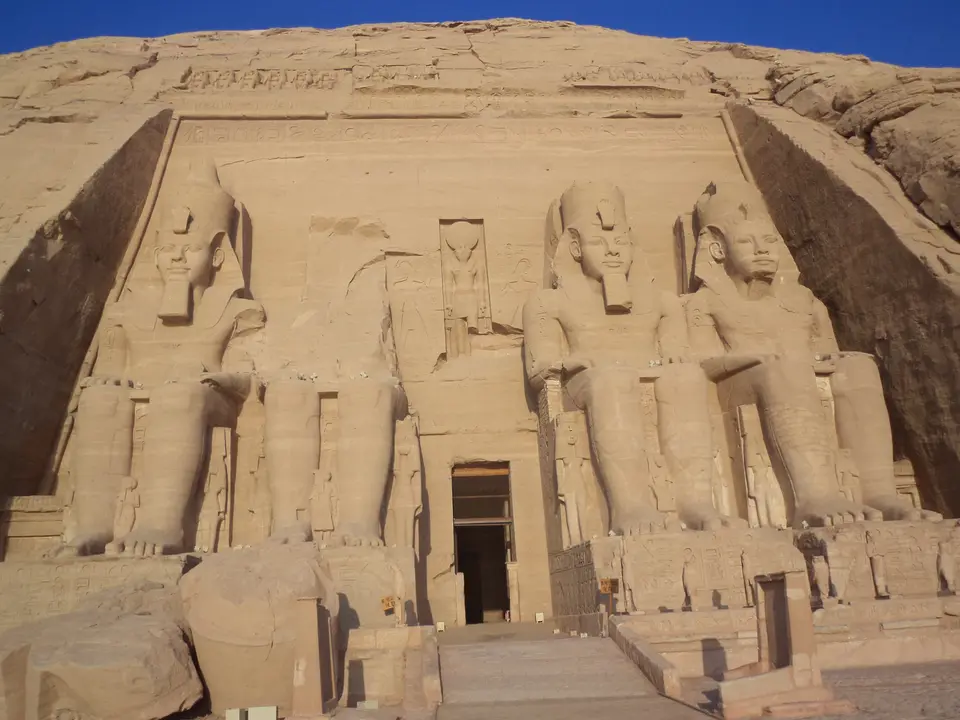
Sun Festival at Abu Simbel
تعامد الشمس على وجه رمسيس الثاني
写真:Abumalek ahmed mohamed、CC BY-SA 4.0、ウィキメディア・コモンズより
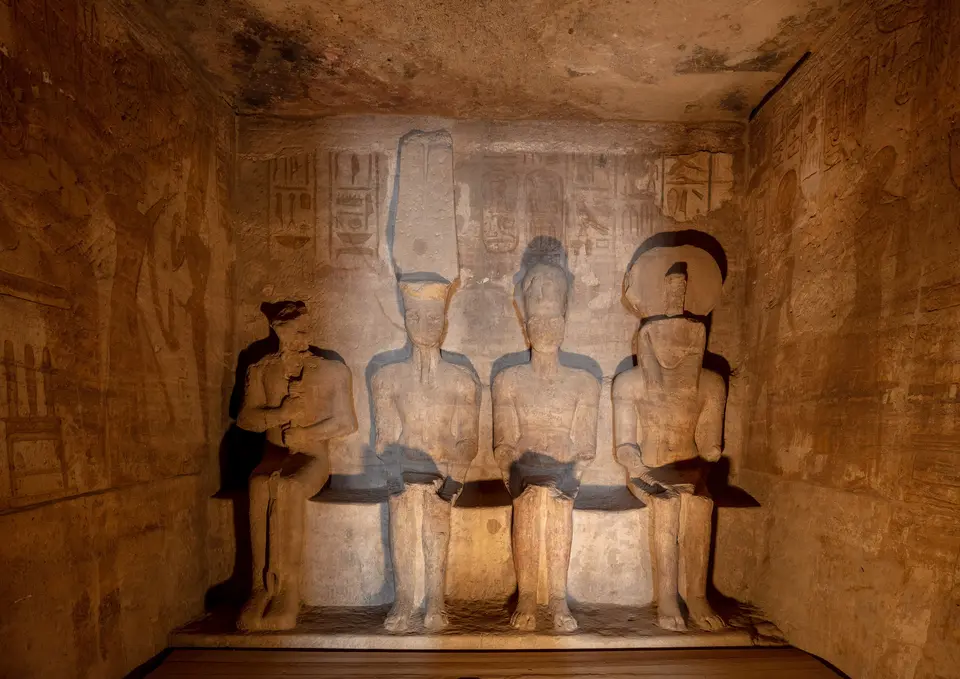
Twice a year, on 22 February and 22 October, the rising sun shines straight through the Great Temple of Ramesses II at Abu Simbel and lights the statues in its innermost sanctuary — an alignment that engineers preserved when the whole temple was moved in the 1960s.
Light in the sanctuary
The Great Temple at Abu Simbel was carved out of the mountainside in the thirteenth century BC, in the reign of Ramesses II, whose colossal figures guard its entrance. On two mornings a year the first rays of the sun travel along the temple’s axis into the Holy of Holies at its rear. There, four seated statues face the entrance: Ramesses II himself, the sun god Ra-Horakhty, Amun and Ptah. The light reaches the statues, but not the face of Ptah, who, according to Egyptian press reports, was seen as a god of darkness.
In 2022 Egypt’s ministries of tourism and culture staged an artistic show in front of the temple on the evening of 21 February, after the regular sound and light show, and set up large screens in the forecourt so that the public could watch the alignment the next morning.
A temple moved uphill
The temples of Abu Simbel stand on the western bank of Lake Nasser, about 230 kilometres south-west of Aswan. When the Aswan High Dam was built, the reservoir threatened to submerge them. As part of the International Campaign to Save the Monuments of Nubia, the whole complex was moved in its entirety to higher ground in 1968: the Great Temple now stands 65 metres higher and 208 metres further inland, under an artificial hill. The engineers oriented it so that the rising sun would still reach the sanctuary on the same two occasions each year, allowing a deviation of only five millimetres either way. Abu Simbel is part of the UNESCO World Heritage Site of the Nubian Monuments.
開催時期
The alignment takes place at sunrise on 22 February and 22 October every year.
- 2026年10月22日Sunrise alignment, 22 October算出
- 2027年2月22日Sunrise alignment, 22 February算出
- 2027年10月22日Sunrise alignment, 22 October算出
- 2028年2月22日Sunrise alignment, 22 February算出
- 2028年10月22日Sunrise alignment, 22 October算出
- 2029年2月22日Sunrise alignment, 22 February算出
- 2029年10月22日Sunrise alignment, 22 October算出
- 2030年2月22日Sunrise alignment, 22 February算出
出典
この項目は次の資料をもとに書かれています。
- Egypt celebrates solar alignment on Temple of Ramses II in Abu SimbelDaily News Egypt · 2026年9月17日 閲覧
- Abu SimbelWikipedia · 2026年9月17日 閲覧
- Egypt travel advice: warnings and insuranceUK Foreign, Commonwealth & Development Office · 2026年9月17日 閲覧
関連する祭り
Nowruz
نوروز
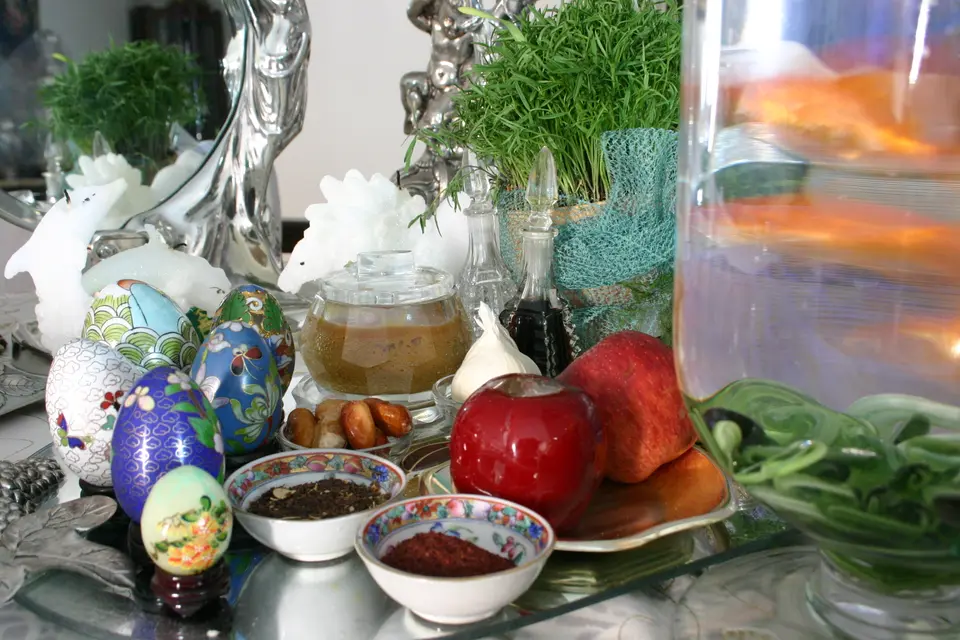
Nowruz, “new day”, is the Iranian New Year. It begins at the March equinox, when families gather around the Haft-sin table to wait for the exact moment the year turns, and opens two weeks of visits, food and time outdoors.
2027年3月21日算出
Inti Raymi
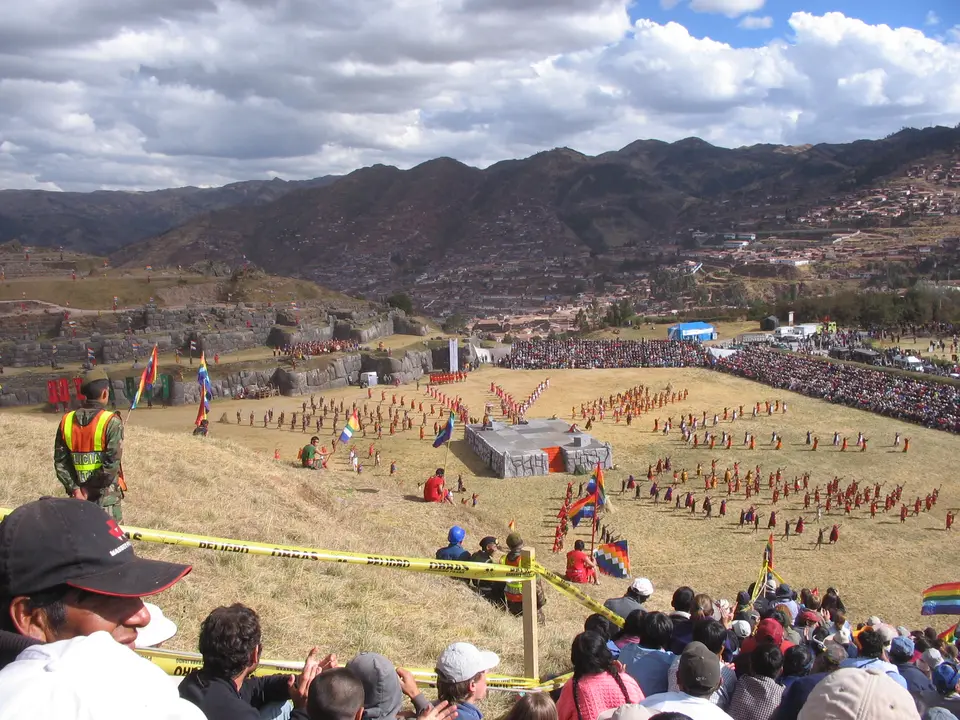
Every 24 June, Cusco stages the great sun festival of the Inca Empire — a procession from the temple of Qorikancha through the Plaza de Armas to the stone terraces of Saqsaywaman, with hundreds of performers, revived in 1944 from the accounts of a sixteenth-century chronicler.
2027年6月24日算出
Sham el-Nessim
شم النسيم
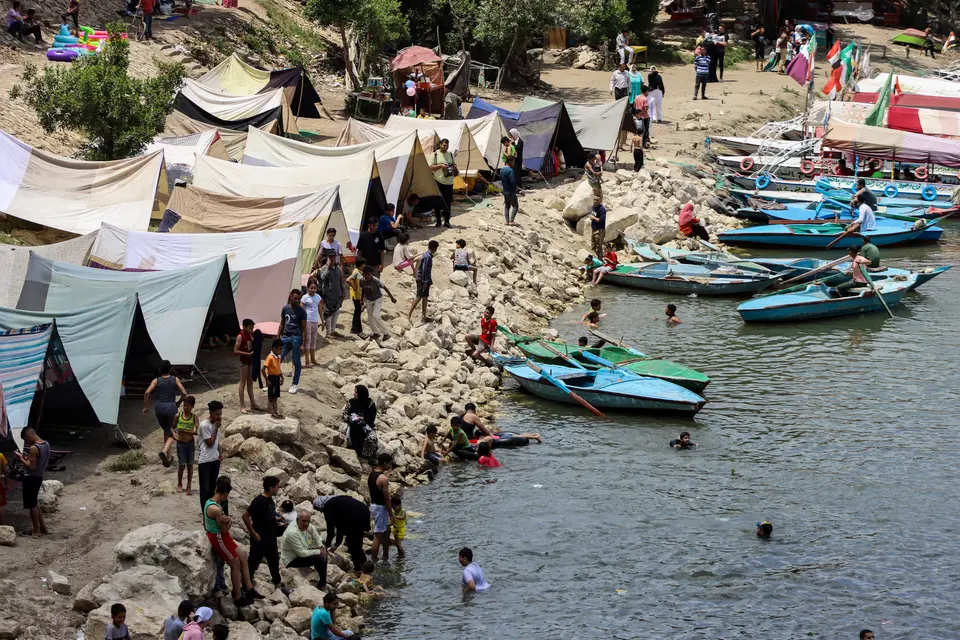
On the Monday after Coptic Easter, Egyptians of every faith head outdoors — to parks, gardens, the zoo and the banks of the Nile — to picnic on salted fish, green onions and lettuce and to colour eggs, in a spring festival believed to reach back to ancient Egypt.
2027年5月3日算出