このページはまだ日本語に翻訳されていません。英語の原文を表示しています。
Círio de Nazaré
ユネスコ無形文化遺産(人類の無形文化遺産の代表的な一覧表)に記載
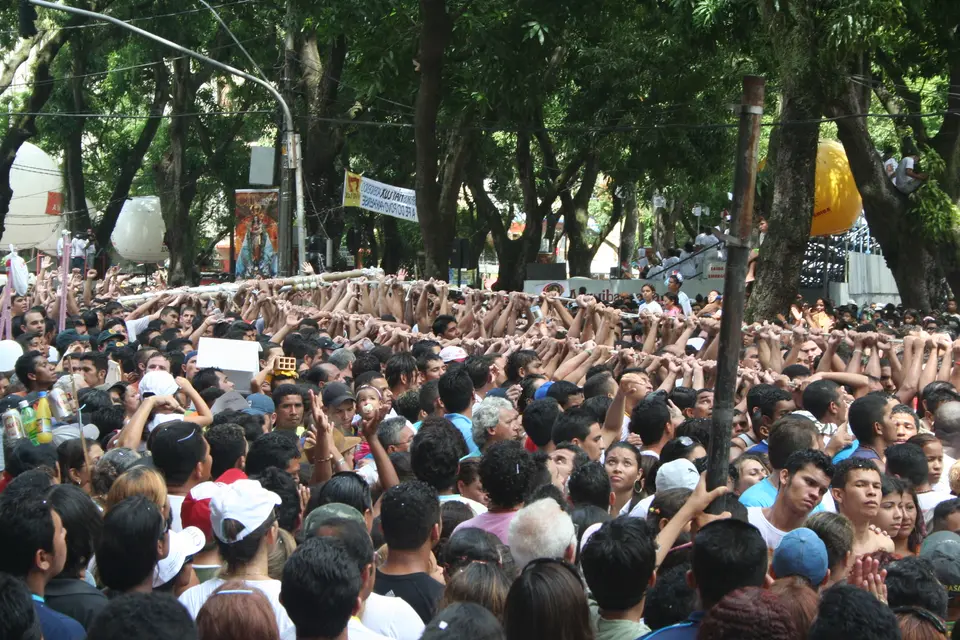
写真:Celso Abreu from Belém, Brasil、CC BY 2.0、ウィキメディア・コモンズより
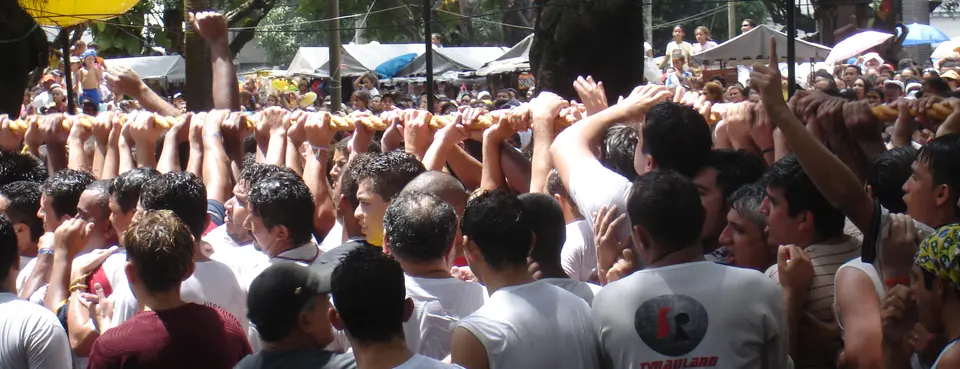
On the second Sunday of October about two million people fill the streets of Belém, in the state of Pará, to follow a small wooden image of Our Lady of Nazareth — thousands of them straining to hold a 400-metre rope — in the largest Catholic event in Brazil.
The image by the stream
The devotion to Our Lady of Nazareth came from Portugal and was brought to Pará by Jesuit priests in the seventeenth century. According to the best-known account, in 1700 a man of Portuguese and Indigenous descent named Plácido found a small, worn wooden statue of the Virgin, about 28 centimetres tall, by the Murutucu stream in Belém. He took it home, but the statue kept returning to the place where he had found it. Even when the governor had it moved to the chapel of the palace under guard, it reappeared at Plácido’s hut. The Basilica of Our Lady of Nazareth now stands on that spot.
The Círio has been held in Belém every year since 1793. The word círio comes from the Latin for a large candle; the procession was originally held by candlelight in the evening, and moved to the morning in 1854.
The rope and the mantle
The main procession carries the image from the cathedral to the sanctuary. The statue rides in a carriage, the berlinda, pulled by a rope that was introduced in 1855, when the streets flooded, and officially adopted in 1868. Today it is 400 metres long, and thousands of men and women compete for a place on it along the route. Each year the image is given a new mantle designed around the theme of the festival. Because Our Lady of Nazareth is the patron saint of sailors, boats also play a part, and a small boat that once carried the statue has accompanied the procession since 1885.
UNESCO, which inscribed the Círio in 2013, describes how almost the entire city takes part and how it brings together Amazonian culture and cuisine and local crafts such as toys carved from palm wood. The festival was also declared intangible heritage of Brazil in 2004.
開催時期
The main procession is held every year on the second Sunday of October, a date fixed in 1901. The wider festivities begin in August and continue until fifteen days after the procession.
- 2026年10月11日算出
- 2027年10月10日算出
- 2028年10月8日算出
- 2029年10月14日算出
敬意をもって訪れる
安全のために
- Criminals target large gatherings in Brazil. Keep valuables out of sight and stay aware of your surroundings in the crowd.
出典
この項目は次の資料をもとに書かれています。
- Círio de Nazaré (The Taper of Our Lady of Nazareth) in the city of Belém, ParáUNESCO Intangible Cultural Heritage · 2026年9月17日 閲覧
- Círio de NazaréWikipedia · 2026年9月17日 閲覧
- Brazil travel advice: safety and securityUK Foreign, Commonwealth & Development Office · 2026年9月17日 閲覧
関連する祭り
Corpus Christi in Cusco
Corpus Christi del Cusco
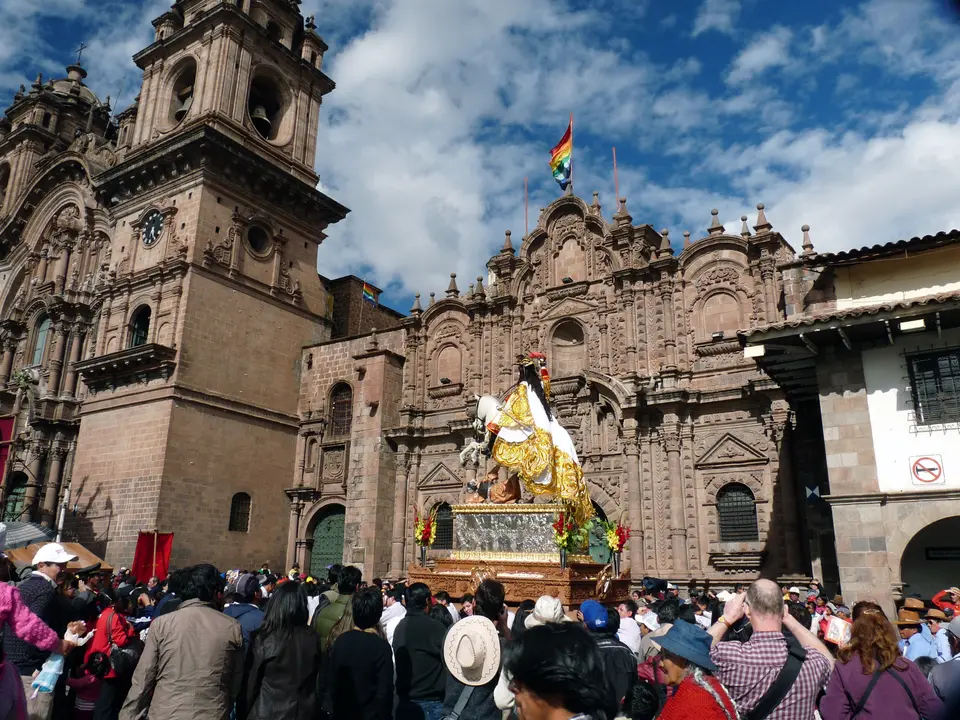
On the feast of Corpus Christi, the parishes of Cusco carry fifteen images of saints and virgins into the Plaza de Armas, where they process with the cathedral’s gold and silver monstrance and then stay in the cathedral for a week — a Catholic feast shaped by centuries of Andean devotion and rivalry.
2027/05/26~2027/05/27算出
Macchina di Santa Rosa
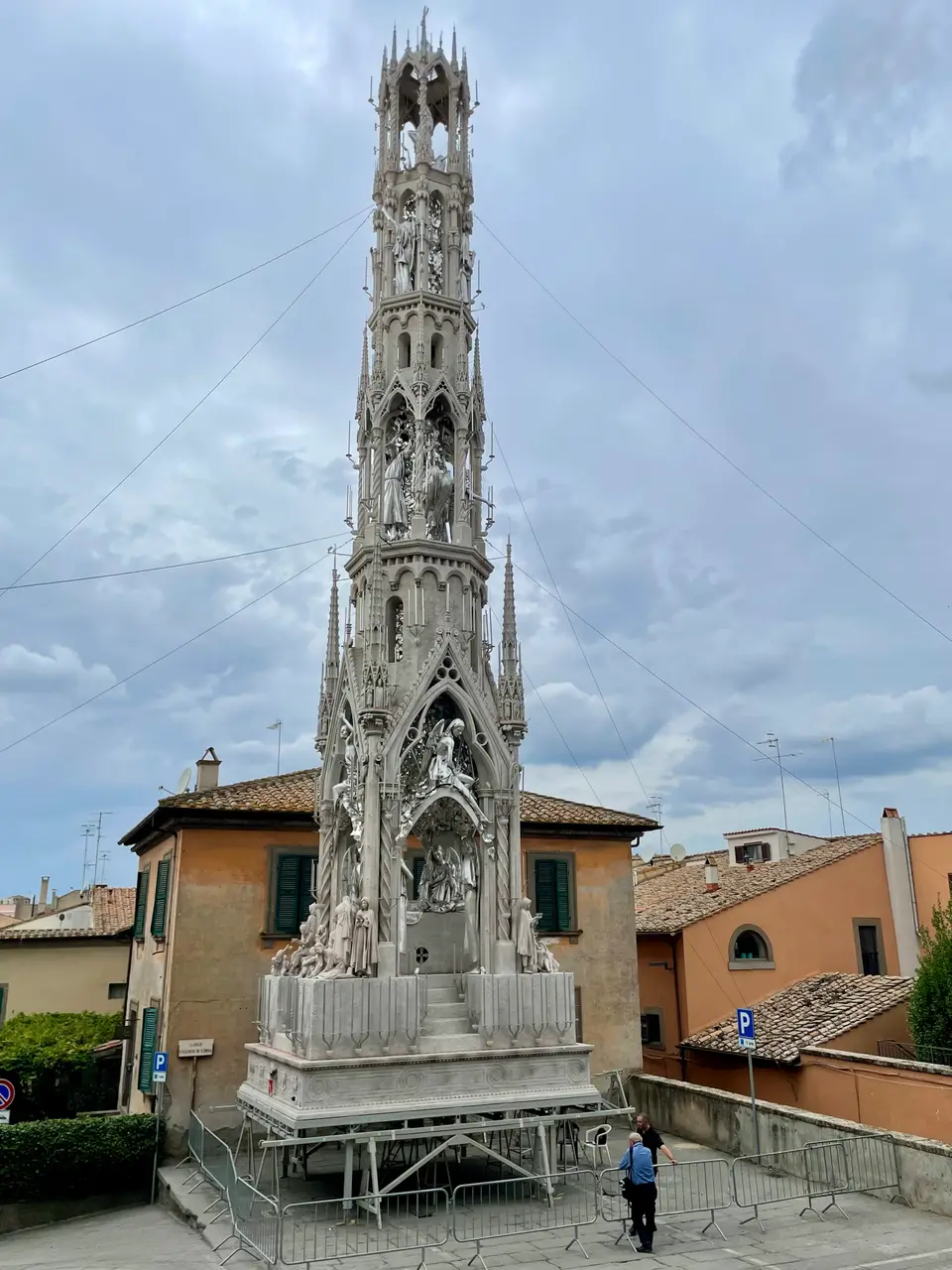
On the evening of 3 September, a hundred porters lift a tower some thirty metres tall and five tonnes in weight onto their shoulders and carry it through the medieval streets of Viterbo in honour of the city’s patron saint.
2027年9月3日算出
Festival of the Virgen de la Candelaria
Festividad de la Virgen de la Candelaria
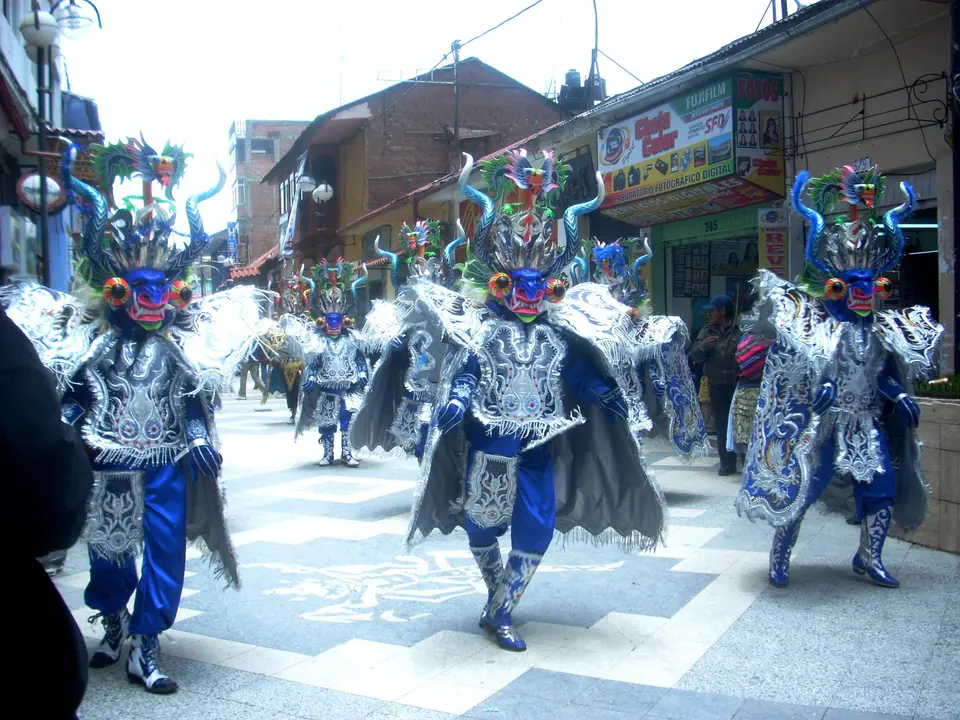
Each February, Puno on the shore of Lake Titicaca honours its patron saint with Peru’s largest festival of music and dance — about a hundred thousand dancers and ten thousand musicians, most of them Quechua and Aymara, and weeks of masses, processions and contests.
2027/02/01~2027/02/15推定