ブラジル

ブラジルの祭りは、リオの謝肉祭のサンバ学校からアマゾンまで広がります。アマゾンでは町じゅうが400メートルの綱につながれた小さな聖母像に従って歩き、二つの牛の団体が青と赤に分かれて競い合います。いずれもポルトガル、アフリカ、先住民の伝えに根ざしています。

写真:Ministério da Cultura、CC BY 2.0、ウィキメディア・コモンズより

ブラジルの大きな祭りの多くは、カトリックの信心にアフリカ、先住民、ポルトガルの伝えが重なっています。謝肉祭はポルトガルからの入植者とともに伝わり、アフロブラジルの人びとがもたらしたサンバの拍子を身につけました。シリオ・デ・ナザレは信仰とアマゾンの文化や食を結びつけます。牛の死と復活を演じるブンバ・メウ・ボイは、奴隷にされた人びとと農村の働き手の暮らしから育ちました。

この地図に載る祭りのうち二つは、ユネスコの無形文化遺産の代表一覧表に記載されています。シリオ・デ・ナザレは2013年、マラニョン州のブンバ・メウ・ボイの文化複合は2019年の記載です。

ブラジルの祭り

ブラジル行列

Círio de Nazaré

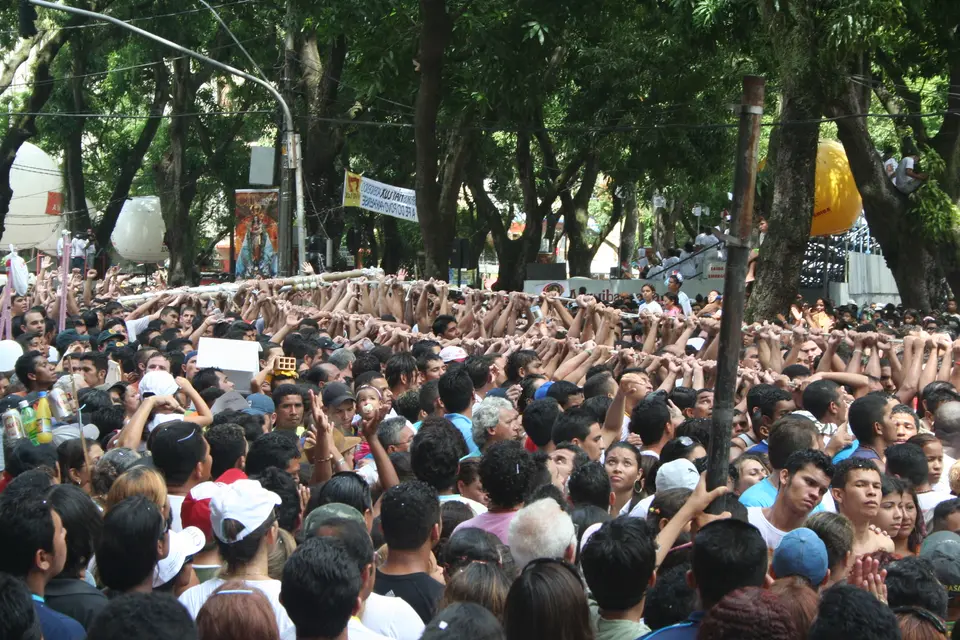
On the second Sunday of October about two million people fill the streets of Belém, in the state of Pará, to follow a small wooden image of Our Lady of Nazareth — thousands of them straining to hold a 400-metre rope — in the largest Catholic event in Brazil.

2026年10月11日算出
ブラジル芸能

Rio Carnival

Carnaval do Rio de Janeiro

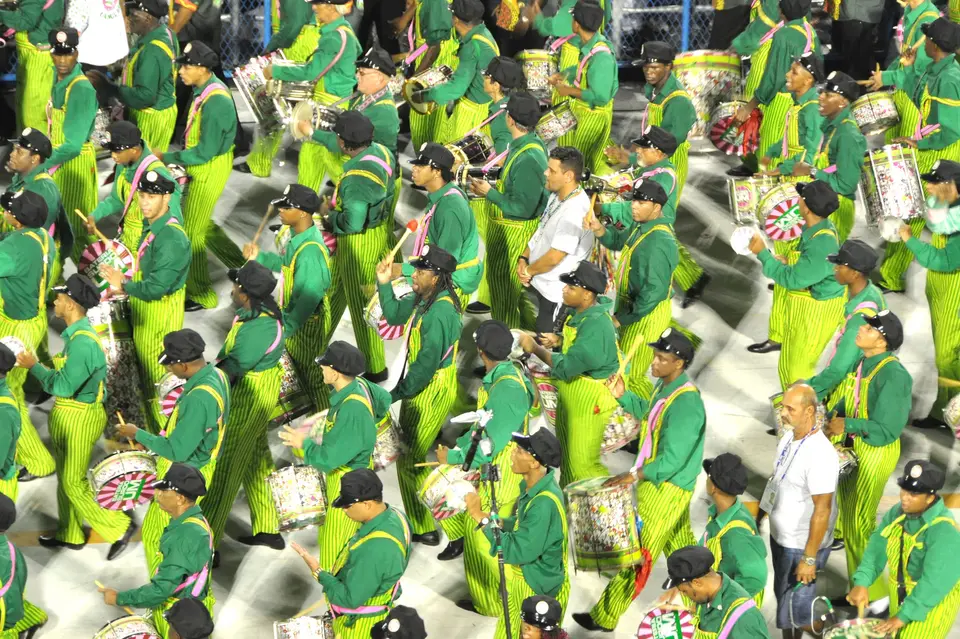
In the days before Lent, Rio de Janeiro holds what is considered the world’s largest carnival — two million people a day on the streets, and a contest of samba schools that parade through the Sambadrome with floats, drummers and thousands of dancers.

2027/02/05~2027/02/09算出

ブラジル芸能

Bumba-meu-boi of Maranhão

Bumba-meu-boi

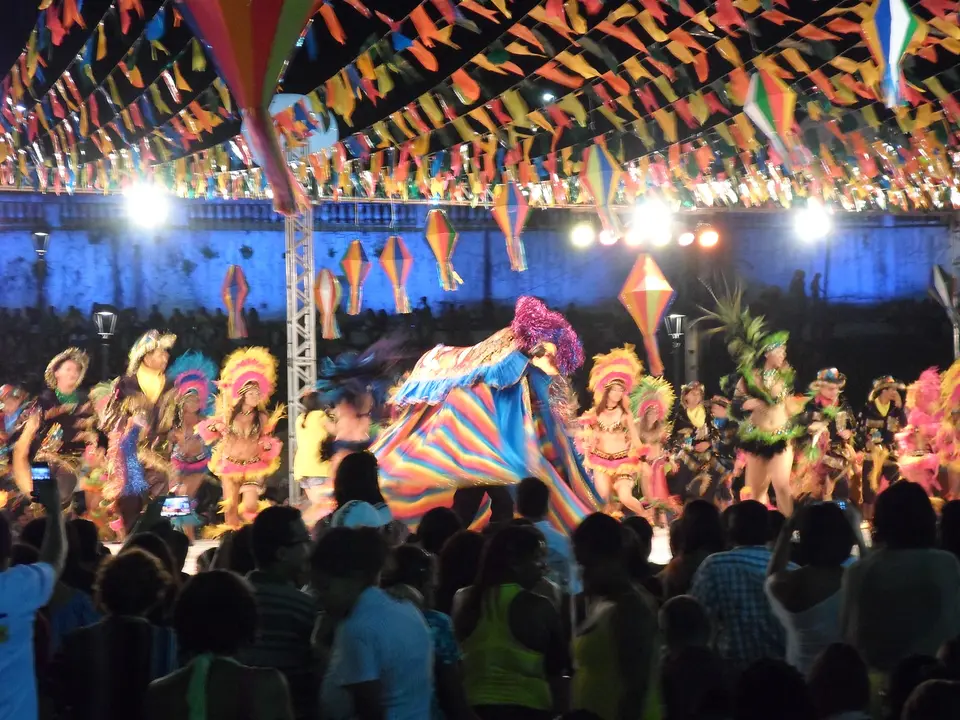
Through June the arraiais of São Luís fill with embroidered oxen, drums and wooden clappers as almost a hundred bumba-meu-boi groups act out, in song and dance, the death and resurrection of an ox — a folk play born among the poor of colonial Brazil.

2027/06/13~2027/06/30算出

ブラジル芸能

Parintins Folklore Festival

Festival Folclórico de Parintins

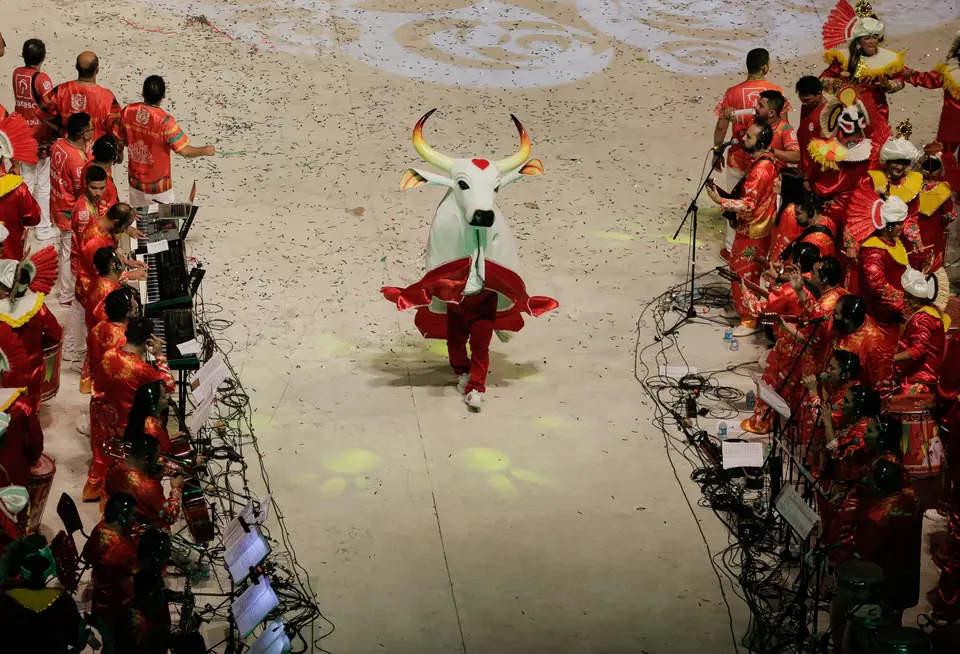
In a town in the Brazilian Amazon, two rival ox associations — blue Caprichoso and red Garantido — turn the story of the bumba-meu-boi into three nights of arena spectacle, with giant sets, drums, Amazonian legends and a whole town divided by colour.

2027/06/25~2027/06/27推定

このページの出典

  1. Brazil travel advice: safety and securityUK Foreign, Commonwealth & Development Office · 2026年9月17日 閲覧
  2. Cultural Complex of Bumba-meu-boi from MaranhãoUNESCO Intangible Cultural Heritage · 2026年9月17日 閲覧
  3. Círio de Nazaré (The Taper of Our Lady of Nazareth) in the city of Belém, ParáUNESCO Intangible Cultural Heritage · 2026年9月17日 閲覧