このページはまだ日本語に翻訳されていません。英語の原文を表示しています。
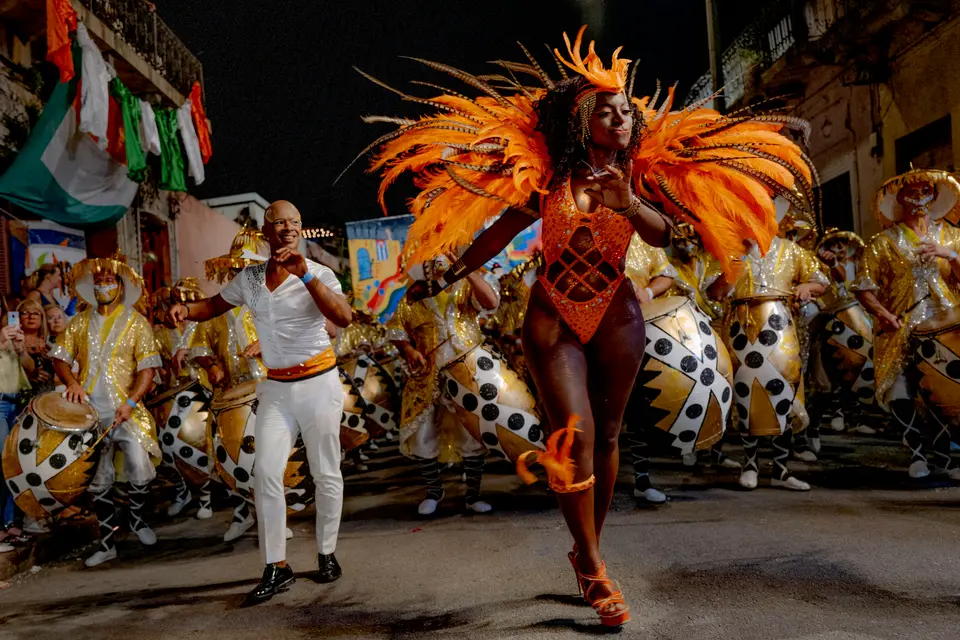
Desfile de Llamadas
写真:Jimmy Baikovicius、CC BY-SA 2.0、ウィキメディア・コモンズより
Each February Montevideo’s candombe troupes parade through Barrio Sur and Palermo — flags, moons and stars, dancers, the old healer and the colonial housekeeper, broom-bearers sweeping away bad luck, and at the back at least thirty-six drums beating out the city’s African heritage.
The drum calls
Candombe is the drum music and dance of Montevideo’s people of African descent, whose ancestors were brought to the Río de la Plata as slaves. According to one account, the name llamadas, “calls”, goes back to the calls that enslaved Afro-Uruguayans made with their drums when they wanted to gather in the streets on their one day off. Another explains that in the 19th century the troupes, or comparsas, walked to their performances, and a drummer would go from house to house calling his companions with his drum.
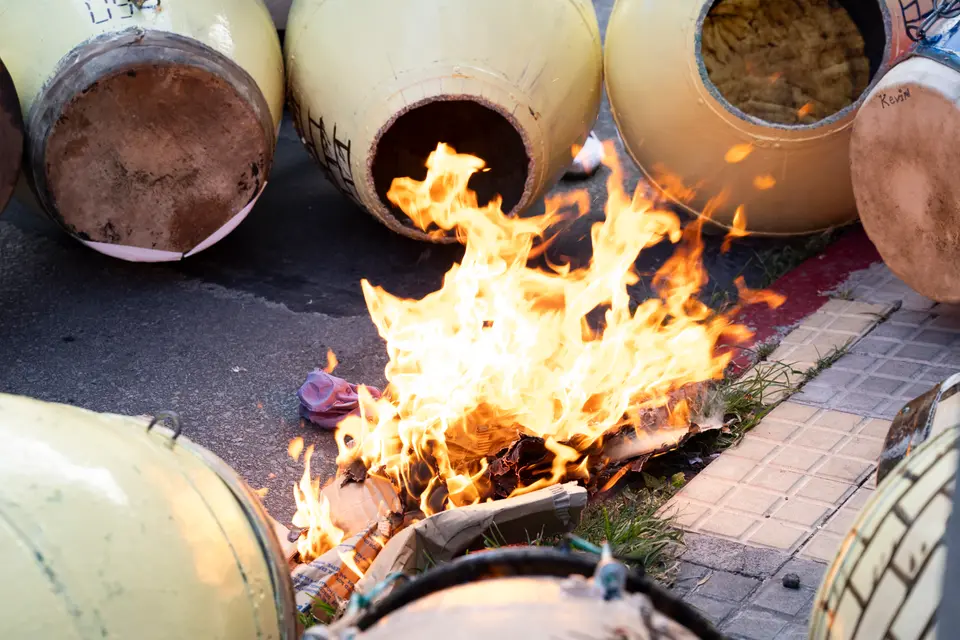
Black comparsas joined the Montevideo carnival parades in 1865, the year the first one, Raza Africana, appeared. Until 1956 the calls set out from the conventillos, the tenement houses where almost all Black families in Uruguay lived, above all Mediomundo in Barrio Sur and Ansina in Palermo, which were closed and demolished in the 1970s. In 1956 the city government held the first official Desfile de Llamadas as part of the carnival. Calls still go out in the neighbourhoods on other days, and every one begins the same way: around a fire, where the drummers tune the skins of their drums. UNESCO, which inscribed candombe on its heritage list in 2009, describes it as an expression of resistance and a memory of the community that draws former residents back to its historic heart.
A comparsa passes
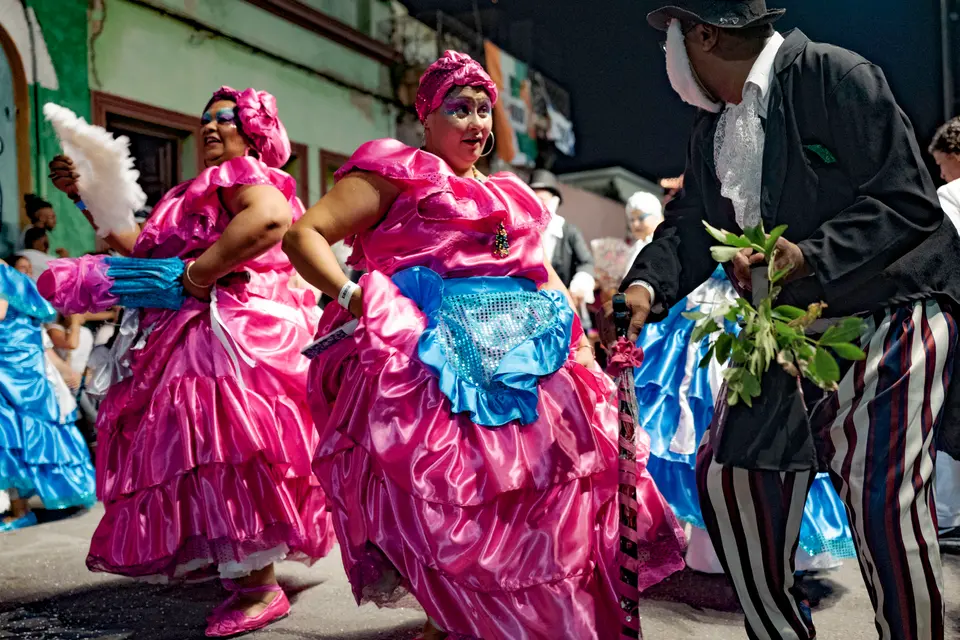
At the front comes the standard bearer, then the flags, then masked young people carrying moons, stars and half-moons that light the troupe’s way through the night — symbols said to recall Islam, the religion of most enslaved Africans before they were brought to the Río de la Plata. The dancers follow, then the gramillero, the oldest man in the troupe, who represents the healer who cured with herbs, in a cotton beard, top hat, frock coat and glasses, with a cane and a doctor’s bag. Beside him walks the mama vieja, modelled on the housekeepers of colonial Montevideo, with a parasol, a fan and a basket. The escobero sweeps negative energy from the street with his broom, amulets of mirrors, beads and bells hanging from his waist. Just ahead of the drums dance the vedettes, part of the parade since 1948.
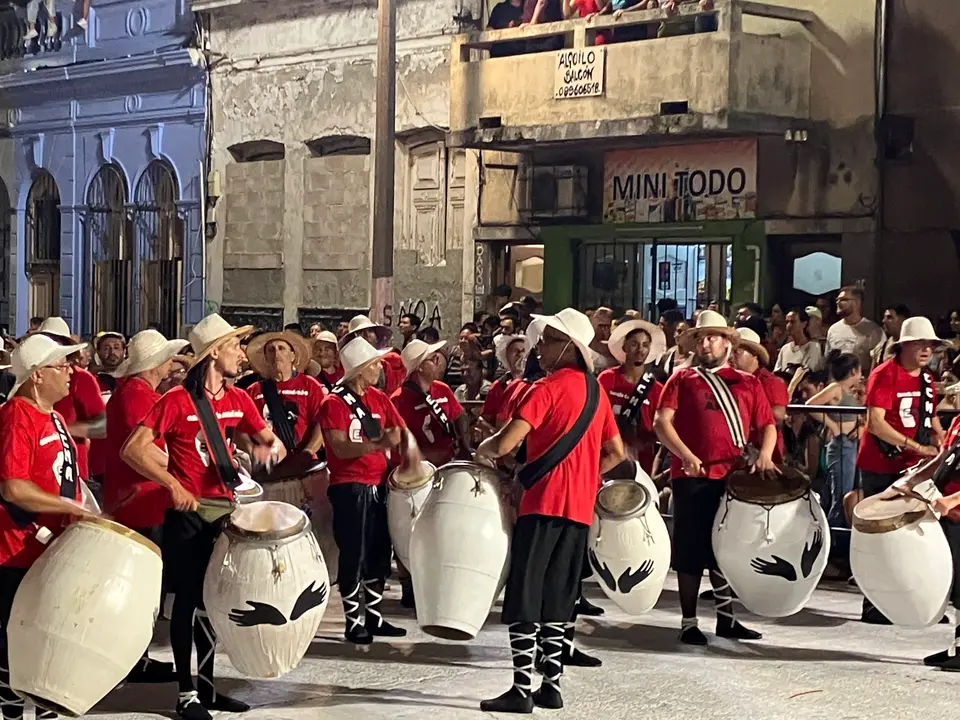
At the back is the cuerda de tambores, the drum line and pulse of the parade. Each comparsa must bring at least thirty-six drummers — twelve each of the three candombe drums, chico, repique and piano — and may have no more than 150 members in all. The drummers wear sandals like those of the slaves, black stockings crossed with white ribbons that recall the lash, and a bright jacket modelled on those of Spanish soldiers, and they march with a short, rocking step inspired by those who walked in shackles. In the neighbourhood calls, the beat of the piano, the largest drum, is different in each district, so that the call and response of candombe both unites the neighbourhoods and marks their identities.
開催時期
The official parade is held in February, during the carnival. Outside the parade, candombe drum calls fill the streets of Barrio Sur, Palermo and Cordón every Sunday and on many holidays.
- 2027年2月おおよその時期
- 2028年2月おおよその時期
- 2029年2月おおよその時期
- 2030年2月おおよその時期
敬意をもって訪れる
安全のために
- Street crime, including bag-snatching and pickpocketing, happens in Montevideo. Carry only the money you need and keep valuables in your hotel safe.
- Avoid walking alone downtown or in the port area at night.
出典
この項目は次の資料をもとに書かれています。
- Desfile de llamadasWikipedia (Spanish) · 2026年9月17日 閲覧
- Candombe and its socio-cultural space: a community practiceUNESCO Intangible Cultural Heritage · 2026年9月17日 閲覧
- Uruguayan CarnivalWikipedia · 2026年9月17日 閲覧
- Uruguay travel advice: safety and securityUK Foreign, Commonwealth & Development Office · 2026年9月17日 閲覧
関連する祭り
Rio Carnival
Carnaval do Rio de Janeiro
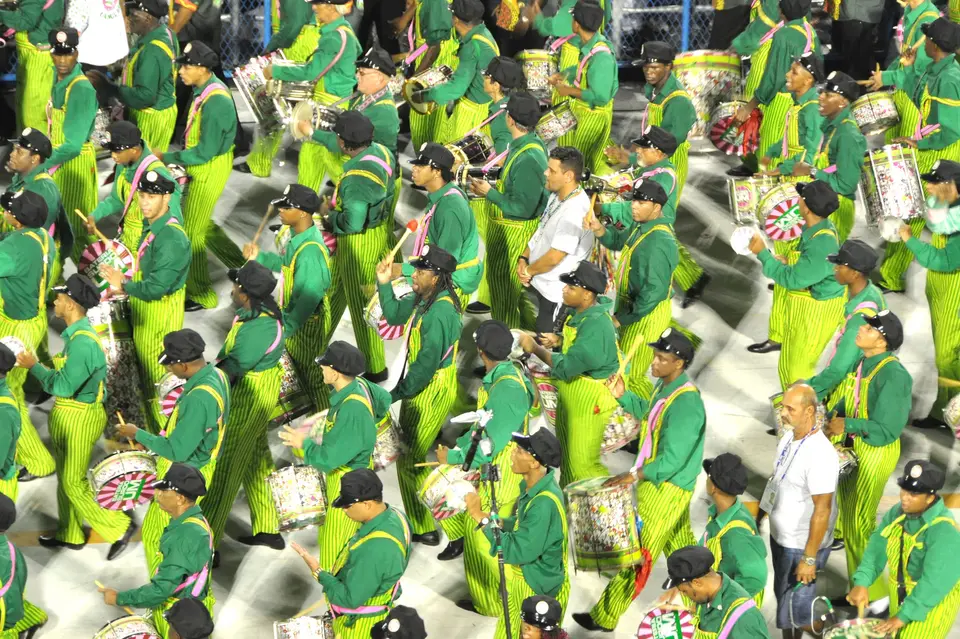
In the days before Lent, Rio de Janeiro holds what is considered the world’s largest carnival — two million people a day on the streets, and a contest of samba schools that parade through the Sambadrome with floats, drummers and thousands of dancers.
2027/02/05~2027/02/09算出
Barranquilla Carnival
Carnaval de Barranquilla
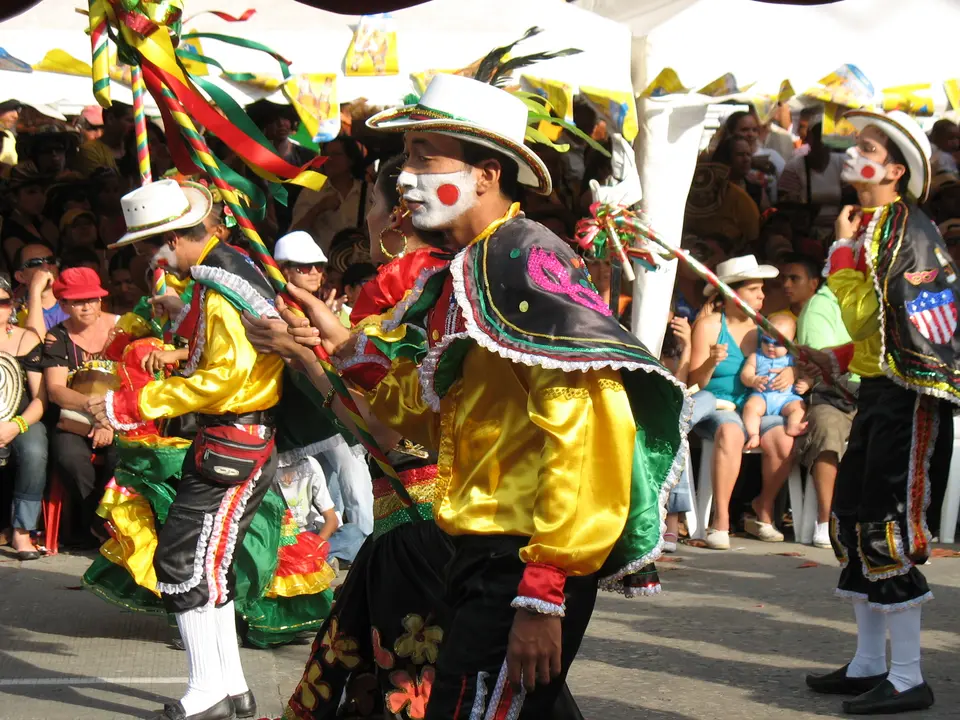
For the four days before Lent, Colombia’s Caribbean port sets work aside for one of the world’s largest carnivals — a Battle of Flowers, a Great Parade of cumbia, congo and garabato dancers, an orchestra contest, and the burial of Joselito Carnaval.
2027/02/06~2027/02/09算出
Trinidad and Tobago Carnival
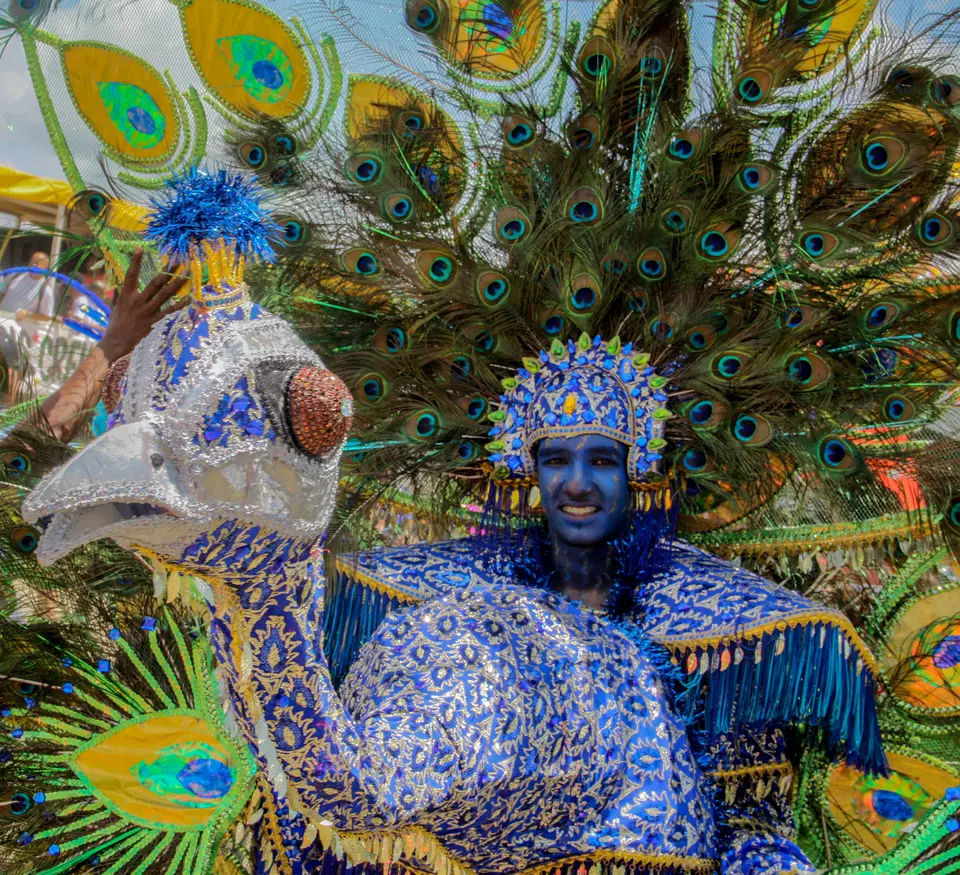
On the Monday and Tuesday before Ash Wednesday, Trinidad and Tobago takes to the streets — J’ouvert at daybreak in mud, oil and paint, then bands of masqueraders in colourful costumes, steelpan and soca — in a carnival born of French balls and the Canboulay of freed Africans.
2027/02/08~2027/02/09算出