Эта страница ещё не переведена на русский; показан оригинальный текст на английском.
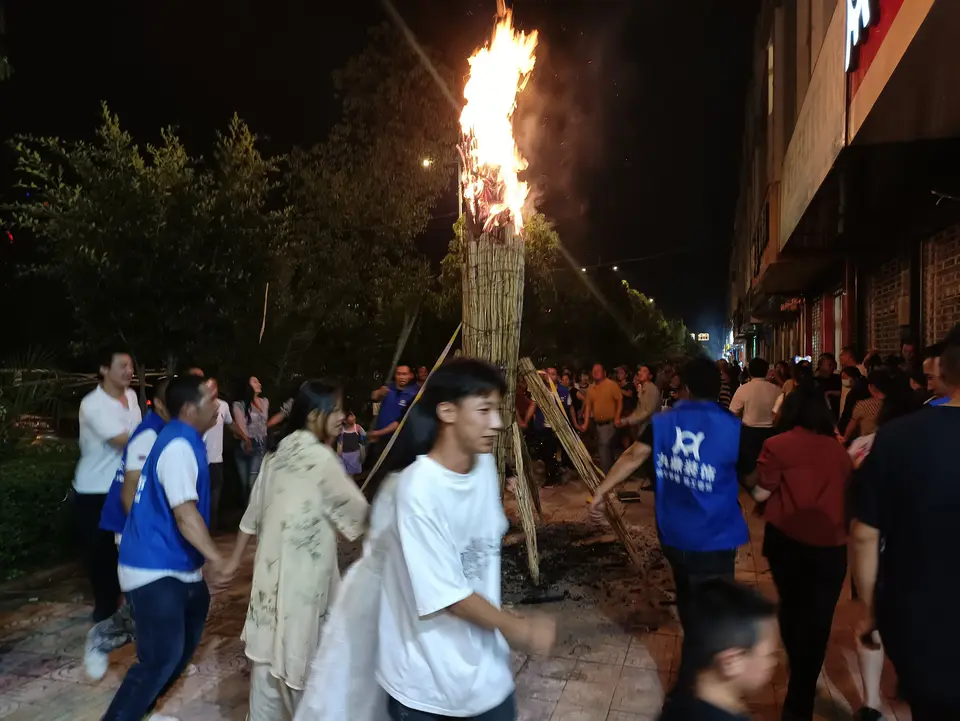
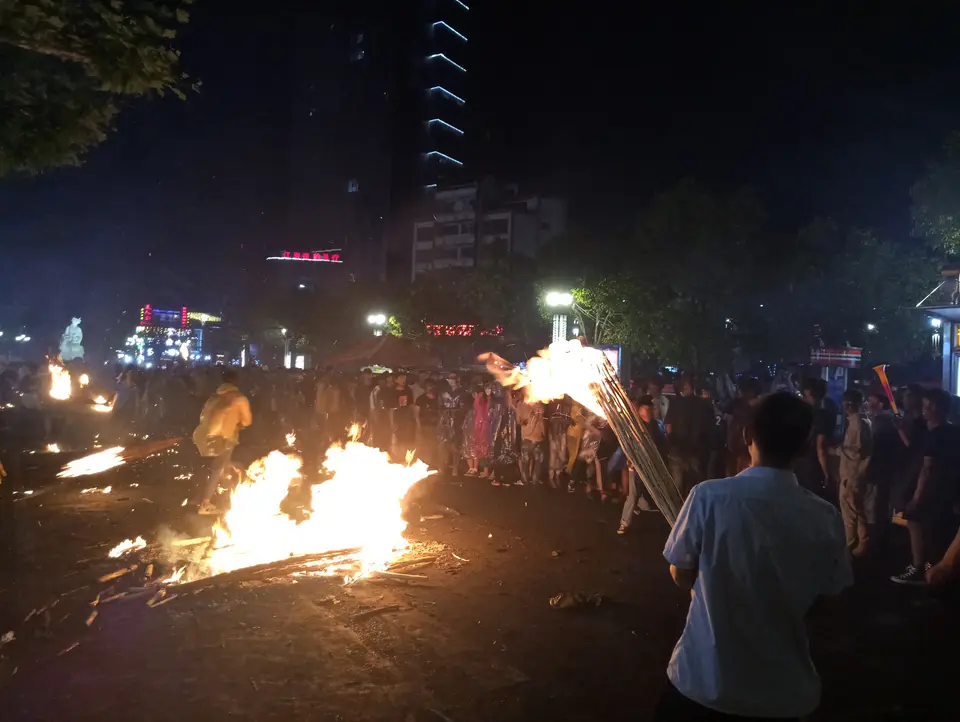
At the height of summer the Yi of Liangshan and Yunnan light torches of wormwood and pine, carry them around their homes and fields to drive away misfortune, and dance around bonfires all night — with horse races, wrestling and bullfights by day.
The return of the stars
The Torch Festival, Huoba jie, is one of the main holidays of the Yi people of southwest China, and is also celebrated by the Bai, Hani, Lahu, Naxi and Pumi. Its other name, Xinghui jie, means “the return of the stars”. Some scholars trace it to an old calendar of ten months of thirty-six days used by the Bai and Yi, in which two “star-returning” festivals, in winter and summer, both counted as the New Year; the summer one was lit by torches. A popular legend tells of the wrestler Atilabia, who drove away a plague of locusts with torches of pine.
Torches, fire and dance
Preparations can begin a month ahead, when people gather wormwood for torches; around Liangshan it is believed to ward off evil. Traditionally every family lights torches, carries them into each corner of the house and around the fields, and some villages hold torch parades to drive away bad luck and pray for a good harvest. Then comes the bonfire, with the moon guitar and the three-stringed sanxian, singing and dancing through the night. Houses are cleaned, people wear their finest clothes, beef is eaten for good luck, and there is wrestling, horse racing and bullfighting.
Since 1993 the government of the Liangshan Yi Autonomous Prefecture has organised a large public celebration. In 2026 the first fire was lit in Puge County on 19 July: a bimo, a Yi ritual specialist, lit the main torch and handed it to young people, six hundred women danced the duolehe with yellow umbrellas, and the night ended with thousands of torches and the dati dance around the bonfires.
Когда проходит
The festival falls on the 24th (in some places the 25th) day of the sixth month, usually in late July or August. In Liangshan it begins on the 24th day of the sixth lunar month and is a seven-day public holiday; in 2026 it ran from 6 to 12 August. Events around the prefecture can start weeks earlier.
- 27 июля 2027 г.Рассчитано
- 14 августа 2028 г.Рассчитано
- 3 августа 2029 г.Рассчитано
- 24 июля 2030 г.Рассчитано
Источники
Статья написана по следующим источникам.
- Torch FestivalWikipedia · просмотрено 16 сентября 2026 г.
- 火把节Wikipedia (Chinese) · просмотрено 16 сентября 2026 г.
- 2026年凉山彝族火把节正式启幕,8月5日至12日凉山将连放8天假Red Star News (via Tencent News) · просмотрено 16 сентября 2026 г.
- Gregorian-Lunar Calendar Conversion TablesHong Kong Observatory · просмотрено 16 сентября 2026 г.
Похожие праздники
Chaharshanbe Suri
چهارشنبهسوری
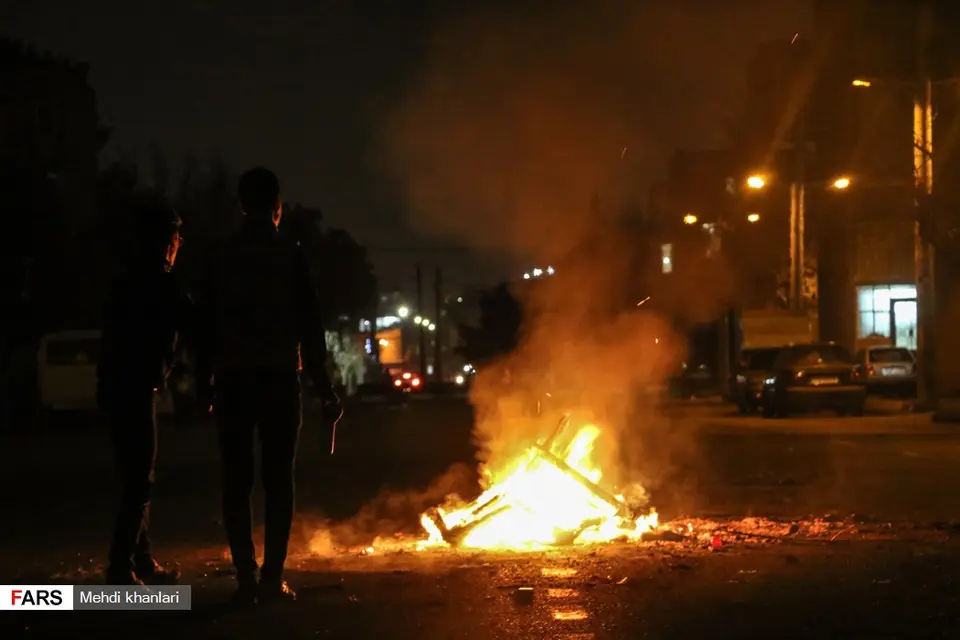
On the eve of the last Wednesday of the Iranian year, bonfires are lit in yards, streets and on rooftops, and people leap over the flames, asking the fire to take away their pallor and give them its red glow for the year ahead.
16 марта 2027 г.Рассчитано
Jashn-e Sadeh
جشن سده
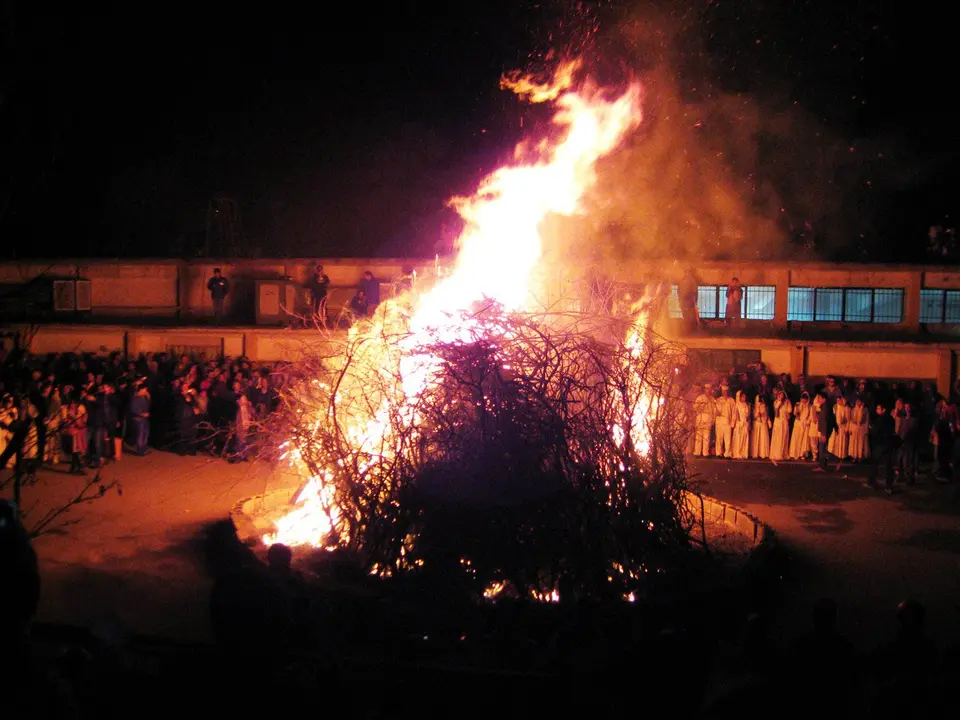
In the depth of winter, fifty days before spring, a great bonfire is lit at sunset. People gather around it to sing, dance and pray, offer blessings and fruit, and celebrate the passing of the coldest days.
30 января 2027 г.Рассчитано
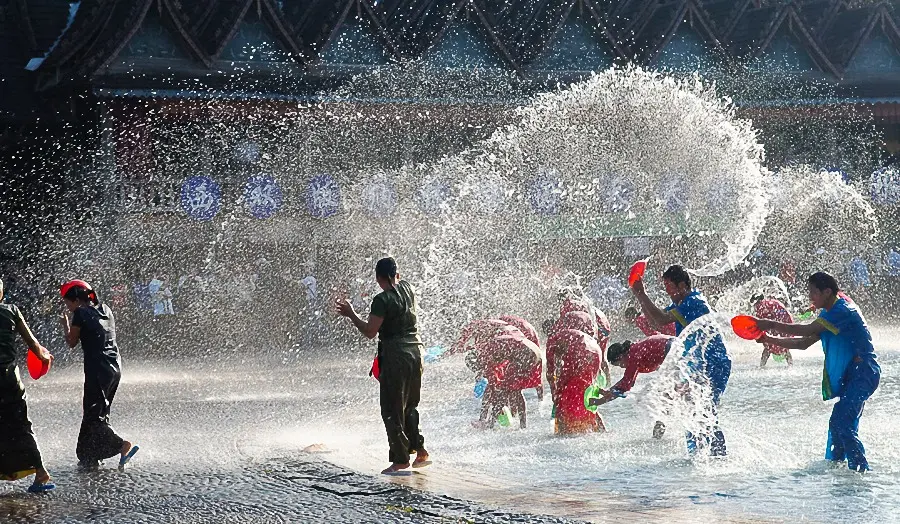
Water-Splashing Festival
泼水节
In mid-April the Dai of Xishuangbanna welcome their new year by washing statues of the Buddha and drenching each other with water for luck — three days of dragon boat races, rockets, dances and a city-wide water fight in Jinghong.
13–15 апреля 2027 г.Ориентировочно