لم تُترجم هذه الصفحة إلى العربية بعد، ويُعرض نصها الأصلي بالإنجليزية.
Surova
Сурова
مُدرج في قائمة اليونسكو للتراث الثقافي غير المادي للبشرية
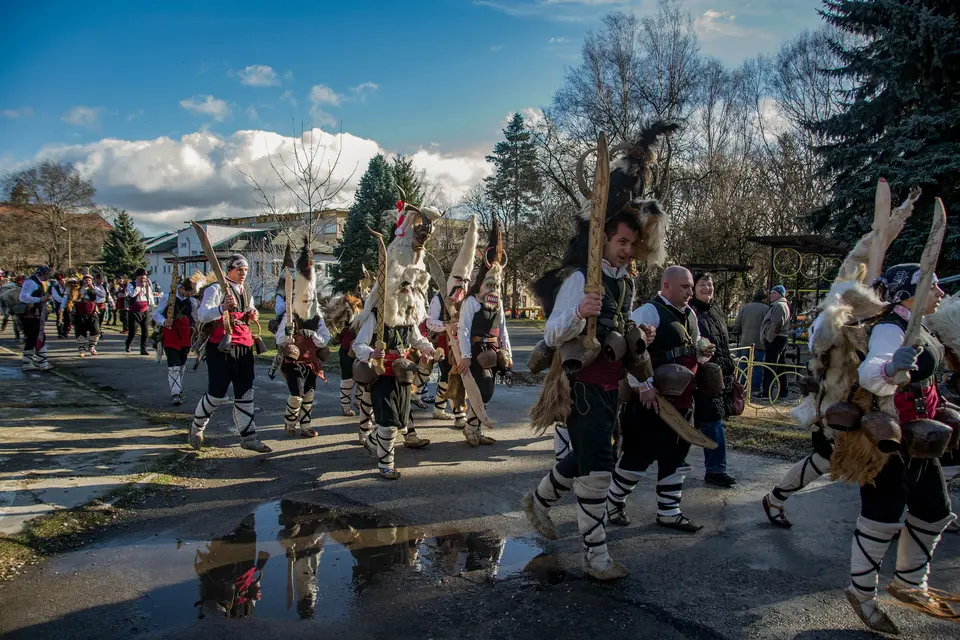
الصورة: Dachegraphy، CC BY-SA 4.0، عبر ويكيميديا كومنز
On the nights of 13 and 14 January, masked survakari in fur, horns and heavy bells gather around fires in the villages of the Pernik region, then go from house to house marrying young couples in jest and wishing health for the new year — a masquerade listed by UNESCO.
New Year by the old calendar
Surova — also called Surva or Sirova — is, for the villages of the Pernik region in western Bulgaria, the most anticipated feast of the year, a masquerade ritual meant to ensure a happy passage from the old year to the new. On the first night, masquerade groups of survakari, made up of men, women and children, put on their masks and costumes and head for the village centre, where they light fires and tease and play with the watching crowd. Some take on special roles: the leader, the newlyweds, the priest and the bear.
Early the next morning the groups walk through the village visiting houses. They ritually marry young couples, and the bear “mauls” people to give them good health. Hosts wait for them with a ritual meal and gifts, and after the feast the survakari share out the gifts, often donating the money collected to orphans and the poor. According to UNESCO, whole families spend the year collecting materials for masks and costumes, with adults teaching young people how to make them.
The Surva festival in Pernik
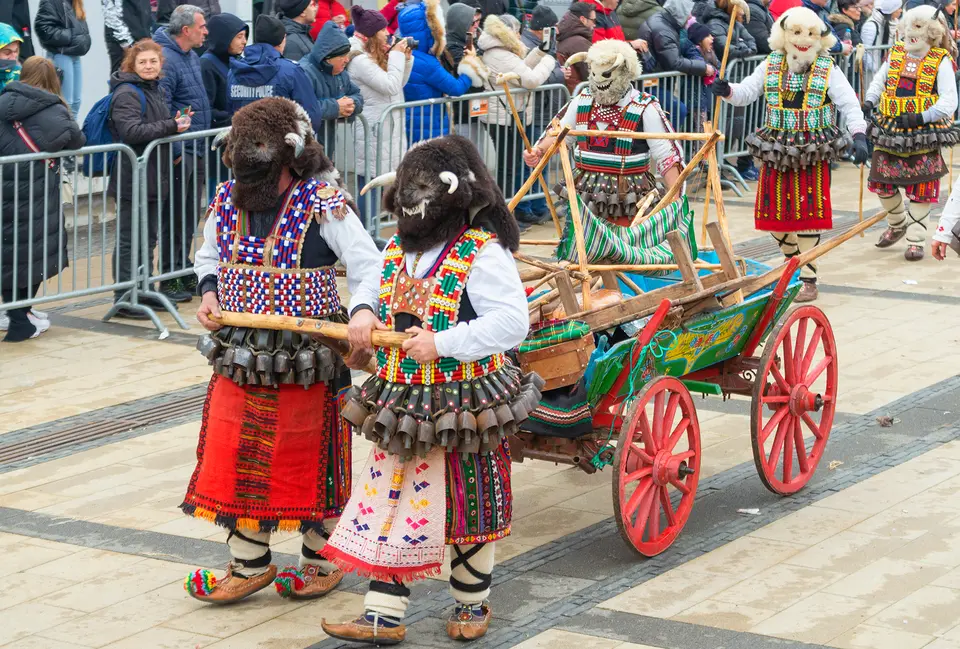
The town of Pernik also hosts the International Festival of Masquerade Games, Surva, over the last weekend of January. First held in 1966, it brings together masquerade groups from most of the villages of the region, from elsewhere in Bulgaria and from abroad — more than 12,000 participants in both 2024 and 2025. The kukeri, as the masked dancers are called in much of Bulgaria, wear wooden masks with horns, beaks and teeth, costumes of animal fur and heavy bells on their belts, whose clanging is meant to frighten away evil spirits. Nineteenth-century scholars traced the tradition to the ancient Thracians, but modern research sees it as part of a wider Balkan mumming tradition.
متى يُقام
The Surova folk feast is held every year on 13 and 14 January, the folk New Year, St Basil’s day according to the old Julian church calendar. The International Festival of Masquerade Games, Surva, takes place in the town of Pernik on the last weekend of January.
- 13–14 يناير 2027Village rituals, 13–14 Januaryمحسوب
- 30–31 يناير 2027Surva festival in Pernik, last weekend of Januaryتقديري
- 13–14 يناير 2028Village rituals, 13–14 Januaryمحسوب
- 29–30 يناير 2028Surva festival in Pernik, last weekend of Januaryتقديري
- 13–14 يناير 2029Village rituals, 13–14 Januaryمحسوب
- 27–28 يناير 2029Surva festival in Pernik, last weekend of Januaryتقديري
- 13–14 يناير 2030Village rituals, 13–14 Januaryمحسوب
- 26–27 يناير 2030Surva festival in Pernik, last weekend of Januaryتقديري
المصادر
كُتب هذا المدخل استنادًا إلى المصادر التالية.
- Surova folk feast in Pernik regionUNESCO Intangible Cultural Heritage · اطُّلع عليه في 17 سبتمبر 2026
- Surova Folk Feast in Pernik RegionSurvakari (Surova safeguarding project) · اطُّلع عليه في 17 سبتمبر 2026
- Surva FestivalWikipedia · اطُّلع عليه في 17 سبتمبر 2026
- Bulgaria travel advice: safety and securityUK Foreign, Commonwealth & Development Office · اطُّلع عليه في 17 سبتمبر 2026
مهرجانات ذات صلة
Busójárás
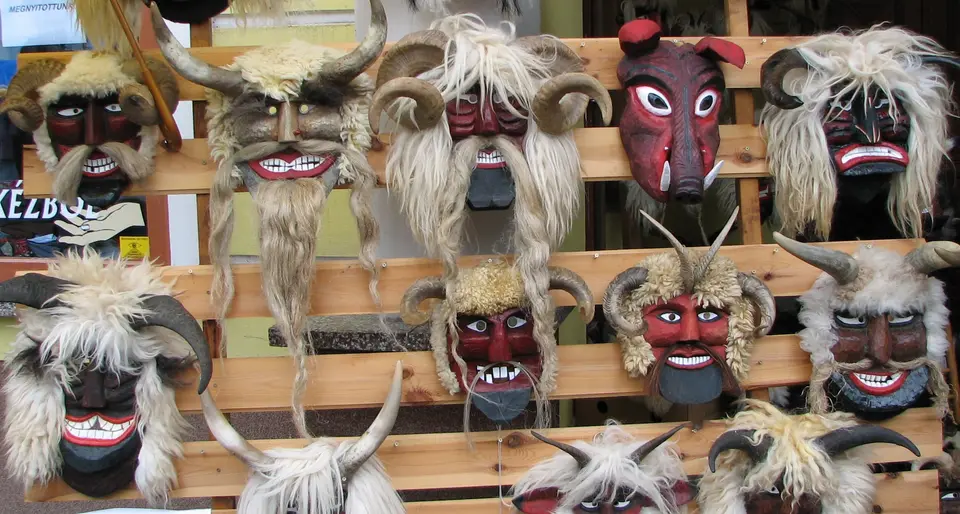
At the end of carnival, the Danube town of Mohács is overrun by busós — men in carved wooden masks and shaggy sheepskins who arrive by rowing boat, parade through the streets with noise and fire, and burn a coffin that stands for winter.
4–9 فبراير 2027محسوب
Kazanlak Rose Festival
Празник на розата
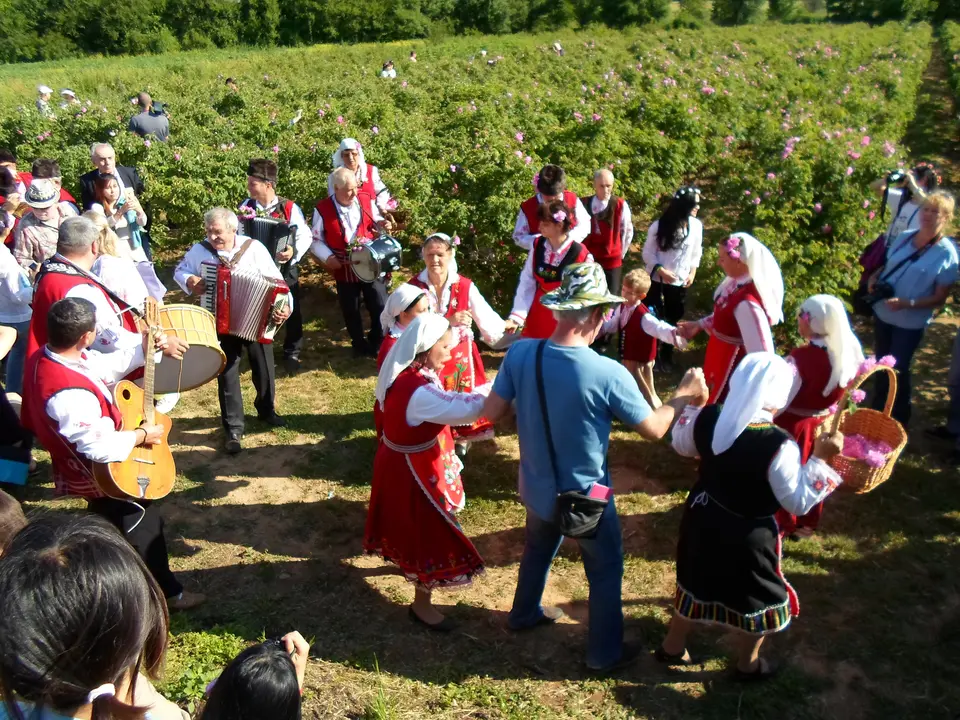
At the start of June, the Rose Valley around Kazanlak celebrates the Bulgarian oil rose — pickers in folk costume gather blossoms in the gardens, rose oil is distilled for guests, and a Rose Queen leads a carnival procession of thousands through town.
6 يونيو 2027محسوب
Carnival of Binche
Carnaval de Binche
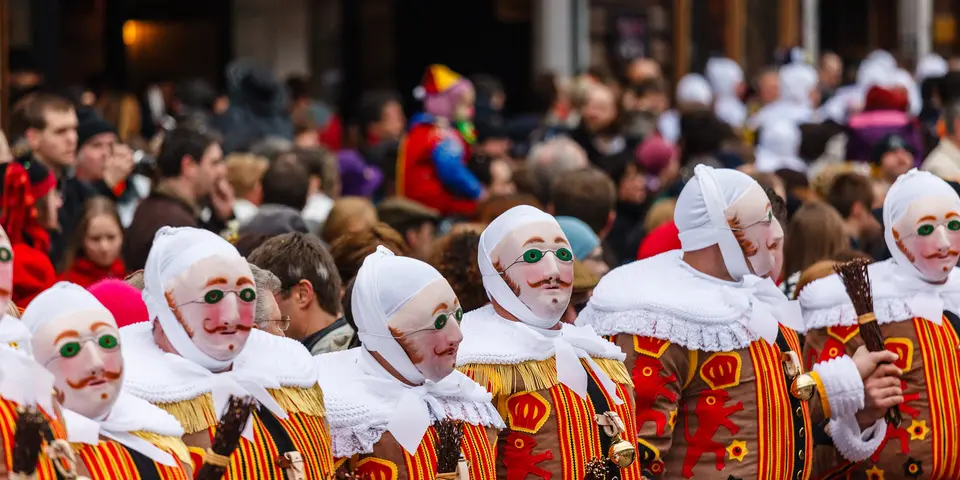
For the three days before Lent, the small Walloon town of Binche belongs to its Gilles — up to a thousand men in wax masks and wooden clogs who dance from dawn to drive away evil spirits and, crowned with ostrich plumes, throw oranges to the crowd.
7–9 فبراير 2027محسوب