Diese Seite ist noch nicht ins Deutsche übersetzt; der englische Originaltext wird angezeigt.
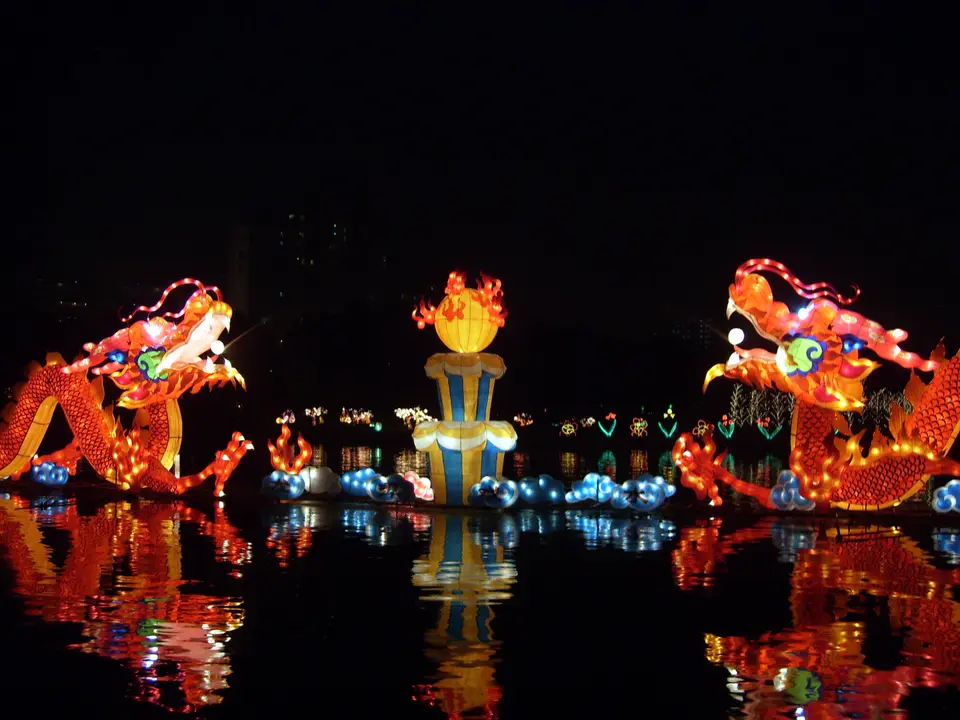
On the fifteenth night of the eighth lunar month, when the moon is held to be at its fullest and brightest, Chinese families gather to share mooncakes, carry lanterns and look at the moon — a harvest festival with the legend of Chang’e at its heart.
The moon and Chang’e
The Mid-Autumn Festival is one of the most important celebrations in Chinese culture. The Chinese have celebrated the harvest under the autumn full moon since the Shang dynasty, and the term “mid-autumn” first appears in the Rites of Zhou. The festival became popular in the early Tang dynasty, and by the Ming and Qing it was one of China’s main folk festivals.
It is tied to the legend of Chang’e. In one version, the archer Hou Yi shot down nine of ten suns that were scorching the earth and was given an elixir of immortality. When his apprentice tried to steal it, his wife Chang’e swallowed it herself and flew to the moon. Hou Yi laid out the fruit and cakes she liked in offering, and people joined him — the beginning, the story says, of praying to the moon on this night.
Gathering, lanterns and mooncakes
The festival is above all about gathering. Families meet outdoors to eat mooncakes and watch the moon, a symbol of harmony and unity. Brightly lit lanterns are carried, hung on towers or floated as sky lanterns, and riddles are written on them for others to guess. In the past the senior member of a household would cut the mooncakes and hand a piece to each person; today mooncakes are more often given as gifts. Dragon and lion dances are performed, mainly in southern China.
Wann es stattfindet
The Mid-Autumn Festival is the fifteenth day of the eighth month of the Chinese calendar, between 7 September and 8 October. It is a public holiday in mainland China.
- 25. September 2026Berechnet
- 15. September 2027Berechnet
- 3. Oktober 2028Berechnet
- 22. September 2029Berechnet
- 12. September 2030Berechnet
Essen und Trinken
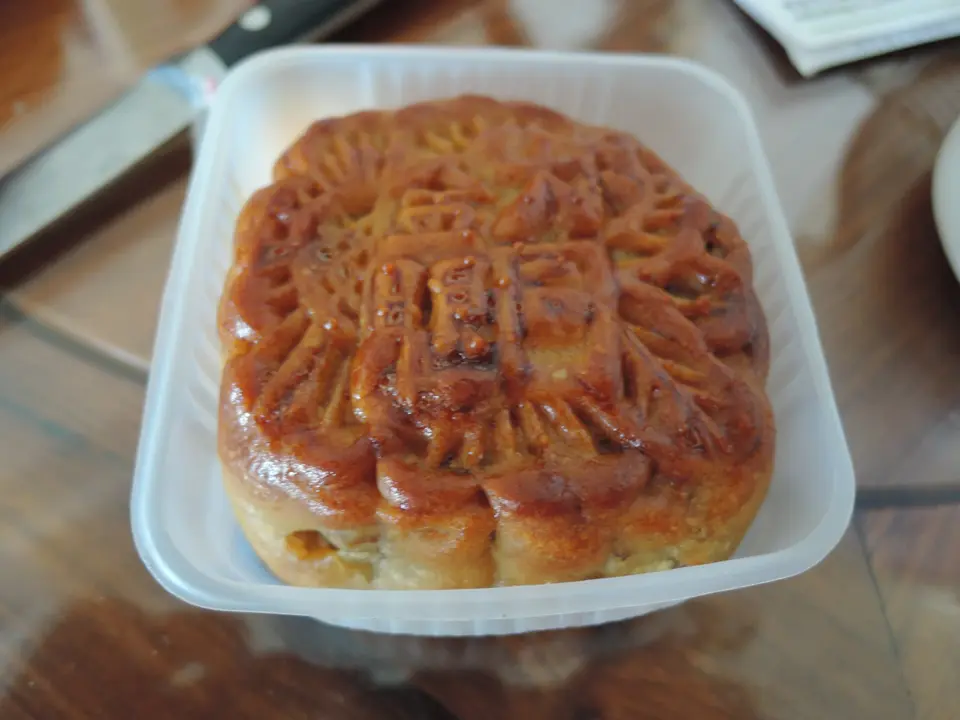
Mooncakes
Round pastries, typically filled with sweet bean or lotus-seed paste. Their round shape stands for completeness and reunion, and they are shared among family members and given as gifts.
Osmanthus wine and cakes
Cassia or osmanthus blossoms at this time of year, so osmanthus wine and osmanthus cakes are traditional in some places.
Quellen
Dieser Eintrag beruht auf den folgenden Quellen.
- Mid-Autumn FestivalWikipedia · abgerufen am 16. September 2026
- Gregorian-Lunar Calendar Conversion TablesHong Kong Observatory · abgerufen am 16. September 2026
Verwandte Feste
Lantern Festival
元宵节
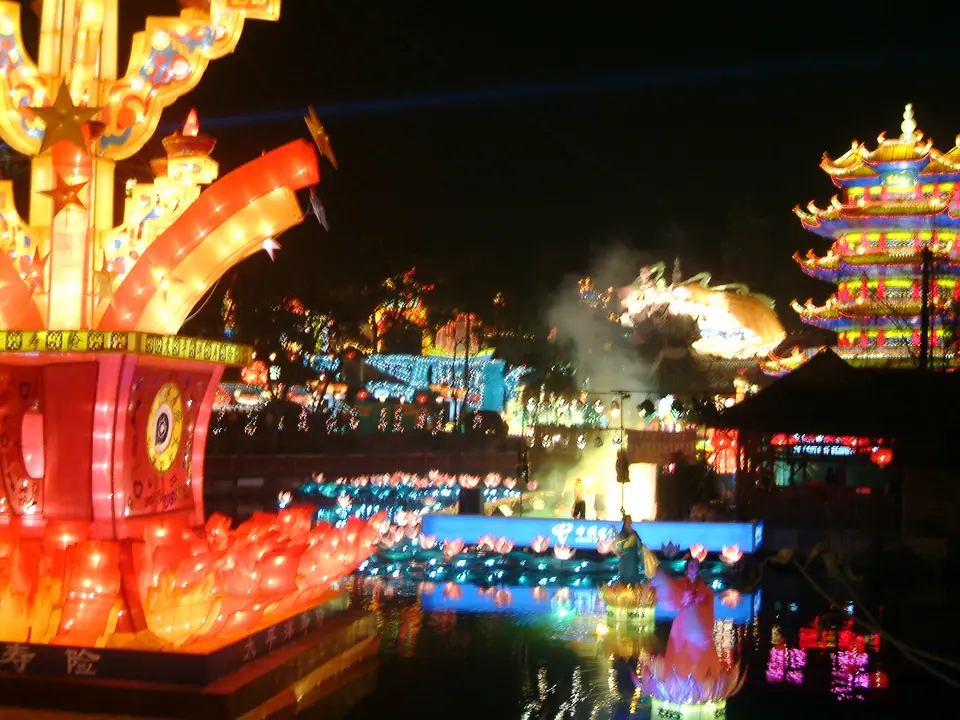
On the first full moon of the Chinese year, the New Year season ends in light — lantern riddles, sweet rice balls, and great lantern fairs such as those at Nanjing’s Confucius Temple and in Zigong, Sichuan, which run from the Spring Festival to this night.
20. Februar 2027Berechnet
Spring Festival (Chinese New Year)
春节
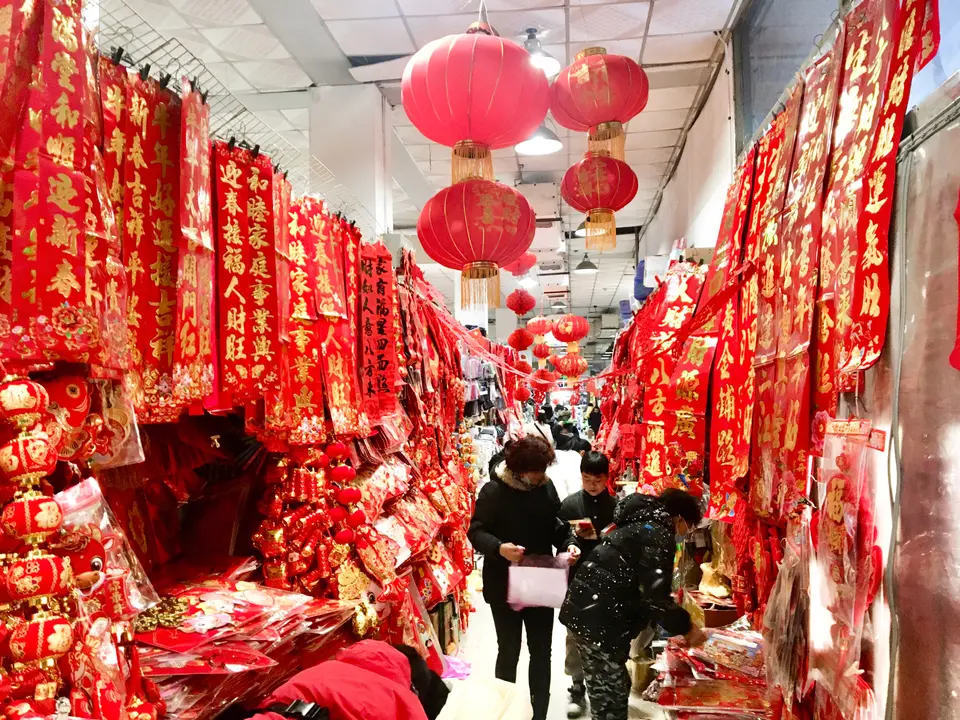
The first day of the Chinese lunisolar year is the most important holiday in Chinese culture — a season of homecoming, spring couplets on the door, a reunion dinner on New Year’s Eve and visits to relatives, which sets off one of the largest annual migrations in the world.
5.–6. Februar 2027Berechnet
Shab-e Yalda
شب یلدا
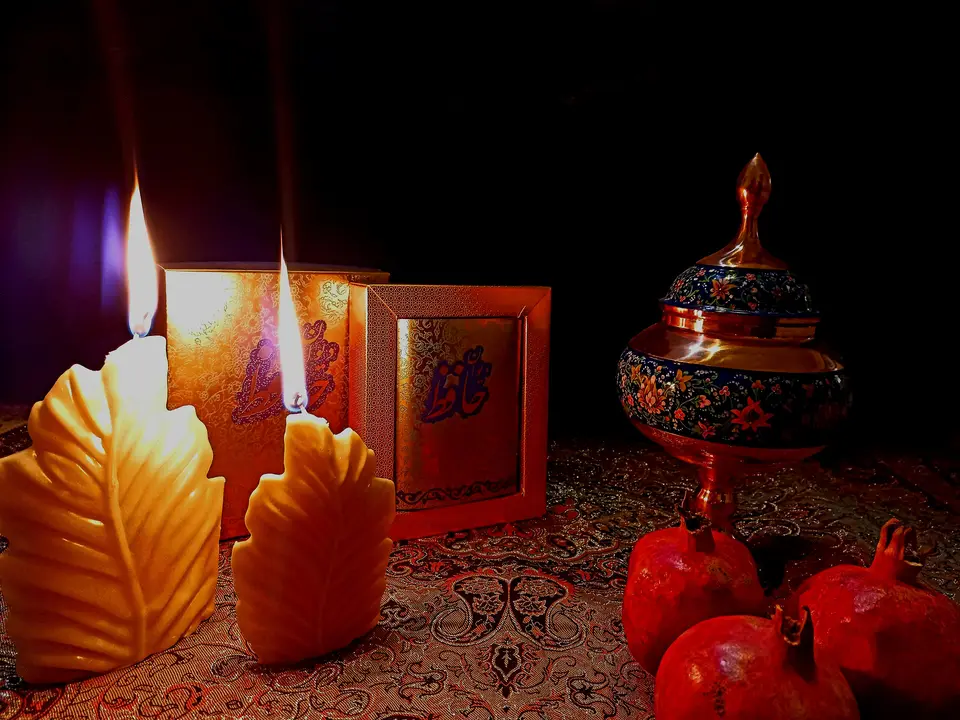
On the longest night of the year, families gather at the homes of their elders to stay up late around a table of pomegranates, watermelon, nuts and dried fruit, reading Hafez and telling stories until well after midnight.
21. Dezember 2026Berechnet