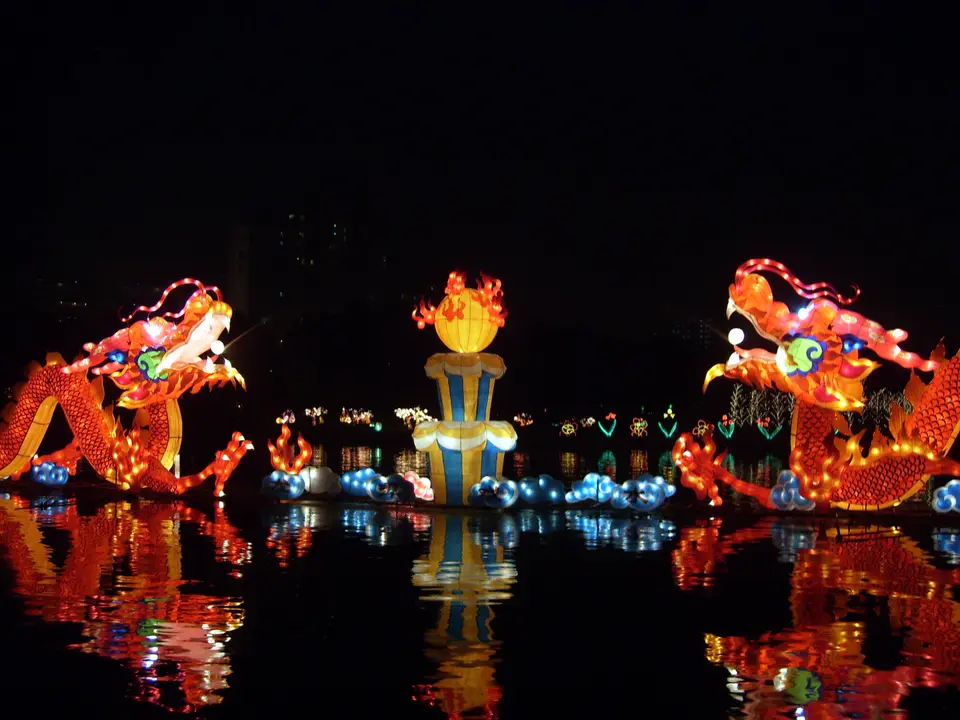
China

Chinas Jahr dreht sich mit dem lunisolaren Kalender — das Frühlingsfest und seine Laternen, die Drachenboote im Frühsommer, der Mond des Mittherbstes — während die Völker des Südwestens ihre eigenen Neujahrsfeste halten, mit Wasser in Xishuangbanna und mit Feuer in Liangshan.

Foto: Yosomono from Fukuoka, Japan, CC BY 2.0, über Wikimedia Commons

Die überlieferten Feste der Han-Chinesen folgen dem chinesischen lunisolaren Kalender, weshalb ihre gregorianischen Termine von Jahr zu Jahr wandern; die Termine dieses Atlas sind den amtlichen Umrechnungstabellen des Observatoriums von Hongkong entnommen. Das Frühlingsfest und das Drachenbootfest stehen beide auf der Repräsentativen Liste des immateriellen Kulturerbes der Menschheit der Unesco.

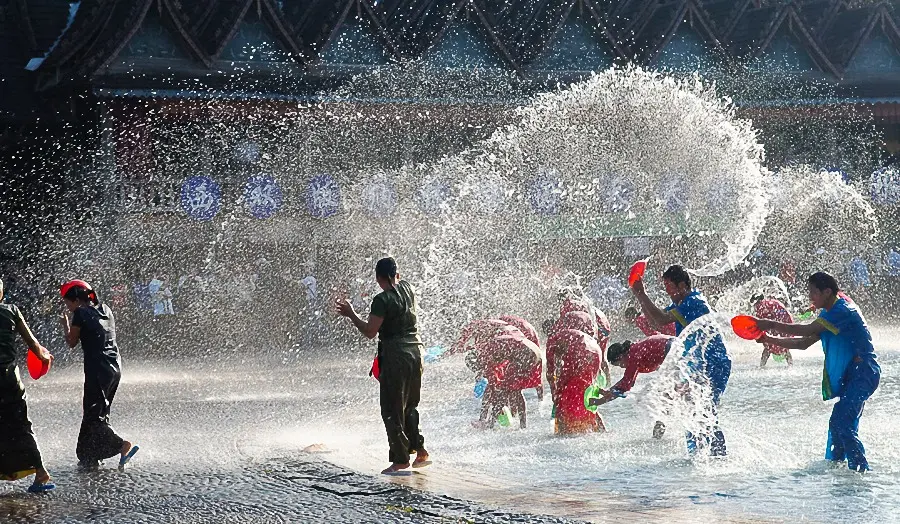
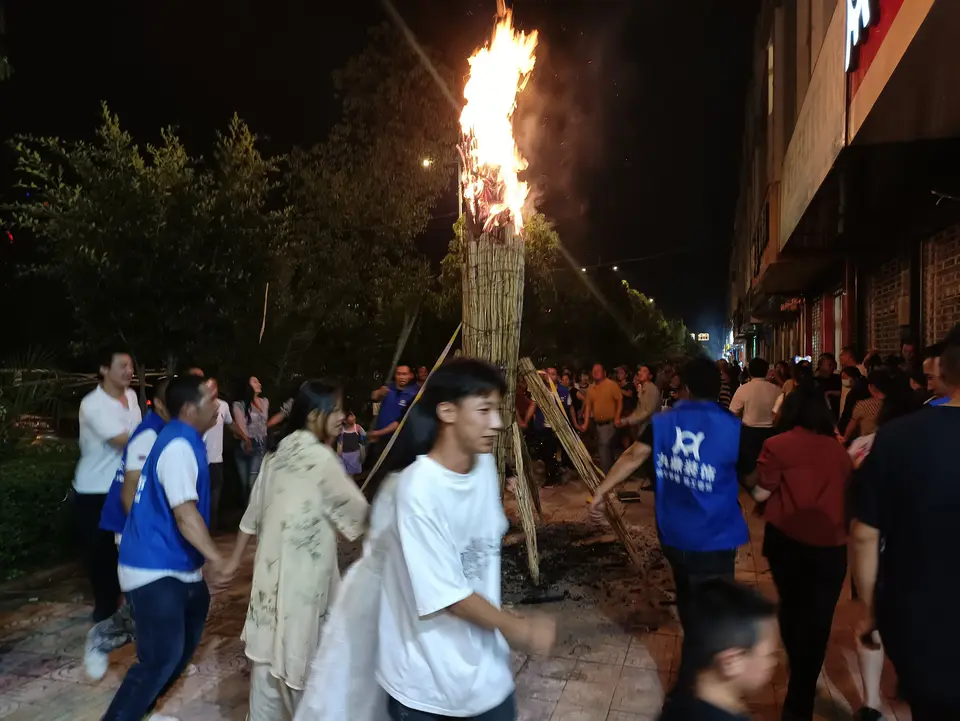
China ist außerdem Heimat vieler Völker mit eigenen Festen. Im Süden Yunnans begrüßen die Dai ihr neues Jahr im April mit Wasser; in Liangshan und im ganzen Südwesten entzünden die Yi zur Sommermitte Fackeln.

Feste in China

ChinaErnte

Mid-Autumn Festival

中秋节

On the fifteenth night of the eighth lunar month, when the moon is held to be at its fullest and brightest, Chinese families gather to share mooncakes, carry lanterns and look at the moon — a harvest festival with the legend of Chang’e at its heart.

25. September 2026Berechnet
ChinaNeujahr

Spring Festival (Chinese New Year)

春节

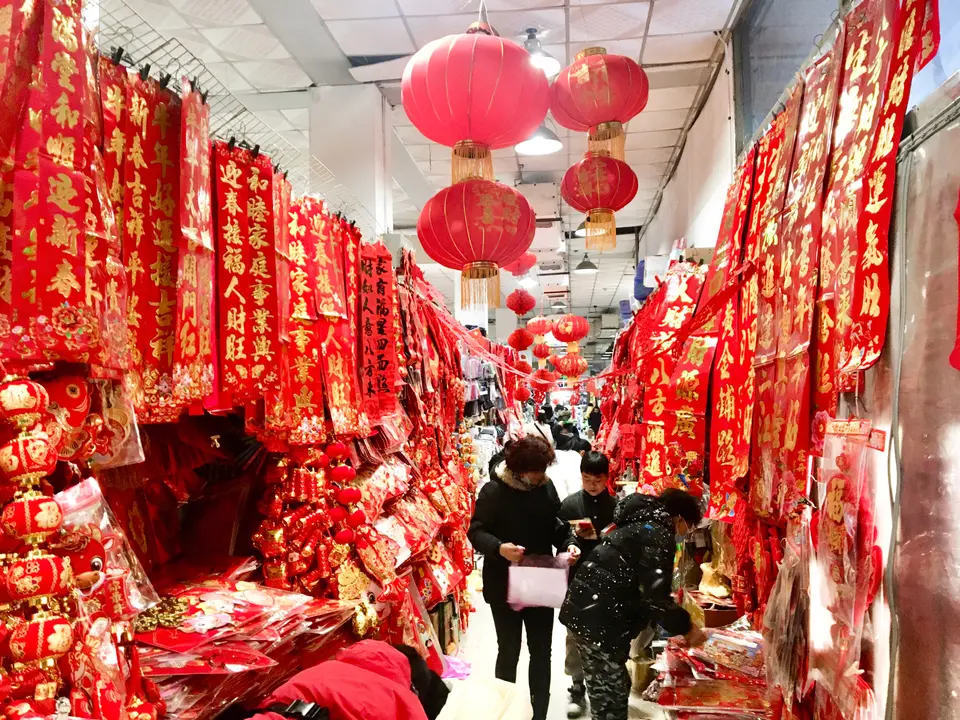
The first day of the Chinese lunisolar year is the most important holiday in Chinese culture — a season of homecoming, spring couplets on the door, a reunion dinner on New Year’s Eve and visits to relatives, which sets off one of the largest annual migrations in the world.

5.–6. Februar 2027Berechnet

ChinaJahreszeit

Lantern Festival

元宵节

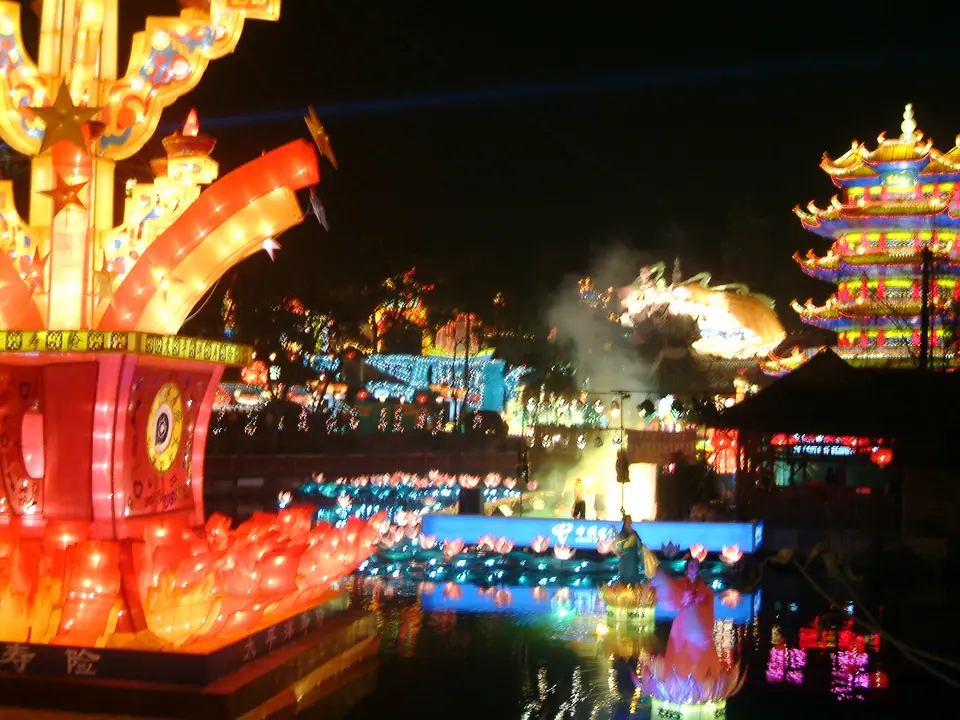
On the first full moon of the Chinese year, the New Year season ends in light — lantern riddles, sweet rice balls, and great lantern fairs such as those at Nanjing’s Confucius Temple and in Zigong, Sichuan, which run from the Spring Festival to this night.

20. Februar 2027Berechnet

ChinaNeujahr

Water-Splashing Festival

泼水节

In mid-April the Dai of Xishuangbanna welcome their new year by washing statues of the Buddha and drenching each other with water for luck — three days of dragon boat races, rockets, dances and a city-wide water fight in Jinghong.

13.–15. April 2027Geschätzt

ChinaTraditioneller Sport

Dragon Boat Festival

端午节

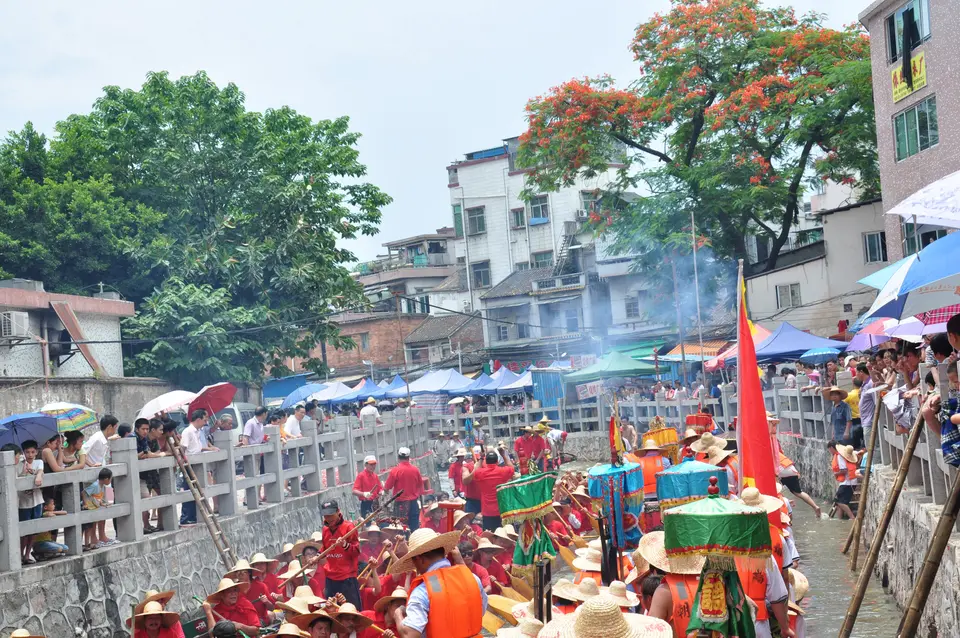
On the fifth day of the fifth lunar month, crews race long carved dragon boats, families eat zongzi, and doors are hung with calamus and mugwort — a festival of remembrance and protection, the first Chinese festival inscribed by UNESCO.

9. Juni 2027Berechnet

ChinaJahreszeit

Torch Festival

火把节

At the height of summer the Yi of Liangshan and Yunnan light torches of wormwood and pine, carry them around their homes and fields to drive away misfortune, and dance around bonfires all night — with horse races, wrestling and bullfights by day.

27. Juli 2027Berechnet

Quellen dieser Seite

  1. China travel advice: safety and securityUK Foreign, Commonwealth & Development Office · abgerufen am 16. September 2026
  2. Spring festival, social practices of the Chinese people in celebration of traditional new yearUNESCO Intangible Cultural Heritage · abgerufen am 16. September 2026
  3. ChunyunWikipedia · abgerufen am 16. September 2026
  4. China travel advice: entry requirementsUK Foreign, Commonwealth & Development Office · abgerufen am 16. September 2026
  5. Gregorian-Lunar Calendar Conversion TablesHong Kong Observatory · abgerufen am 16. September 2026