China

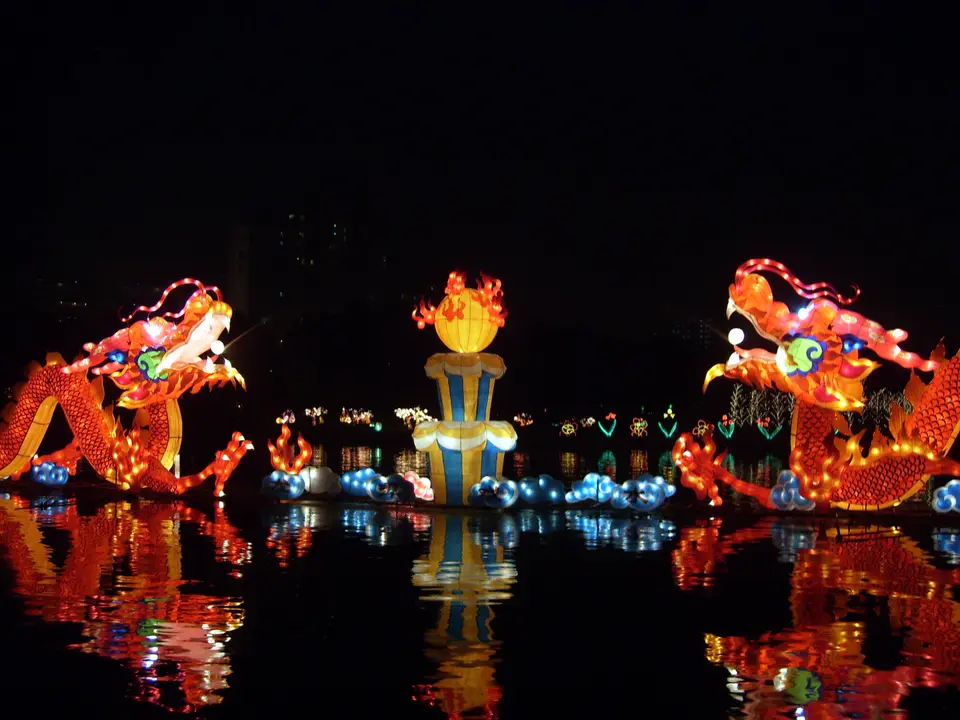
O ano chinês gira com o calendário lunissolar — a Festa da Primavera e as suas lanternas, os barcos-dragão no início do verão, a lua do Meio do Outono — enquanto os povos do sudoeste guardam os seus próprios anos novos, com água em Xishuangbanna e com fogo em Liangshan.

Foto: Yosomono from Fukuoka, Japan, CC BY 2.0, via Wikimedia Commons

As festas tradicionais dos chineses han seguem o calendário lunissolar chinês, de modo que as suas datas gregorianas mudam de ano para ano; as datas deste atlas são lidas nas tabelas oficiais de conversão do Observatório de Hong Kong. A Festa da Primavera e a Festa dos Barcos-Dragão estão inscritas na Lista Representativa do Patrimônio Cultural Imaterial da Humanidade da Unesco.

A China é também terra de muitos povos com festas próprias. No sul de Yunnan, os dai recebem o seu ano novo em abril com água; em Liangshan e por todo o sudoeste, os yi acendem tochas em pleno verão.

Festas em China

ChinaColheita

Mid-Autumn Festival

中秋节

On the fifteenth night of the eighth lunar month, when the moon is held to be at its fullest and brightest, Chinese families gather to share mooncakes, carry lanterns and look at the moon — a harvest festival with the legend of Chang’e at its heart.

25 de setembro de 2026Calculada
ChinaAno novo

Spring Festival (Chinese New Year)

春节

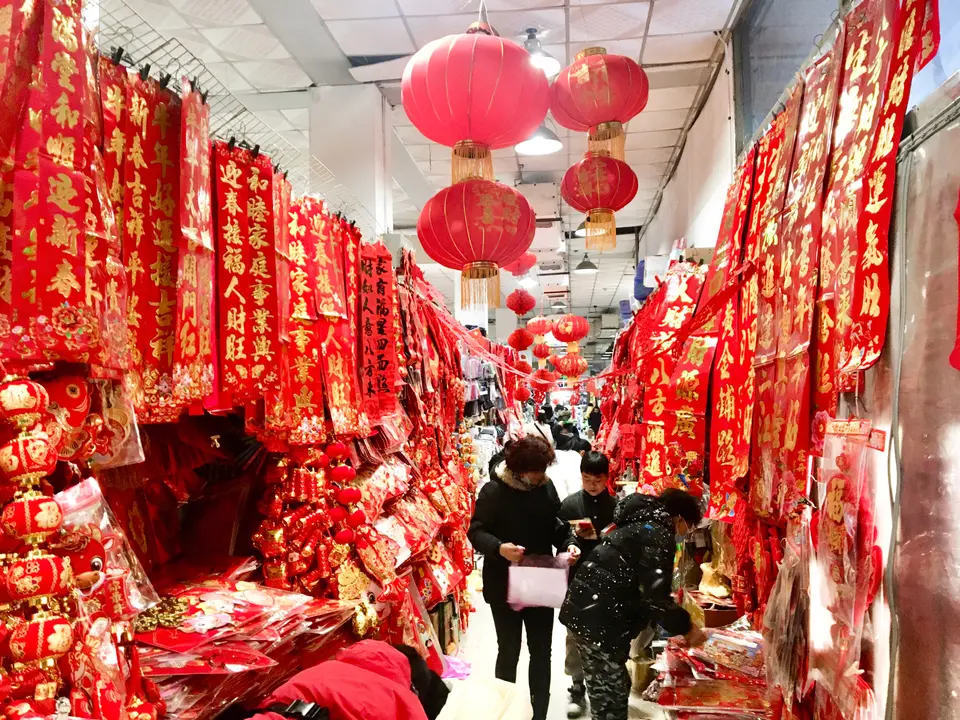
The first day of the Chinese lunisolar year is the most important holiday in Chinese culture — a season of homecoming, spring couplets on the door, a reunion dinner on New Year’s Eve and visits to relatives, which sets off one of the largest annual migrations in the world.

5 – 6 de fevereiro de 2027Calculada

ChinaSazonal

Lantern Festival

元宵节

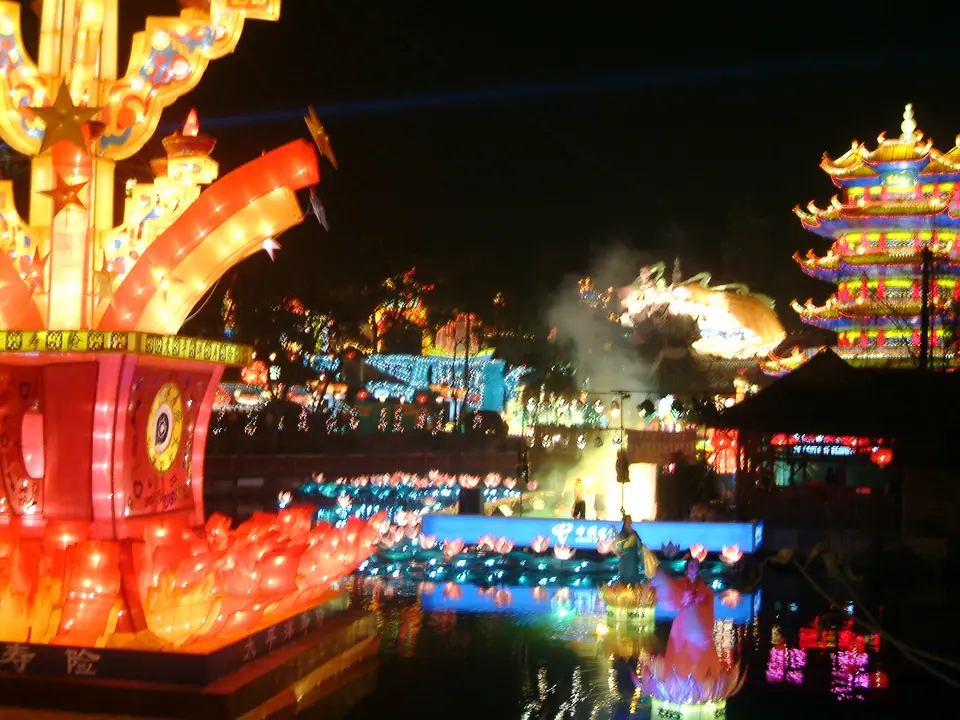
On the first full moon of the Chinese year, the New Year season ends in light — lantern riddles, sweet rice balls, and great lantern fairs such as those at Nanjing’s Confucius Temple and in Zigong, Sichuan, which run from the Spring Festival to this night.

20 de fevereiro de 2027Calculada

ChinaAno novo

Water-Splashing Festival

泼水节

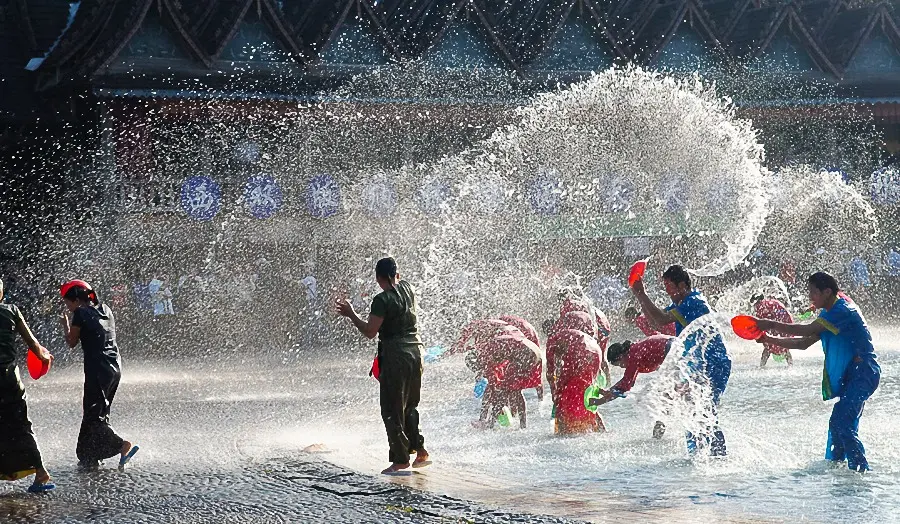
In mid-April the Dai of Xishuangbanna welcome their new year by washing statues of the Buddha and drenching each other with water for luck — three days of dragon boat races, rockets, dances and a city-wide water fight in Jinghong.

13 – 15 de abril de 2027Estimada

ChinaDesporto tradicional

Dragon Boat Festival

端午节

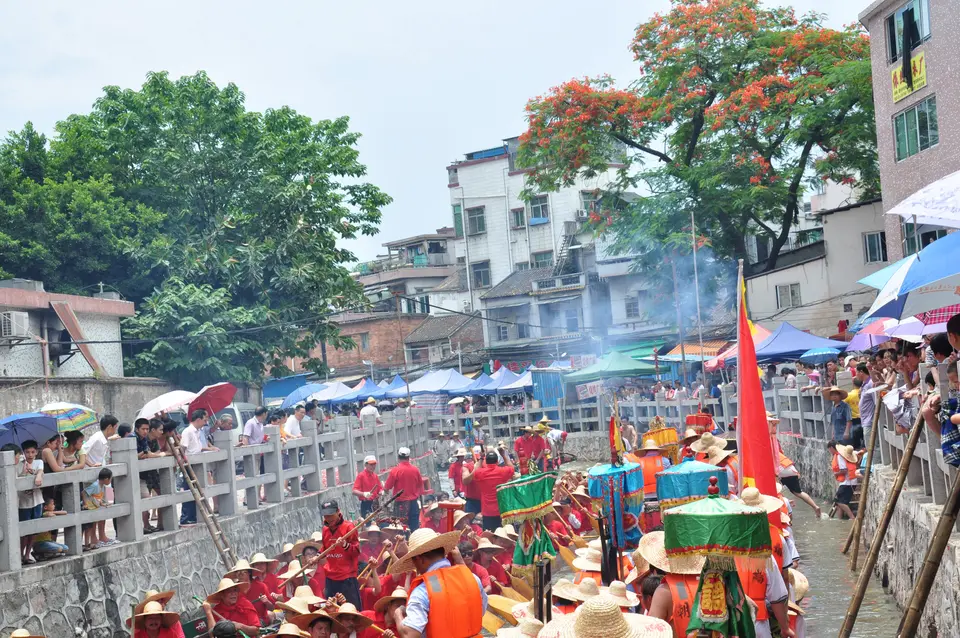
On the fifth day of the fifth lunar month, crews race long carved dragon boats, families eat zongzi, and doors are hung with calamus and mugwort — a festival of remembrance and protection, the first Chinese festival inscribed by UNESCO.

9 de junho de 2027Calculada

ChinaSazonal

Torch Festival

火把节

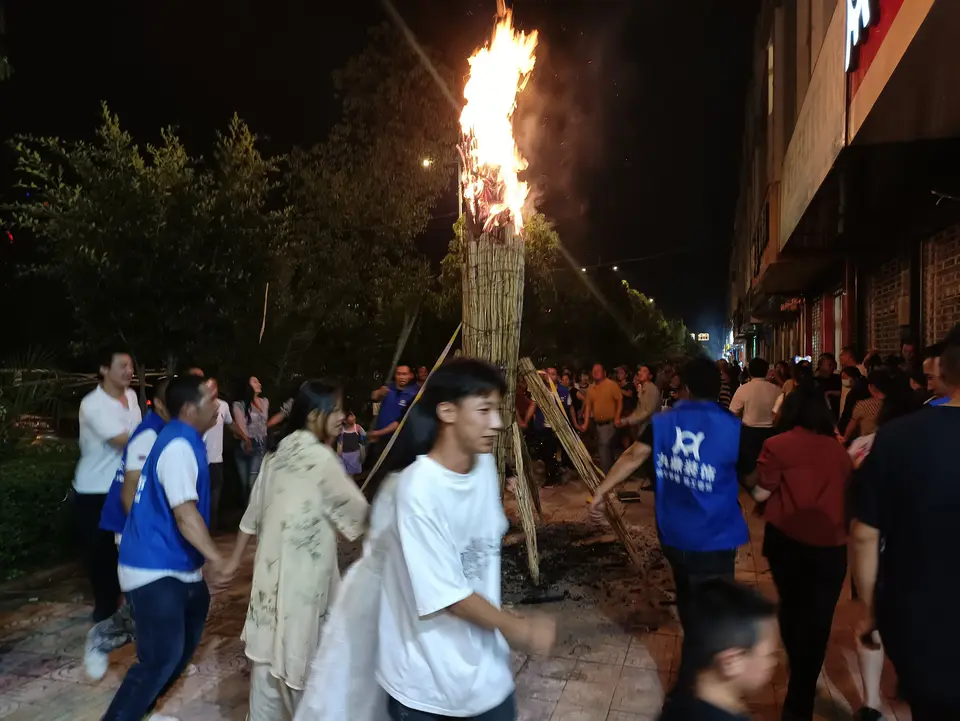
At the height of summer the Yi of Liangshan and Yunnan light torches of wormwood and pine, carry them around their homes and fields to drive away misfortune, and dance around bonfires all night — with horse races, wrestling and bullfights by day.

27 de julho de 2027Calculada

Fontes desta página

  1. China travel advice: safety and securityUK Foreign, Commonwealth & Development Office · consultado em 16 de setembro de 2026
  2. Spring festival, social practices of the Chinese people in celebration of traditional new yearUNESCO Intangible Cultural Heritage · consultado em 16 de setembro de 2026
  3. ChunyunWikipedia · consultado em 16 de setembro de 2026
  4. China travel advice: entry requirementsUK Foreign, Commonwealth & Development Office · consultado em 16 de setembro de 2026
  5. Gregorian-Lunar Calendar Conversion TablesHong Kong Observatory · consultado em 16 de setembro de 2026