Tiongkok

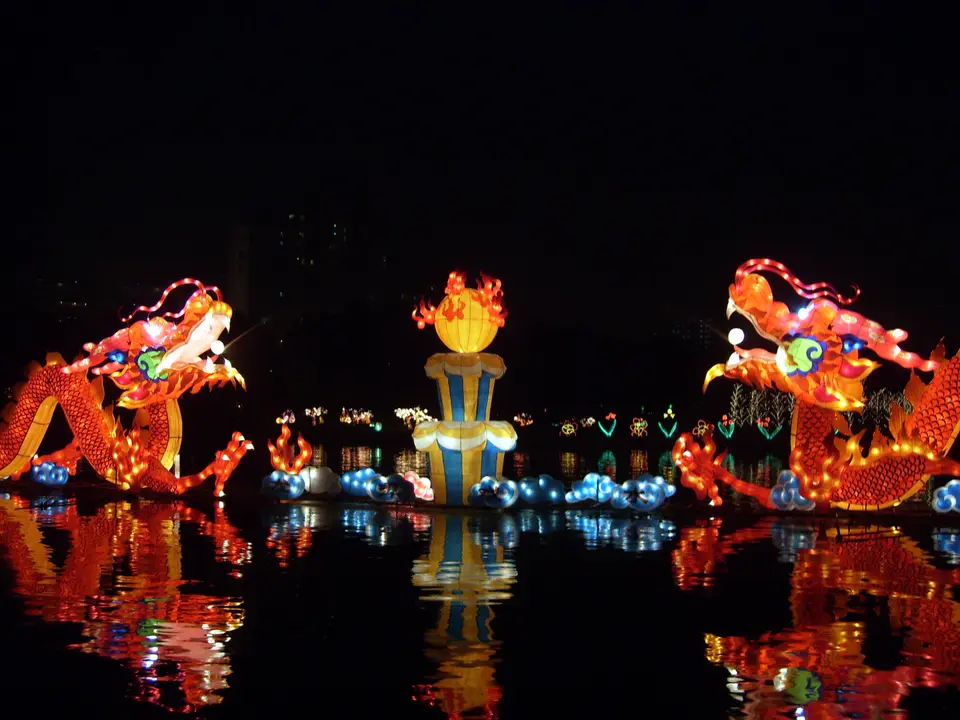
Tahun Tiongkok berputar mengikuti kalender candra-surya — Perayaan Musim Semi dengan lampionnya, perahu naga pada awal musim panas, bulan Pertengahan Musim Gugur — sementara bangsa-bangsa di barat daya menjaga tahun baru mereka sendiri, dengan air di Xishuangbanna dan api di Liangshan.

Foto: Yosomono from Fukuoka, Japan, CC BY 2.0, melalui Wikimedia Commons

Perayaan tradisional orang Tionghoa Han mengikuti kalender candra-surya Tiongkok, sehingga tanggal Gregoriannya bergeser dari tahun ke tahun; tanggal dalam atlas ini dibaca dari tabel konversi resmi Observatorium Hong Kong. Perayaan Musim Semi dan Perayaan Perahu Naga sama-sama tercatat pada Daftar Representatif Warisan Budaya Takbenda Manusia UNESCO.

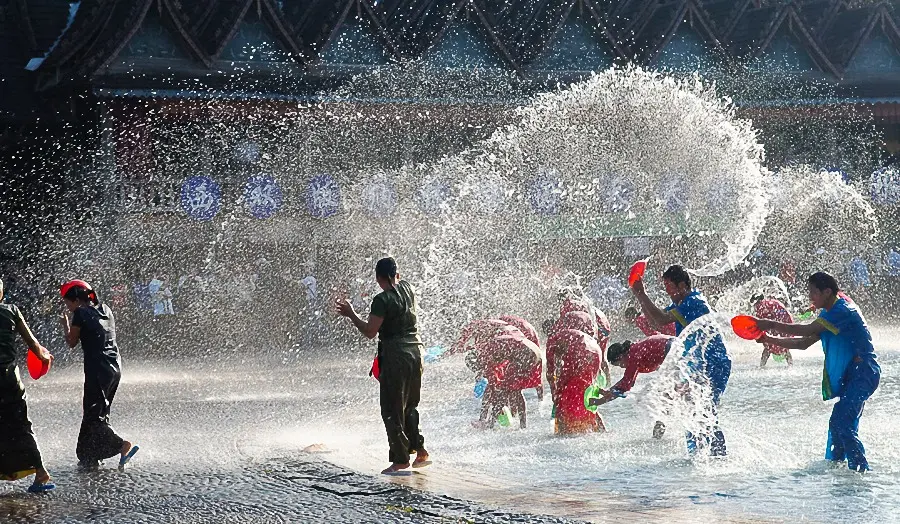
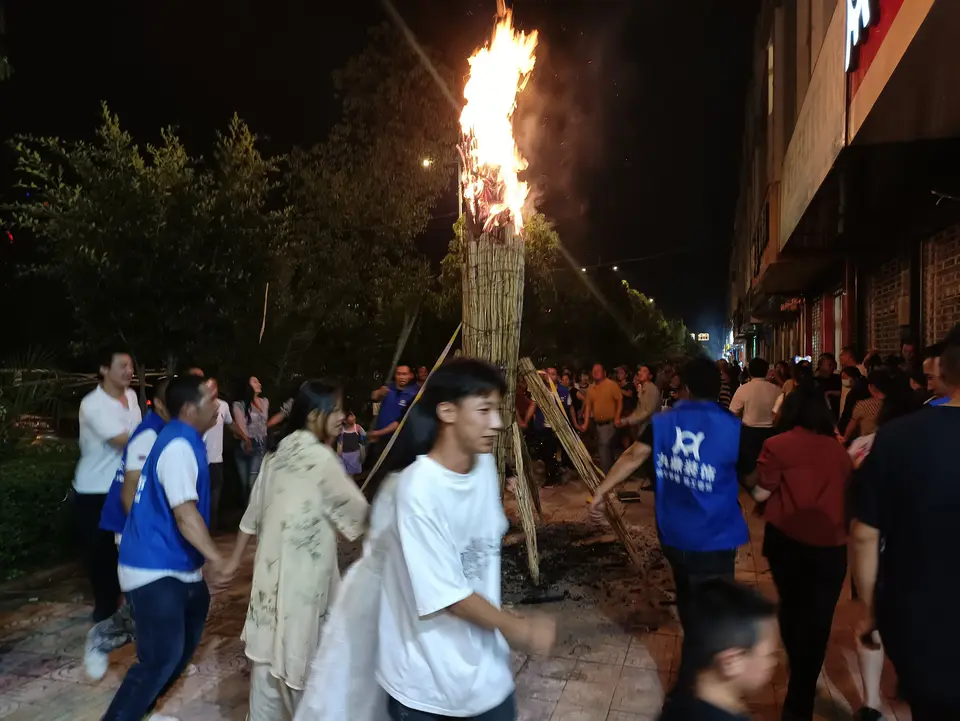
Tiongkok juga rumah bagi banyak kelompok etnis dengan perayaan sendiri. Di selatan Yunnan, orang Dai menyambut tahun baru mereka pada April dengan air; di Liangshan dan di seluruh barat daya, orang Yi menyalakan obor pada pertengahan musim panas.

Festival di Tiongkok

TiongkokPanen

Mid-Autumn Festival

中秋节

On the fifteenth night of the eighth lunar month, when the moon is held to be at its fullest and brightest, Chinese families gather to share mooncakes, carry lanterns and look at the moon — a harvest festival with the legend of Chang’e at its heart.

25 September 2026Dihitung
TiongkokTahun baru

Spring Festival (Chinese New Year)

春节

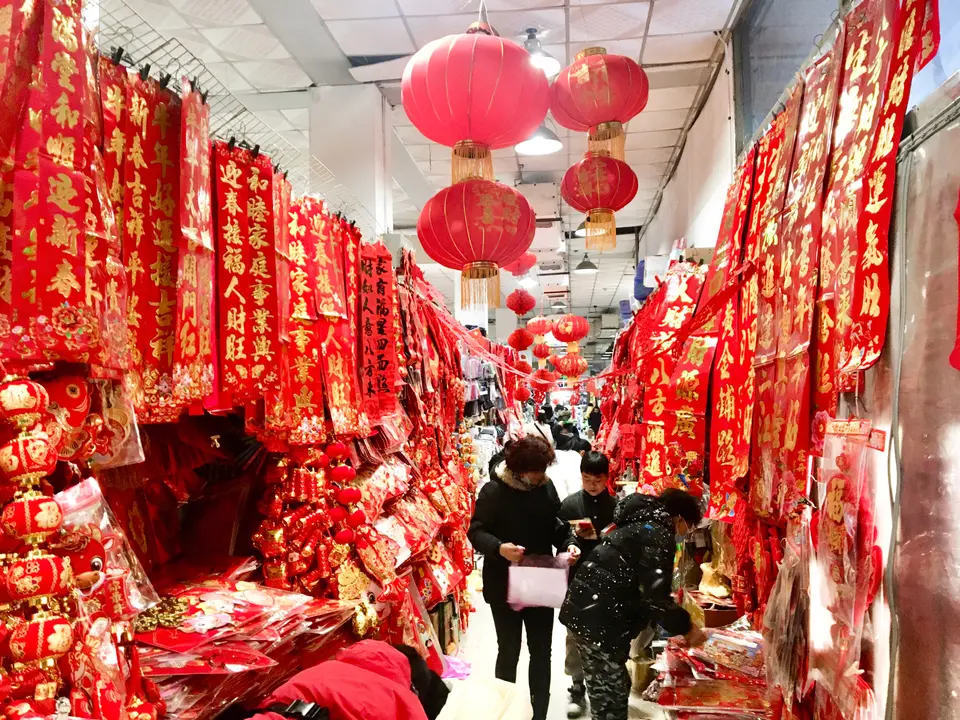
The first day of the Chinese lunisolar year is the most important holiday in Chinese culture — a season of homecoming, spring couplets on the door, a reunion dinner on New Year’s Eve and visits to relatives, which sets off one of the largest annual migrations in the world.

5–6 Februari 2027Dihitung

TiongkokMusiman

Lantern Festival

元宵节

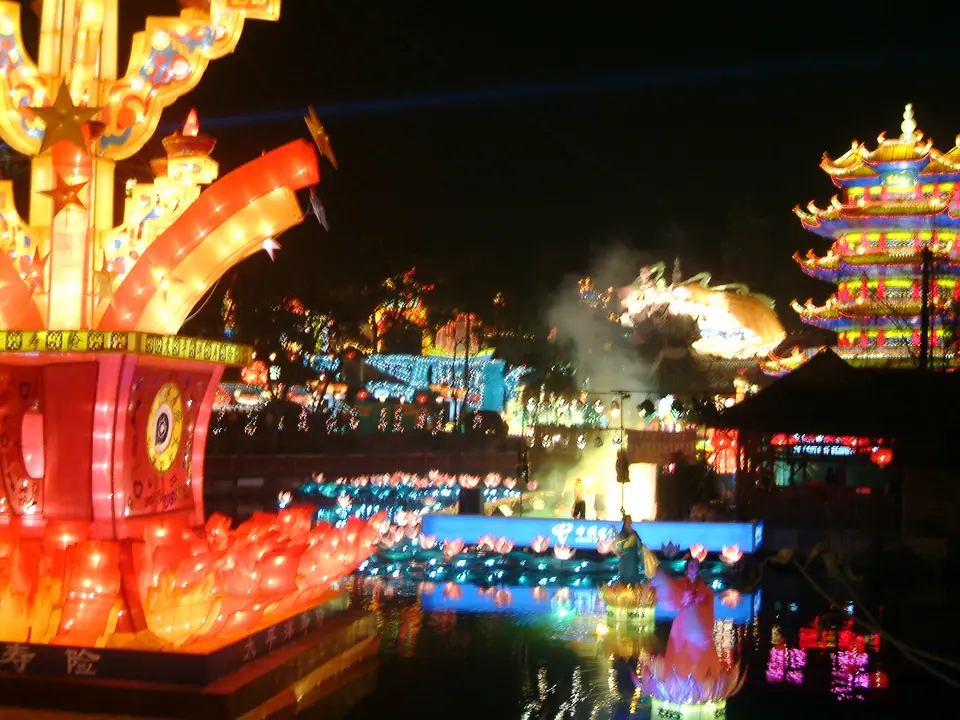
On the first full moon of the Chinese year, the New Year season ends in light — lantern riddles, sweet rice balls, and great lantern fairs such as those at Nanjing’s Confucius Temple and in Zigong, Sichuan, which run from the Spring Festival to this night.

20 Februari 2027Dihitung

TiongkokTahun baru

Water-Splashing Festival

泼水节

In mid-April the Dai of Xishuangbanna welcome their new year by washing statues of the Buddha and drenching each other with water for luck — three days of dragon boat races, rockets, dances and a city-wide water fight in Jinghong.

13–15 April 2027Perkiraan

TiongkokOlahraga tradisional

Dragon Boat Festival

端午节

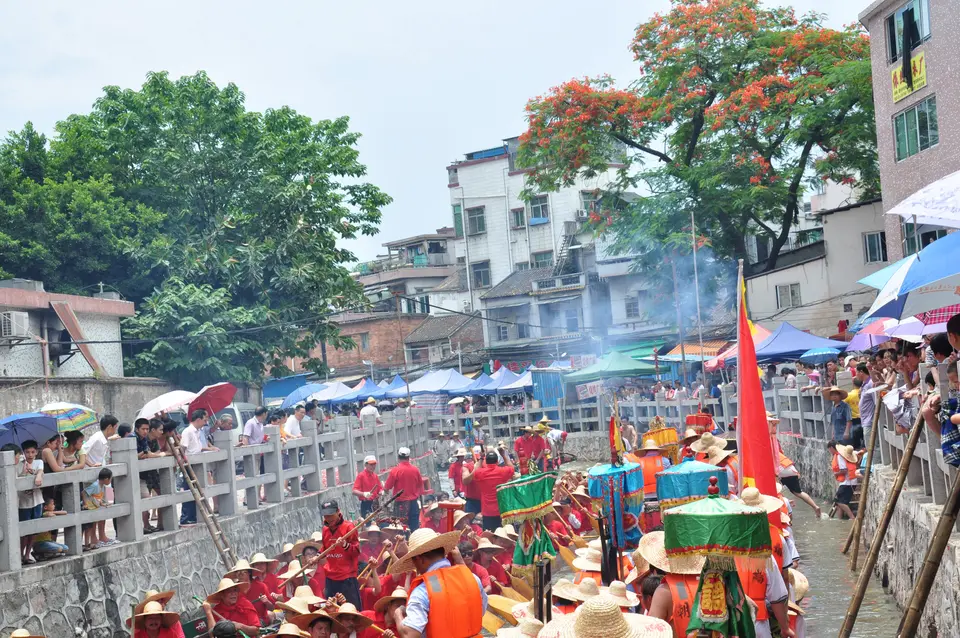
On the fifth day of the fifth lunar month, crews race long carved dragon boats, families eat zongzi, and doors are hung with calamus and mugwort — a festival of remembrance and protection, the first Chinese festival inscribed by UNESCO.

9 Juni 2027Dihitung

TiongkokMusiman

Torch Festival

火把节

At the height of summer the Yi of Liangshan and Yunnan light torches of wormwood and pine, carry them around their homes and fields to drive away misfortune, and dance around bonfires all night — with horse races, wrestling and bullfights by day.

27 Juli 2027Dihitung

Sumber halaman ini

  1. China travel advice: safety and securityUK Foreign, Commonwealth & Development Office · diakses 16 September 2026
  2. Spring festival, social practices of the Chinese people in celebration of traditional new yearUNESCO Intangible Cultural Heritage · diakses 16 September 2026
  3. ChunyunWikipedia · diakses 16 September 2026
  4. China travel advice: entry requirementsUK Foreign, Commonwealth & Development Office · diakses 16 September 2026
  5. Gregorian-Lunar Calendar Conversion TablesHong Kong Observatory · diakses 16 September 2026