Diese Seite ist noch nicht ins Deutsche übersetzt; der englische Originaltext wird angezeigt.
Tết Trung Thu (Mid-Autumn Festival)
Tết Trung Thu
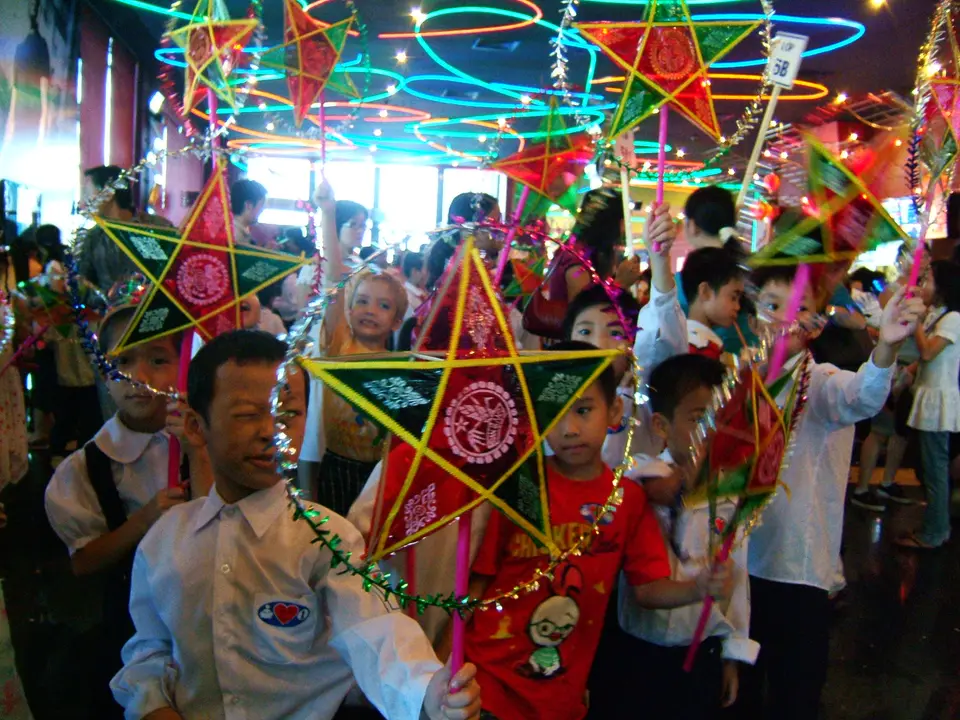
Foto: vi:Thành viên:Viethavvh, Public domain, über Wikimedia Commons
In Vietnam the Mid-Autumn full moon belongs to children — lantern processions after dark, star lanterns and masks, lion dances going from house to house, and tables of cakes, fruit and rice-dough figurines.
The children’s festival
Tết Trung Thu is regarded as the second most important festival in Vietnam after Tết, and is often called the Children’s Festival. Traditionally, children were thought to be the most innocent and the closest to the sacred and natural beauty of the world. In its oldest form the evening honoured the dragon who brings rain for the crops, and people watched the moon to divine the future of the harvest. Prayers for fertility slowly became a celebration of children, and by the early twentieth century in Hanoi it had become the children’s festival above all.
Under the full moon, children parade in the dark with lanterns of many shapes and colours, and wear masks — once of papier-mâché, now more often plastic. Handcrafted shadow lanterns, often showing figures from Vietnamese history, have been part of the festival since the Lý dynasty in the twelfth century, although mass-produced lanterns have largely replaced them.
Legends, lions and food
Besides the story of Chang’e, known in Vietnam as Hằng Nga, two tales belong to this night. One tells of Cuội, who was carried to the moon clinging to a sacred banyan tree; children light lanterns to show him the way home. The other is of a carp who worked all year to turn into a dragon.
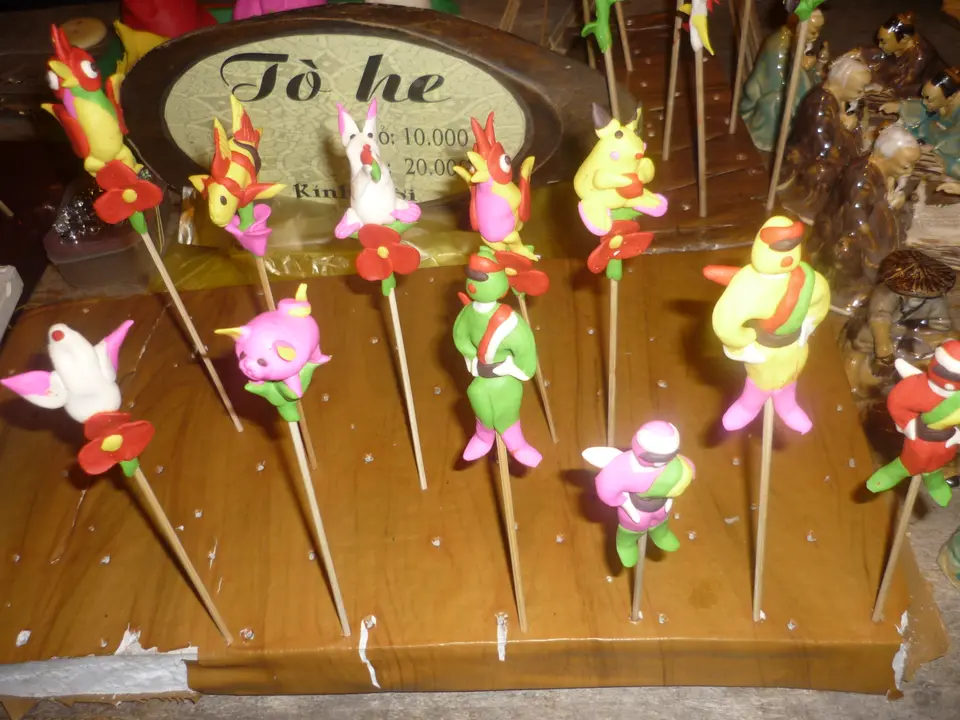
Lion dances are an important part of the festival. Children’s groups and professional troupes perform in the streets and go from house to house asking permission to dance; if the host agrees, the lion dances inside as a blessing and receives lucky money in return. Cakes and fruit are arranged into elaborate displays — rice dough moulded into animals, pomelo segments shaped into rabbits or dogs.
Wann es stattfindet
Tết Trung Thu is the fifteenth day of the eighth month of the lunar calendar, usually in September or early October. Lion dances begin in the days before.
- 25. September 2026Berechnet
- 15. September 2027Berechnet
- 3. Oktober 2028Berechnet
- 22. September 2029Berechnet
- 12. September 2030Berechnet
Essen und Trinken
Cake and fruit displays
Cakes and fruit are not only eaten but arranged into elaborate displays. In the early twentieth century, daughters of wealthy families prepared centrepieces of treats for their younger siblings, a custom that later spread to other families.
Tò he
Figurines of rice paste coloured with natural dyes, made by the villagers of Xuân La just north of Hanoi.
Quellen
Dieser Eintrag beruht auf den folgenden Quellen.
- Mid-Autumn FestivalWikipedia · abgerufen am 16. September 2026
- TếtWikipedia · abgerufen am 16. September 2026
- Gregorian-Lunar Calendar Conversion TablesHong Kong Observatory · abgerufen am 16. September 2026
- Phases of the MoonUS Naval Observatory, Astronomical Applications · abgerufen am 16. September 2026
Verwandte Feste
Mid-Autumn Festival
中秋节
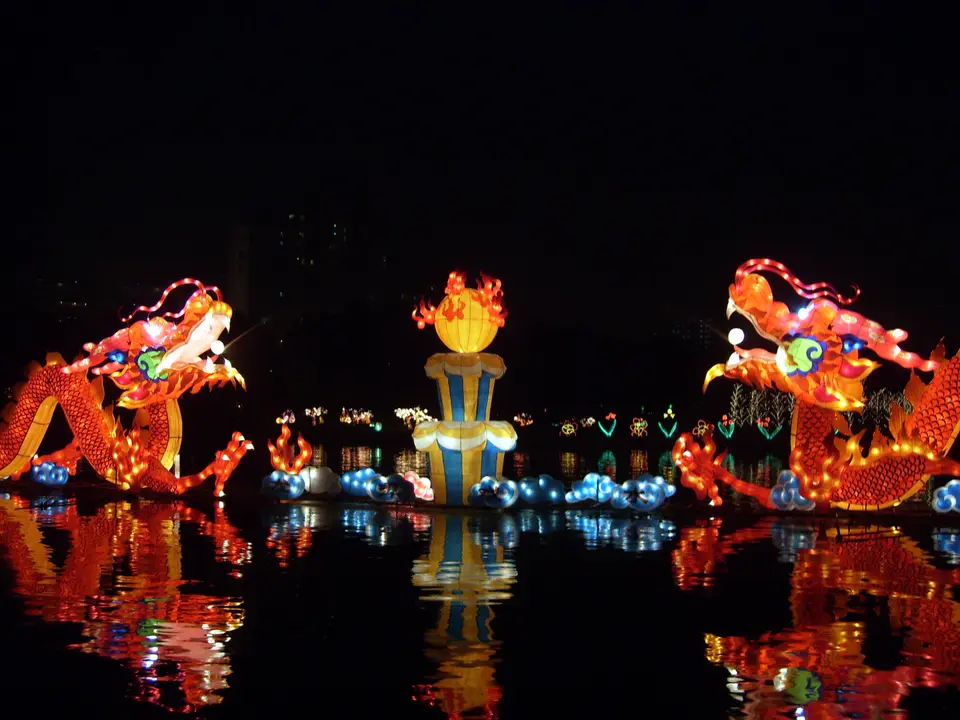
On the fifteenth night of the eighth lunar month, when the moon is held to be at its fullest and brightest, Chinese families gather to share mooncakes, carry lanterns and look at the moon — a harvest festival with the legend of Chang’e at its heart.
25. September 2026Berechnet
Tết
Tết Nguyên Đán
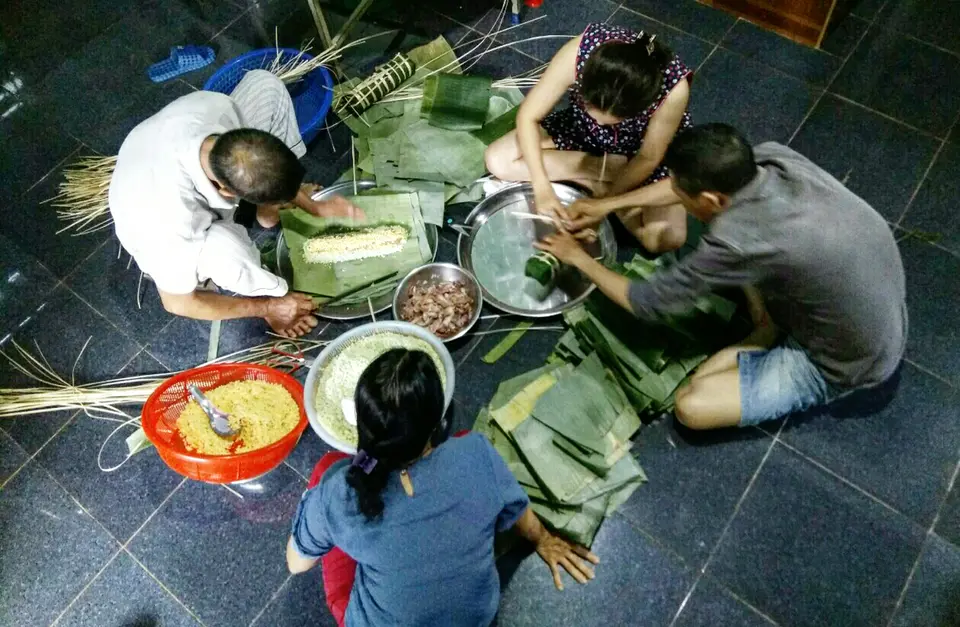
The Vietnamese Lunar New Year is the most important celebration in Vietnam — a time to go home, tend ancestors’ graves, fill the house with peach or yellow ochna blossom, wrap sticky rice cakes, and take care over who crosses the threshold first.
6.–8. Februar 2027Berechnet
Loy Krathong
ลอยกระทง
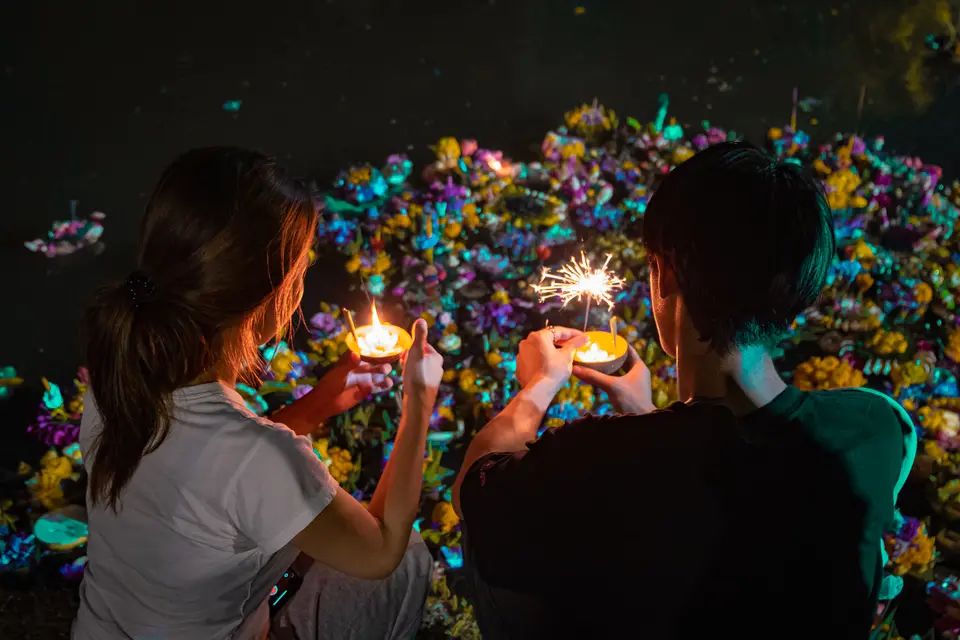
On the full-moon night of the twelfth Thai month, people float small decorated baskets bearing a candle, incense and a wish on rivers, canals and ponds across Thailand. In Chiang Mai the night coincides with Yi Peng, when sky lanterns drift up into the dark.
25. November 2026Geschätzt