Carnival of Oruro
Carnaval de Oruro
On UNESCO’s list of the Intangible Cultural Heritage of Humanity
Photo: Pame82s, CC BY-SA 4.0, via Wikimedia Commons
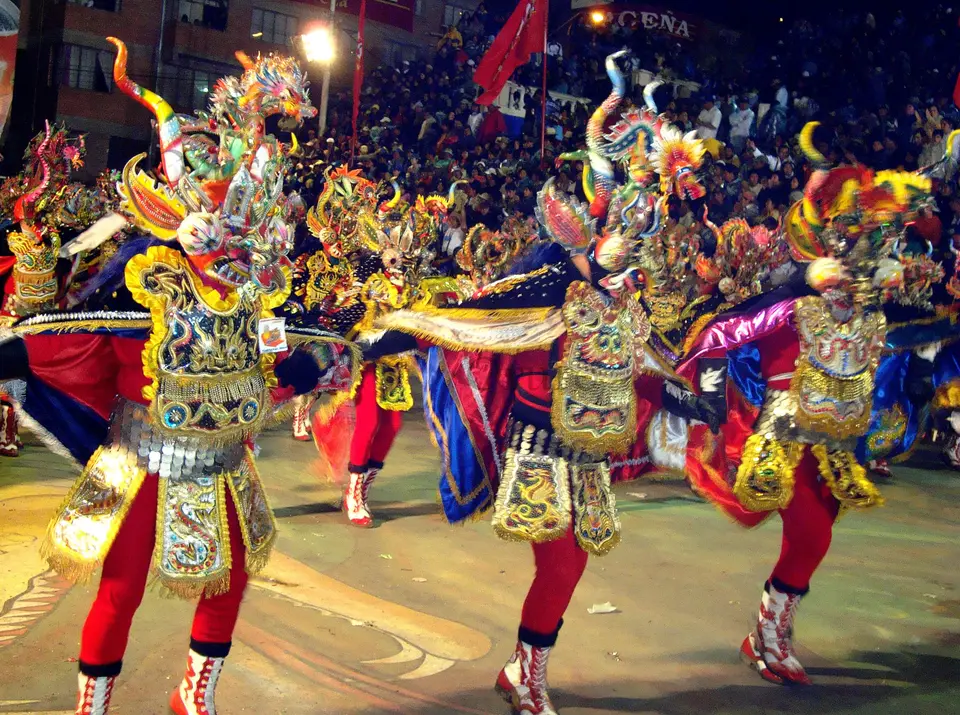
In the Bolivian highlands, some 28,000 dancers and 10,000 musicians dance their way along a four-kilometre route to the Sanctuary of the Virgin of the Mineshaft — devils, llama herders and caporales in a carnival where Andean gods and Catholic saints have long shared the stage.
From the Uru to the Virgin of the Mineshaft
Oruro was a pilgrimage centre of the Andean world long before the Spanish arrived, and its carnival grew out of pre-Columbian rituals of the Uru people. When the Spanish banned the native Itu ceremonies in the seventeenth century, the Uru continued them in the form of a Catholic ritual at Candlemas, with Christian icons concealing Andean gods. Legend says that in 1756 an image of the Virgin appeared in a mineshaft of Oruro’s richest silver mine, and ever since the carnival has honoured the Virgen del Socavón, the Virgin of the Mineshaft. The Christian Virgin and Devil blended with Pachamama and the mountain spirit Tío Supay.
UNESCO proclaimed the Carnival a Masterpiece of the Oral and Intangible Heritage of Humanity in 2001.
The Entrada
More than 28,000 dancers and 10,000 musicians in about fifty groups take part in the Entrada, repeating the four-kilometre route to the sanctuary for twenty hours without a break. The dances come from across Bolivia: negritos, the Afro-Bolivian saya, caporales, tinku, llamerada, kullawada, morenada and many more — but the Diablada, the dance of the devils, has become the carnival’s leading dance. The pilgrimage culminates in two mystery plays, one about the Spanish conquest and one in which the Archangel Michael defeats the Devil and the Seven Deadly Sins, introduced by the clergy in 1818. Marching bands also compete at their own national festival before the carnival.
When it happens
The Carnival lasts ten days before Lent. Its heart is the Entrada, the great procession on Carnival Saturday, when dancers cover the route for some twenty hours without interruption; the celebrations continue over the following days. Dates move each year with Easter, in February or early March.
- February 6 – 8, 2027Calculated
- February 26 – 28, 2028Calculated
- February 10 – 12, 2029Calculated
- March 2 – 4, 2030Calculated
Visiting with respect
Stay safe
- Oruro lies high on the Altiplano and altitude sickness is a risk in the Bolivian highlands. Give yourself time to adjust.
- Petty crime is common in crowded areas and on buses. Keep valuables close, and use radio taxis ordered by phone.
- Express kidnappings target tourists, sometimes by criminals impersonating police officers. Be wary of anyone offering help at taxi stands and bus stations.
Sources
This entry was written from the following sources.
- Carnival of OruroUNESCO Intangible Cultural Heritage · read September 17, 2026
- Carnival of OruroWikipedia · read September 17, 2026
- Bolivia travel advice: safety and securityUK Foreign, Commonwealth & Development Office · read September 17, 2026
- Bolivia travel advice: healthUK Foreign, Commonwealth & Development Office · read September 17, 2026
Related festivals
Festival of the Virgen de la Candelaria
Festividad de la Virgen de la Candelaria
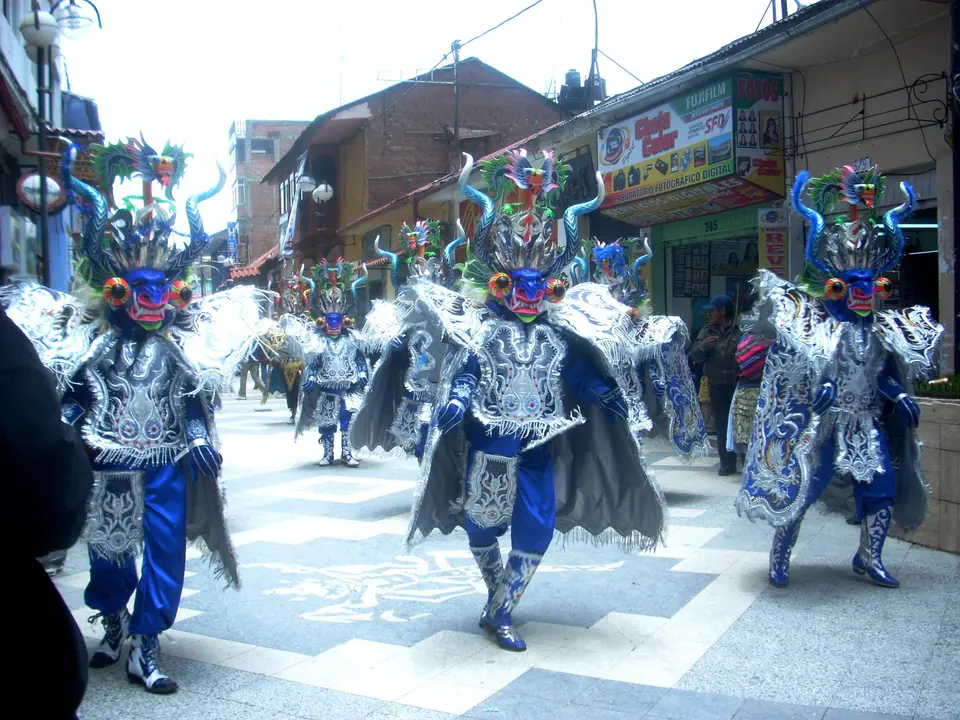
Each February, Puno on the shore of Lake Titicaca honours its patron saint with Peru’s largest festival of music and dance — about a hundred thousand dancers and ten thousand musicians, most of them Quechua and Aymara, and weeks of masses, processions and contests.
February 1 – 15, 2027Estimated
Barranquilla Carnival
Carnaval de Barranquilla
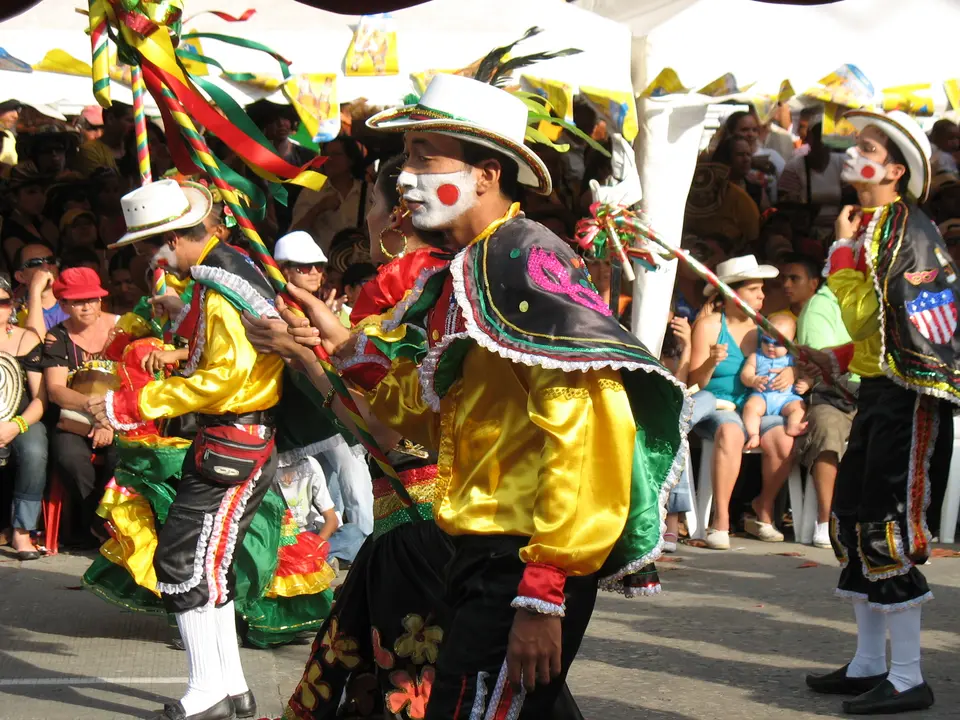
For the four days before Lent, Colombia’s Caribbean port sets work aside for one of the world’s largest carnivals — a Battle of Flowers, a Great Parade of cumbia, congo and garabato dancers, an orchestra contest, and the burial of Joselito Carnaval.
February 6 – 9, 2027Calculated
Rio Carnival
Carnaval do Rio de Janeiro
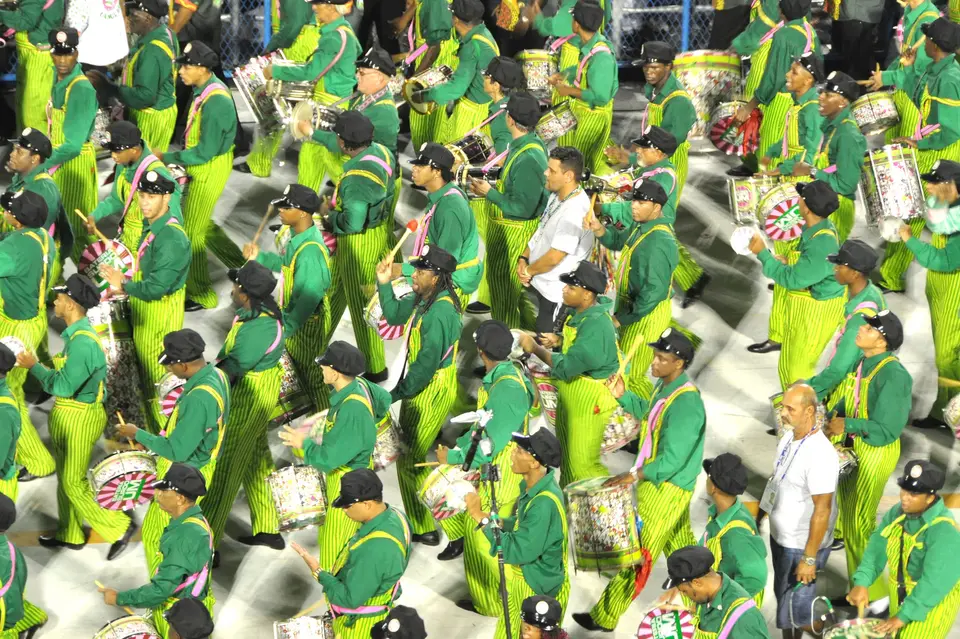
In the days before Lent, Rio de Janeiro holds what is considered the world’s largest carnival — two million people a day on the streets, and a contest of samba schools that parade through the Sambadrome with floats, drummers and thousands of dancers.
February 5 – 9, 2027Calculated