Esta página aún no está traducida al español; se muestra el texto original en inglés.
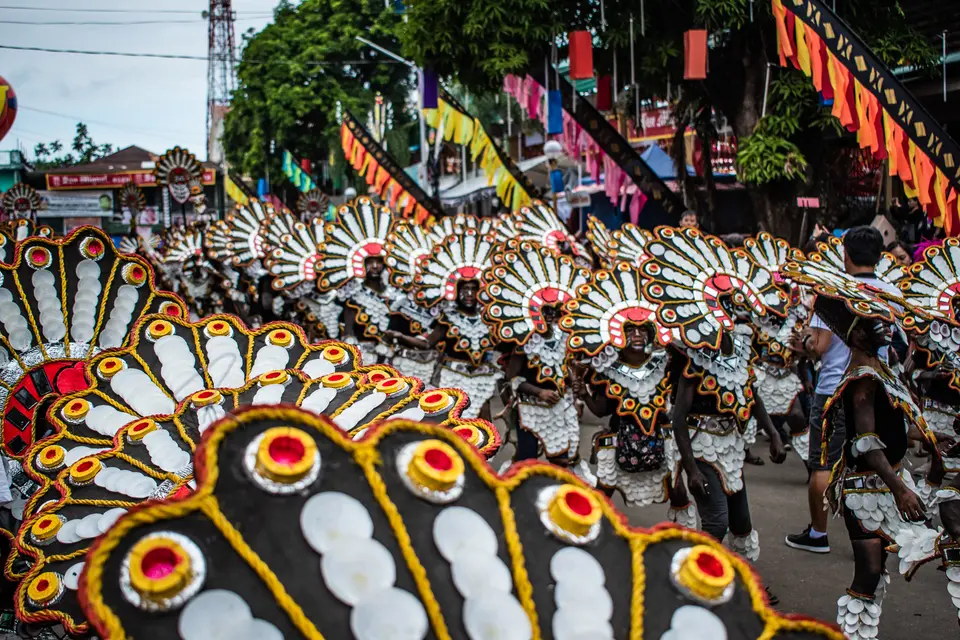
Ati-Atihan
Foto: Elisolidum, CC BY-SA 4.0, vía Wikimedia Commons
Kalibo on Panay honours the Santo Niño with the festival often called the mother of all Philippine festivals — drumbeats, the dragging sadsad dance step, body paint and towering tribal-style costumes filling the streets for several days in January.
To imitate the Ati
Ati-Atihan means “to imitate the Ati people”. The festival, held in several towns of Aklan on the island of Panay, is at its largest in Kalibo, the provincial capital. It combines religious processions with street parades of themed floats, dance groups in colourful costumes, marching bands and people with painted faces and bodies. The parade is called sadsad, like the local way of dancing in which the foot is briefly dragged along the ground to the beat of the bands. Believed to be the oldest festival in the Philippines and an inspiration for Sinulog and Dinagyang, it is known as the “mother of all Philippine festivals”.
The festival opens with a formal mass followed by a procession with drumming and dancing. The second day begins at dawn with a rosary procession. On the third Sunday of January, groups representing different “tribes” compete, and the festival ends with a procession of thousands of people carrying images of the Santo Niño.
Contested origins
A popular story links the festival to the Maragtas epic, in which ten Malay chieftains fleeing Borneo bought land on Panay from the Ati people, who later came down from the mountains in a famine and danced in gratitude for the food they were given — but modern historians question the epic, and the link to the Ati is considered a modern addition, like the festival’s name, adopted in 1972. The Fiesta de Santo Niño dates back at least to the seventeenth century, and from the 1950s the celebration took on carnival-like street dancing and body painting. The practice of darkening faces and bodies remains a subject of debate.
Cuándo se celebra
The festival runs for several days in January and ends on the third Sunday, the highlight day, with competing groups and a great procession of Santo Niño images.
- 17 de enero de 2027Calculada
- 16 de enero de 2028Calculada
- 21 de enero de 2029Calculada
- 20 de enero de 2030Calculada
Visitar con respeto
Seguridad
- Use taxis only from reputable companies, and be careful with alcoholic drinks, as methanol poisoning is a risk in popular destinations.
Fuentes
Esta entrada se escribió a partir de las siguientes fuentes.
- Ati-Atihan FestivalWikipedia · consultado el 17 de septiembre de 2026
- Philippines travel advice: safety and securityUK Foreign, Commonwealth & Development Office · consultado el 17 de septiembre de 2026
Fiestas relacionadas
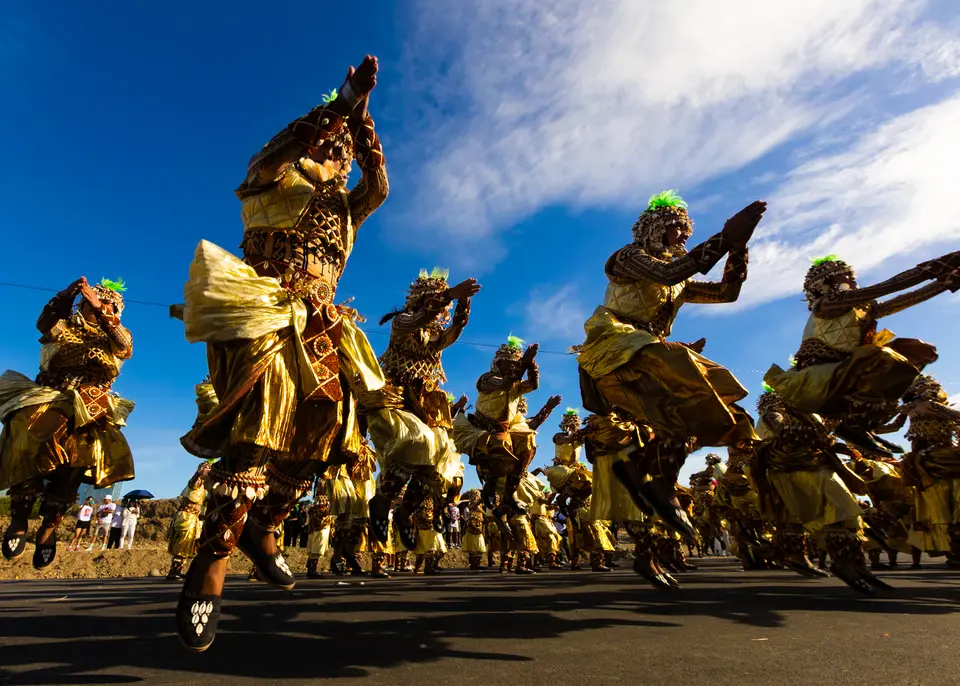
Sinulog
On the third Sunday of January, millions crowd Cebu City for the Philippines’ grandest festival — a prayer dance for the Santo Niño, the Holy Child, whose image Magellan’s expedition brought to Cebu in 1521, performed by street-dance contingents in dazzling costumes.
17 de enero de 2027Calculada
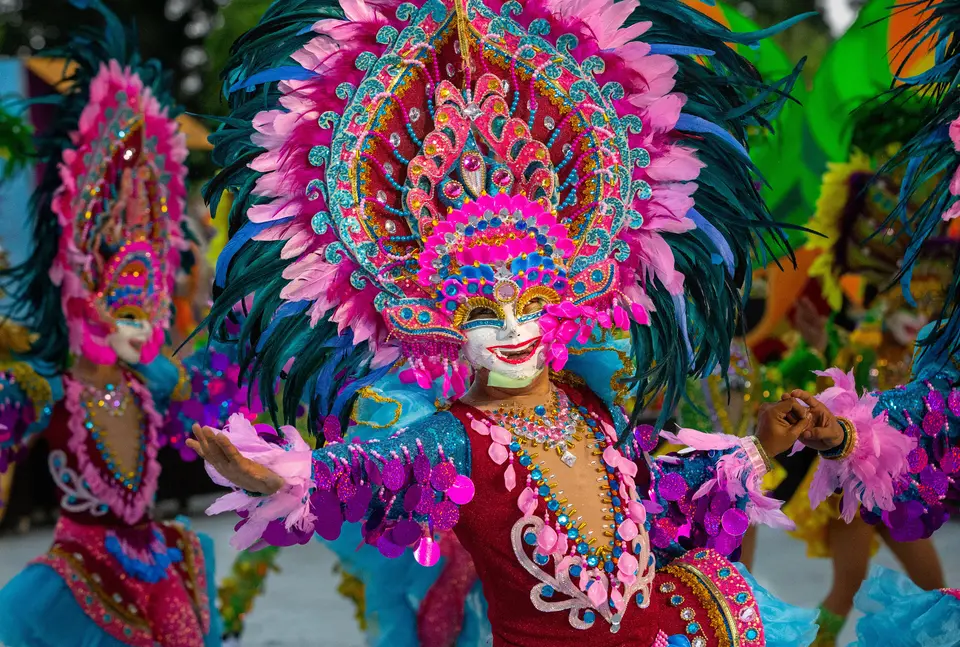
MassKara Festival
MassKara
Born in 1980 in a year of tragedy and a sugar-price crash, Bacolod’s “festival of smiles” fills the streets each October with dancers in grinning masks and feathered costumes, glowing Electric MassKara floats and a city determined to smile through hard times.
18 de octubre de 2026Estimada
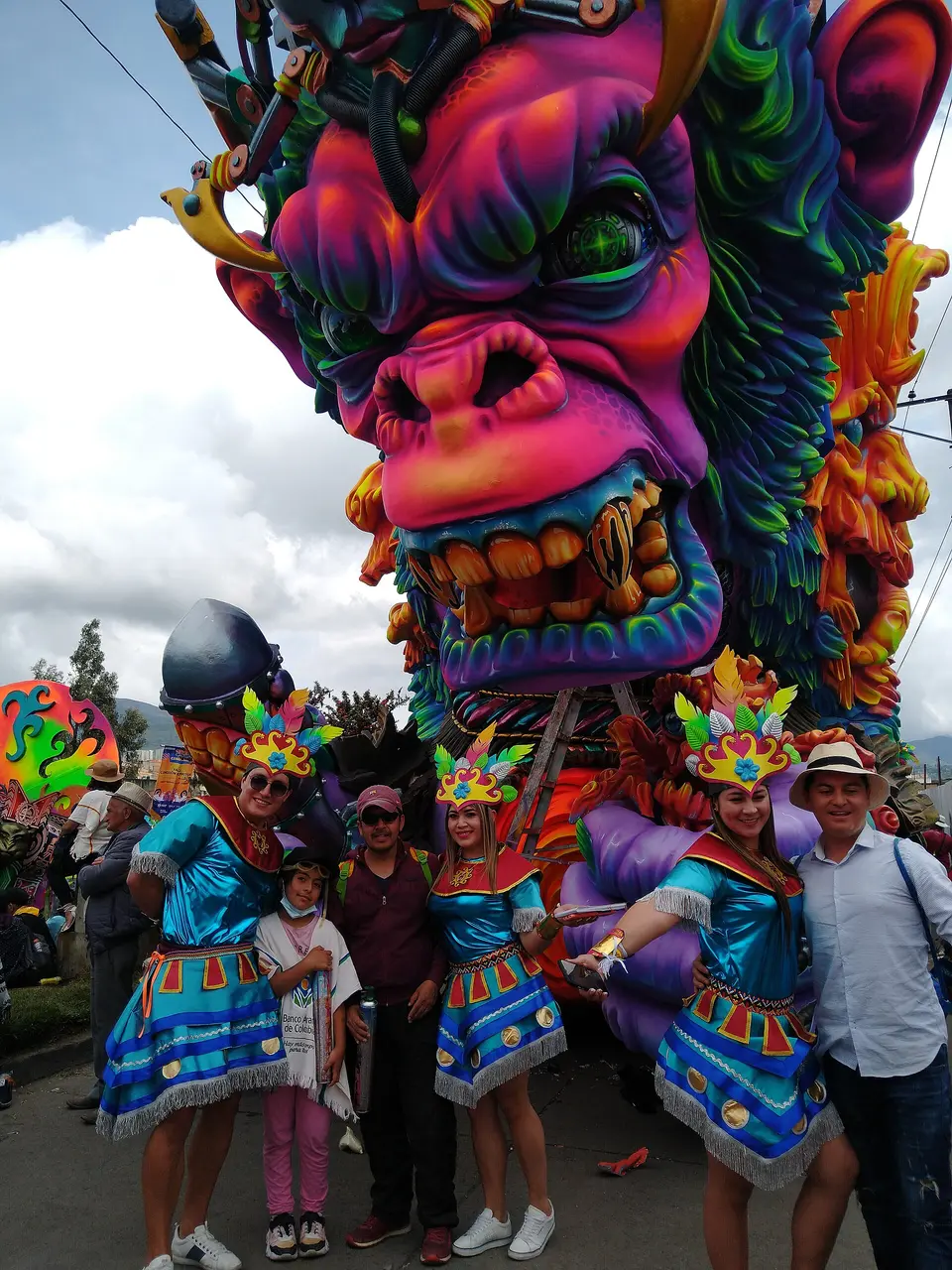
Blacks and Whites’ Carnival
Carnaval de Negros y Blancos
In the Andean city of Pasto, the first week of January turns into a festival of equality — everyone is painted black on one day and powdered white the next, before a grand parade of towering handmade floats.
5–6 de enero de 2027Calculada