Esta página aún no está traducida al español; se muestra el texto original en inglés.
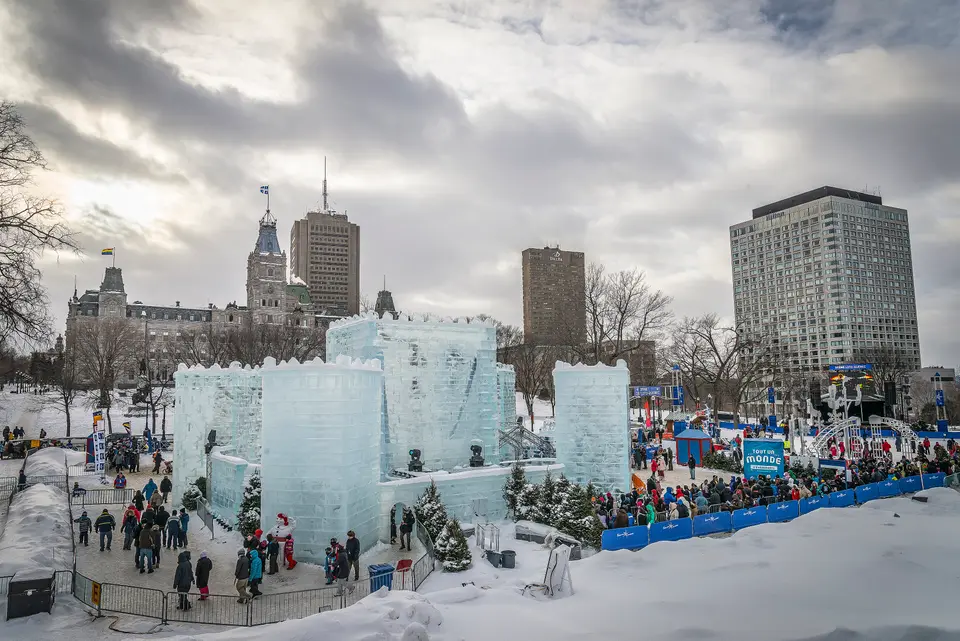
Carnaval de Québec
Foto: Matias Garabedian, CC BY-SA 2.0, vía Wikimedia Commons
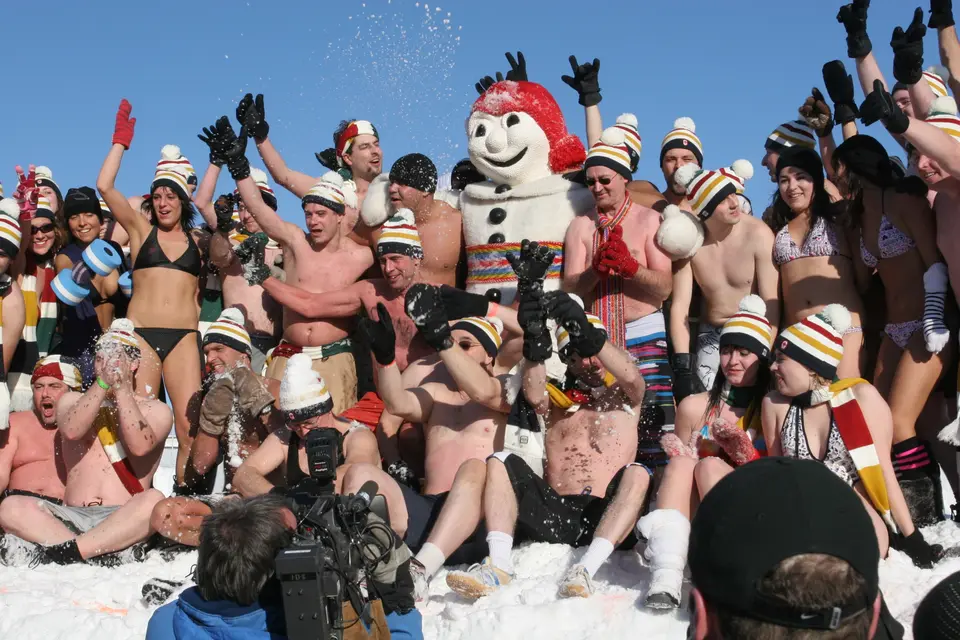
For ten days in February, Québec City celebrates winter with Bonhomme, a seven-foot snowman in a red tuque and arrow sash who holds the keys to the city, ice palaces, night parades with long red trumpets — and a snow bath in swimsuits.
Bonhomme
The Carnaval’s host is Bonhomme Carnaval: white as snow, seven feet tall and weighing 400 pounds of packed snow, dressed in a red tuque and the arrow sash of French-Canadian tradition. He first appeared at the Porte Saint-Louis on 9 January 1955, when the mayor, Wilfrid Hamel, gave him the keys to the city — a ceremony repeated at the start of every Carnaval, confirming him as king of the festivities. Unlike the straw or wooden carnival figures of Europe that are burned on Shrove Tuesday, the organisers point out, Bonhomme simply leaves at the end of the Carnaval and comes back the following winter.
Sashes, trumpets and ice
Red clothing, carnival songs, the arrow sash and Bonhomme’s Effigy are traditions dating back to the Carnaval’s beginnings. The ceinture fléchée, the arrow sash, was worn in the nineteenth century to tighten coats against the cold and support the back; its weaving mixes Native American and French-Canadian methods, and the Carnaval has helped keep it alive. Along the route of the night parade, long red or blue trumpets — which can reach 114 decibels — set the mood.
The main site is on the Plains of Abraham, where snow sculptures are displayed and part of the park becomes a winter playground. The opening and closing ceremonies are held at the ice palace, and the programme includes outdoor sports such as ice canoe racing, dog-sledding and snowshoeing, outdoor dance parties and the famous snow bath, in which participants in swimsuits roll in the snow.
Since 1894
Celebrating from late January to mid-February is an old tradition. Québec City held its first major winter carnival in 1894, but wars and the Great Depression interrupted it, and it returned only sporadically. In 1954 a group of business people relaunched the festivities to promote the city’s economy and chose Bonhomme as its representative, and the first modern Carnaval took place in 1955. Around 1,400 volunteers help organise it every year.
Cuándo se celebra
The Carnaval is held for about ten days between late January and mid-February. The 2027 edition runs from 5 to 14 February. The Effigy, the official pass, gives access to most activities and is not required for children aged 12 and under.
- 5–14 de febrero de 2027Anunciada oficialmente
Comida y bebida
Caribou
A hot alcoholic drink traditionally sipped to keep warm during the Carnaval.
Fuentes
Esta entrada se escribió a partir de las siguientes fuentes.
- Carnaval de QuébecCarnaval de Québec · consultado el 17 de septiembre de 2026
- About the CarnivalCarnaval de Québec · consultado el 17 de septiembre de 2026
- BonhommeCarnaval de Québec · consultado el 17 de septiembre de 2026
- Q&ACarnaval de Québec · consultado el 17 de septiembre de 2026
- Quebec Winter CarnivalWikipedia · consultado el 17 de septiembre de 2026
- Canada travel advice: safety and securityUK Foreign, Commonwealth & Development Office · consultado el 17 de septiembre de 2026
Fiestas relacionadas
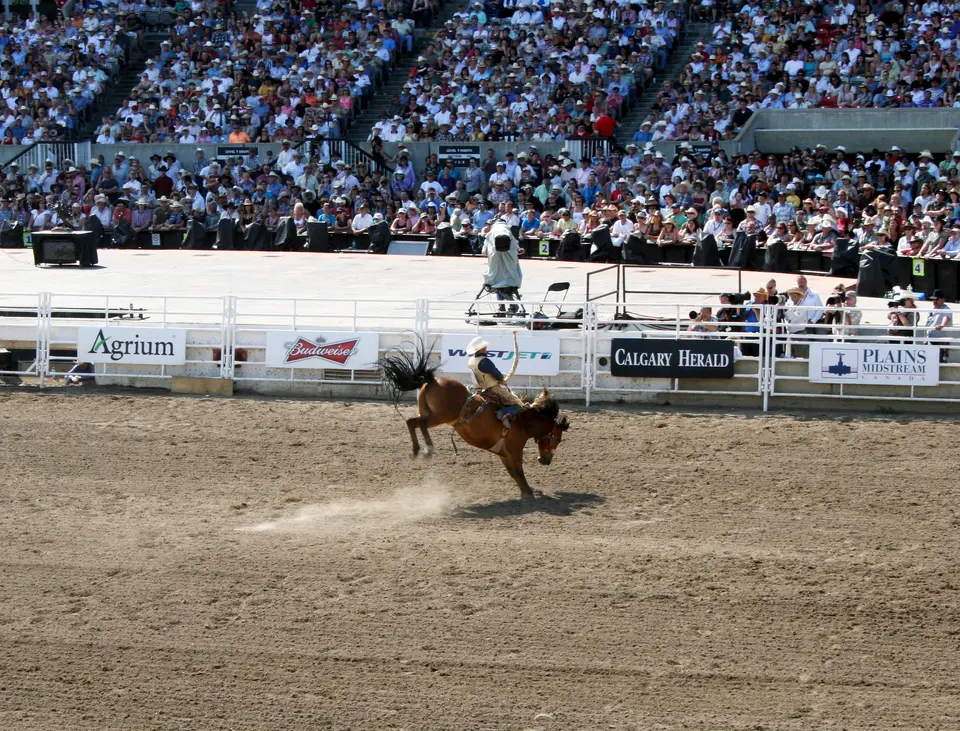
Calgary Stampede
Every July, Calgary dresses in western wear for “The Greatest Outdoor Show on Earth” — ten days of rodeo and chuckwagon racing, a parade, midway rides and pancake breakfasts, with more than a million visitors.
9–18 de julio de 2027Anunciada oficialmente
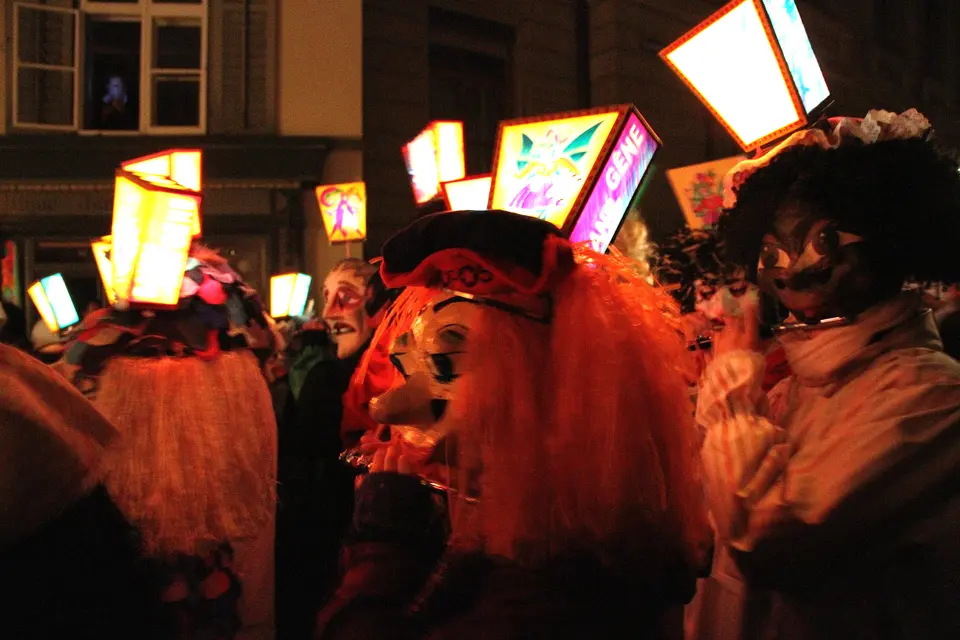
Basel Fasnacht
Basler Fasnacht
At exactly four o’clock on the Monday morning after Ash Wednesday, Basel switches off its lights and thousands of masked piccolo players and drummers march out behind glowing lanterns — the start of 72 hours of satire, confetti and music that UNESCO lists as world heritage.
15–17 de febrero de 2027Calculada
Naadam
Наадам
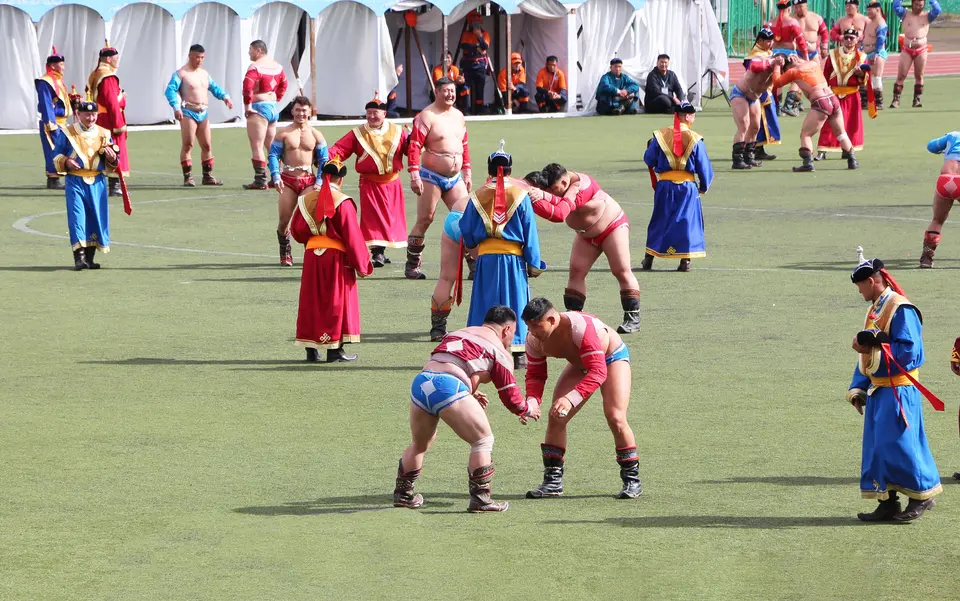
Every July Mongolia stops for the “three games of men” — wrestling, cross-country horse racing ridden by children, and archery — opened in Ulaanbaatar’s stadium with parades of riders, dancers and the nine horse-tail banners of Genghis Khan.
11–13 de julio de 2027Calculada