Esta página aún no está traducida al español; se muestra el texto original en inglés.
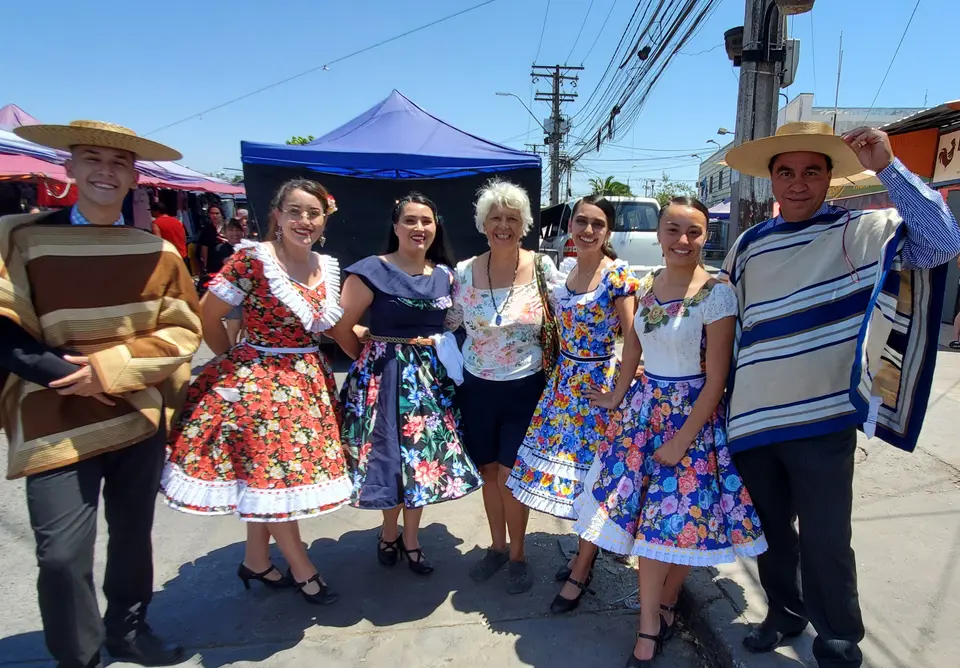
Fiestas Patrias
Foto: Quilicura, CC BY-SA 4.0, vía Wikimedia Commons
On 18 and 19 September Chile celebrates its national holidays — the Dieciocho — with flags on every building, cueca dancing and barbecues in the fondas, a Te Deum in Santiago and a great military parade, in what can stretch into a week of celebration.
The Dieciocho
Chileans call their national holidays simply the Dieciocho, “the eighteenth”. The 18th commemorates the First Governing Junta of 18 September 1810, the start of the independence process, and the 19th honours the glories of the army. Both are among the country’s five mandatory public holidays, and flying the Chilean flag on all public and private buildings is compulsory. Because they fall close to the southern spring equinox, the holidays double as a spring festival, and many Chileans travel to visit family or head to the coast.
The celebrations are an expression of chilenidad, Chilean identity. People dance the cueca, the national dance, and gather in fondas or ramadas, temporary venues with folk music and dance, traditional food and drink.
Te Deum and parade
Four official events mark the holidays. On the Sunday before, the Union of Evangelical Churches holds a thanksgiving service; on the 18th the Catholic Church leads the Ecumenical Te Deum, a tradition begun in 1811 and opened to other faiths at President Salvador Allende’s request in 1971. On the 19th the President, as commander-in-chief, reviews the Great Military Parade in Santiago’s O’Higgins Park, broadcast live and watched by millions — the finale of the holidays.
Cuándo se celebra
The Fiestas Patrias are on 18 September, commemorating the First Governing Junta of 1810, and 19 September, the Day of the Glories of the Army. In some years a third day is added: 17 September when it falls on a Monday or a Friday, or 20 September when it falls on a Friday. Celebrations often stretch over a whole week.
- 18–19 de septiembre de 2026Calculada
- 18–19 de septiembre de 2027Calculada
- 18–19 de septiembre de 2028Calculada
- 18–19 de septiembre de 2029Calculada
Comida y bebida
Barbecue
Barbecues are one of the traditional activities of the Dieciocho, along with dancing the cueca and going to the fondas.
Fuentes
Esta entrada se escribió a partir de las siguientes fuentes.
- Fiestas Patrias (Chile)Wikipedia · consultado el 17 de septiembre de 2026
- Chile travel advice: safety and securityUK Foreign, Commonwealth & Development Office · consultado el 17 de septiembre de 2026
Fiestas relacionadas
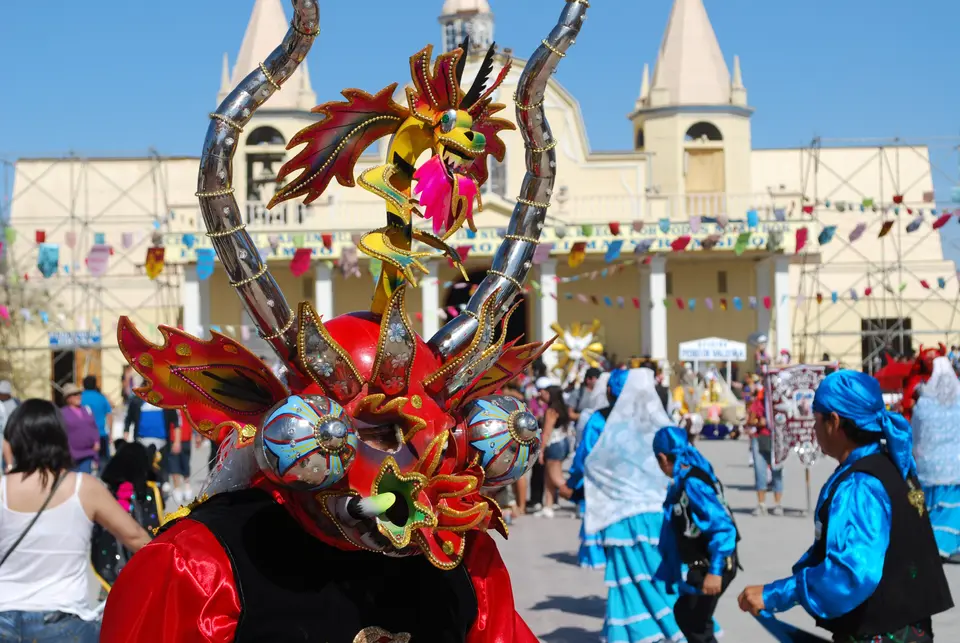
Fiesta de La Tirana
Every July, a desert village of about 800 people in northern Chile receives between 250,000 and 500,000 pilgrims, as religious dance societies — devils, Incas, miners and gypsies — dance day and night for the Virgen del Carmen of La Tirana.
15–16 de julio de 2027Calculada
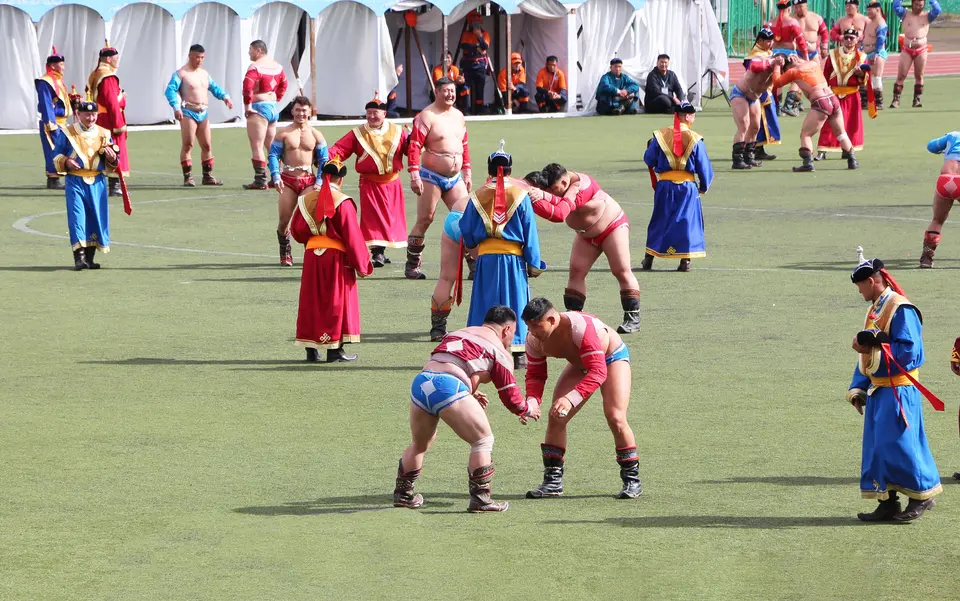
Naadam
Наадам
Every July Mongolia stops for the “three games of men” — wrestling, cross-country horse racing ridden by children, and archery — opened in Ulaanbaatar’s stadium with parades of riders, dancers and the nine horse-tail banners of Genghis Khan.
11–13 de julio de 2027Calculada
Waitangi Day
Te Rā o Waitangi
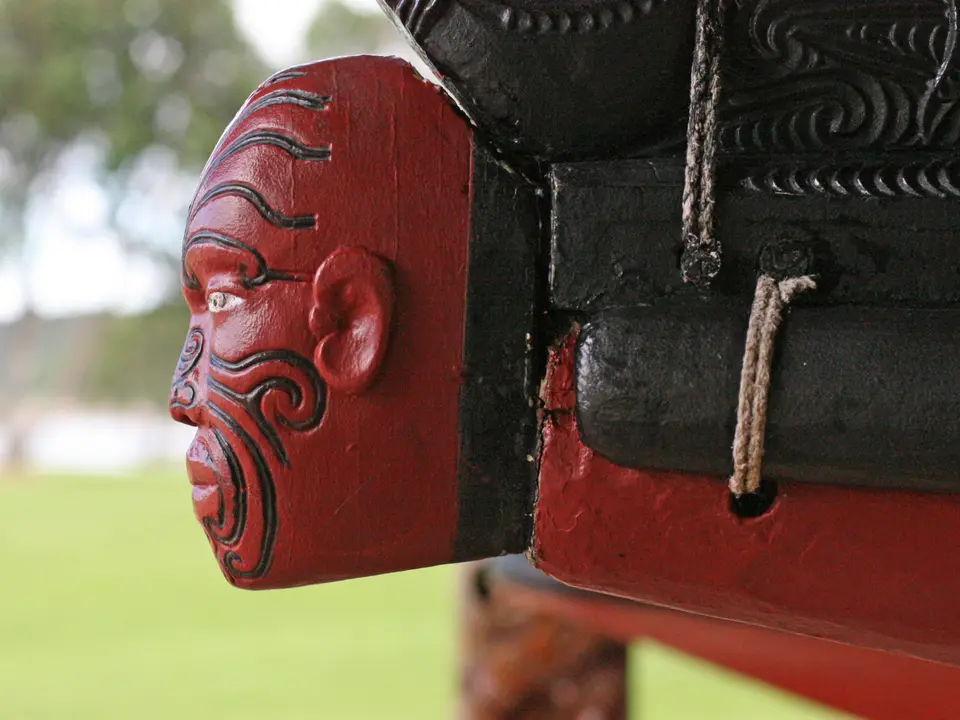
New Zealand’s national day marks the signing of the Treaty of Waitangi on 6 February 1840 between the British Crown and Māori chiefs — commemorated with a dawn service, speeches, kapa haka and waka on the harbour at the Treaty Grounds, and at times with protest and debate.
6 de febrero de 2027Calculada