このページはまだ日本語に翻訳されていません。英語の原文を表示しています。
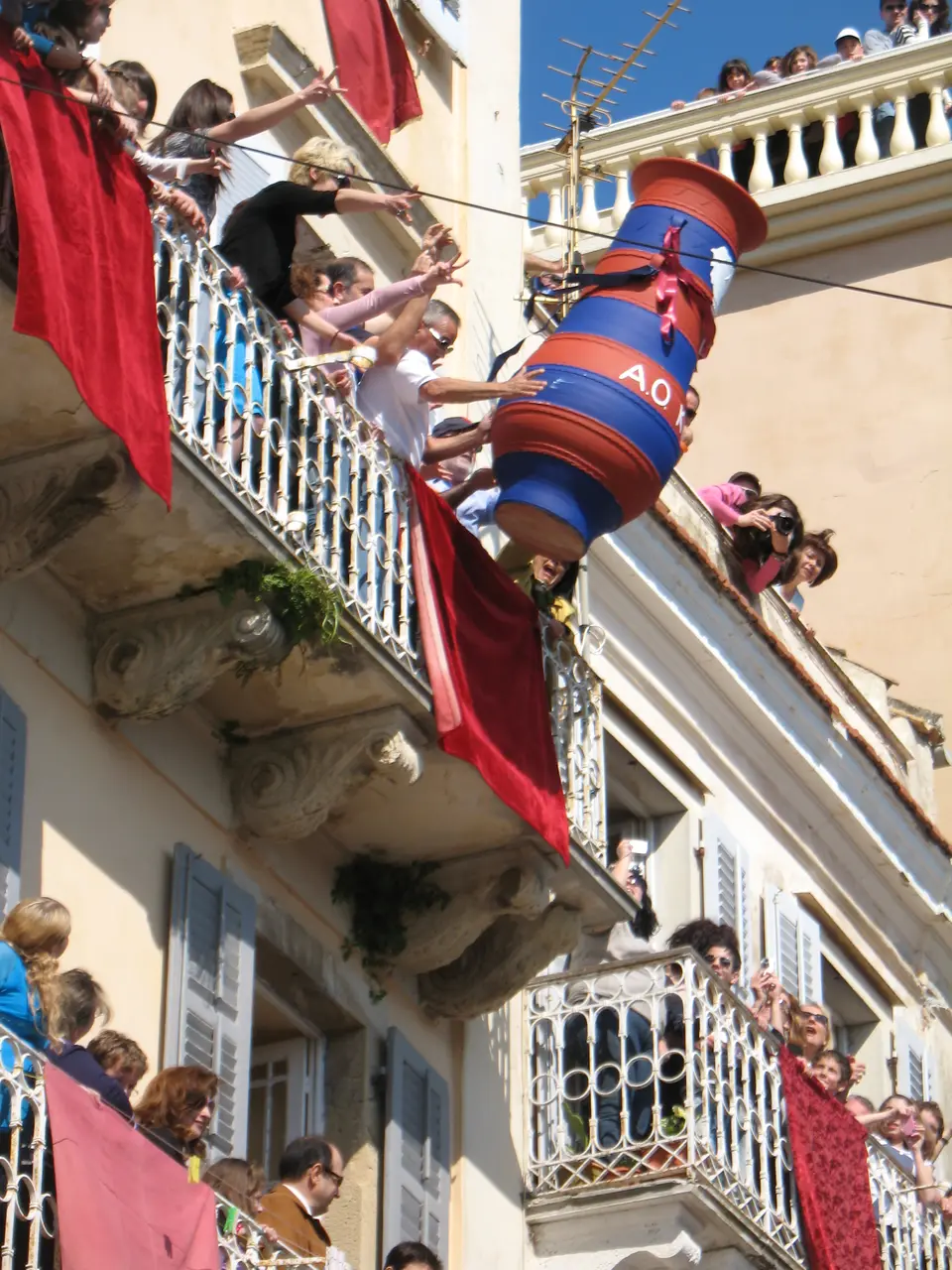
Corfu celebrates Orthodox Easter with customs found nowhere else in Greece — brass bands playing funeral marches behind 33 epitaphs on Holy Friday, and on Holy Saturday morning a storm of clay pots flung from balconies, shattering in the streets to chase away bad luck.
A Venetian inheritance
Easter in Corfu blends Orthodox and Catholic traditions with Venetian customs; since Venetian rule both churches have celebrated it together. The most characteristic days are Holy Friday and Holy Saturday.
On Holy Friday, from two in the afternoon, the processions of the epitaphs set out from the parishes of the town — 33 of them, for the 33 years of Christ’s life — each with a choir, a brass band, large candles and banners, and at ten in the evening the epitaph of the Metropolitan Church follows with the clergy and all of Corfu’s bands playing solemn funeral marches.
Earthquakes and broken pots
At six in the morning on Holy Saturday, in the Church of Panagia ton Xenon, the faithful beat the pews and shake the icons and lamps to re-enact the earthquake that followed the Resurrection. At nine, the relics of St Spyridon are carried in procession together with the epitaph — a custom kept since 1574, when the Venetians banned Orthodox processions on Good Friday for security reasons.
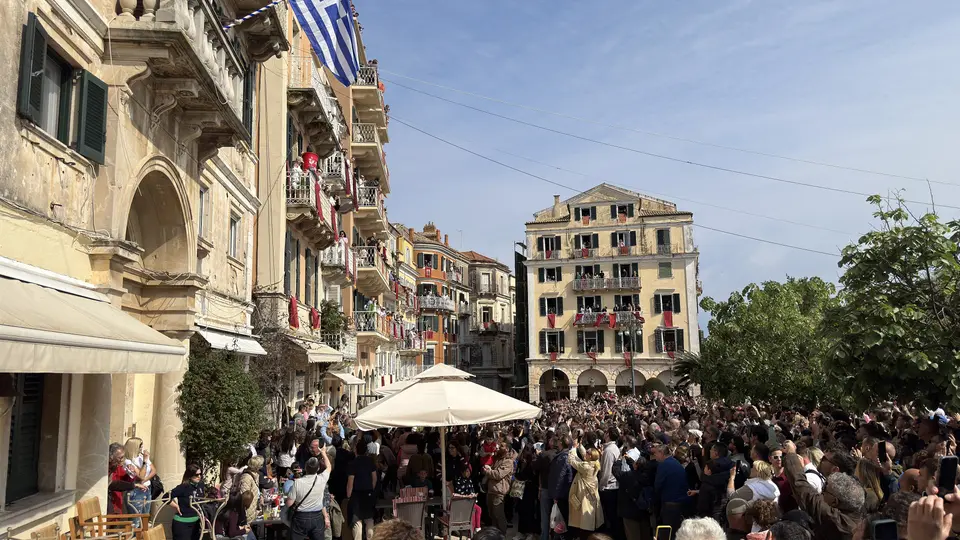
At eleven, at the signal of the First Resurrection, church bells ring across the town and people throw the botides — clay jugs full of water, tied with red ribbon — from windows and balconies hung with red cloth. Breaking them is meant to drive away bad luck, and locals and visitors take pieces home. The custom is found only in Corfu: the Catholic Venetians broke old jugs at New Year, and the Orthodox Corfiots moved the custom to Easter. The bands then march through the streets again, and shortly before midnight the Resurrection is celebrated on the Upper Spianada with the march Grekoi, drums, flares and fireworks.
開催時期
The main customs take place on Holy Friday and Holy Saturday before Orthodox Easter, which usually falls in April or early May. The botides are thrown at 11 a.m. on Holy Saturday; the Resurrection is celebrated just before midnight.
- 2027/04/30~2027/05/01算出
- 2028/04/14~2028/04/15算出
- 2029/04/06~2029/04/07算出
- 2030/04/26~2030/04/27算出
敬意をもって訪れる
安全のために
- Stand well back from buildings when the botides are thrown — heavy clay pots full of water are dropped from balconies into the street.
出典
この項目は次の資料をもとに書かれています。
- Easter in CorfuWikipedia · 2026年9月17日 閲覧
- List of dates for EasterWikipedia · 2026年9月17日 閲覧
- Greece travel advice: safety and securityUK Foreign, Commonwealth & Development Office · 2026年9月17日 閲覧
関連する祭り
Rouketopolemos (Rocket War of Vrontados)
Ρουκετοπόλεμος
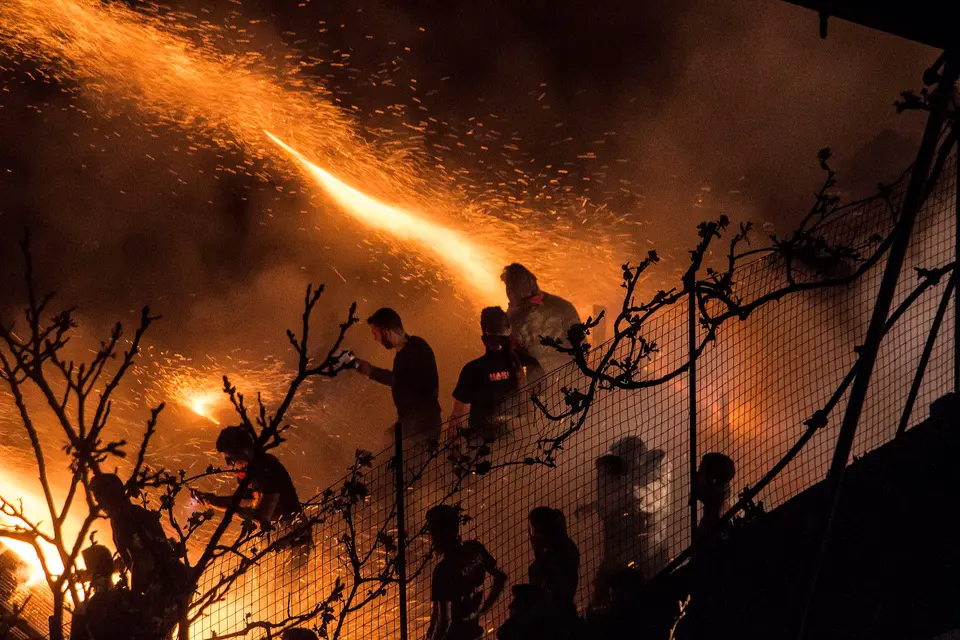
On the island of Chios, two rival parishes on facing hilltops mark Orthodox Easter night by firing tens of thousands of homemade rockets at each other’s church belfries — a “war” that neither side ever admits to losing.
2027年5月1日算出
Holy Week in Popayán
Semana Santa de Popayán
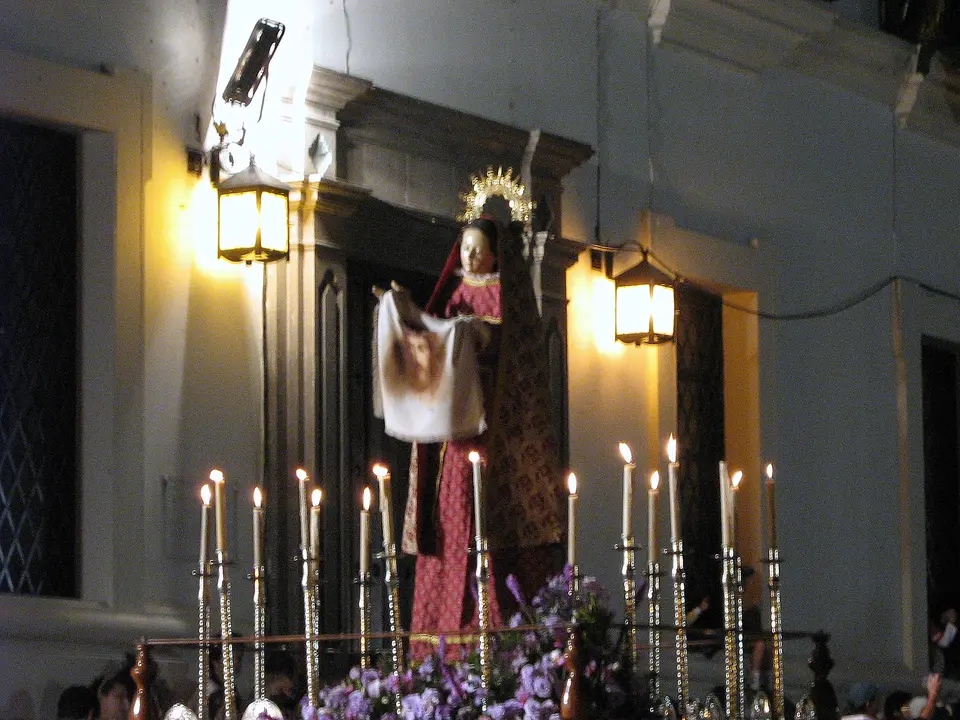
Every night from Tuesday to Holy Saturday, the white colonial city of Popayán follows floats of eighteenth-century saints carried on the shoulders of its cargueros — processions held here since the 1550s and prepared all year.
2027/03/23~2027/03/27算出
Clean Monday (Kathara Deftera)
Καθαρά Δευτέρα
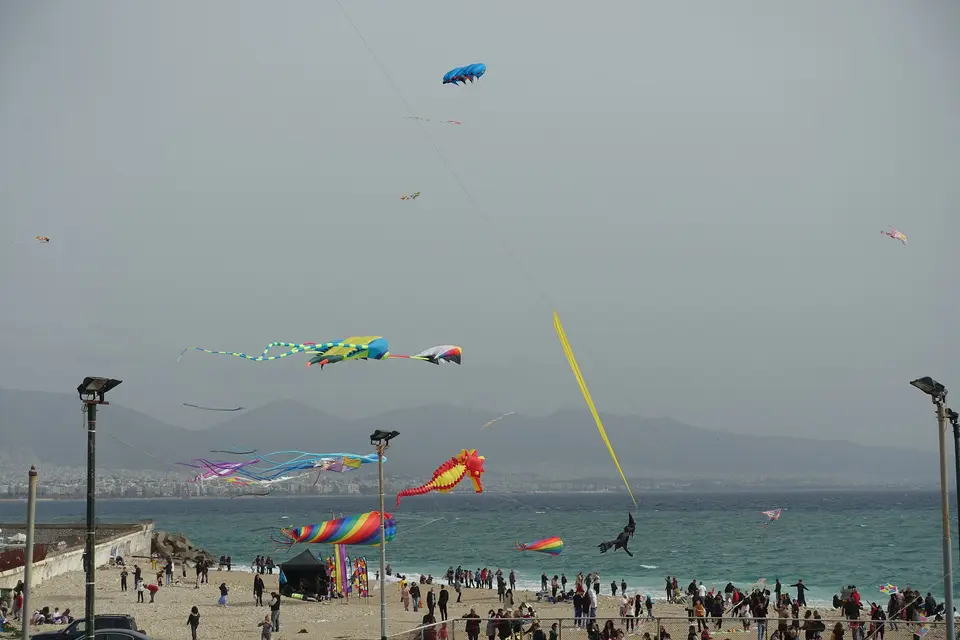
The first day of Orthodox Lent is a public holiday in Greece, spent outdoors — families head out of town to fly kites, and share shellfish, fasting dishes and lagana, a flatbread baked only on this day.
2027年3月15日算出