このページはまだ日本語に翻訳されていません。英語の原文を表示しています。
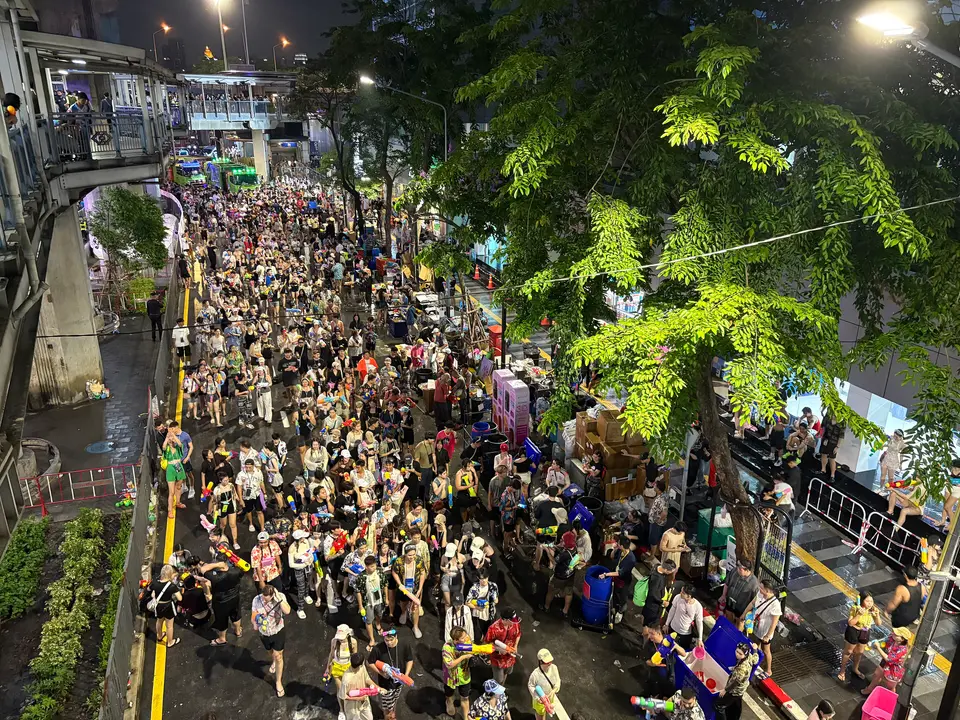
The traditional Thai New Year falls in mid-April, in the hottest weeks of the year. Families gather, pour water over the hands of their elders and over Buddha images — and in the streets, the gentle blessing becomes a nationwide water fight.
The sun moves into Aries
Songkran comes from the Sanskrit sankranti, “passage” — the movement of the sun from one sign of the zodiac to the next. In Thailand it means the great passage from Pisces into Aries that marks the traditional start of the year. Songkran was Thailand’s official New Year until 1888; the official date then moved to 1 April, and in 1940 to 1 January. The old festival has remained a national holiday.
The celebration traditionally spans three days: Maha Songkran on 13 April, when the sun enters Aries and the old year ends; Wan Nao on 14 April, the day in between; and Wan Thaloeng Sok on 15 April, the start of the new era. In the past the royal astrologers issued a Songkran proclamation each year with their predictions.
Water and respect
Songkran falls in mid-April, after the rice harvest. UNESCO describes it as a time when people reunite with their families and pay their respects to older adults, ancestors and sacred Buddha images. Pouring water is at the heart of it, symbolising cleansing, reverence and good fortune: water is poured gently over the hands of elders and over important Buddha images, and splashed over family and friends. There are folk plays, games, music and feasting.
The festival is a time to wash away misfortune, pray for prosperity, forgive and be forgiven, and honour older people. In the cities the splashing has grown into huge public water fights, which draw visitors from around the world.
Songkran in Thailand, traditional Thai New Year festival, was inscribed on UNESCO’s Representative List in 2023.
開催時期
Songkran is a national holiday from 13 to 15 April. 13 April is Maha Songkran, the day the sun enters Aries; 14 April is Wan Nao, the day in between; and 15 April is Wan Thaloeng Sok, when the new year begins.
- 2027/04/13~2027/04/15算出
- 2028/04/13~2028/04/15算出
- 2029/04/13~2029/04/15算出
- 2030/04/13~2030/04/15算出
敬意をもって訪れる
知っておきたいこと
- Expect to get wet anywhere in public. Keep phones, passports and money in a waterproof bag.
- The water is a blessing. Do not aim at monks, elderly people who are not taking part, babies, or people clearly not joining in, and avoid throwing water at motorcyclists.
- Dress modestly at temples, and do not touch or climb on Buddha images.
避けること
- Do not post photographs of people drinking alcohol or dressed inappropriately; doing so can be illegal in Thailand.
安全のために
- Wet streets and crowds make traffic hazardous. Take extra care on the roads, especially on motorbikes, and never drink and drive.
出典
この項目は次の資料をもとに書かれています。
- Songkran in Thailand, traditional Thai New Year festivalUNESCO Intangible Cultural Heritage · 2026年9月16日 閲覧
- Songkran (Thailand)Wikipedia (English) · 2026年9月16日 閲覧
- Thailand travel advice: safety and securityUK Foreign, Commonwealth & Development Office · 2026年9月16日 閲覧
関連する祭り
Nowruz
نوروز
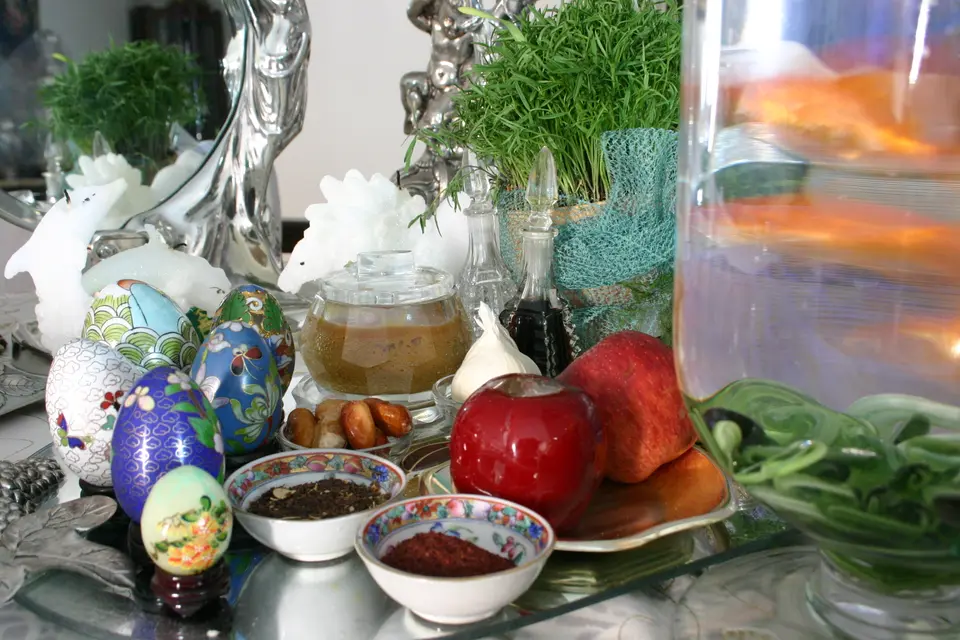
Nowruz, “new day”, is the Iranian New Year. It begins at the March equinox, when families gather around the Haft-sin table to wait for the exact moment the year turns, and opens two weeks of visits, food and time outdoors.
2027年3月21日算出
Loy Krathong
ลอยกระทง
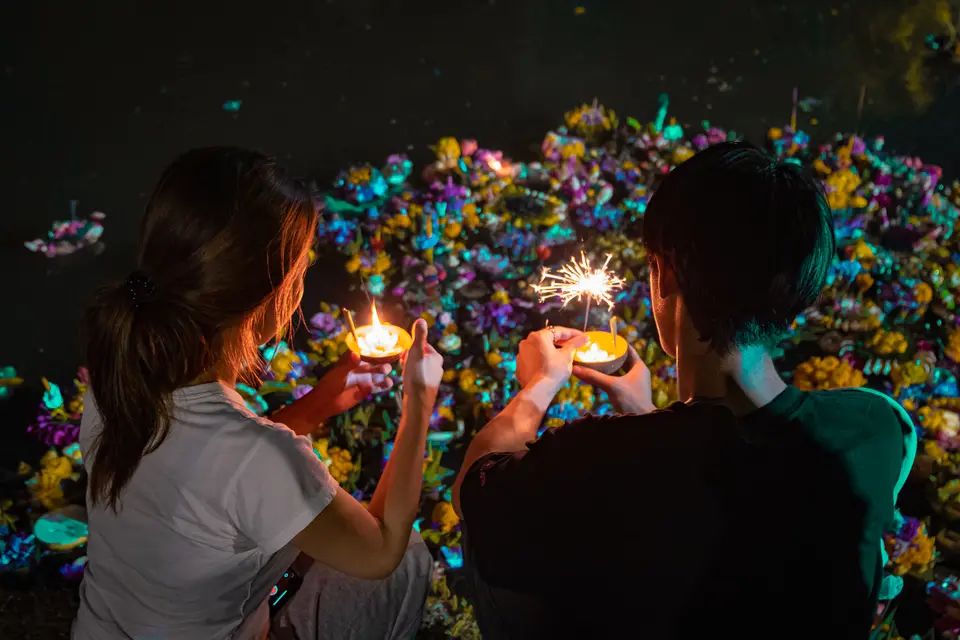
On the full-moon night of the twelfth Thai month, people float small decorated baskets bearing a candle, incense and a wish on rivers, canals and ponds across Thailand. In Chiang Mai the night coincides with Yi Peng, when sky lanterns drift up into the dark.
2026年11月25日推定
Holi
होली
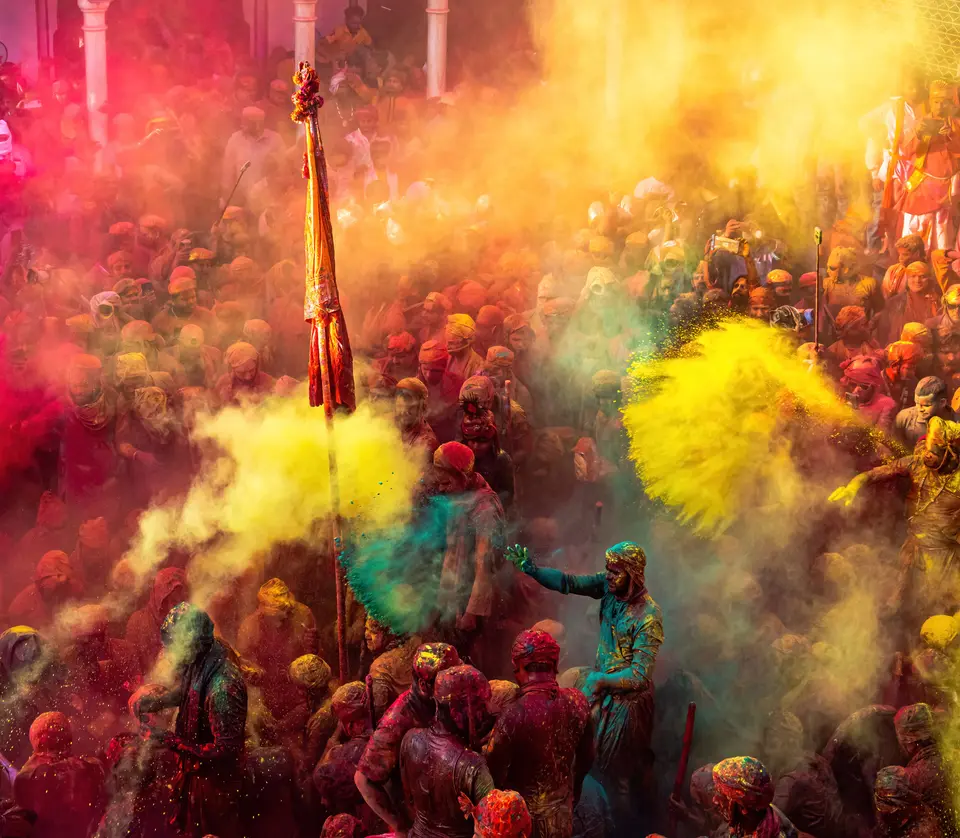
The festival of colours, love and spring. On the night of the full moon bonfires burn for Holika; the next day friends and strangers throw coloured powder and water at each other, sing, dance and share sweets — nowhere more exuberantly than in the towns of Krishna’s Braj.
2027年3月23日公式発表