このページはまだ日本語に翻訳されていません。英語の原文を表示しています。
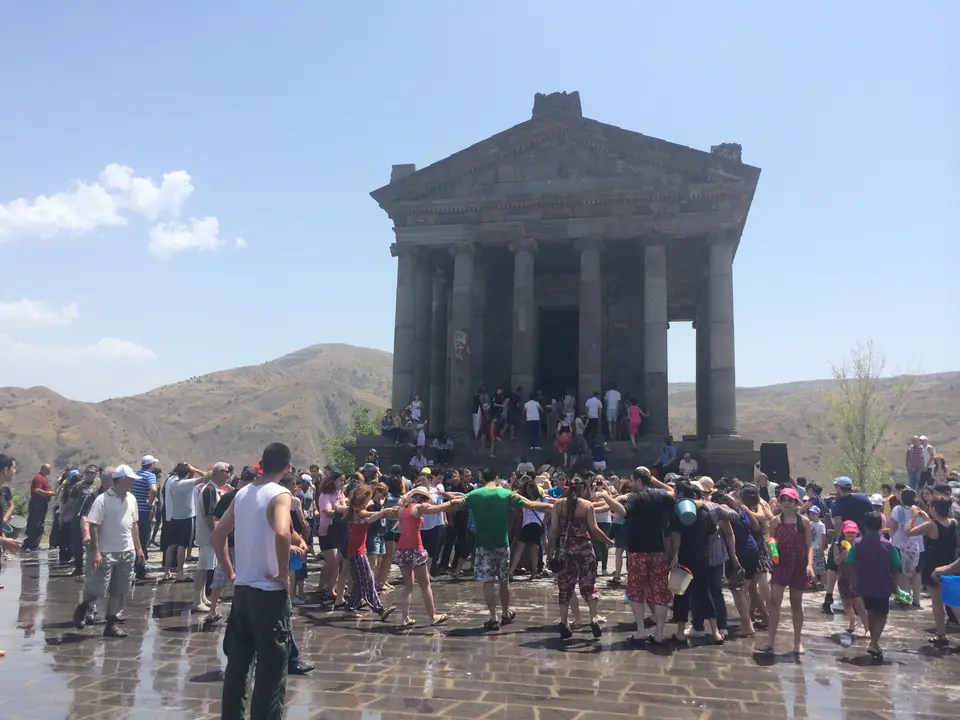
Fourteen weeks after Easter, Armenians of every age take to the streets with buckets, bottles and water guns and soak anyone they meet — a festival rooted in the worship of Astghik, goddess of water and love, and kept by the church as the Feast of the Transfiguration.
Roses and water
Vardavar began as a pagan festival associated with Astghik, goddess of beauty, love, fertility and water. The meaning of its name has long been debated: one explanation links it to vard, the Armenian word for rose, since rosewater was used in rituals honouring the goddess; another to older roots meaning water and splashing. After Armenia adopted Christianity in 301, the Armenian Church reinterpreted Vardavar as the Feast of the Transfiguration, when Jesus revealed his divine nature to his disciples, and the water came to be associated with the Flood and Noah’s dove. The ancient festival was once celebrated in August, associated with the ancient ritual of Navasard.
A country-wide water fight
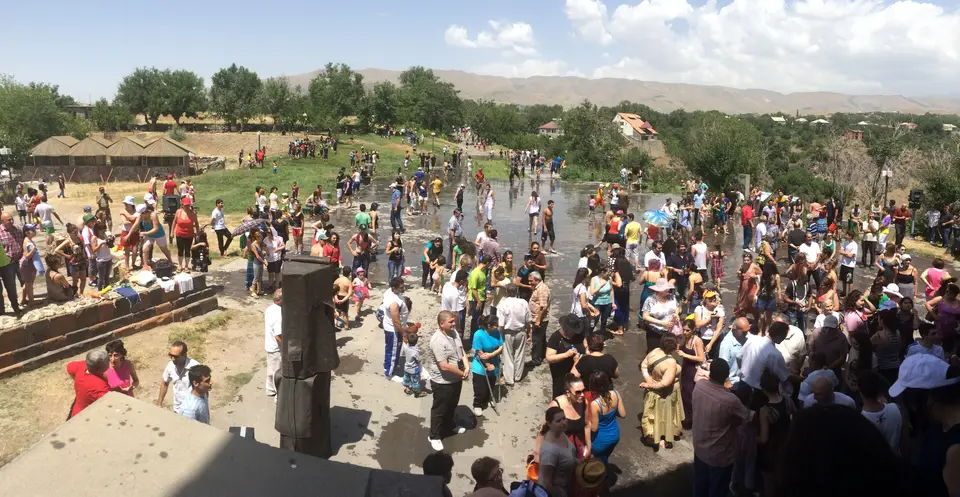
On Vardavar Armenians of all ages roam the streets with bottles, buckets and water guns, splashing strangers, friends and family alike; water is poured from balconies onto passers-by. Tradition says every Armenian should get at least a little wet that day, and being hit is considered lucky. In Yerevan the dancing fountain on Republic Square and Swan Lake by Freedom Square are favourite battlegrounds — the lake, normally closed to waders, is opened for the day, and the city itself sprays revellers with hoses. Different regions have their own water traditions, and the Temple of Garni hosts an annual Vardavar festival of Armenian culture.
The holiday was once also marked by fires on hilltops, and it is still a day for nature: people picnic on the grass, in the forest or by springs.
開催時期
Vardavar is celebrated 98 days — fourteen weeks — after Easter, on the day the Armenian Apostolic Church marks the Feast of the Transfiguration. It is always a Sunday between 28 June and 1 August. The following day, many families visit cemeteries to honour the dead.
- 2027年7月4日算出
- 2028年7月23日算出
- 2029年7月8日算出
- 2030年7月28日算出
敬意をもって訪れる
知っておきたいこと
- Expect to get wet — asking not to be splashed is practically an invitation. People dressed for a special occasion take a taxi that day.
- Put your phone and valuables in a waterproof bag, and consider wearing a swimsuit under your clothes.
食べ物と飲み物
Nazook
A popular pastry made with flour, butter, sugar, sour cream, yeast and eggs, often with a nut filling, baked for the occasion.
Lamb stew
Families going out for Vardavar picnics traditionally cook a lamb stew in the open air.
出典
この項目は次の資料をもとに書かれています。
- Vardavar: Armenia’s Epic Summer Water FightArmenia Tourism Committee (armenia.travel) · 2026年9月17日 閲覧
- The Point of Armenia’s Splashy Holiday Is Getting WetSmithsonian Magazine · 2026年9月17日 閲覧
- VardavarWikipedia · 2026年9月17日 閲覧
- Armenia travel advice: safety and securityUK Foreign, Commonwealth & Development Office · 2026年9月17日 閲覧
関連する祭り
Songkran
สงกรานต์
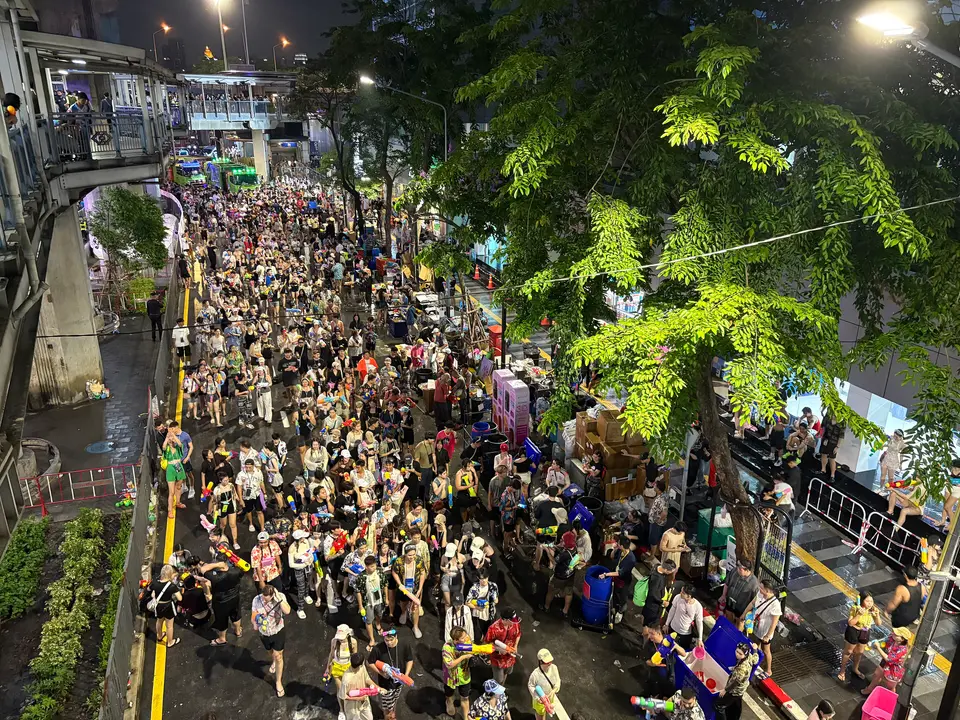
The traditional Thai New Year falls in mid-April, in the hottest weeks of the year. Families gather, pour water over the hands of their elders and over Buddha images — and in the streets, the gentle blessing becomes a nationwide water fight.
2027/04/13~2027/04/15算出
Holi
होली
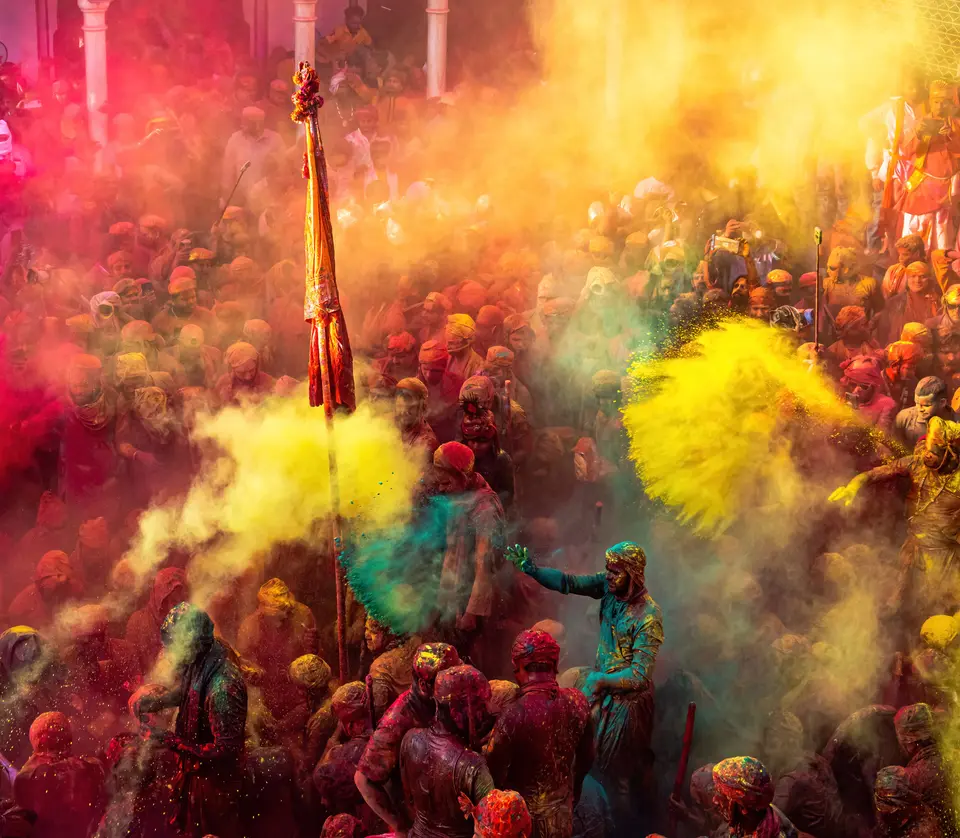
The festival of colours, love and spring. On the night of the full moon bonfires burn for Holika; the next day friends and strangers throw coloured powder and water at each other, sing, dance and share sweets — nowhere more exuberantly than in the towns of Krishna’s Braj.
2027年3月23日公式発表
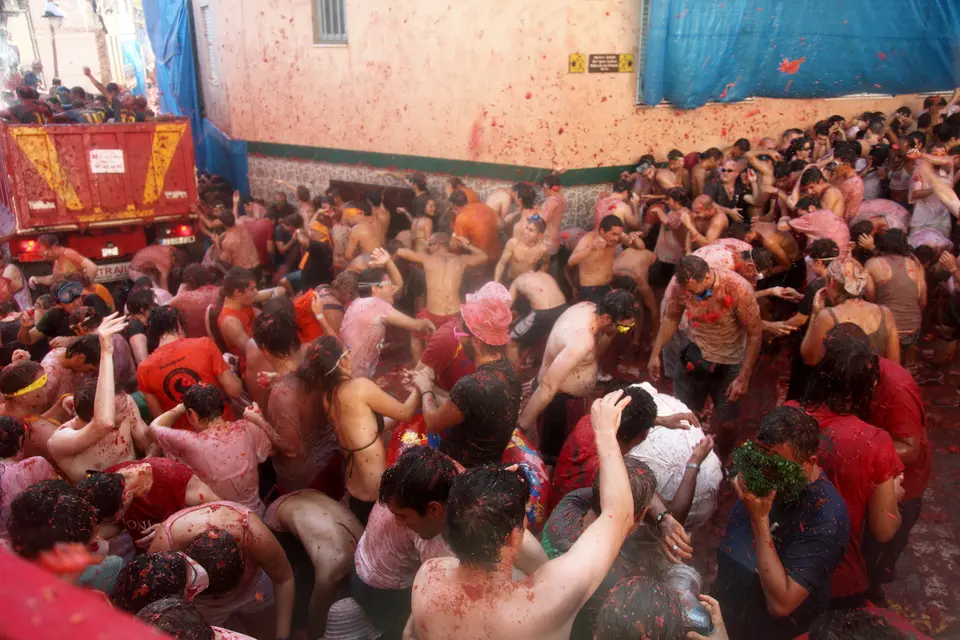
La Tomatina
On the last Wednesday of August, the small town of Buñol near Valencia hosts what is said to be the world’s biggest food fight — an hour in which thousands of ticket-holders pelt each other with tomatoes until the streets run red.
2027年8月25日算出