Esta página ainda não foi traduzida para português; mostra-se o texto original em inglês.
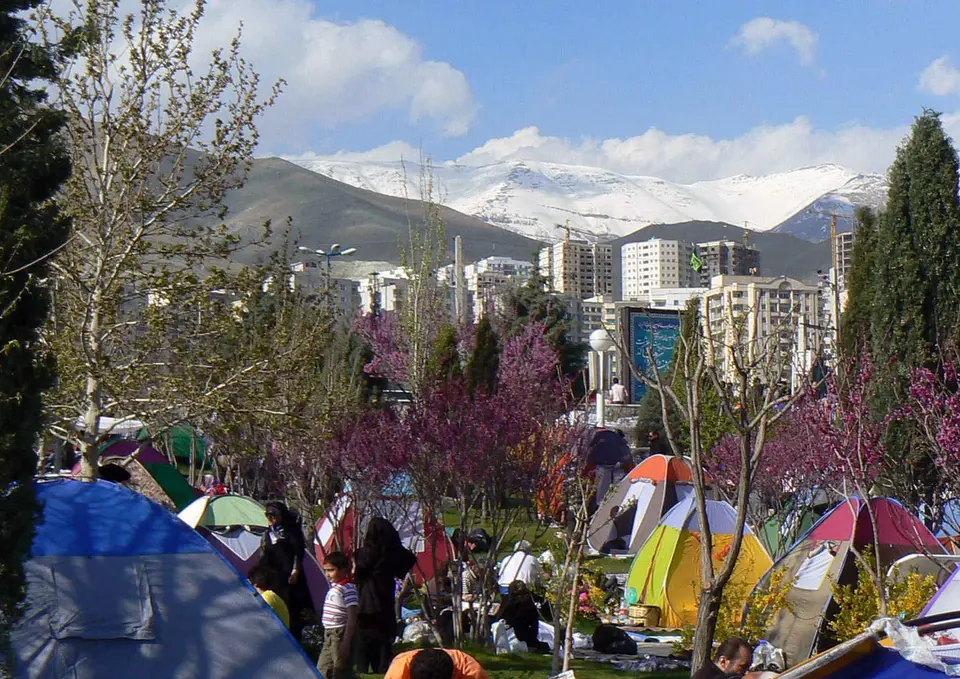
On the thirteenth day of the Iranian New Year, the whole country heads outdoors. Families picnic in parks and fields, and the sprouts grown for the Haft-sin table are thrown into running water, closing the Nowruz holidays.
Thirteen days, then outdoors
Sizdah means thirteen, and bedar is read as “outdoors” or “out towards the plain”. The day is also officially called Ruz-e Tabiat, Nature Day. Twelve days after Nowruz, the New Year holidays end with a day that almost nobody spends at home: from the morning, families set out for parks, gardens, riverbanks and the countryside with picnics, rugs and tents.
Many Iranians regard thirteen as an unlucky number, and one reading of the custom is that going out into nature sheds the bad luck of the day.
Letting the sabzeh go
A picnic on Sizdah Bedar usually ends with one small act. The sabzeh, the wheat or lentil sprouts that stood on the Haft-sin table through the New Year, is carried out of the house and thrown into moving water rather than kept or thrown away at home. Before letting it go, young unmarried people tie knots in the green stems as a wish to find a partner in the coming year.
The day is also known for jokes and pranks, and among Iranians abroad the picnic is often moved to the nearest weekend.
Quando acontece
Sizdah Bedar is 13 Farvardin in the Iranian solar calendar, twelve days after Nowruz. In the Gregorian calendar it falls on 1 or 2 April.
- 2 de abril de 202713 de Farvardin de 1406 APCalculada
- 1 de abril de 202813 de Farvardin de 1407 APCalculada
- 1 de abril de 202913 de Farvardin de 1408 APCalculada
- 2 de abril de 203013 de Farvardin de 1409 APCalculada
Visitar com respeito
Bom saber
- The day is spent in public places, where Iran’s dress code applies. Women must cover their hair and wear a long-sleeved tunic or coat over trousers or a floor-length skirt; men should wear long trousers and long sleeves.
- Ask before photographing people, and remember that families are picnicking in their own space.
Evite
- Do not photograph military or government buildings. Foreign nationals have been detained for photography near sensitive sites.
- Do not drink alcohol. It is illegal in Iran, and penalties can be severe.
Segurança
- Because the whole country is outdoors on the same day, parks and green spaces are very crowded and the roads out of cities are busy.
- As of September 2026 the UK government advises against all travel to Iran. Check your own government’s advice before planning a trip.
Fontes
Esta entrada foi escrita a partir das fontes seguintes.
- Sizdah Be-darWikipedia (English) · consultado em 16 de setembro de 2026
- Sizdah-Bedar (the thirteenth day of Farvardin)Islamic Culture and Communication Organization · consultado em 15 de setembro de 2026
- Sizdah-Be-Dar, Nature DayVisit Iran · consultado em 15 de setembro de 2026
- Iran travel advice: safety and securityUK Foreign, Commonwealth & Development Office · consultado em 16 de setembro de 2026
Festas relacionadas
Nowruz
نوروز
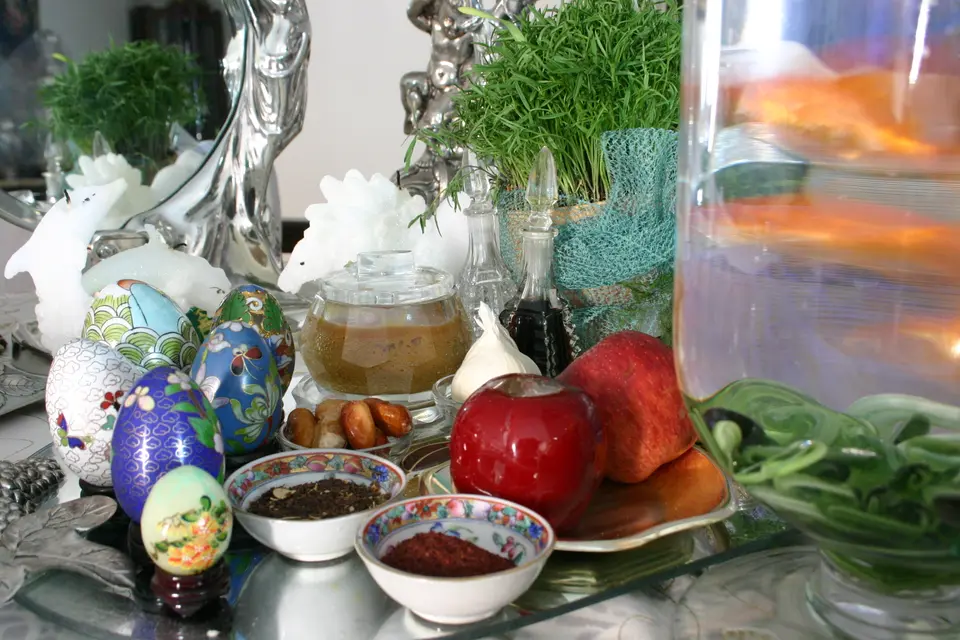
Nowruz, “new day”, is the Iranian New Year. It begins at the March equinox, when families gather around the Haft-sin table to wait for the exact moment the year turns, and opens two weeks of visits, food and time outdoors.
21 de março de 2027Calculada
Chaharshanbe Suri
چهارشنبهسوری
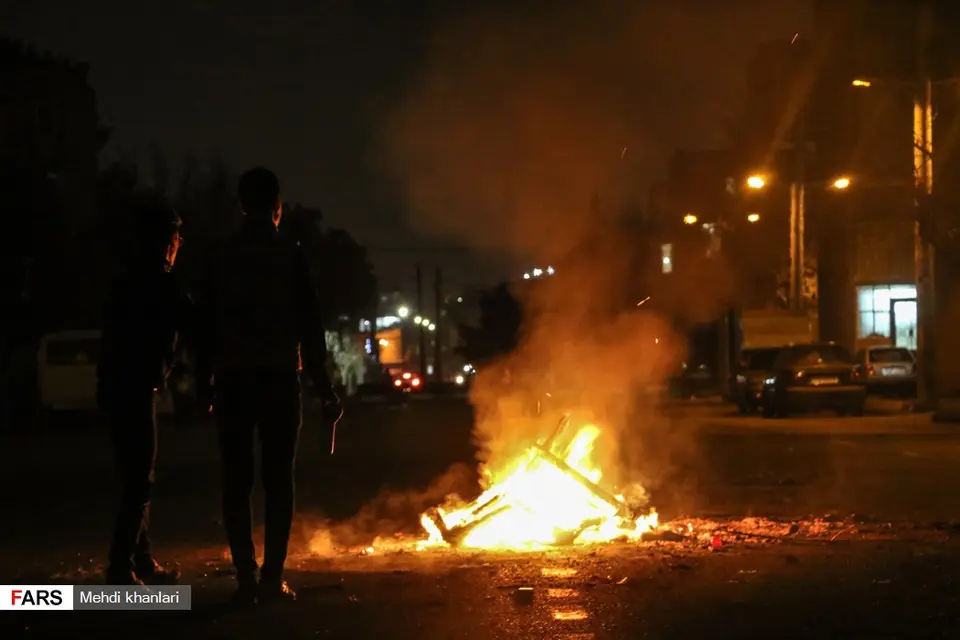
On the eve of the last Wednesday of the Iranian year, bonfires are lit in yards, streets and on rooftops, and people leap over the flames, asking the fire to take away their pallor and give them its red glow for the year ahead.
16 de março de 2027Calculada