Esta página ainda não foi traduzida para português; mostra-se o texto original em inglês.

At noon on 30 July 1980 the flag went up in Port Vila and at more than ninety other grounds across the islands at the same moment. The country it made has eighty-three islands and over a hundred languages, and the flag carries thirty-nine leaflets for the thirty-nine members of its first parliament.
Two empires, one archipelago
Vanuatu was the New Hebrides, and from 1906 it was run as the Anglo-French Condominium — governed by Britain and France at once, with two police forces, two legal systems and two of most other things. It became independent on 30 July 1980 with Walter Lini as its first prime minister; he stayed in office until 1991.
Independence did not arrive cleanly. On Espiritu Santo the Nagriamel movement, led by Jimmy Stevens and Chief Buluk and funded from abroad by the Phoenix Foundation, had been resisting land clearances and in January 1980 declared an independent Republic of Vemarana. The brief conflict that followed independence is remembered as the Coconut War.
What the day founded is a country of about eighty-three islands, sixty-five of them inhabited, with more than a hundred indigenous languages — all of them Oceanic, all Austronesian — among a population the 2020 census put at 300,019. Few places on earth carry that much linguistic variety for that few people.
Reading the flag
The flag was adopted on 18 February 1980, chosen by a parliamentary committee from designs submitted by local artists; it grew out of a party flag drawn by Kalontas Mahlon in 1977.
Green is the richness of the islands. Red is blood, which unites human beings as human beings. Black is the Melanesian ni-Vanuatu people, and the yellow was added at Walter Lini's request to make the black stand out. The yellow Y is the shape of the archipelago on the map, and the light of the gospel running through it.
In the black field sits a boar's tusk, worn as a pendant on the islands and standing for custom and tradition and for prosperity, crossed by two fronds of the namele tree, which stand for peace. Their leaflets number thirty-nine, one for each of the thirty-nine members of the first parliament. It is a flag that can be read, and on 30 July a great many small paper copies of it are carried by children.
The day itself
The first one set the pattern. At exactly twelve o'clock on 30 July 1980 the flag was raised at the main celebration ground in Port Vila, and at more than ninety other flag-raising centres around the country at the same time.
Port Vila still holds the largest of it, and thousands come for the flag-raising and the parade. Around that there are custom dances, string bands — ukulele and guitar, the popular music of the islands — face painting, kava, and sporting competitions including yacht and canoe races in the harbour. It starts in the afternoon and goes through the night into the next morning.
Quando acontece
30 July, every year. The flag-raising is at midday; the celebrations run from the afternoon through the night.
- 30 de julho de 2027Calculada
- 30 de julho de 2028Calculada
- 30 de julho de 2029Calculada
- 30 de julho de 2030Calculada


Fontes
Esta entrada foi escrita a partir das fontes seguintes.
- VanuatuWikipedia · consultado em 26 de setembro de 2026
- Flag of VanuatuWikipedia · consultado em 26 de setembro de 2026
Festas relacionadas
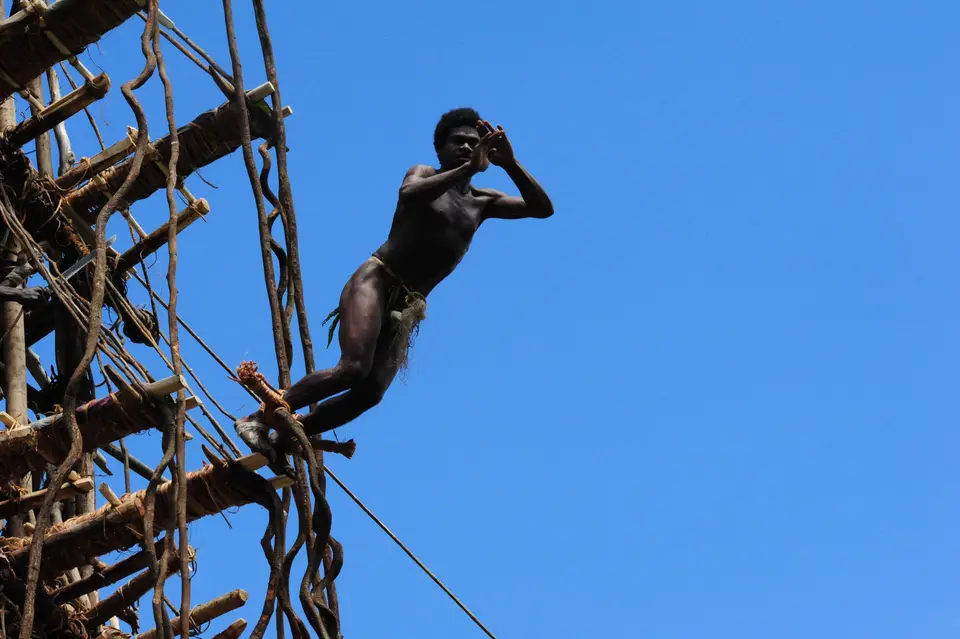
Salto para a terra na ilha de Pentecostes
Nanggol
Quando o inhame é colhido, os homens do sul de Pentecostes erguem torres de madeira acabada de cortar e atada com lianas, e saltam um após outro das suas plataformas com lianas presas aos tornozelos, tentando roçar a terra lavrada com os ombros — quanto mais alto o salto, melhor a colheita.
abril – junho de 2027Período aproximado
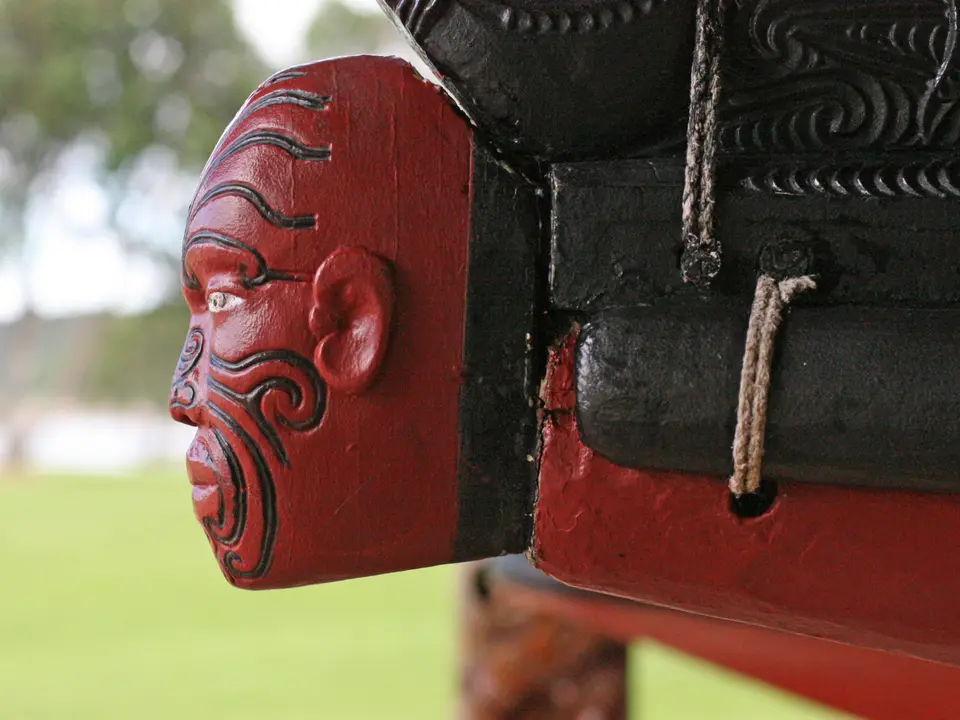
Dia de Waitangi
Te Rā o Waitangi
O dia nacional da Nova Zelândia marca a assinatura do Tratado de Waitangi em 6 de fevereiro de 1840 entre a Coroa britânica e chefes maoris — com um ofício ao amanhecer, discursos, kapa haka e waka na baía dos Treaty Grounds, e por vezes com protesto e debate.
6 de fevereiro de 2027Calculada
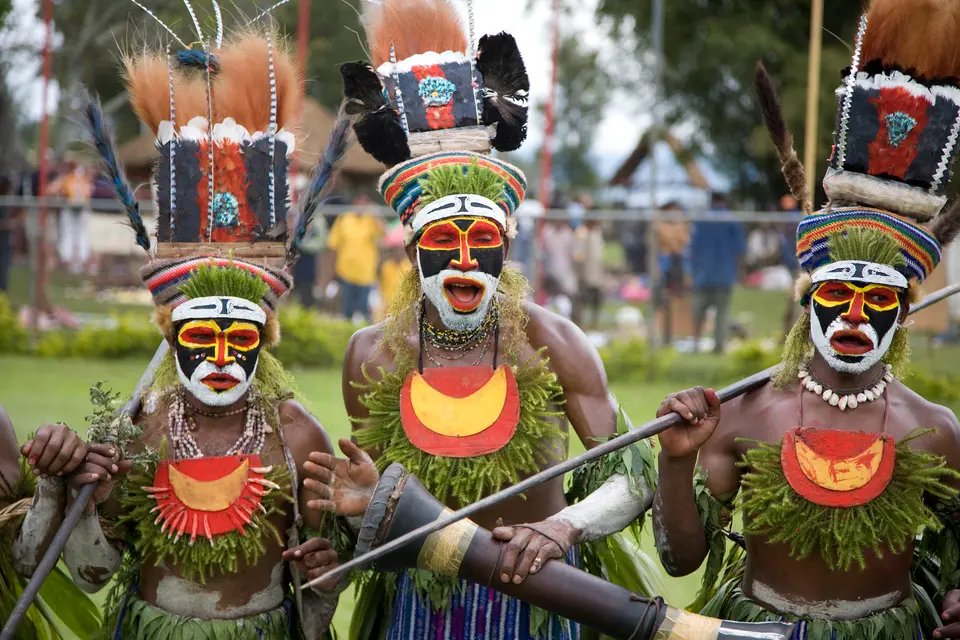
Goroka Show
Perto do Dia da Independência, cerca de cem tribos de toda a Papua-Nova Guiné juntam-se em Goroka para o maior sing-sing do país, com rostos pintados, música e dança — e os fantasmagóricos Homens de Lama de Asaro com as suas máscaras de argila.
16 de setembro de 2027Estimada
Comentários
Já lá esteve? Conte a outros leitores o que podem esperar.
Ainda não há comentários.
Os comentários são lidos pelo dono do sítio antes de aparecerem.