Эта страница ещё не переведена на русский; показан оригинальный текст на английском.

At noon on 30 July 1980 the flag went up in Port Vila and at more than ninety other grounds across the islands at the same moment. The country it made has eighty-three islands and over a hundred languages, and the flag carries thirty-nine leaflets for the thirty-nine members of its first parliament.
Two empires, one archipelago
Vanuatu was the New Hebrides, and from 1906 it was run as the Anglo-French Condominium — governed by Britain and France at once, with two police forces, two legal systems and two of most other things. It became independent on 30 July 1980 with Walter Lini as its first prime minister; he stayed in office until 1991.
Independence did not arrive cleanly. On Espiritu Santo the Nagriamel movement, led by Jimmy Stevens and Chief Buluk and funded from abroad by the Phoenix Foundation, had been resisting land clearances and in January 1980 declared an independent Republic of Vemarana. The brief conflict that followed independence is remembered as the Coconut War.
What the day founded is a country of about eighty-three islands, sixty-five of them inhabited, with more than a hundred indigenous languages — all of them Oceanic, all Austronesian — among a population the 2020 census put at 300,019. Few places on earth carry that much linguistic variety for that few people.
Reading the flag
The flag was adopted on 18 February 1980, chosen by a parliamentary committee from designs submitted by local artists; it grew out of a party flag drawn by Kalontas Mahlon in 1977.
Green is the richness of the islands. Red is blood, which unites human beings as human beings. Black is the Melanesian ni-Vanuatu people, and the yellow was added at Walter Lini's request to make the black stand out. The yellow Y is the shape of the archipelago on the map, and the light of the gospel running through it.
In the black field sits a boar's tusk, worn as a pendant on the islands and standing for custom and tradition and for prosperity, crossed by two fronds of the namele tree, which stand for peace. Their leaflets number thirty-nine, one for each of the thirty-nine members of the first parliament. It is a flag that can be read, and on 30 July a great many small paper copies of it are carried by children.
The day itself
The first one set the pattern. At exactly twelve o'clock on 30 July 1980 the flag was raised at the main celebration ground in Port Vila, and at more than ninety other flag-raising centres around the country at the same time.
Port Vila still holds the largest of it, and thousands come for the flag-raising and the parade. Around that there are custom dances, string bands — ukulele and guitar, the popular music of the islands — face painting, kava, and sporting competitions including yacht and canoe races in the harbour. It starts in the afternoon and goes through the night into the next morning.
Когда проходит
30 July, every year. The flag-raising is at midday; the celebrations run from the afternoon through the night.
- 30 июля 2027 г.Рассчитано
- 30 июля 2028 г.Рассчитано
- 30 июля 2029 г.Рассчитано
- 30 июля 2030 г.Рассчитано


Источники
Статья написана по следующим источникам.
- VanuatuWikipedia · просмотрено 26 сентября 2026 г.
- Flag of VanuatuWikipedia · просмотрено 26 сентября 2026 г.
Похожие праздники
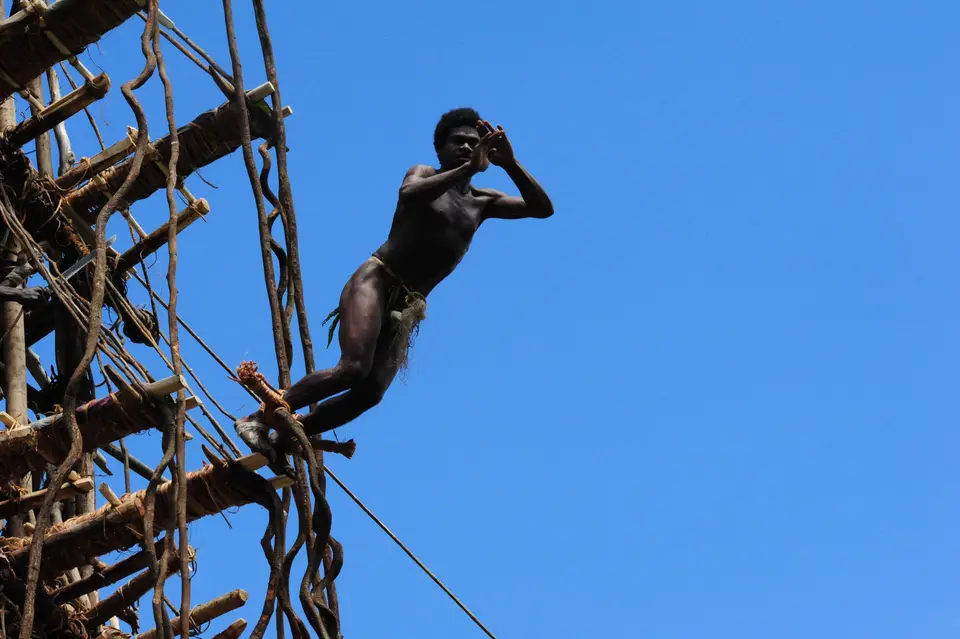
Прыжки с башни на острове Пятидесятницы
Nanggol
Когда собран ямс, мужчины юга острова Пятидесятницы строят башни из только что срубленного дерева, связанного лианами, и один за другим прыгают с помостов, привязав лианы к лодыжкам, стараясь задеть плечами вспаханную землю: чем выше прыжок, тем лучше урожай.
апрель 2027 г. – июнь 2027 г.Примерный период
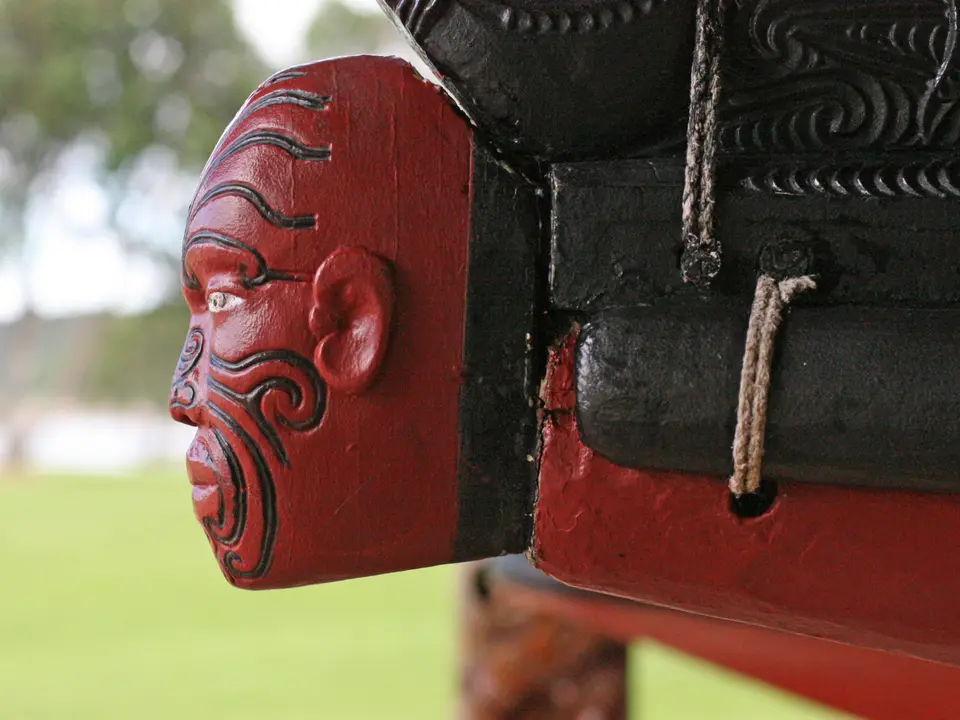
День Вайтанги
Te Rā o Waitangi
Национальный день Новой Зеландии напоминает о подписании Договора Вайтанги 6 февраля 1840 года между британской Короной и вождями маори: служба на рассвете, речи, капа хака и лодки вака в бухте у Договорных земель, а порой и протесты со спорами.
6 февраля 2027 г.Рассчитано
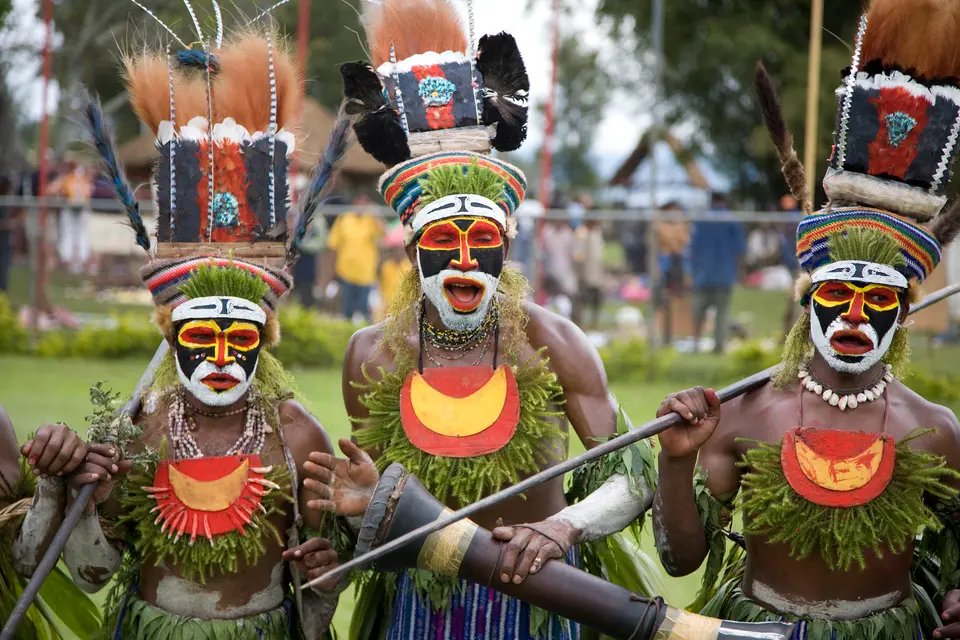
Шоу в Гороке
Goroka Show
Незадолго до Дня независимости около сотни племён со всей Папуа — Новой Гвинеи собираются в Гороке на самый большой в стране синг-синг: раскрашенные лица, музыка и танцы — и призрачные глиняные люди Асаро в масках из глины.
16 сентября 2027 г.Ориентировочно
Отзывы
Вы там были? Расскажите другим, чего ждать.
Отзывов пока нет.
Отзывы читает владелец сайта, прежде чем они появятся.