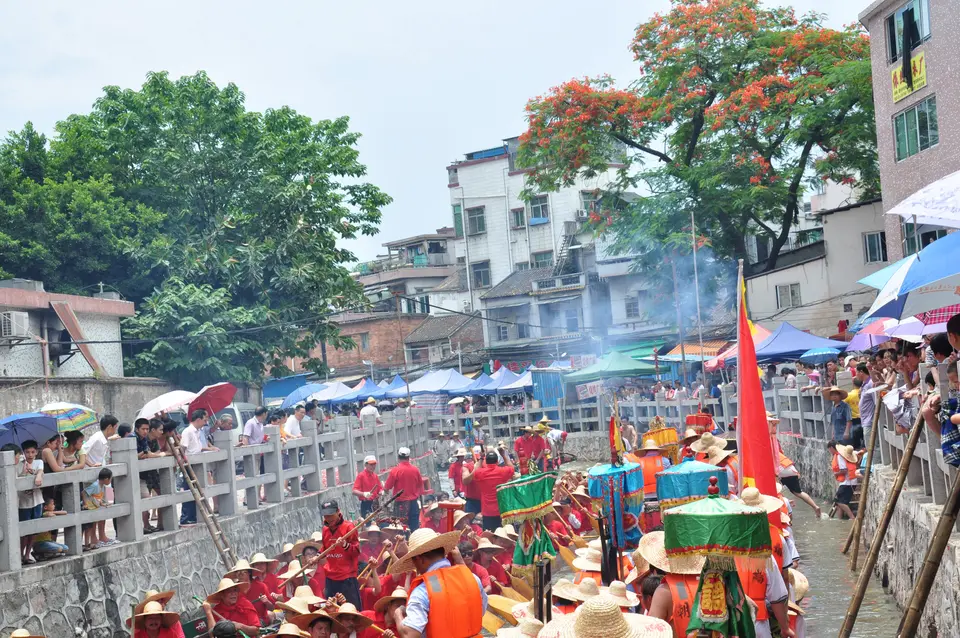
Dragon Boat Festival
端午节
On UNESCO’s list of the Intangible Cultural Heritage of Humanity
Photo: Newnujilb, CC BY-SA 4.0, via Wikimedia Commons
On the fifth day of the fifth lunar month, crews race long carved dragon boats, families eat zongzi, and doors are hung with calamus and mugwort — a festival of remembrance and protection, the first Chinese festival inscribed by UNESCO.
A day for heroes
Duanwu, the festival on the fifth day of the fifth month, is celebrated by several ethnic groups across China, and especially along the middle and lower reaches of the Yangtze. The best-known story links it to Qu Yuan, a poet and minister of the state of Chu in the Warring States period. Banished for opposing an alliance with the state of Qin, he drowned himself in the Miluo River after Qin captured the Chu capital. Local people are said to have raced out in their boats to save him — the origin of the dragon boat races — and to have thrown rice into the river for the fish.
The hero changes from place to place. UNESCO, which inscribed the festival in 2009 as the first Chinese festival on its Representative List, notes that Qu Yuan is venerated in Hubei and Hunan, Wu Zixu in South China, and Yan Hongwo among the Dai in Yunnan; in parts of northeastern Zhejiang the girl Cao E is remembered instead.
Boats and protection
The fifth month was traditionally considered unlucky, and the fifth day especially so. People hang calamus, whose leaves are shaped like swords, and mugwort above their doors, bathe in flower-scented water, wear five-coloured silk threads and paste paper cut-outs in their windows to ward off evil. The festival combines a memorial ceremony with dragon boat races, feasts of zongzi, eggs and realgar wine, and folk entertainment such as opera and song.
When it happens
The Dragon Boat Festival is the fifth day of the fifth month of the Chinese calendar, which falls in late May or June.
- June 9, 2027Calculated
- May 28, 2028Calculated
- June 16, 2029Calculated
- June 5, 2030Calculated
Food and drink
Zongzi
Sticky rice dumplings. Tradition says they began as balls of rice thrown into the river so that the fish would eat them instead of the body of the poet Qu Yuan.
Sources
This entry was written from the following sources.
- Dragon Boat festivalUNESCO Intangible Cultural Heritage · read September 16, 2026
- Dragon Boat FestivalWikipedia · read September 16, 2026
- Gregorian-Lunar Calendar Conversion TablesHong Kong Observatory · read September 16, 2026
Related festivals
Mid-Autumn Festival
中秋节
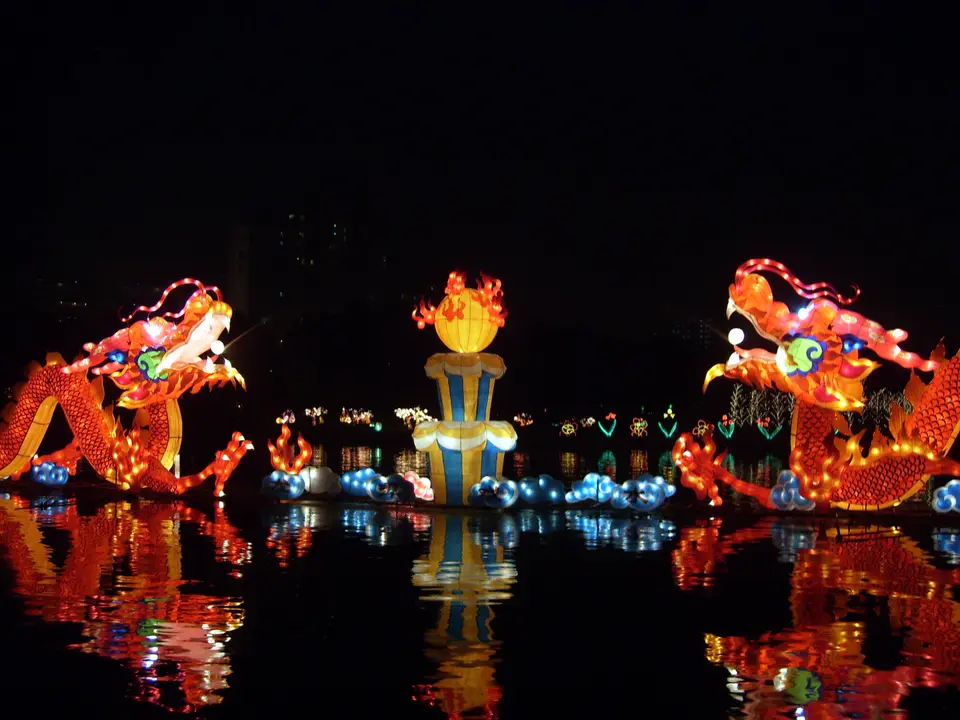
On the fifteenth night of the eighth lunar month, when the moon is held to be at its fullest and brightest, Chinese families gather to share mooncakes, carry lanterns and look at the moon — a harvest festival with the legend of Chang’e at its heart.
September 25, 2026Calculated
Water-Splashing Festival
泼水节
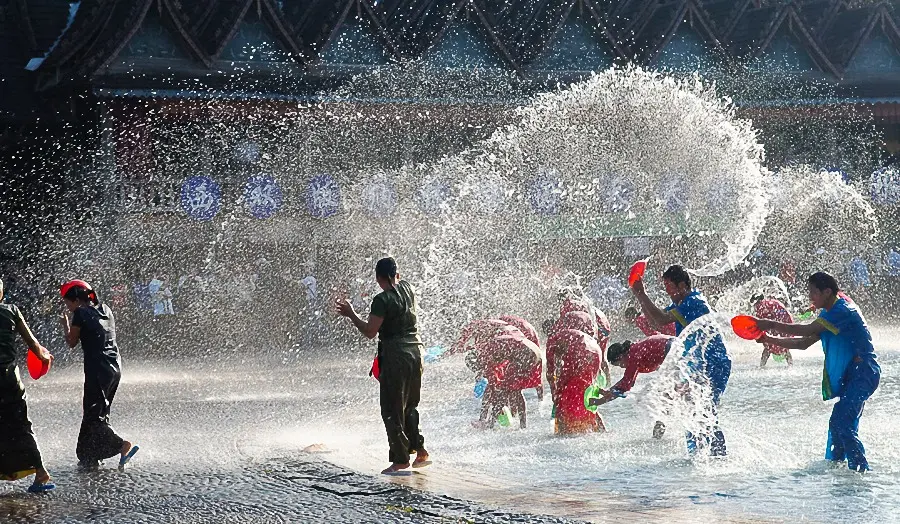
In mid-April the Dai of Xishuangbanna welcome their new year by washing statues of the Buddha and drenching each other with water for luck — three days of dragon boat races, rockets, dances and a city-wide water fight in Jinghong.
April 13 – 15, 2027Estimated
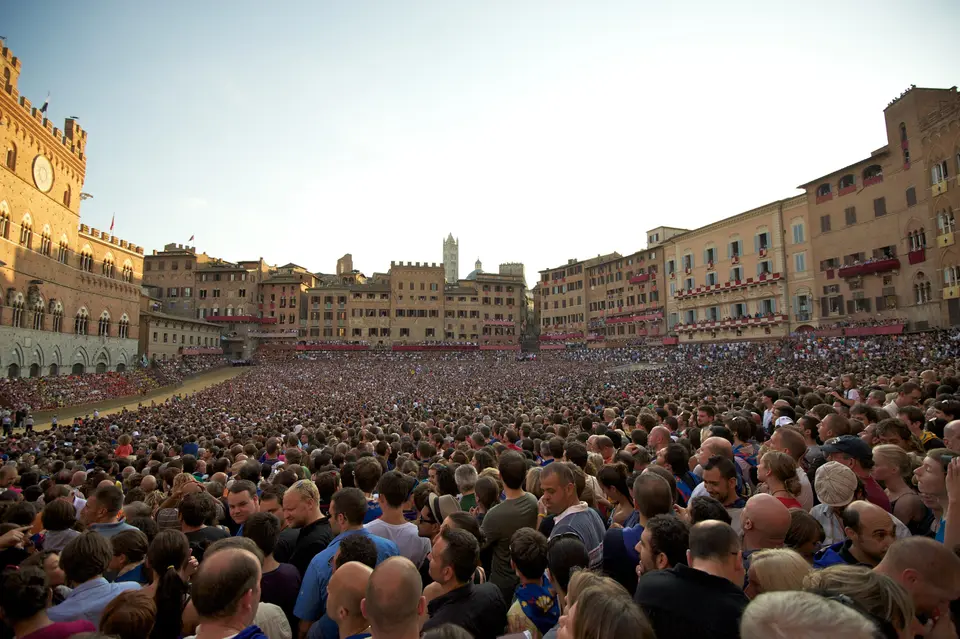
Palio di Siena
Twice every summer, ten of Siena’s seventeen city wards race horses bareback three times around the Piazza del Campo. The race lasts about ninety seconds; the rivalries, alliances, pageantry and devotion around it last all year.
July 2, 2027Calculated