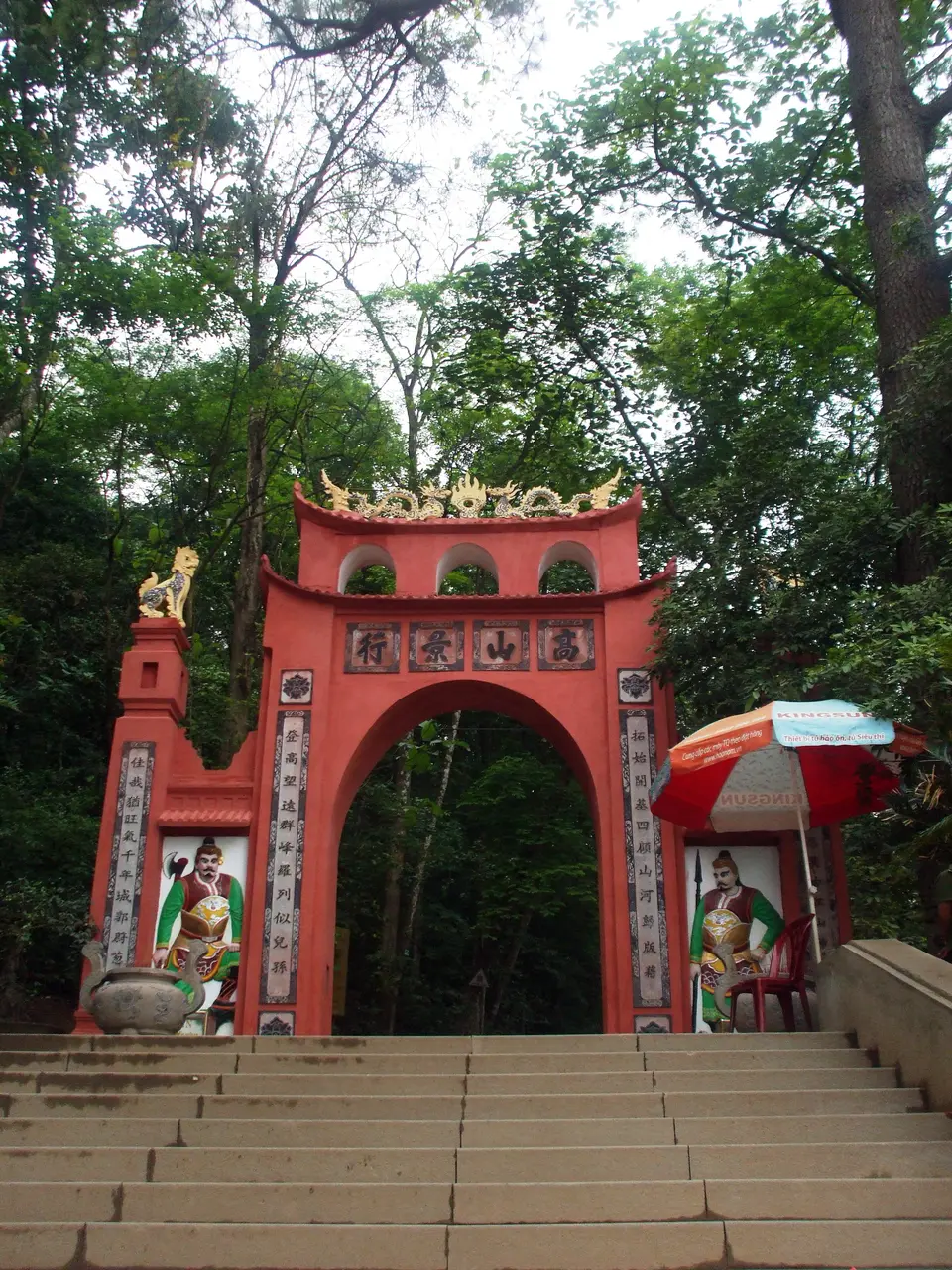
Hùng Kings’ Temple Festival
Giỗ Tổ Hùng Vương
On UNESCO’s list of the Intangible Cultural Heritage of Humanity
Photo: Bùi Thụy Đào Nguyên, CC BY-SA 3.0, via Wikimedia Commons
Early in the third lunar month, millions of Vietnamese climb Nghĩa Lĩnh mountain in Phú Thọ to honour the Hùng Kings, legendary founders of the nation, with processions of palanquins, drums and gongs, offerings of rice cakes and Xoan singing.
The founders of the nation
The Hùng Kings are the traditional founders and first kings of Vietnam. Their festival is officially called Giỗ Tổ Hùng Vương, the death anniversary of the Hùng Kings, although it does not mark the death of any particular king. It began as a local holiday and became a national one in 2007; in 2016 about seven million people visited.
The festival takes place at the Hùng temples on Nghĩa Lĩnh mountain in Phú Thọ province. People come to commemorate their ancestors and to pray for good weather, abundant harvests, luck and health. The worship of the Hùng Kings in Phú Thọ was inscribed on UNESCO’s Representative List in 2012.
Palanquins, drums and cakes
A procession starts at the foot of the mountain and stops at each of the smaller temples before reaching the High Temple, where pilgrims offer prayers and incense. Villages from the surrounding area dress in splendid costumes and compete to provide the finest palanquin and the most valued objects of worship for the key rite, in which drums and gongs are carried up to the main temple.
Communities offer rice delicacies such as square cakes and glutinous rice cakes, and there are folk performances, bronze drum beating, Xoan singing, prayers and petitions. The rituals are led by a festival organising board of respected local people, who appoint committees and temple guardians to look after the sites and teach worshippers the rites. Smaller ceremonies for the Hùng Kings are held at temples throughout the country during the year.
When it happens
The festival runs from the 1st to the 10th day of the third lunar month; the 10th is the main day and has been a national public holiday since 2007. It usually falls in April.
- April 16, 2027Calculated
- April 4, 2028Calculated
- April 23, 2029Calculated
- April 12, 2030Calculated
Visiting with respect
Good to know
- The temples are places of worship, looked after by temple guardians who instruct worshippers in the rites. Follow their directions.
Stay safe
- Expect very large crowds around the 10th day. Petty theft and bag-snatching are common in crowded places in Vietnam; keep valuables close.
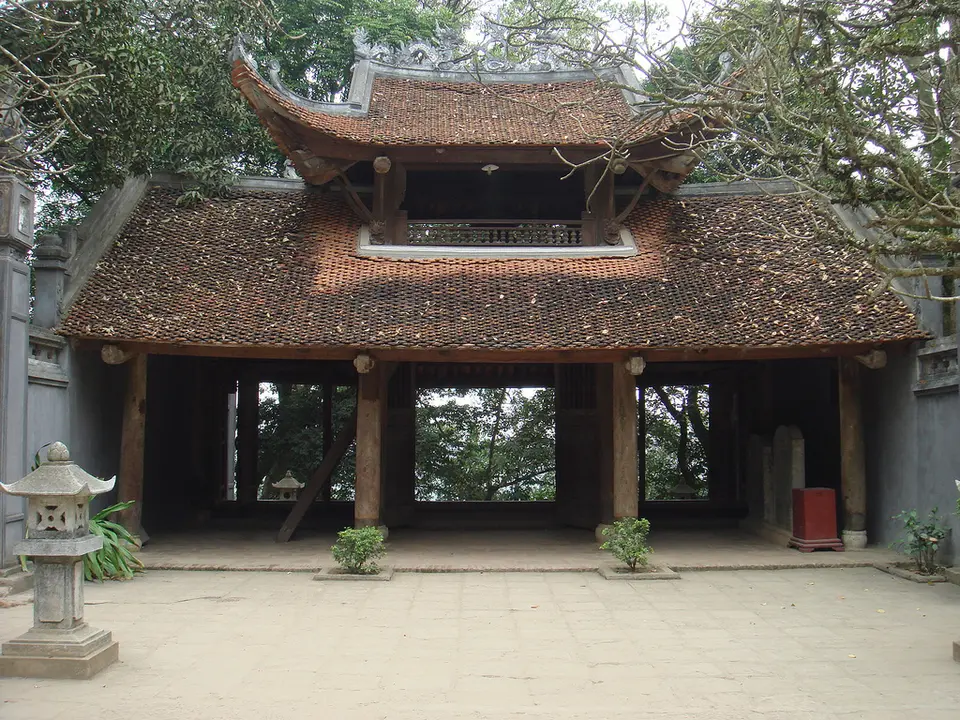
Sources
This entry was written from the following sources.
- Worship of Hùng kings in Phú ThọUNESCO Intangible Cultural Heritage · read September 16, 2026
- Hùng Kings' FestivalWikipedia · read September 16, 2026
- Gregorian-Lunar Calendar Conversion TablesHong Kong Observatory · read September 16, 2026
- Phases of the MoonUS Naval Observatory, Astronomical Applications · read September 16, 2026
Related festivals
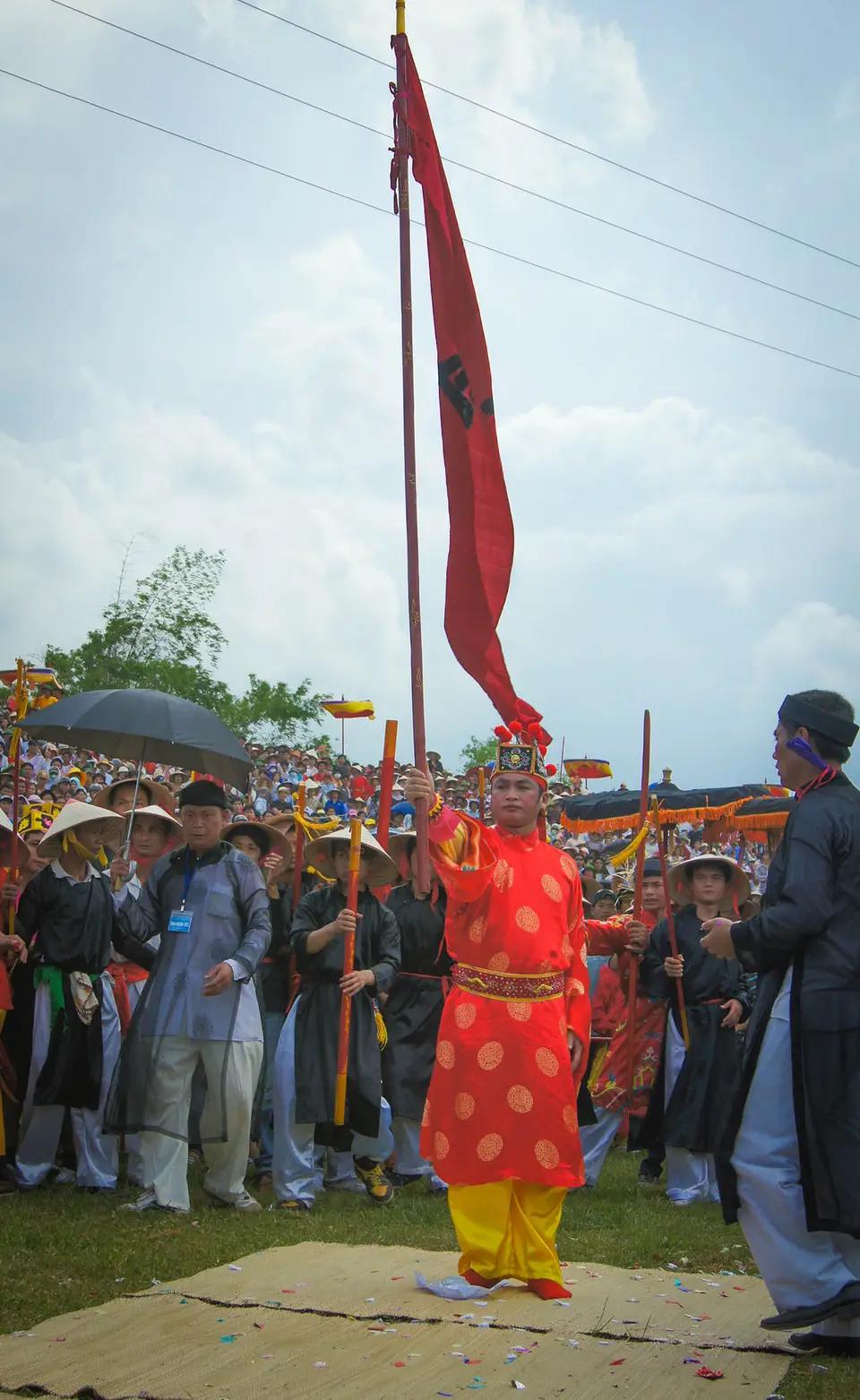
Gióng Festival
Hội Gióng
Two villages on the edge of Hanoi re-enact the legend of Saint Gióng, the child who grew into a giant to drive out invaders — a battle fought with flag dances, drums and gongs against twenty-eight girl generals at Phù Đổng, and bamboo flowers carried up to the temple at Sóc.
February 11 – 13, 2027Calculated
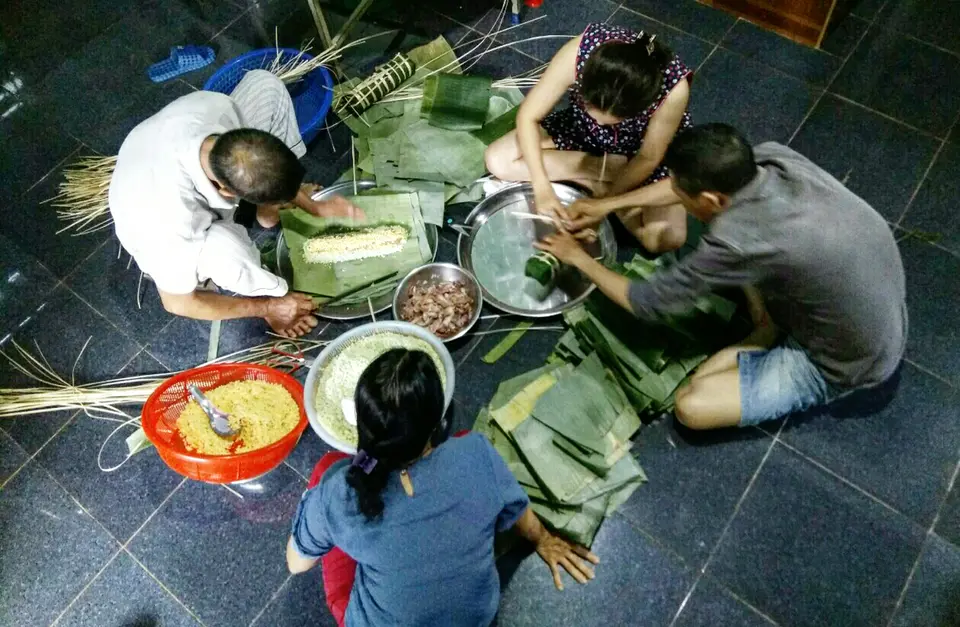
Tết
Tết Nguyên Đán
The Vietnamese Lunar New Year is the most important celebration in Vietnam — a time to go home, tend ancestors’ graves, fill the house with peach or yellow ochna blossom, wrap sticky rice cakes, and take care over who crosses the threshold first.
February 6 – 8, 2027Calculated
Qoyllur Rit'i
Quyllurit'i
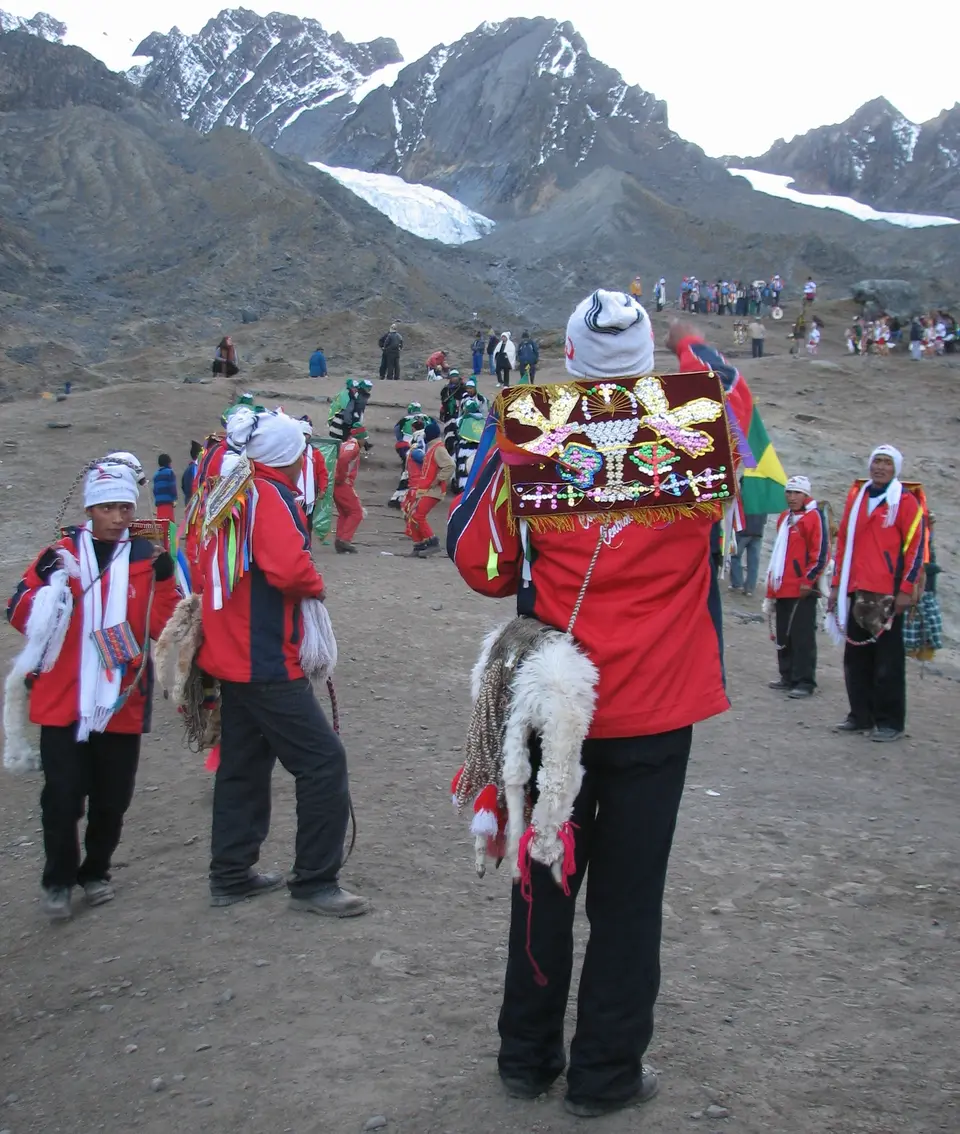
In a high valley below the glaciers of the Cusco region, tens of thousands of pilgrims gather each year for the Lord of Qoyllur Rit'i — a feast that joins Catholic devotion to older Andean beliefs about nature and the stars, with a hundred dances and a day-and-night procession to greet the sunrise.
May 25, 2027Estimated