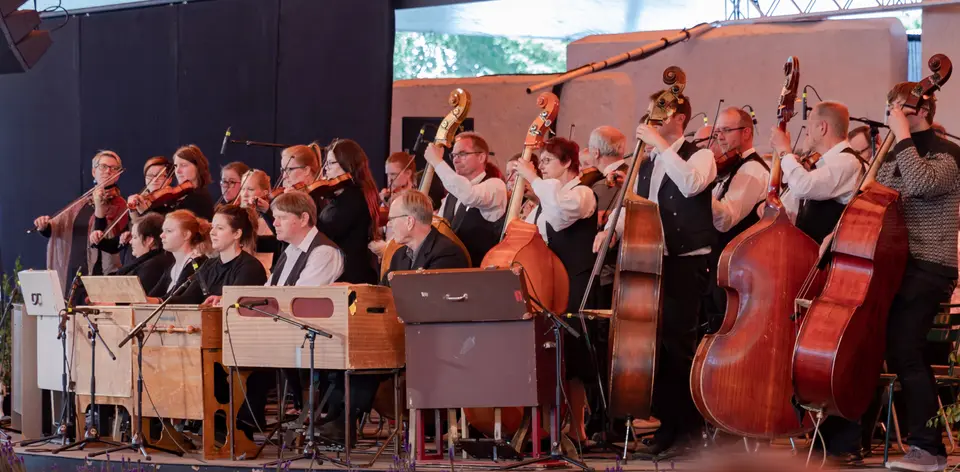
Kaustinen Folk Music Festival
Kaustisen kansanmusiikkijuhlat
On UNESCO’s list of the Intangible Cultural Heritage of Humanity
Photo: Ninara, CC BY 2.0, via Wikimedia Commons
For one week in July a village of a few thousand people in Ostrobothnia fills with fiddles. The playing tradition it grew out of went onto UNESCO's list in 2021 — a way of playing by ear, in this one place, that has been handed on for over 250 years.
A village and a way of playing
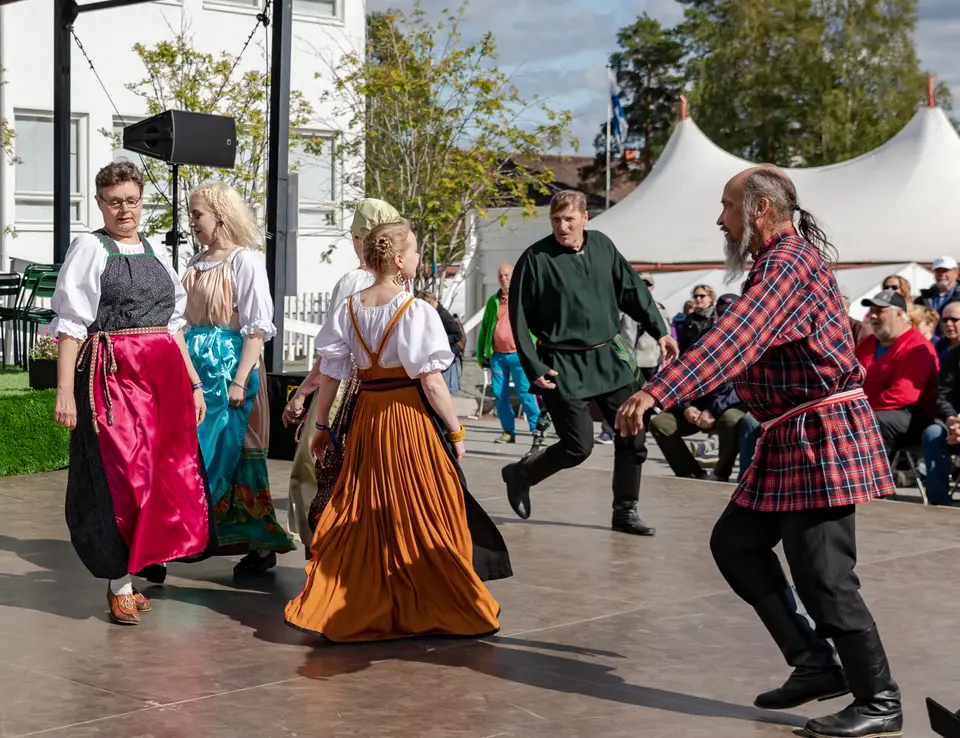
Kaustinen is a municipality of a few thousand people in Central Ostrobothnia, and it has a fiddle tradition of its own — a repertoire of several hundred tunes from this one area, learnt by ear rather than from paper, with the violin as the main melodic instrument though not the only one. UNESCO inscribed it on the Representative List in December 2021 as "Kaustinen fiddle playing and related practices and expressions". The file describes the music as belonging to public celebrations and ceremonies, weddings among them, and to the annual festival — and makes the point that most people in Kaustinen and the neighbouring communities count the music as part of who they are whether or not they play.
The festival
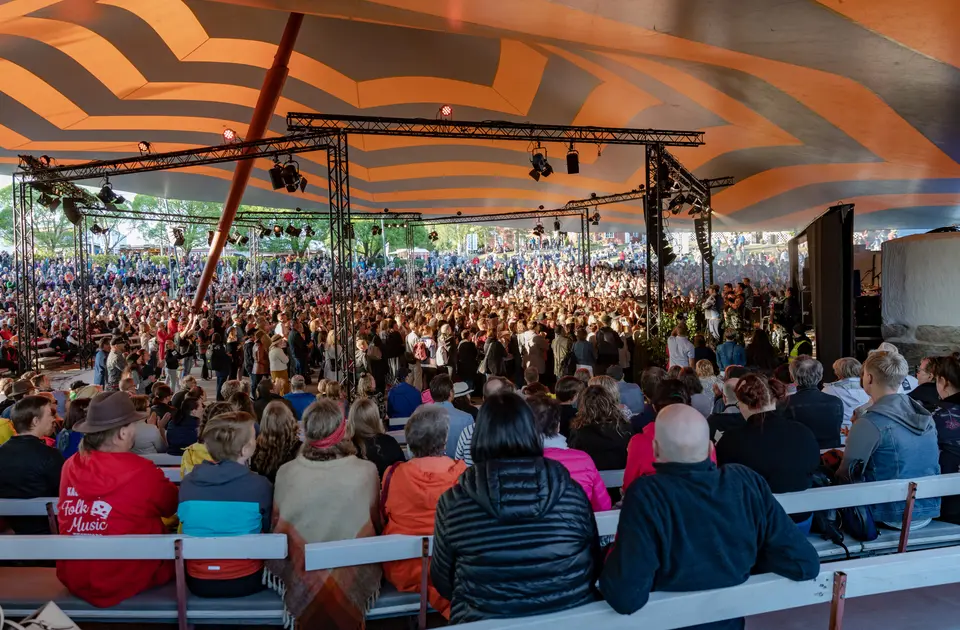
The festival began in 1968 and has run every summer since. It is the largest folk music event in the Nordic countries: the most recent edition drew 58,531 visits, sold nearly twenty-two thousand tickets, and had 5,100 musicians, singers and dancers taking part — the largest number in its history. The 2027 festival, from 12 to 18 July, is the sixtieth.
What the numbers do not show is the shape of the week. There is a main arena, the Keskipohjanmaa, and there are also yards, tents, a church, and the Pelimannitalo, the fiddlers' house; a great deal of the playing is in groups that formed for the week, and the line between performer and audience is not where it usually is.
Dates
The organisers publish the dates well ahead, and 12 to 18 July 2027 comes from them directly. That is unusual on this site — most of what we list is worked out from a calendar rule — and it is why this entry is marked as officially announced rather than calculated.
When it happens
A week in July. The organisers have announced 12 to 18 July 2027 for the sixtieth festival; the festival has been held every summer since 1968.
- July 12 – 18, 2027Officially announced
Visiting with respect
Good to know
- Much of the music is not on the main stage. Follow the sound into the yards, the church and the Pelimannitalo.
- Players of any level are welcome in the sessions, but listen through a tune before joining it.
- This is a village hosting fifty thousand visits. Park where you are told and walk.
- Bring cash for the small venues and the food stalls.
Avoid
- Do not treat a session as a performance to be filmed from the middle of it.
- Do not camp on private land without asking; the festival has its own campsites.
Stay safe
- July nights in Ostrobothnia are bright and cold at once. A warm layer for the evening even when the afternoon was hot.
- Mosquitoes, seriously.
- Kaustinen is small and the last buses go early; arrange how you are getting back before the evening concerts.
Sources
This entry was written from the following sources.
- Kaustinen fiddle playing and related practices and expressionsUNESCO · read September 25, 2026
- Kaustinen fiddle playing inscribed on the UNESCO Representative ListFinnish Heritage Agency (Museovirasto) · read September 25, 2026
- Record numbers towards the jubilee year 2027Kaustinen Folk Music Festival · read September 25, 2026
- Finland travel advice: safety and securityUK Foreign, Commonwealth & Development Office · read September 25, 2026
Related festivals
Juhannus
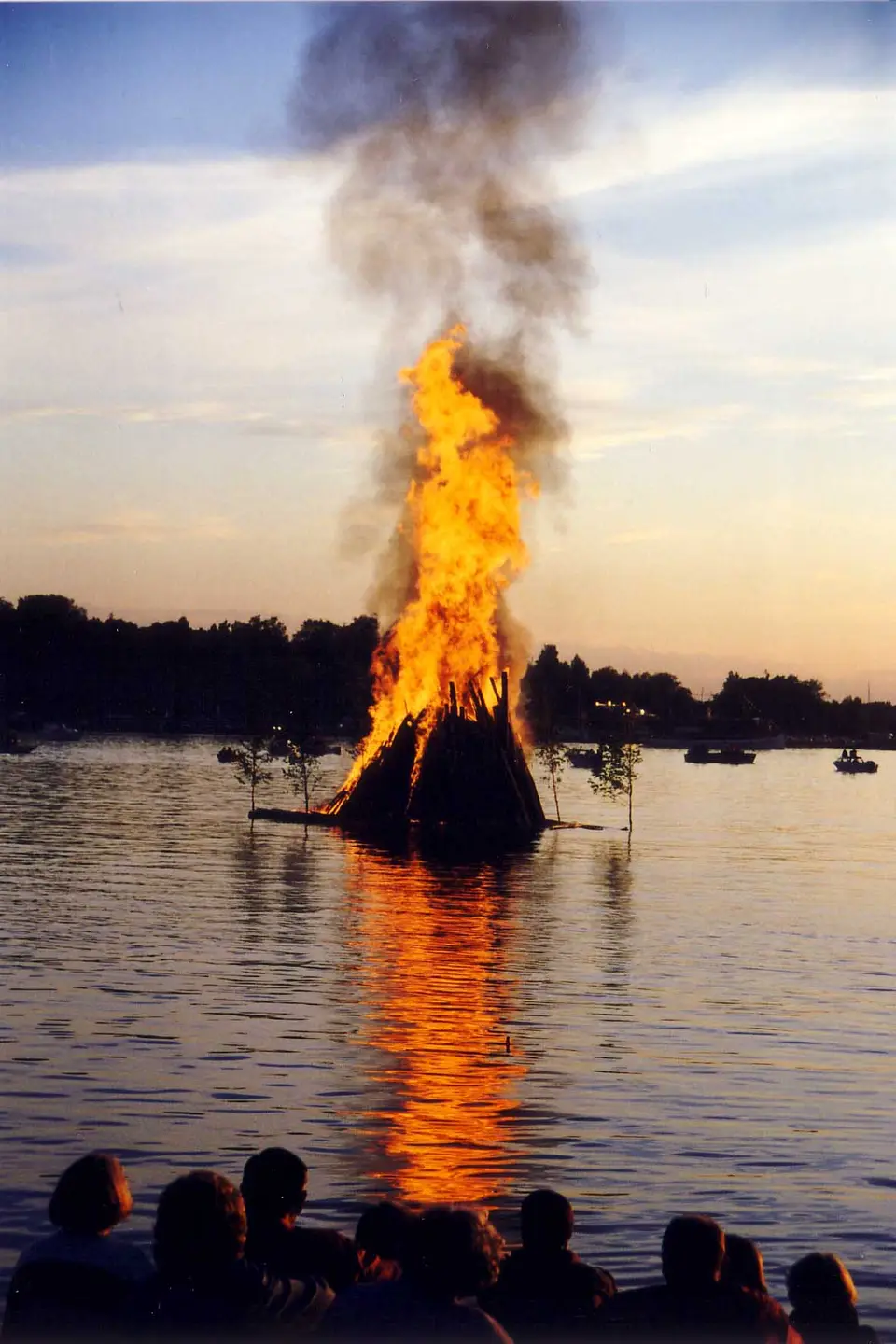
The country closes and moves to the water. Midsummer Eve is the Friday between 19 and 25 June; the cities empty, a bonfire is lit on every shore at about eleven at night, the sauna is hot, and it never really gets dark.
June 25 – 26, 2027Calculated
Vappu
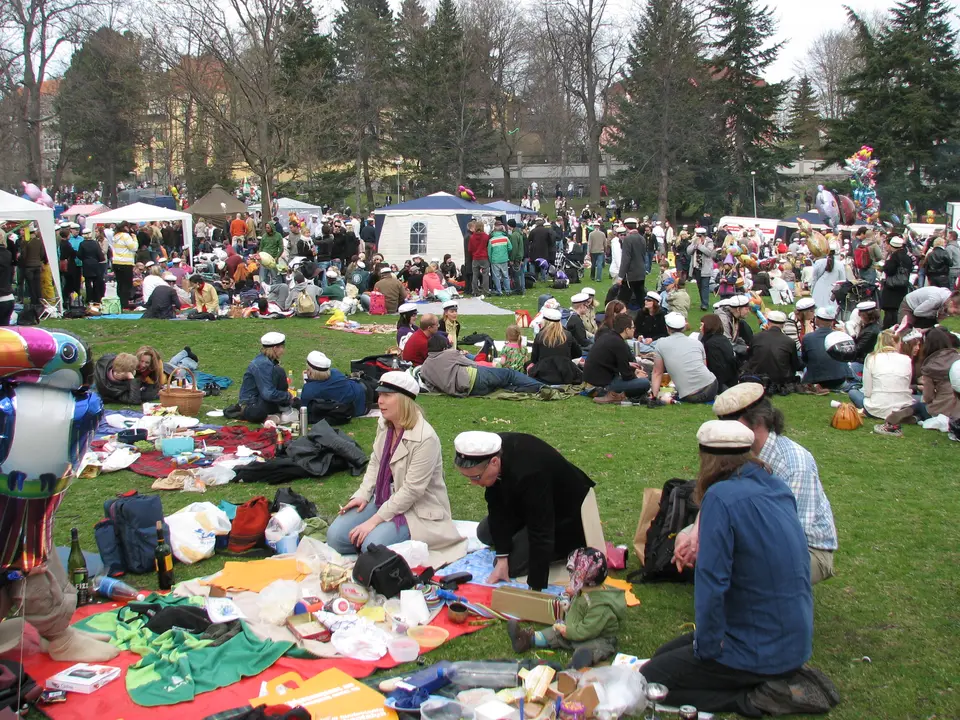
At 6 pm on 30 April, students place a white cap on the head of Helsinki’s mermaid statue, and Finland’s biggest carnival begins — caps and overalls in the streets, sima and sparkling wine, and on 1 May picnics in the parks from early morning.
April 30 – May 1, 2027Calculated
Sámi Easter Festival
Sámi beassášmárkanat
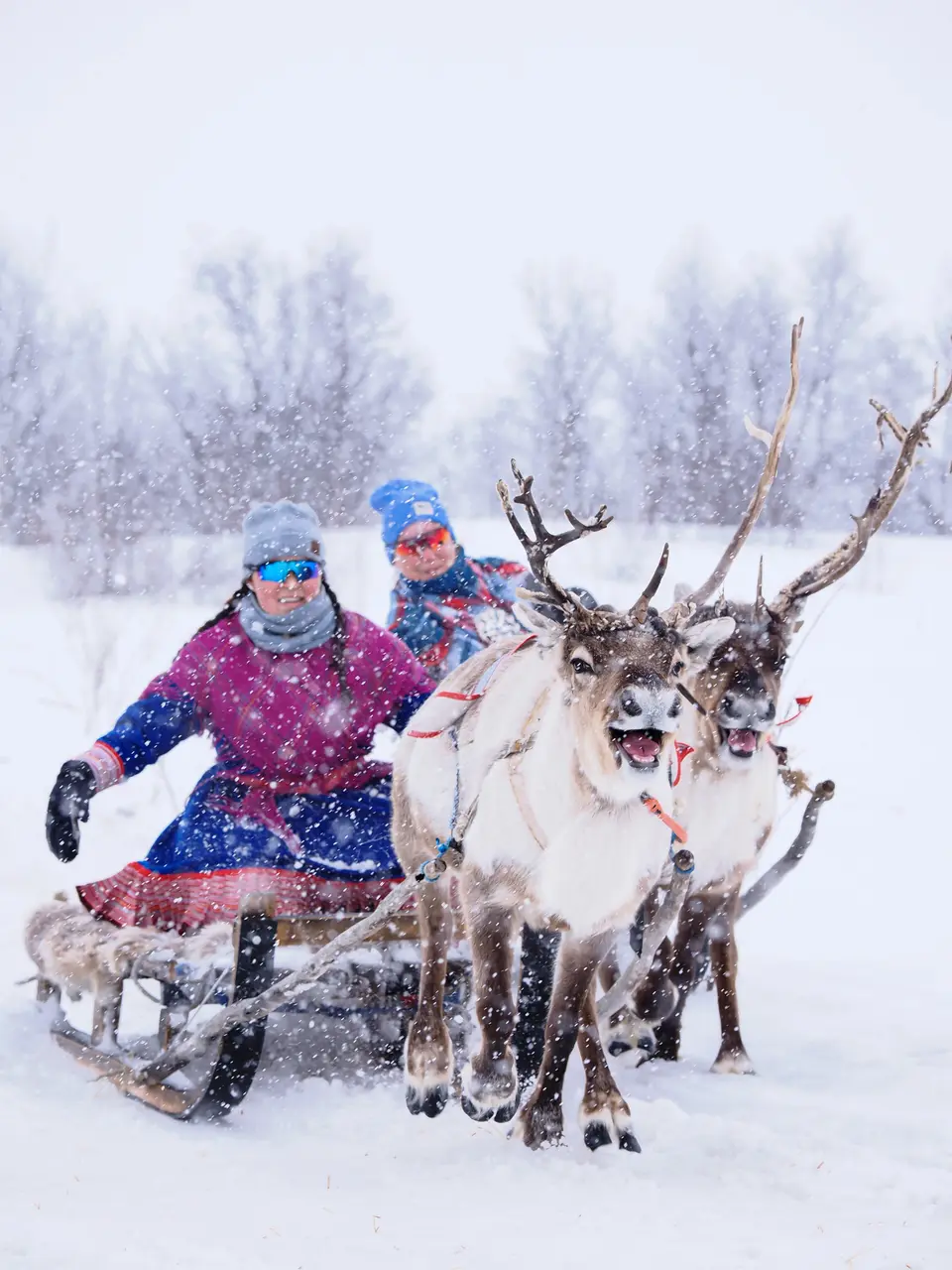
At Easter the Sámi village of Kautokeino in Finnmark fills with reindeer races, duodji handicraft markets, theatre and concerts, crowned by the Sámi Grand Prix of joik and song — continuing the old tradition of gathering before the reindeer move to the coast.
March 20 – 29, 2027Officially announced
Comments
Have you been there? Tell other readers what to expect.
No comments yet.
Comments are read by the site’s owner before they appear.